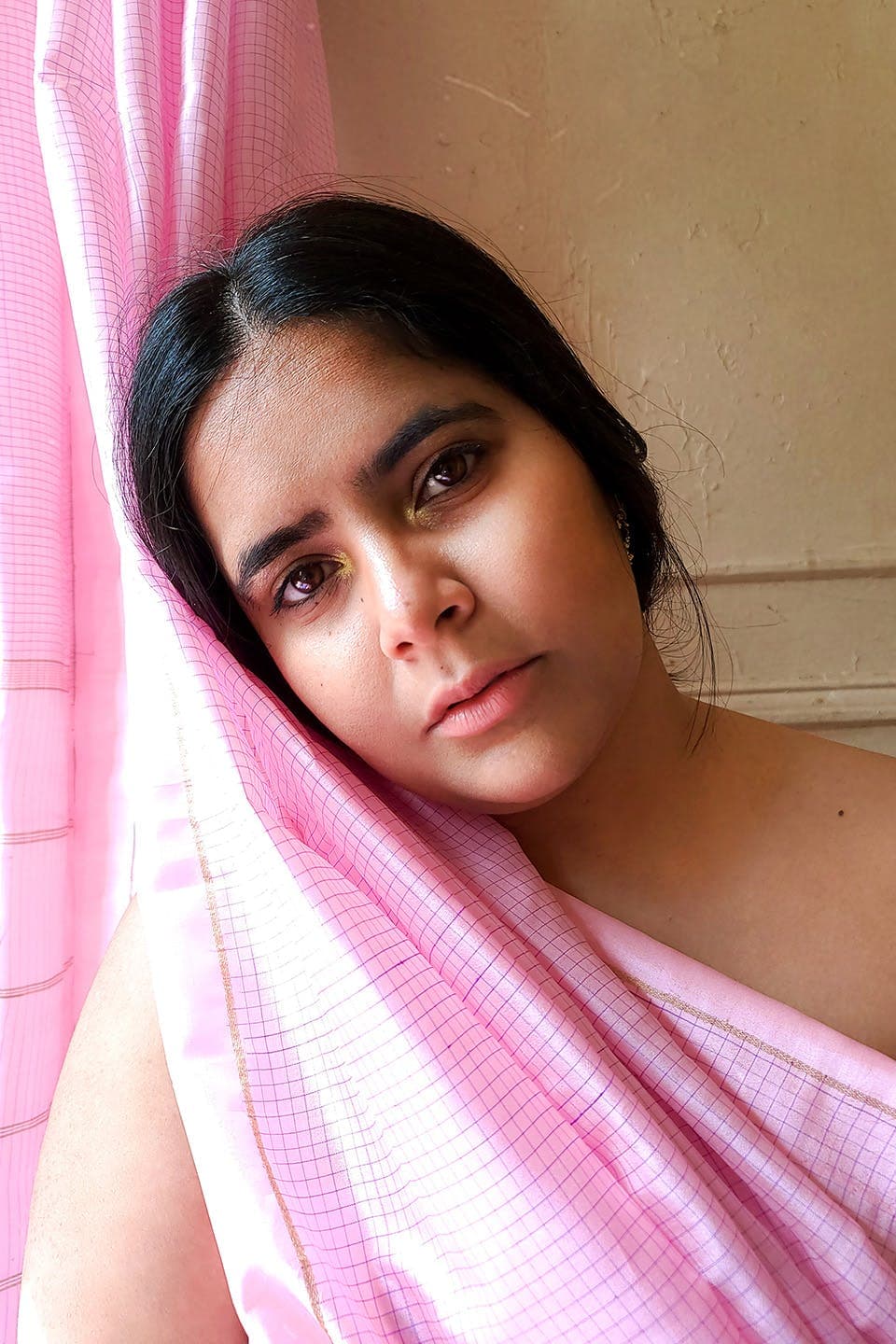
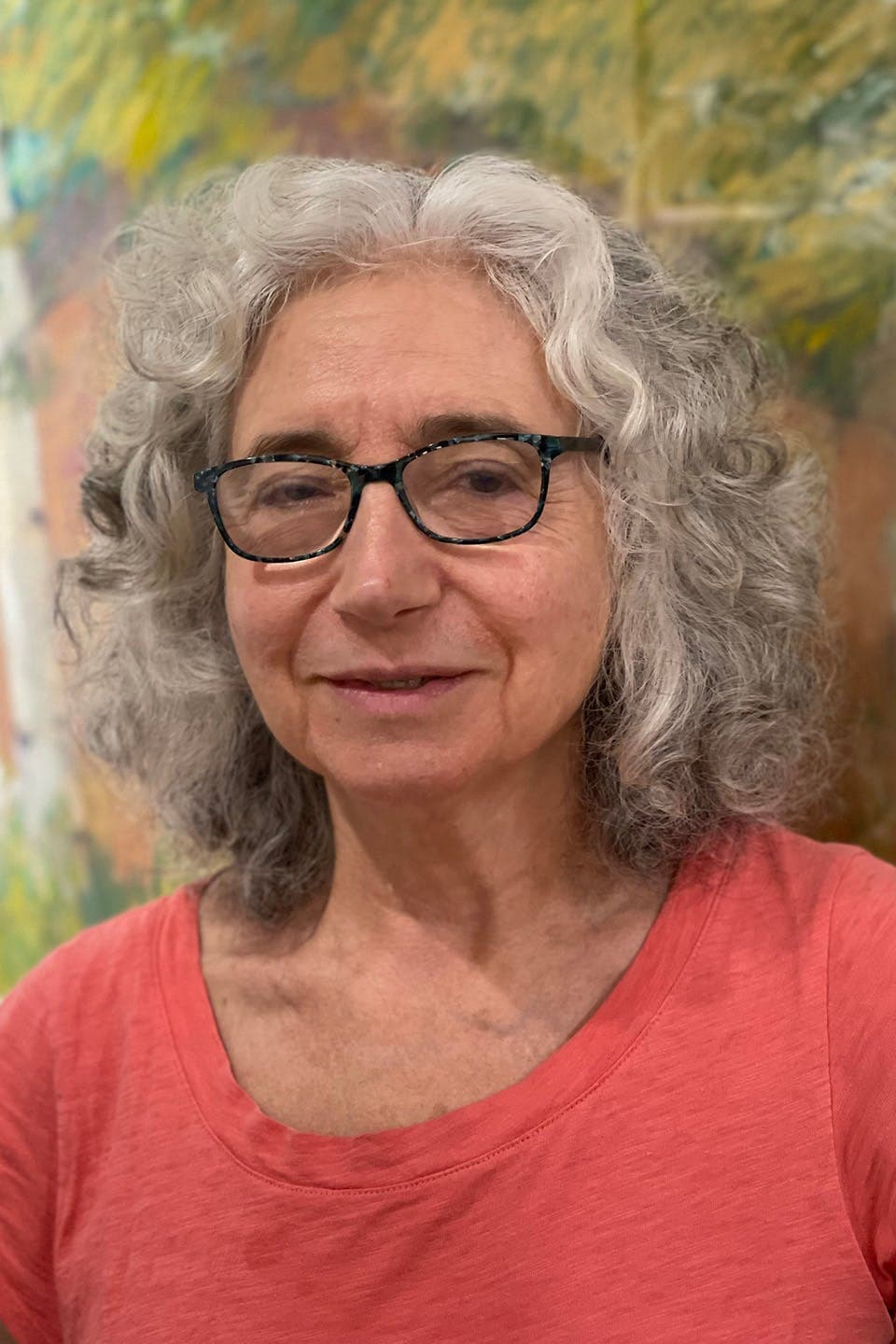
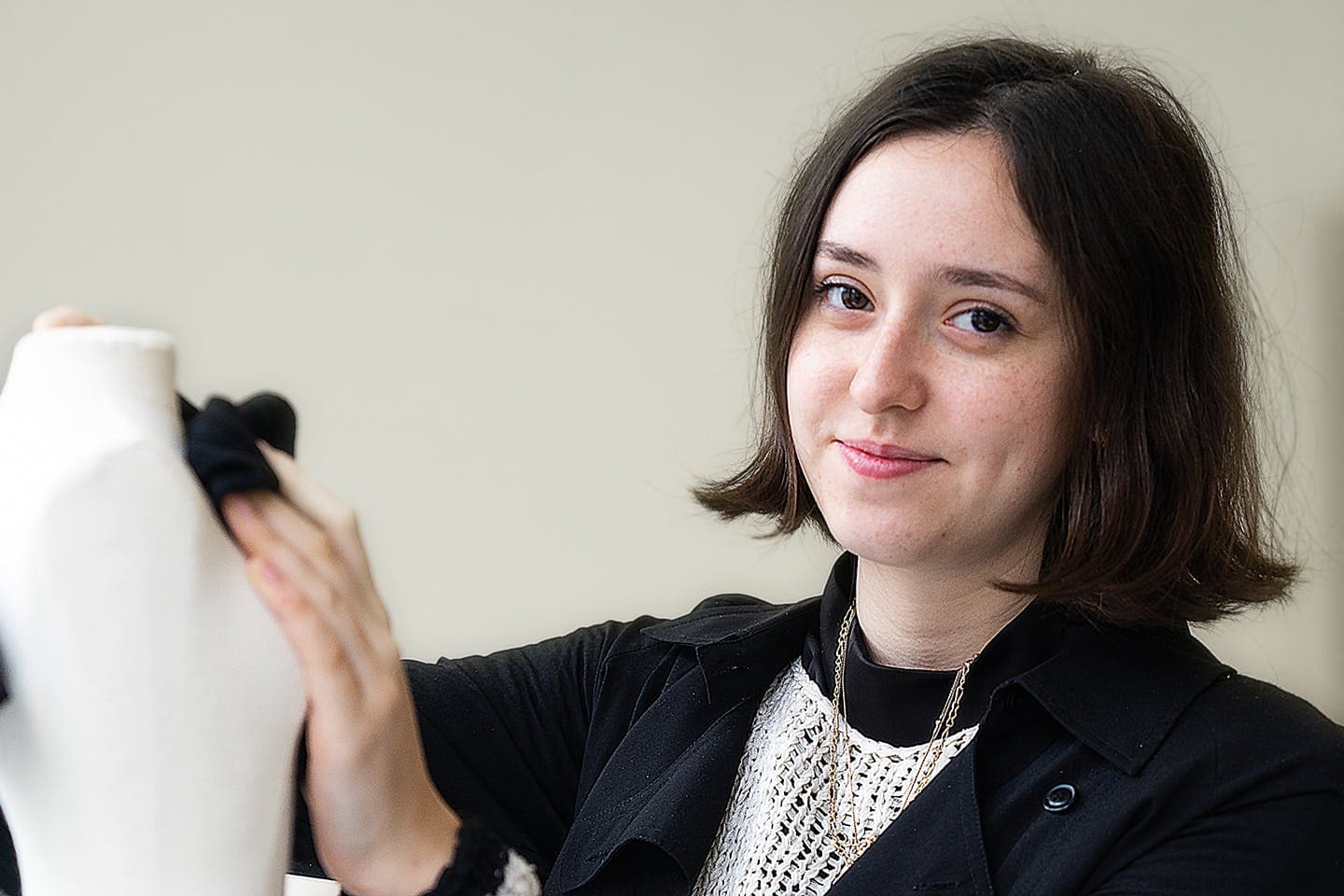
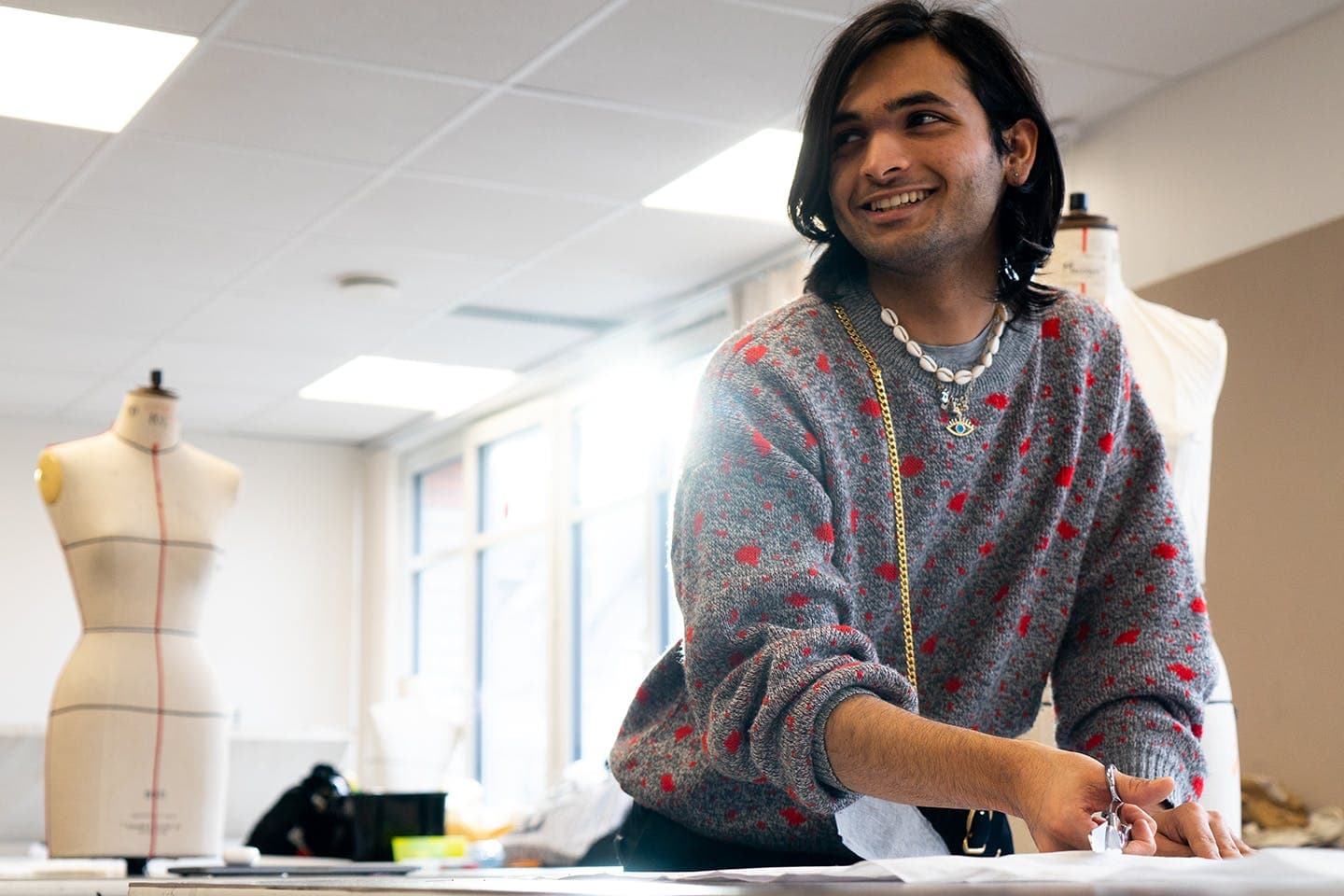
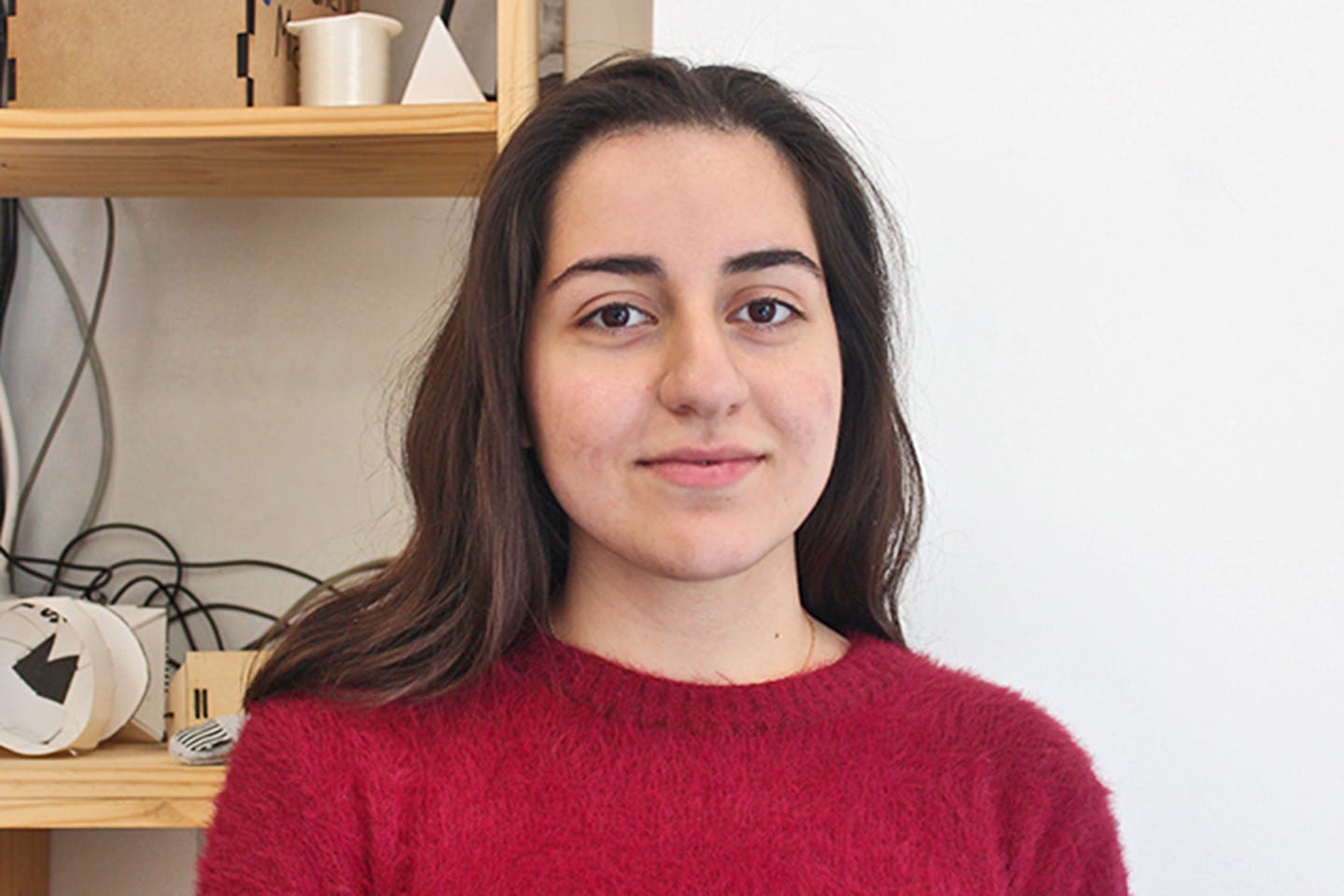
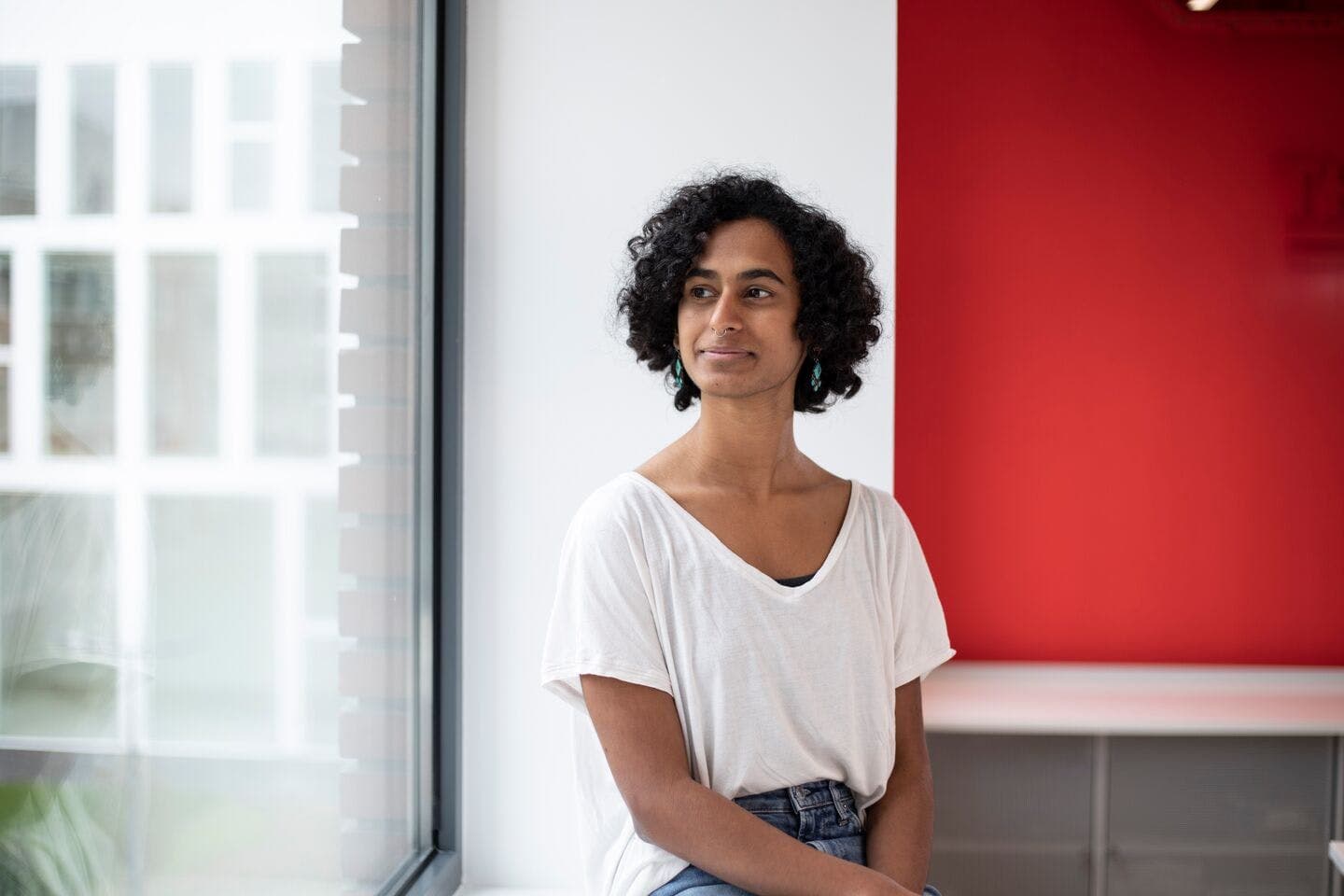
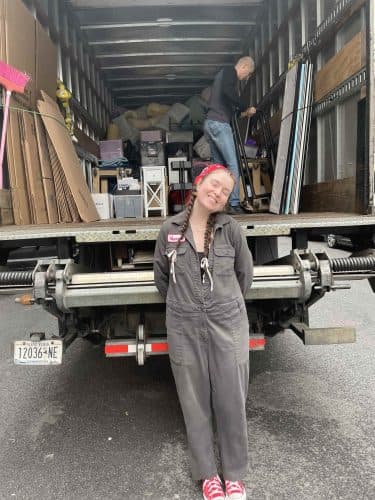
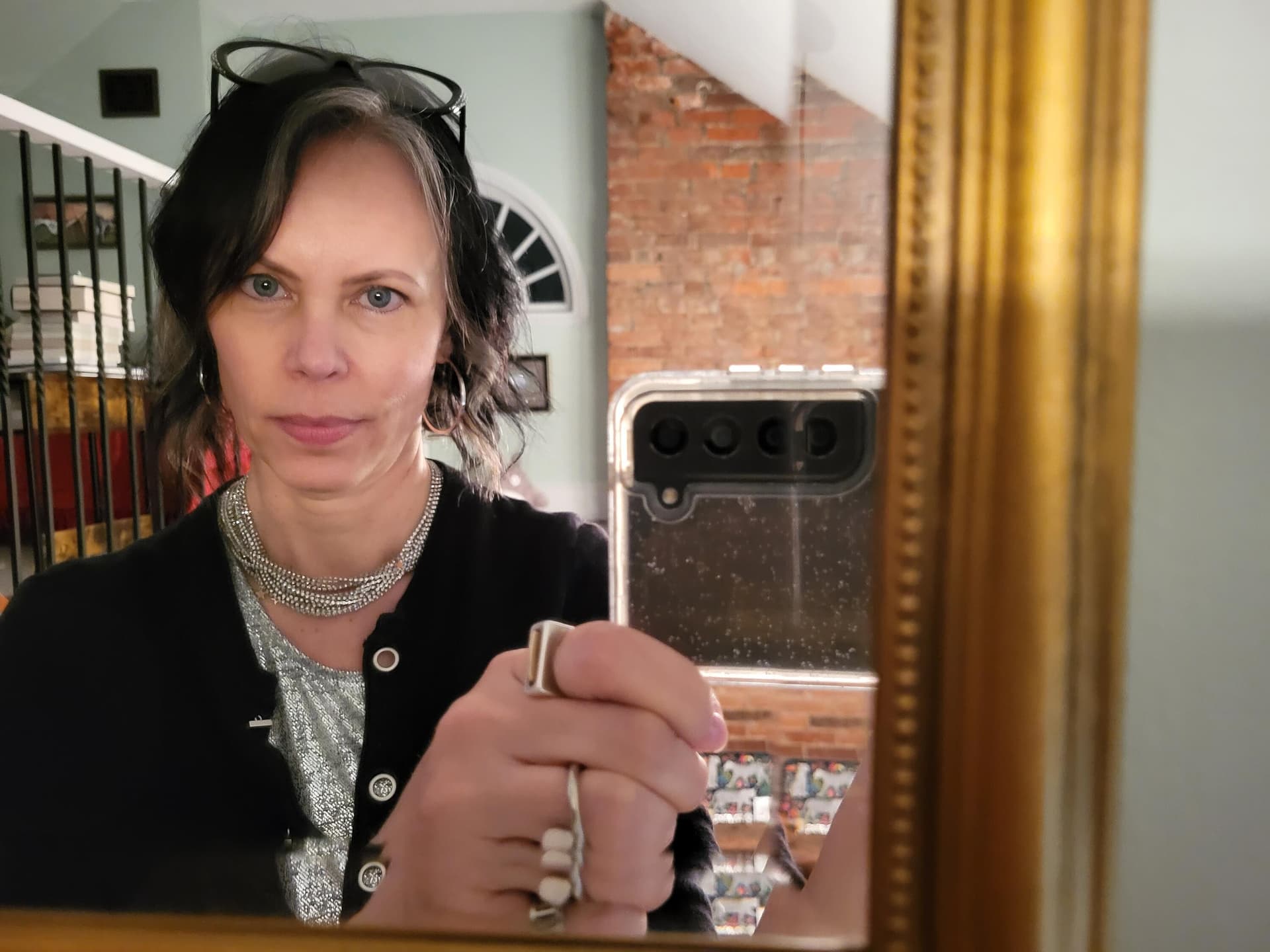
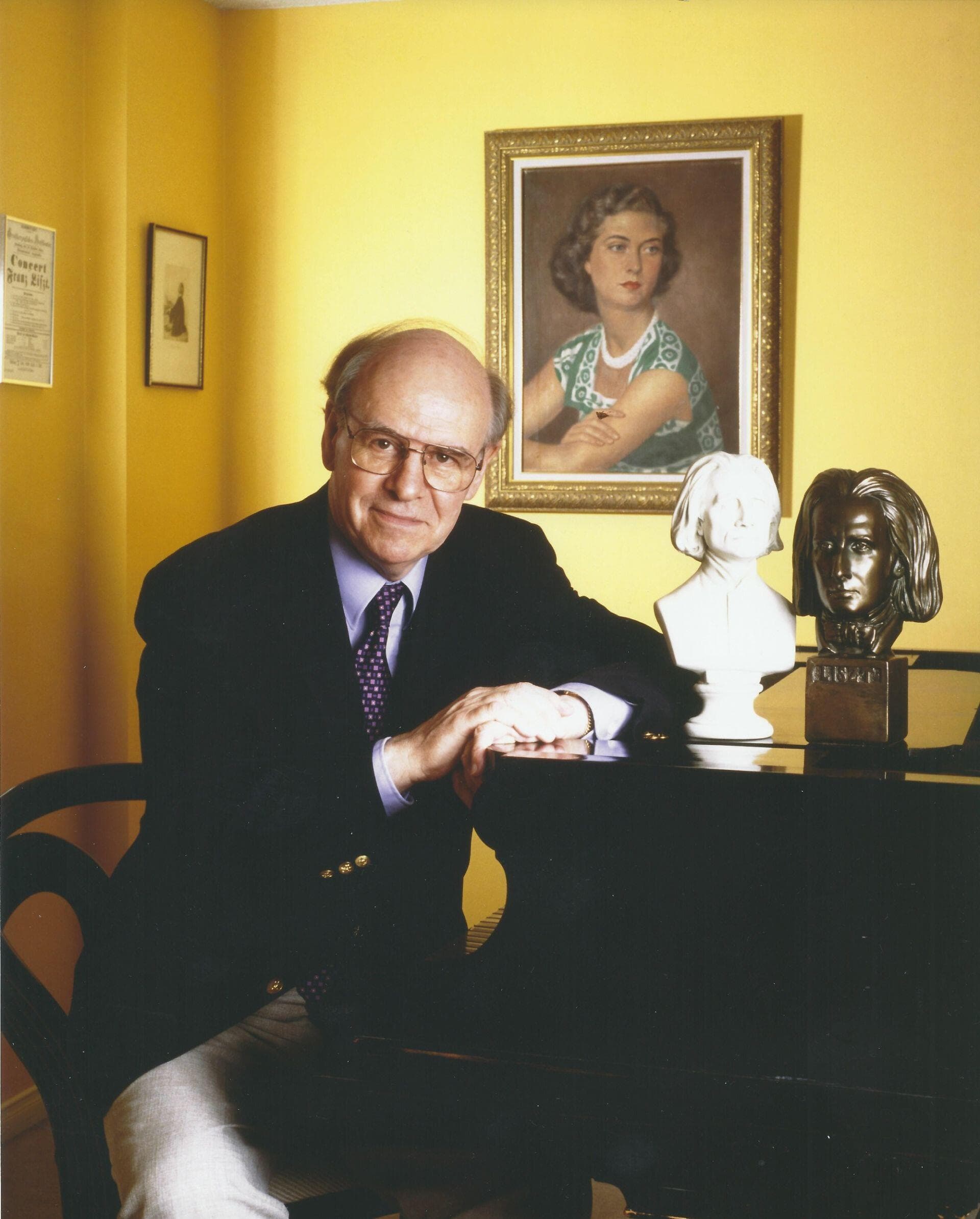
They are visionary artists. They are exceptional scholars. They are masters of their craft. They go beyond conventional paths to chart their own course of study. We invite you to meet a group of students from The New School's seven colleges, hear excerpts from their admission essays, and see how they are preparing for a world that doesn't yet exist.
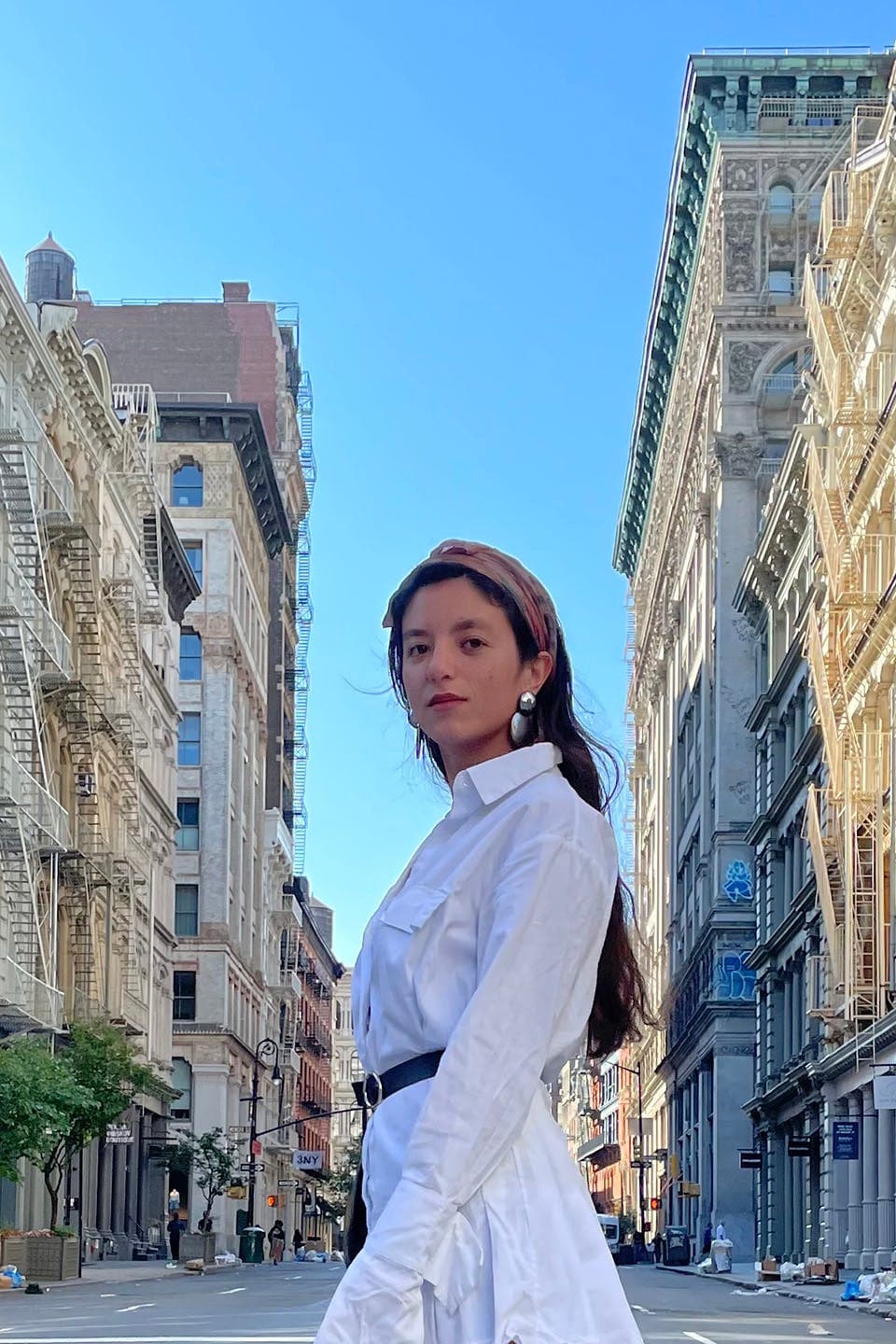
When you study at The New School, you become part of one of the most exciting and creative networks on earth. Our school draws on New York’s dynamic energy and resources.

Parsons School of Design is delighted to present Latency, a culminating Thesis Show of the 2026 Photography MFA program cohort.The exhibition will begin August 14th and go until September 17th in the Galleries at the Sheila C. Johnson Design Center. The opening reception will be held on August 20th from 6:00 pm – 8:30 pm.Through the interdisciplinary practices of the 25 individuals, Latency embodies the lag between materialisation and idea. For them, Latency means creating a space in which a brief pause or a visual lag is turned to tangible realities. The exhibition brings together a cohort that isn’t just taking photos, but actively redefining what photography can be.The show captures the tension of something on the verge of appearing, stretching the boundaries of contemporary art. From video to sculpture, silkscreen to image transfers, materials ranging from glass to metal, the work explores the moments where a message finally comes to view.The exhibition features thesis work by: Suga, Francis Chiang, Nazli Erbes, Andrew Finch, Kaitlyn Garcia, Sarah Gray, Lexi Hide, Jai Jain, Aylin Koç, Madison Lanier, Eugene Lee, He Li, Kyla Liang, Ivo Nagel, Stephen Peng, Tania Quintanilla, Valentina Rangel, Maelle Rudner-Mercier, Bai Song, Leana Spain, Jerry Tang, Sophia Valentino, Yu Wang, Hang Yu, and Miraal Zafar.

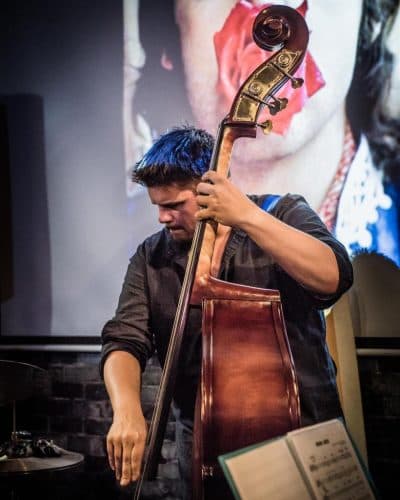
The Stone at The New School serves as an artist-centric home and community for experimental and avant-garde artists, where they can perform what they want without any interference. With concerts every Wednesday through Saturday evening, The Stone at The New School continues the tradition of the landmark non-profit performance space founded in 2005 by Artistic Director John Zorn, within a greatly improved space.September 2026 will feature residencies by Erik Friedlander, Matt Mitchell, Sana Nagano, Sugar Vendil, and Peter Evans.

Please join us for a reading with Nita Noveno (Nonfiction, 2002 ) as she sits down with Gina Apostol to discuss her memoir Mud on the Moon.About the Book:Mud on the Moon is a hybrid memoir that intertwines a daughter’s exploration of her Filipino immigrant father’s obscured past with a reimagined version of his untold story. Born in Southeast Alaska, Nita Noveno traces the legacy of her father, who arrived in the US in 1928 as part of a wave of Filipino men seeking better opportunities through manual labor in agriculture and other industries. The book alternates between Nita’s coming-of-age story and imagined chapters of her father’s life, revealing the gaps and silences that lie between their experiences. With a blend of personal and historical imagery, Mud on the Moon offers a rare glimpse into the lives of Filipino immigrants in America. It is a meditation on how family, memory, and identity are shaped by the stories we inherit, both spoken and unspoken, across generations.“Mud on the Moon is a lyrical, innovative memoir linking Philippine history to the American present, and the American past to Filipino lives, asking us to see contemporary America, especially but not only Filipino America, in novel ways, in both meanings of that word: as a complex and layered narrative demanding to be told and as an art experiment raising stakes on not only what it means to be American but also what it means to make art. Risk-taking, clear-eyed, but always artful, engaging, and above all embracing of multiple worlds and times, Noveno is a voice for our complex moment.”—Gina Apostol, author of La Tercera and Insurrecto“Mud on the Moon is a beautiful story of a daughter in the act of knowing her father. Noveno collects and creates the threads of his story, stitching and restitching memories, records, artifacts, history, mystery, and fiction. A delight of formal invention, this memoir brilliantly weaves narrative and photograph, father and daughter, fact and fiction, creating a moving, rich, multifaceted portrayal of the life of her father, a Filipino immigrant to the US, and her own.”—Ananda Lima, author of Craft: Stories I Wrote for the Devil and Mother/land

After the 9/11 attacks, once the smoke cleared and the rubble was removed, New Yorkers faced a fundamental question: who gets to decide the future of Ground Zero? Some wanted the towers back, while others believed the site should remain a memorial. So the city decided to do one of the bravest—or stupidest—things in the history of city planning. They gathered 5,000 representative New Yorkers into the largest town hall in American history. People expected chaos, yelling, maybe even a fistfight. But what happened was democracy. And guess what? It was beautiful. The Center for the American Experience, in partnership with the Department of Historical Studies at The New School for Social Research, invites you to a screening of Reclaiming Ground Zero, a documentary revisiting this landmark moment in participatory democracy. The screening will be followed by a conversation with Paul Goldberger, Pulitzer Prize–winning architecture critic and Joseph Urban Professor of Design at Parsons School of Design; Carolyn Lukensmeyer, founder of AmericaSpeaks and Executive Director Emerita of the National Institute for Civil Discourse; and Jeremy Varon, Professor of History at The New School for Social Research and Eugene Lang College. The panel will be moderated by New School President Joel Towers.

In the context of Global South narratives and practices, the India-Chinarelationship can best be characterized as competitive cooperation. Driven by both strategic calculations and pragmatic considerations, the two countries compete for strategic space and political influence while simultaneously cooperating in areas where their interests overlap. Understanding this complex relationship requires examining how India and China engage in debates over Global South identity, pursue different development paths and working patterns with the North, and participate inthe construction of new institutional mechanisms. That’s why their interaction demonstrates “uncoordinated coordination” in certain issue areas despite differences in their responses to the Israel-Palestine conflict and the more recent U.S.-Israel-Iran confrontation. Ultimately, their competitive cooperation relationship over divergent strategic interests, competing national priorities, and different interpretations of globalorder are helping the Global South, as a loosely connected community of nations, develop shared understanding, build collective strength, and explore its own path of development and global engagement.Speaker:Chao XIE: Associate Professor, Institute of International Studies, Fudan University, China

Please join us as we launch Claudia Horn's new book Rosa Luxemburg's Herbarium: Radical Ecology and the Global Plantation (OR Books, 2026). She will be joined by Banu Subramaniam (Wellesley College) for a lively discussion on botany's role in the development of plantation capitalism, the appropriation of plant knowledge, and ecological critiques of colonial capitalism. Claudia Horn is Lecturer in Political Economy in the Department of European and International Studies at King’s College, London. Her research critically examines the global politics of uneven development, ecological transition, and global inequalities.Banu Subramaniam is Luella LaMer Professor of Women's and Gender Studies at Wellesley College. She is an interdisciplinary scholar trained as an evolutionary biologist and plant scientist who has embraced tools from the humanities and social sciences to help shape the field of Feminist Science and Technology Studies. Her latest book, Botany of Empire: Plant Worlds and the Scientific Legacies of Colonialism (University of Washington Press 2024), is a reckoning and a manifesto that provides a roadmap for transforming the colonial foundations of plant science.Rosa Luxemburg's Herbarium constitutes the first transcription and translation of Luxemburg's original herbarium produced between 1913 and 1918, complete with annotations. It further analyzes Luxemburg's ecological critique of colonial capitalism and examines the role of botany in the development of plantation capitalism and the appropriation of plant knowledge.“This beautiful book sheds new light on Rosa Luxemburg. It is an inspiring contribution to ecosocialist thought and reflections on plant science and environmental justice.”—Silvia Federici“What does a revolutionary pacifist do in prison during WWI? Collect plants—not as a hobby but to study the world. This book opens a window onto Luxemburg’s life and theories of imperialism and capitalism.”—Isabella Weber“A beguiling book, brimming with beauty and urgency . . . makes a compelling case for a radical political ecology that encompasses the ironies and urgencies of our environmental crisis.”—Jonathan Bach
The New School admits students of any race, color, national and ethnic origin to all the rights, privileges, programs, and activities generally accorded or made available to students at the school. It does not discriminate on the basis of race, color, national and ethnic origin in administration of its educational policies, admissions policies, scholarship and loan programs, and athletic and other school-administered programs.