Penny Wolfson: Reclaiming Agency Through Scholarship
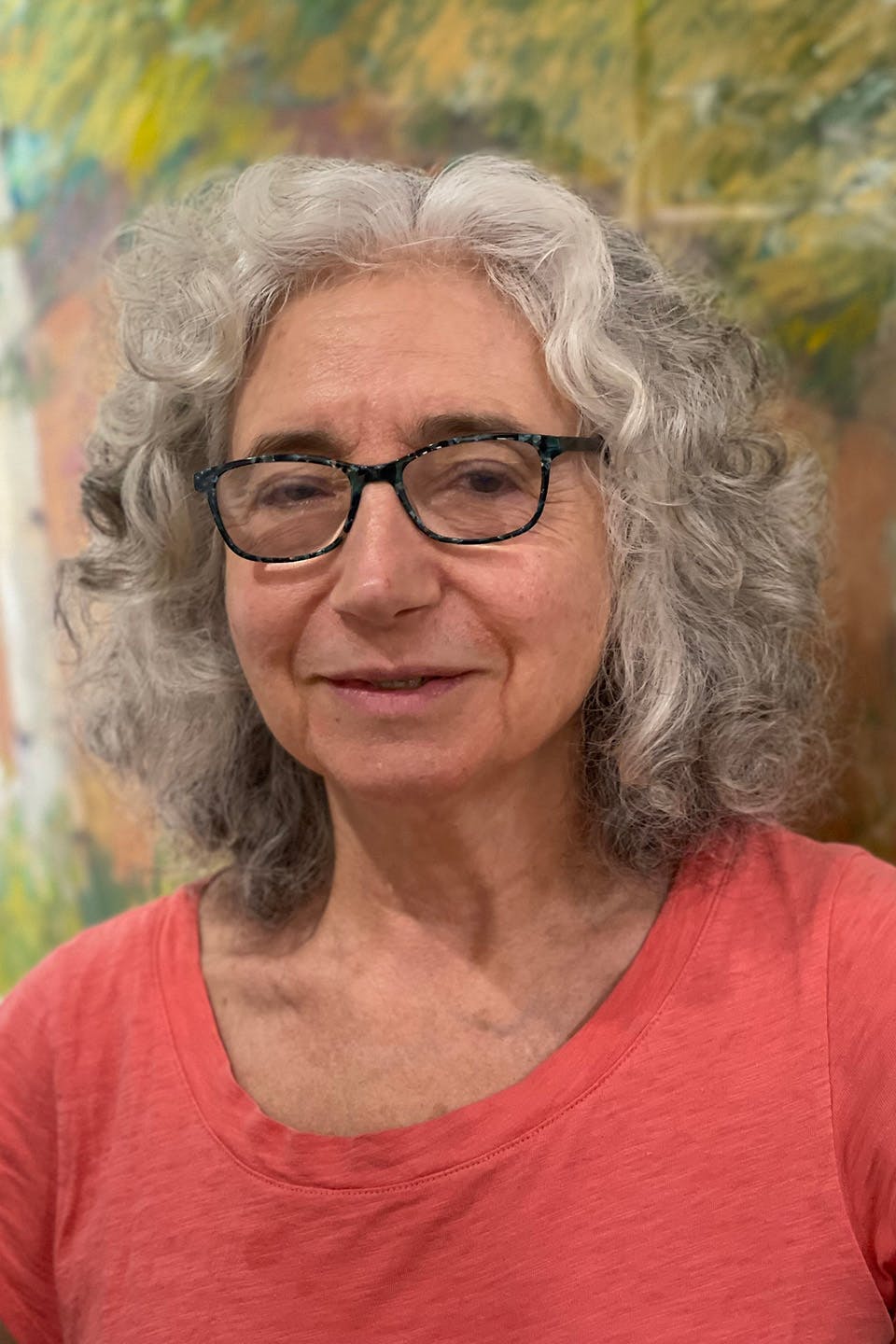
When asked how she came to write her thesis, Enwheeled: Two Centuries of Wheelchair Design, from Furniture to Film, Penny Wolfson makes it sound like a foregone conclusion.
Wolfson had raised three children and enjoyed a varied writing career by the time she decided to pursue a master’s degree. She’d long been fascinated by material culture studies, a branch of history that examines objects and ephemera to extract sociocultural insights. In fact, she once wrote a magazine article about a meat grinder. Parsons’ MA History of Design and Curatorial Studies program, offered jointly with Cooper Hewitt, Smithsonian Design Museum, enabled Wolfson to immerse herself in her passion.
Wolfson’s thesis also grew out of personal experience. Her son Ansel was diagnosed with muscular dystrophy as a child and has used a wheelchair since age 11. “Ansel started me thinking about how crucial wheelchair design is,” says Wolfson. When she took Marilyn Cohen’s course on design in film, “it suddenly struck me that wheelchairs must appear in films.” Thus her Enwheeled thesis was born.
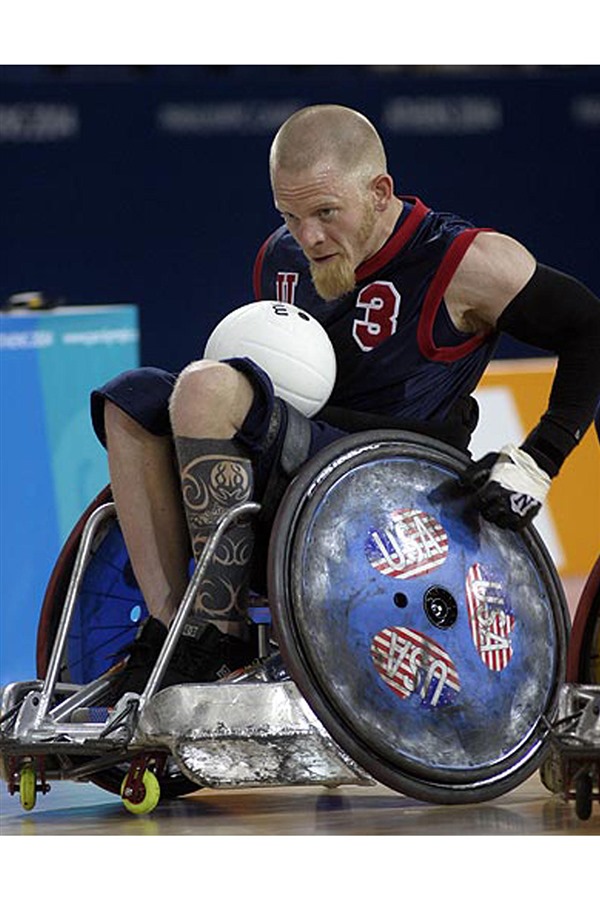
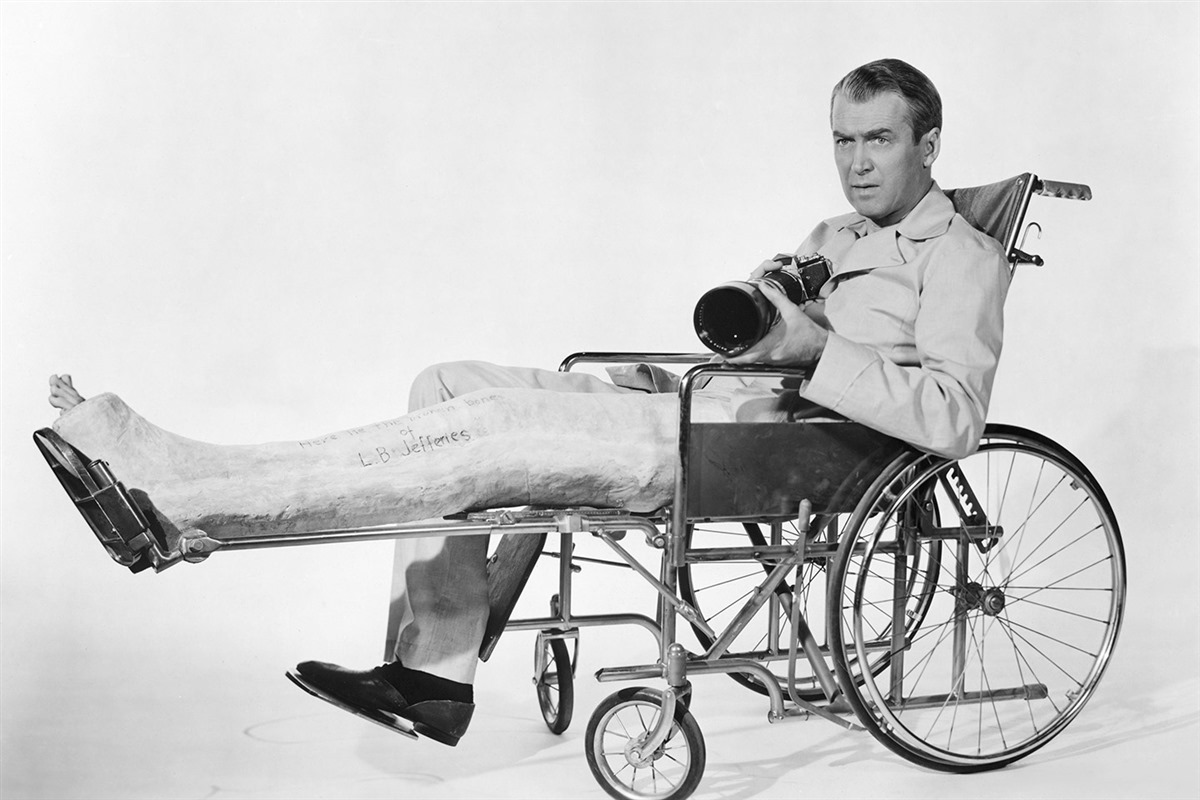
Wolfson had already published a National Magazine Award–winning piece in The Atlantic about her son’s experience in a wheelchair. But with her design historian tools, she explored new ground, tracing the evolution of wheelchair design and the ways wheelchairs are depicted in film. In her thesis, Wolfson considers a range of works—from silent films to classics such as Rear Window and Born on the Fourth of July to documentaries like Murderball—analyzing film’s unique capacity to show wheelchairs in use. With each film, Wolfson delves into the relationship between wheelchair and user and what their story reveals about society’s “prejudices, aspirations, and fears.”
Having observed how her son’s wheelchair helps him navigate the world, Wolfson encourages us not to view wheelchairists as “confined” or “bound.” Instead, she prefers to describe wheelchair users as “enwheeled,” which she feels better communicates the way humans and machines move in sync. “It feels like flying,” she says.