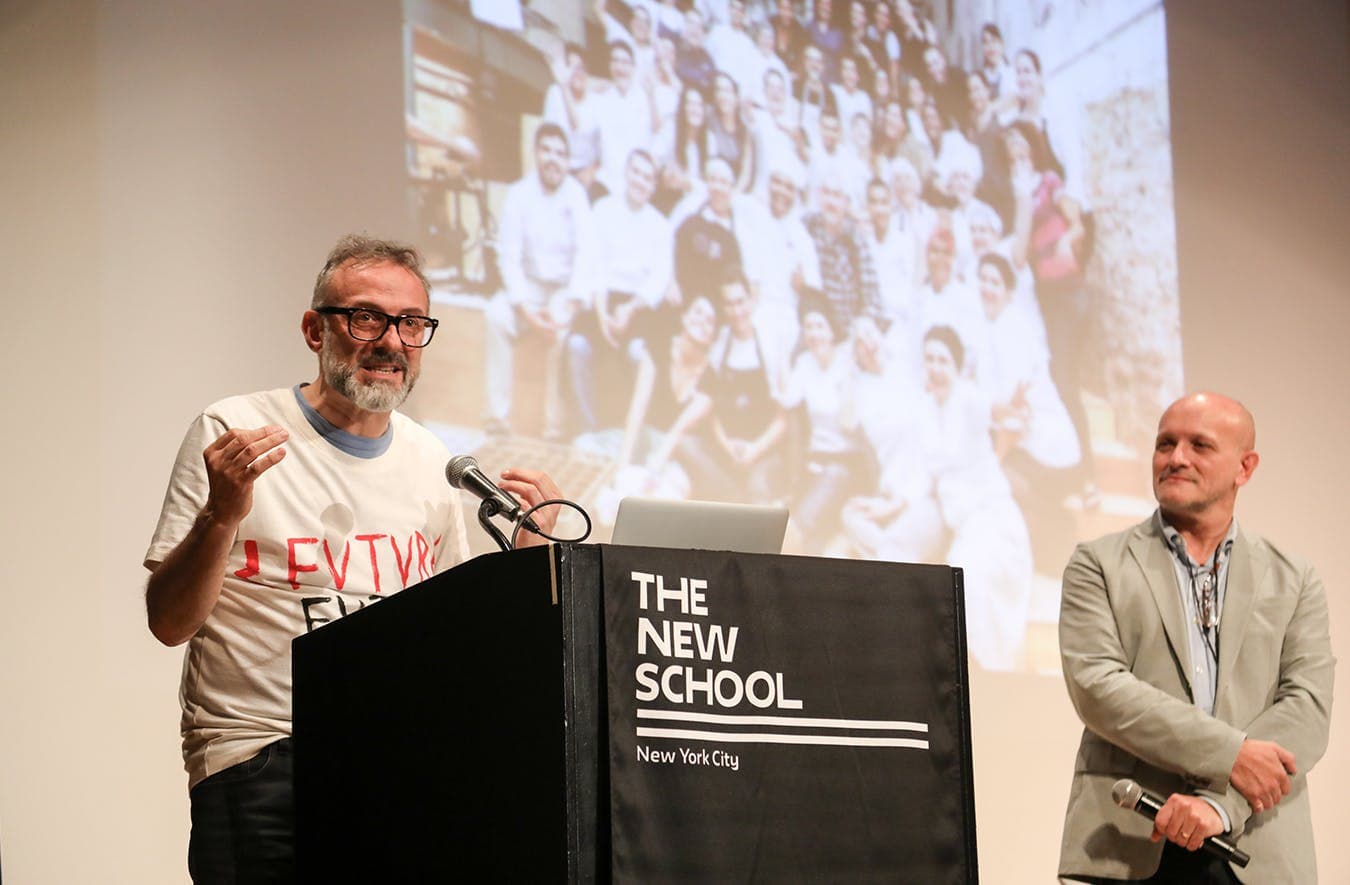
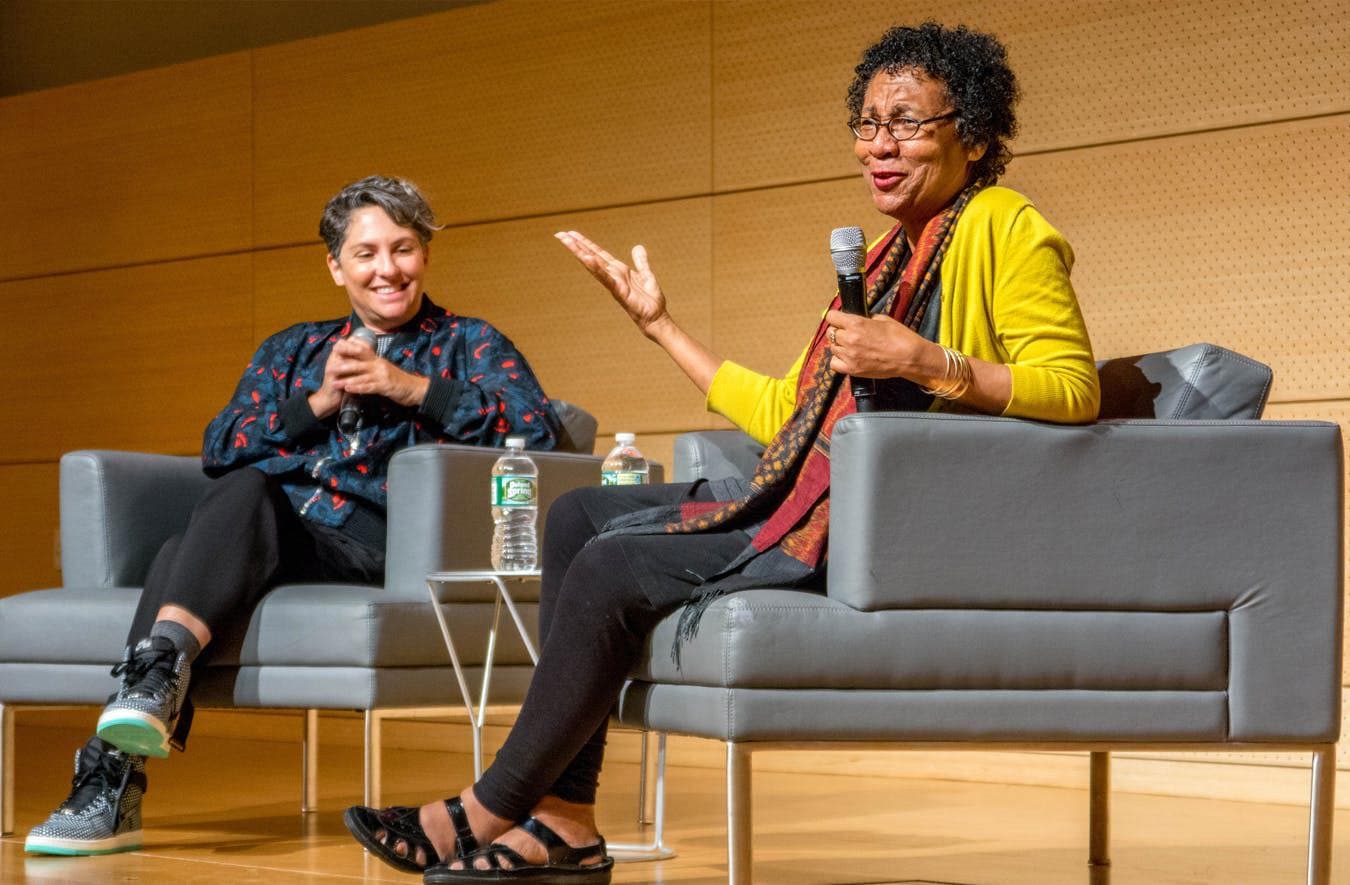
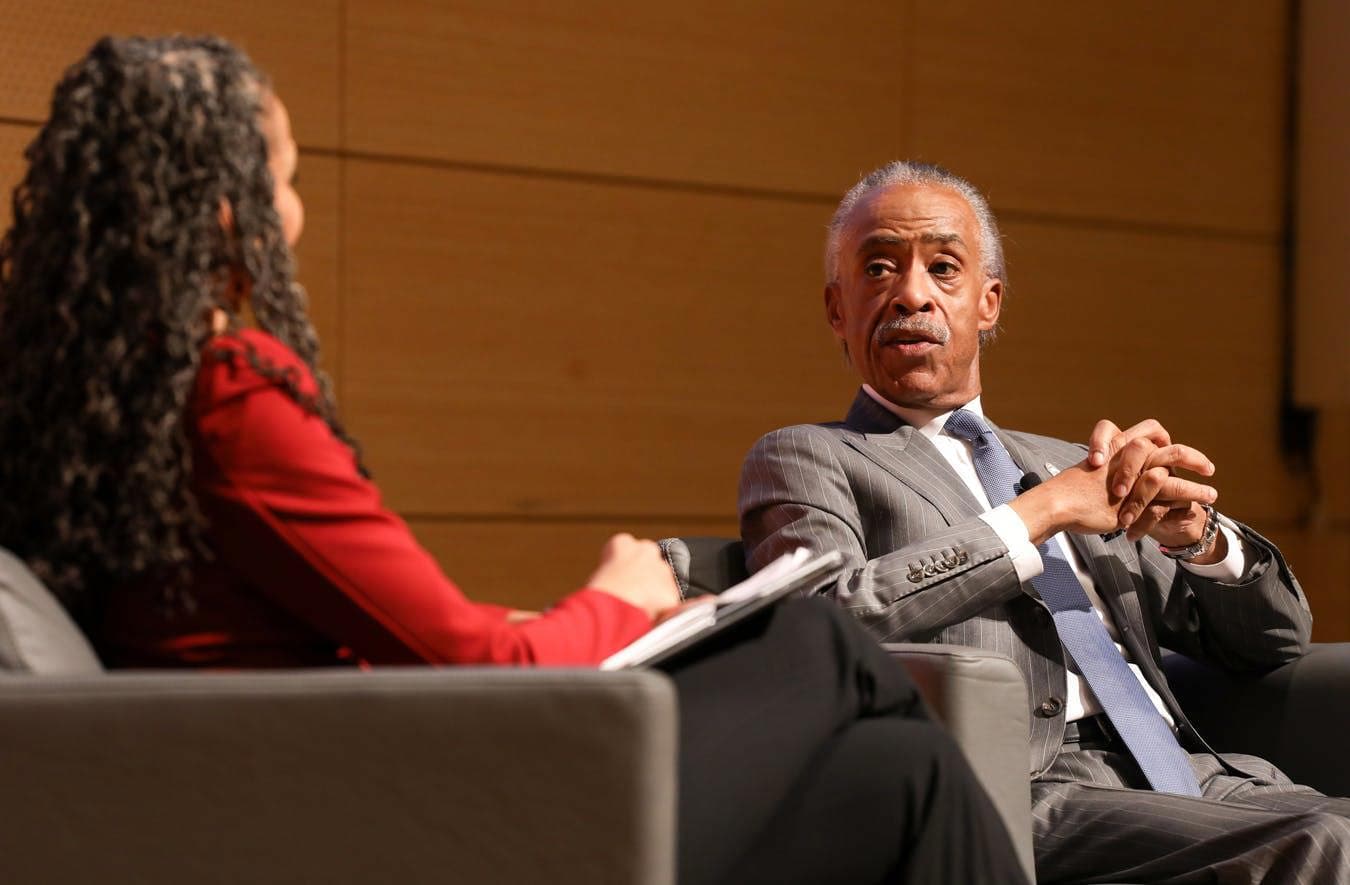
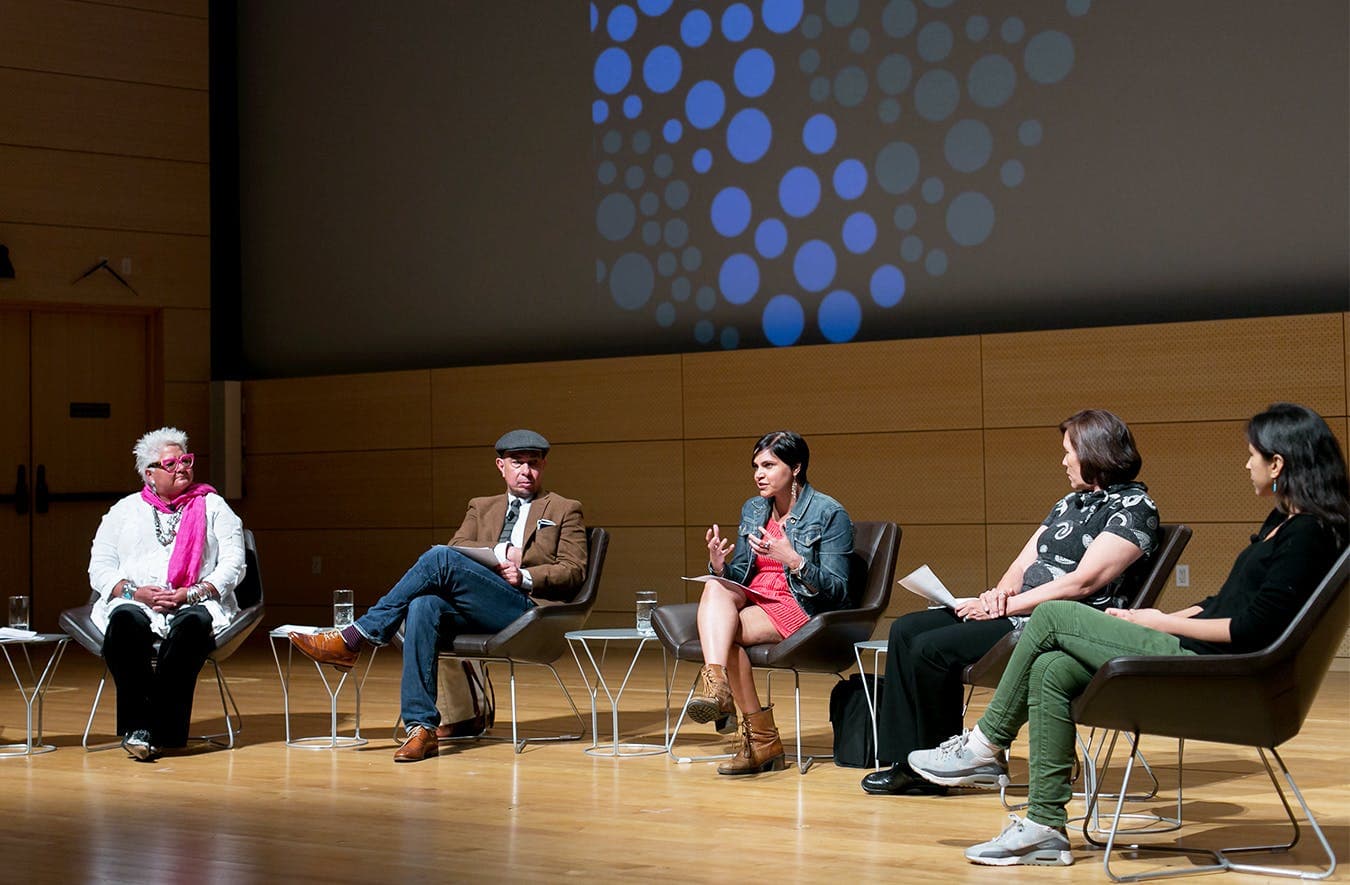
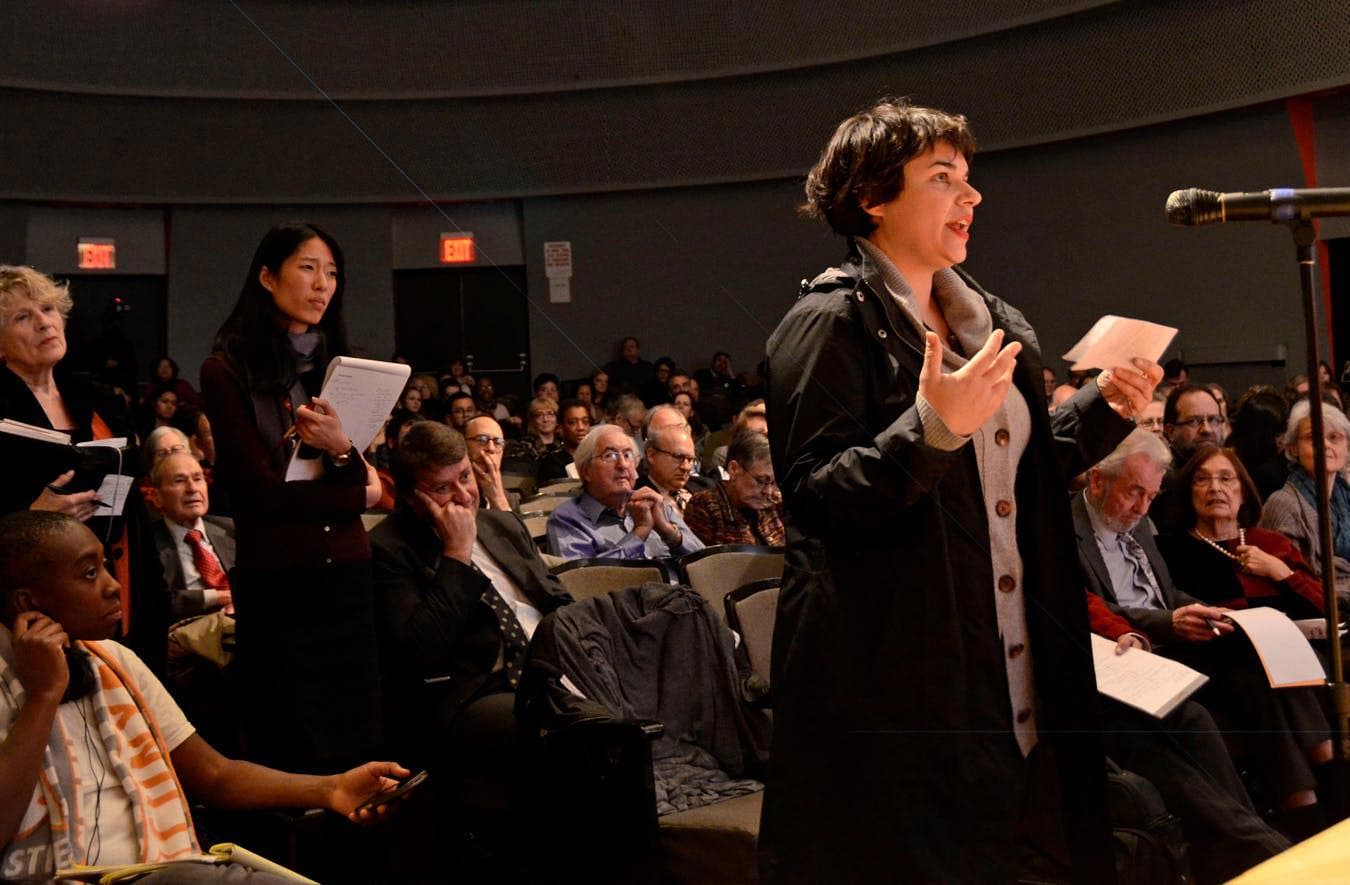
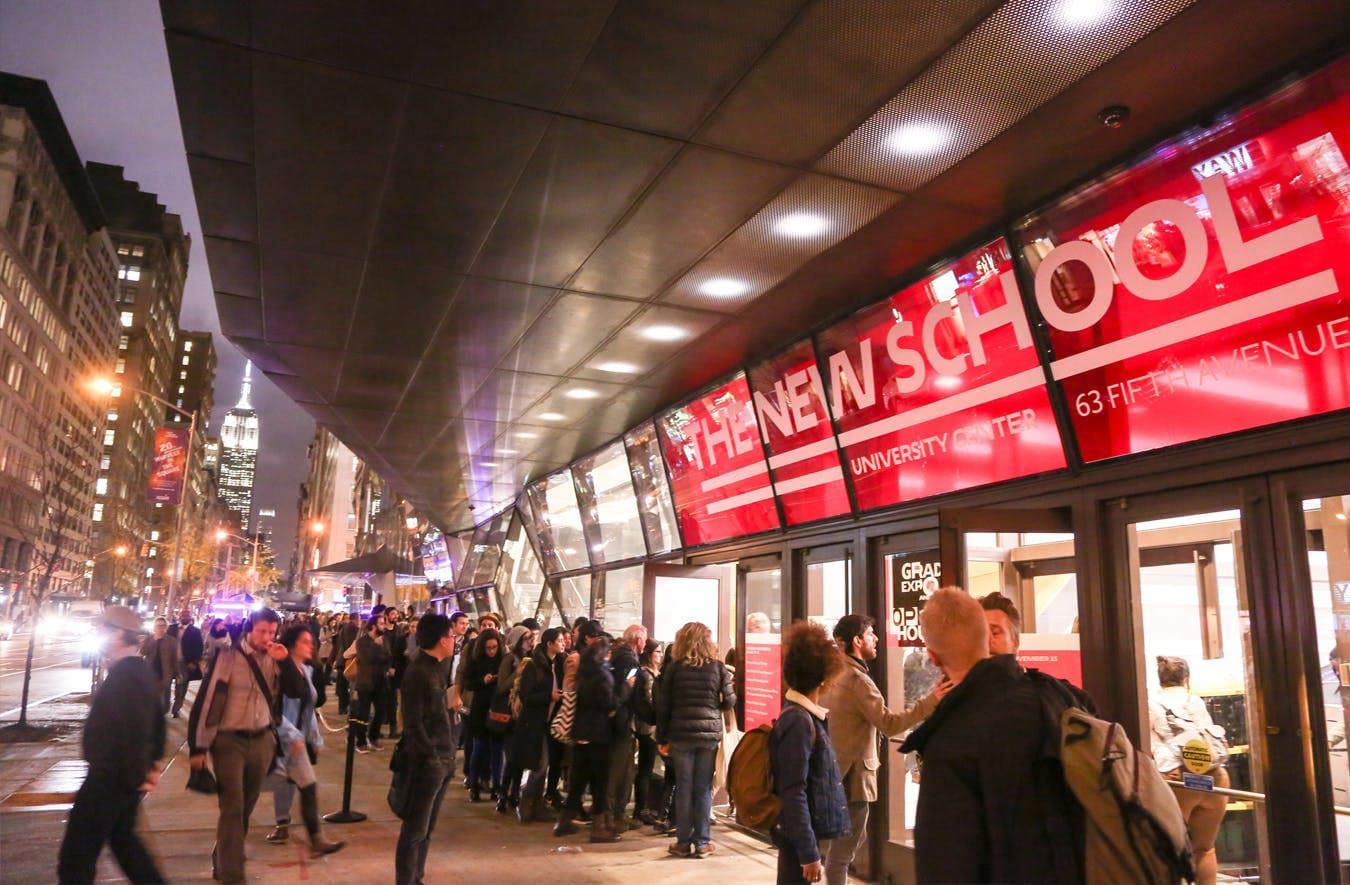
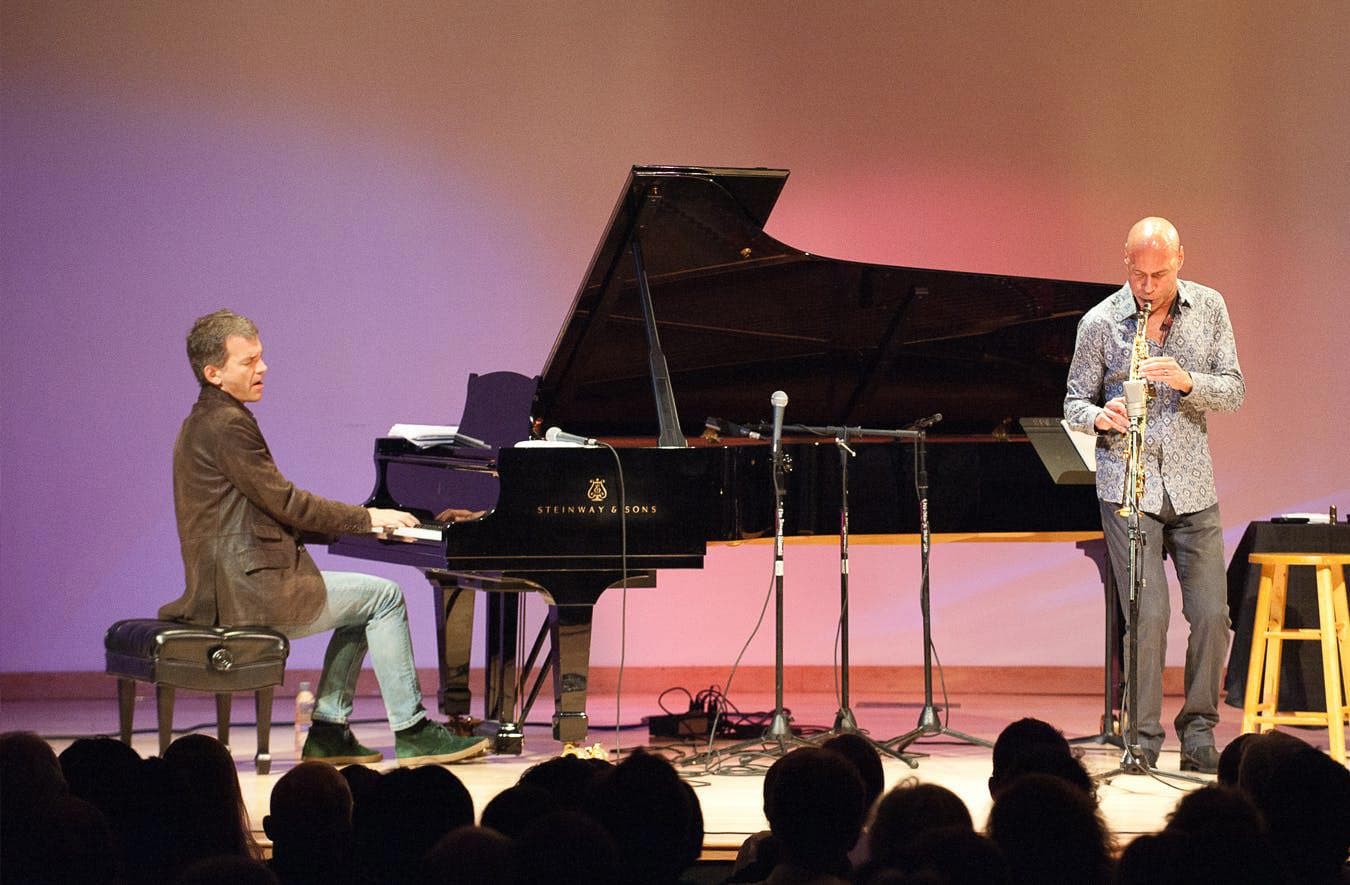
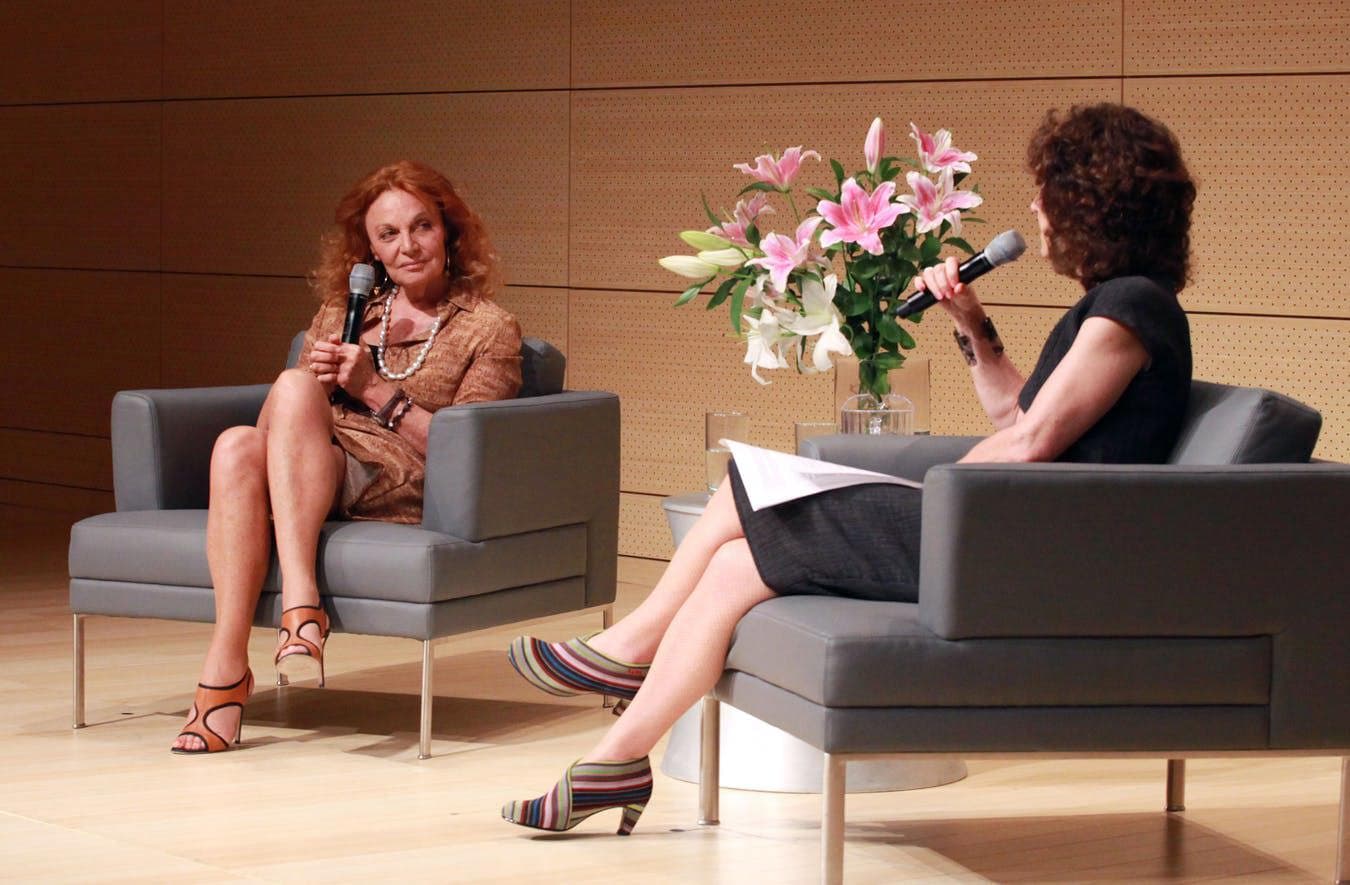
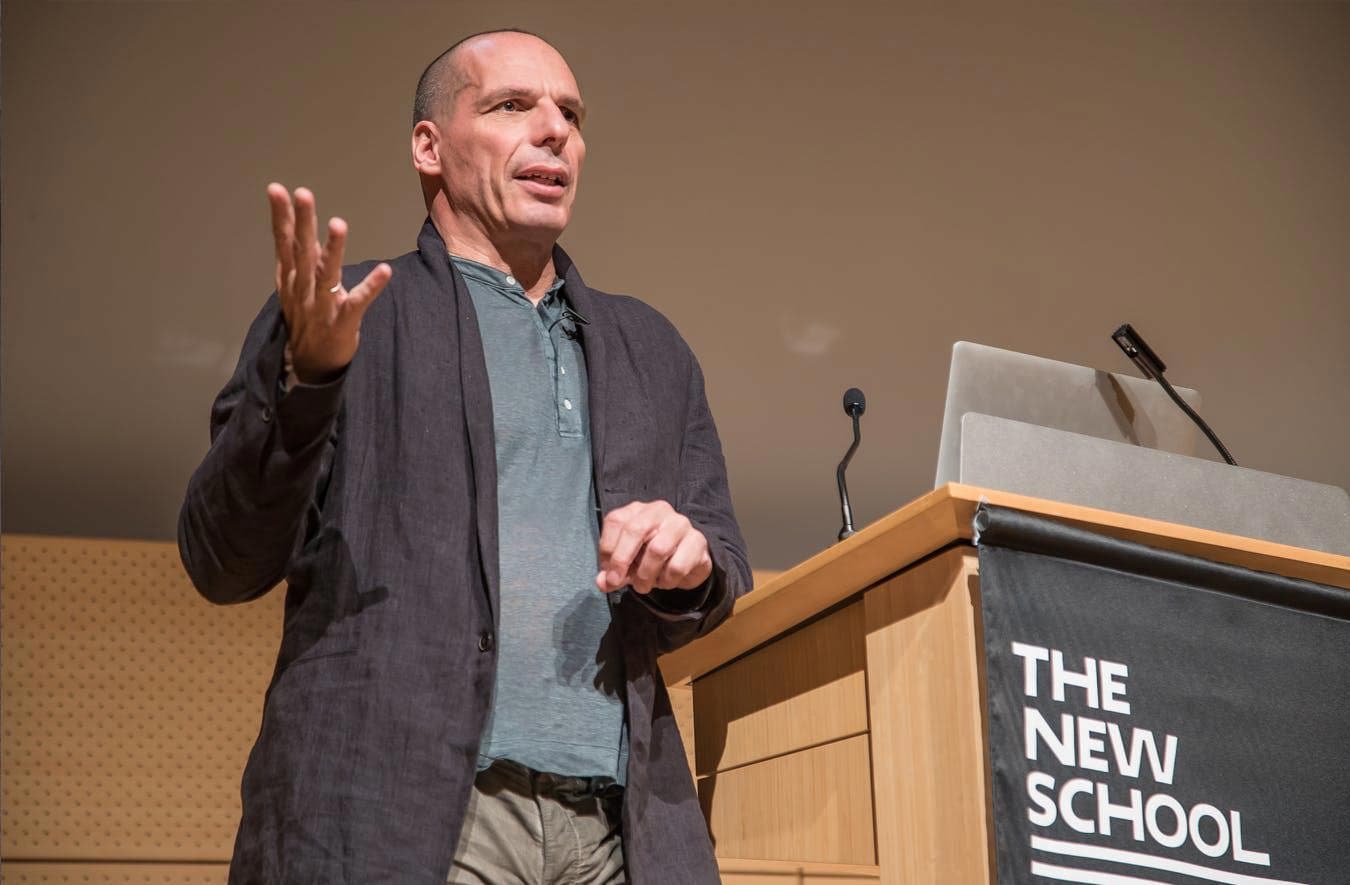
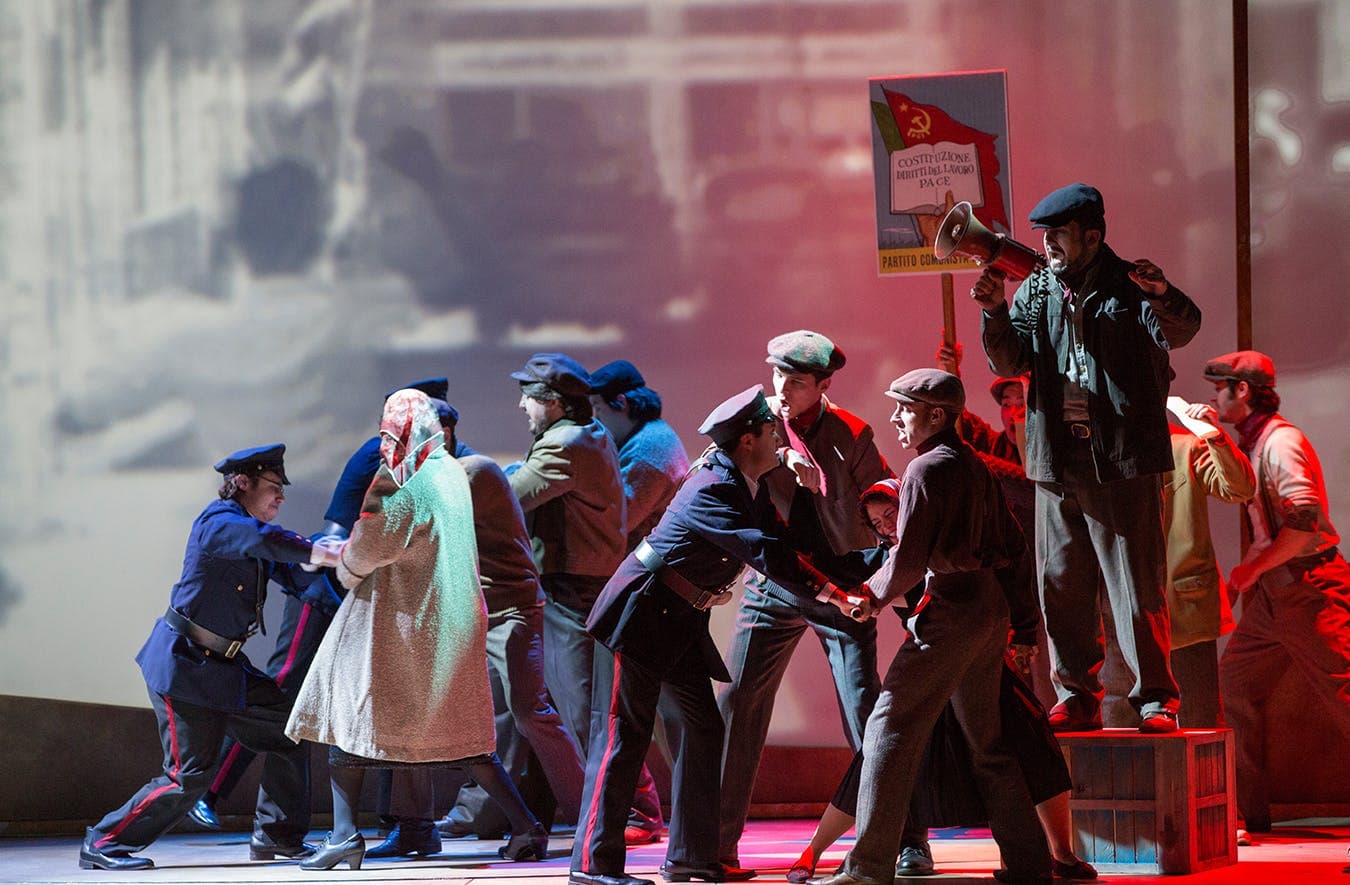
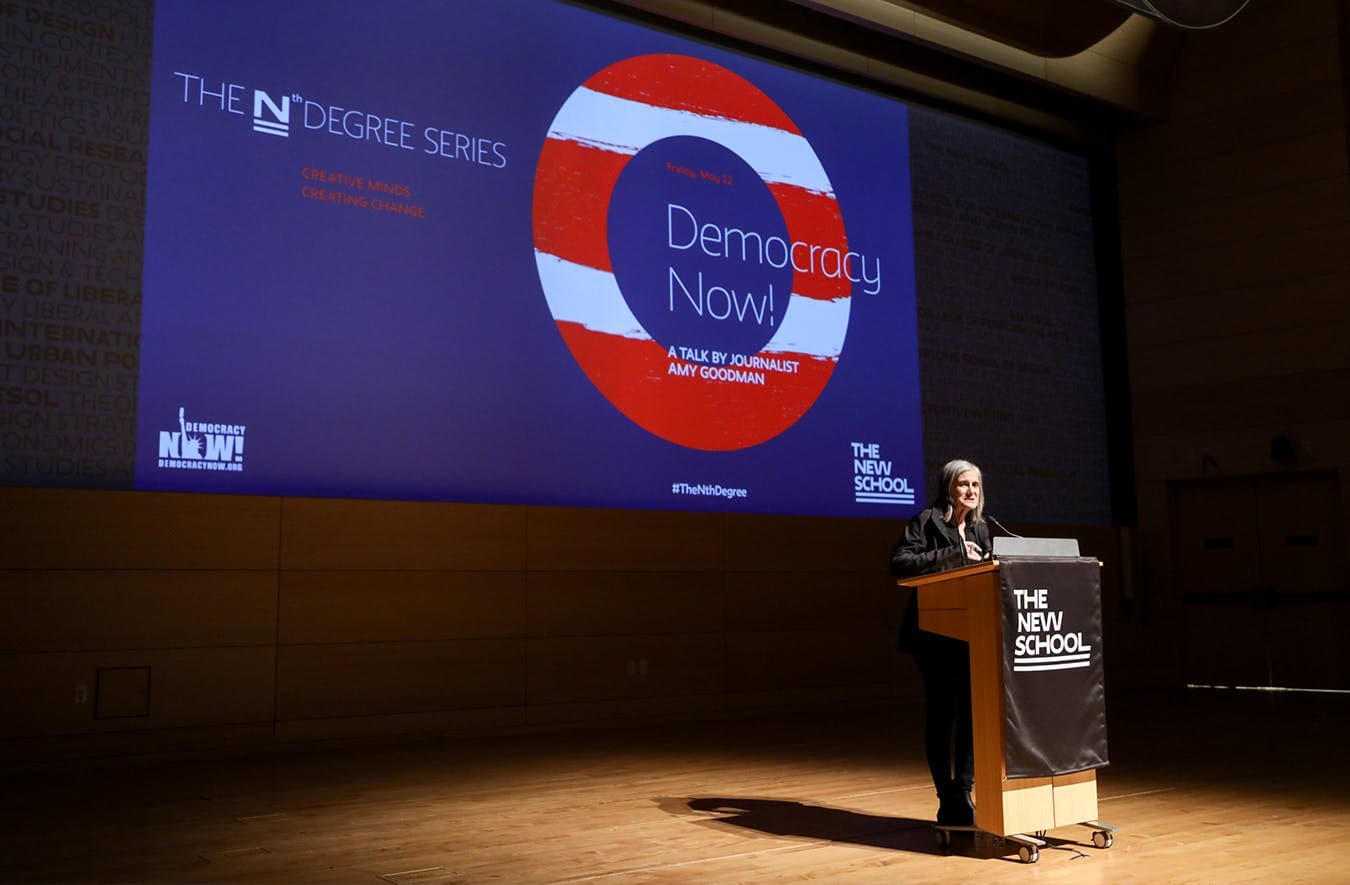
The New School is a place where education has always been interwoven with public life. Since our founding, our university has served as a meeting place where influential people and ideas intersect, where issues are debated the moment they surface, and where leaders break new ground on a diverse set of topics.
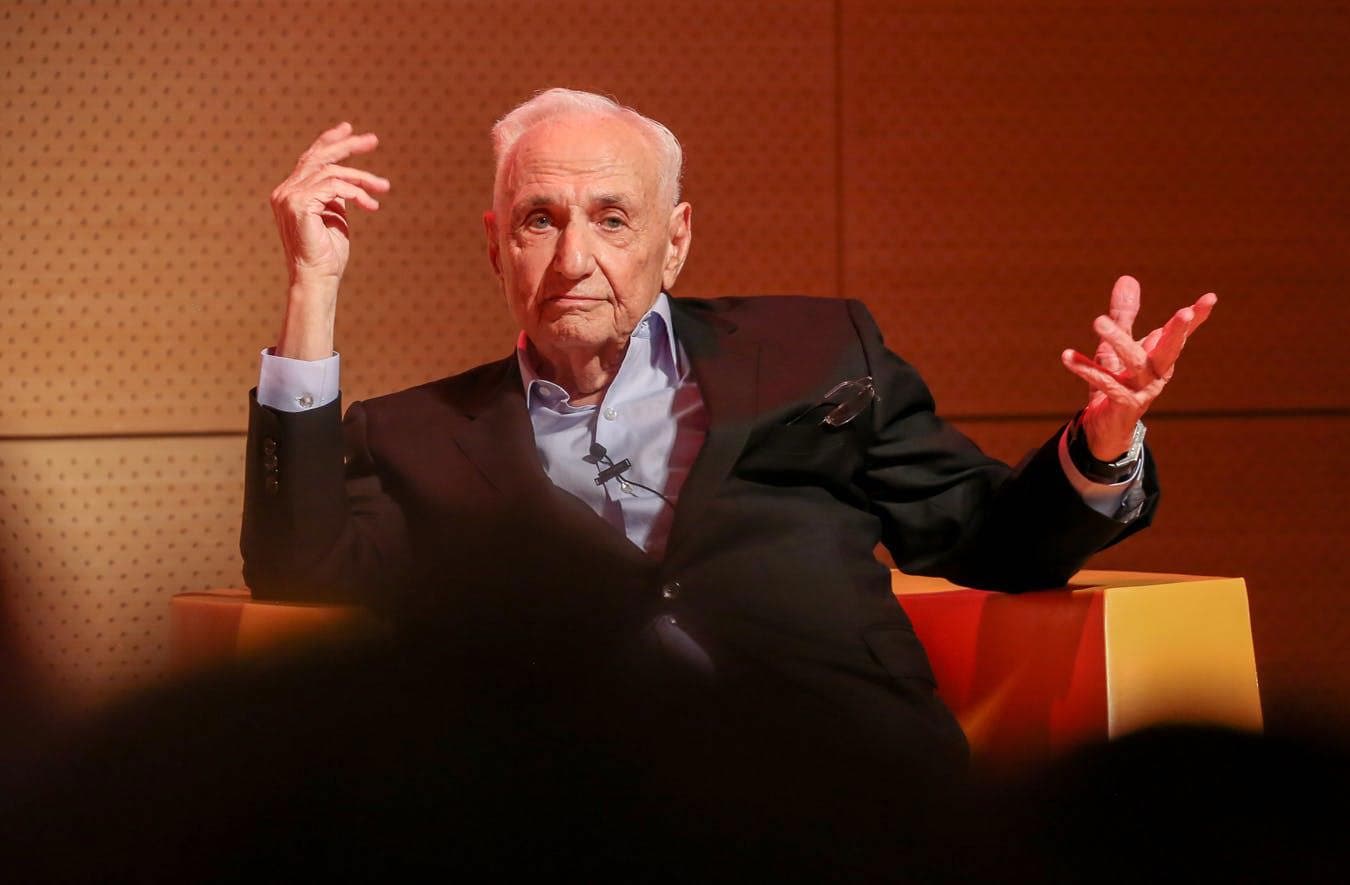
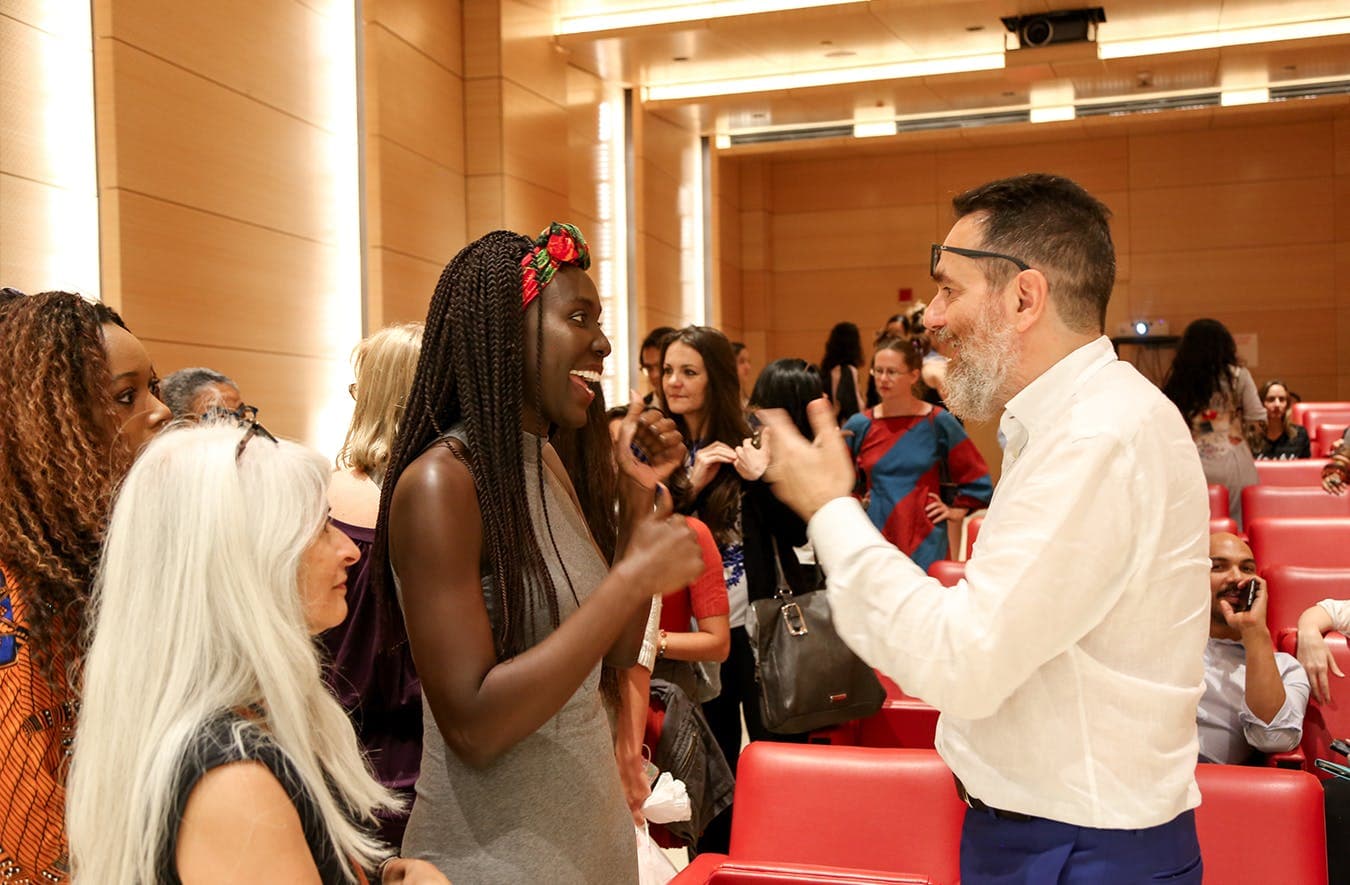
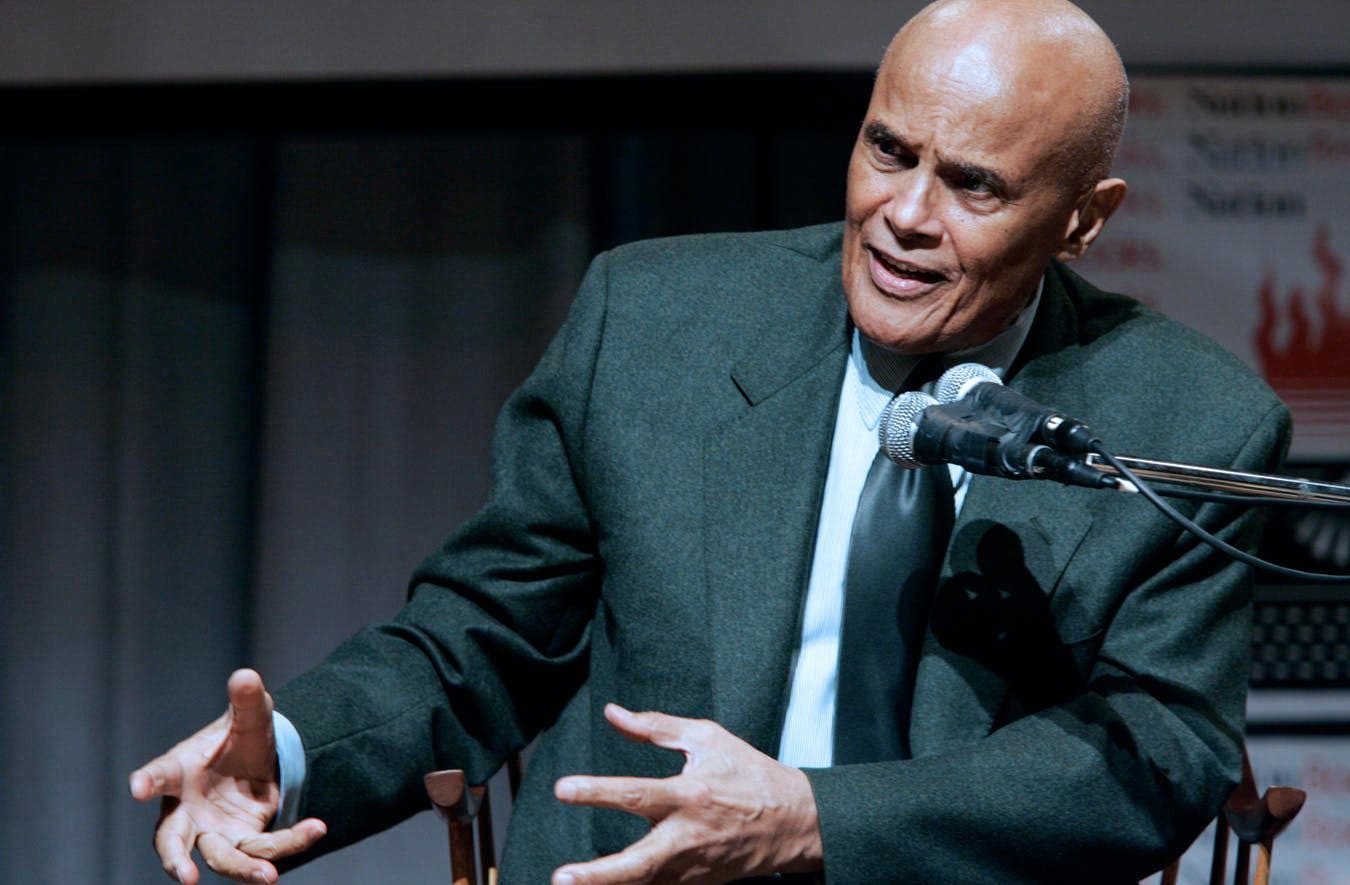
Each year, The New School hosts more than 1,000 public events with some of the most famous and engaged people, organizations, and institutions around the world. These events range from interviews to readings, performances to screenings, connecting what students learn in the classroom with what’s happening in the world.
New School public programs and events, both in person and online, offer viewers a chance to ask questions, discover new ideas, make connections, and find a community of people ready to engage. Unmatched in quality and quantity, public programs are a hallmark of the New School experience.
I saw a public program with Ian McKellen and Patrick Stewart my freshman year—it was great! I learned that you really have to be thoughtful about what you want to do as an artist."
—Rafah Mahmud, BFA Dramatic Arts, School of Drama
To learn about upcoming events, visit our Events Calendar or sign up for our monthly newsletters.
View past events on our YouTube channel.

The Stone at The New School serves as an artist-centric home and community for experimental and avant-garde artists, where they can perform what they want without any interference. With concerts every Wednesday through Saturday evening, The Stone at The New School continues the tradition of the landmark non-profit performance space founded in 2005 by Artistic Director John Zorn, within a greatly improved space.September 2026 will feature residencies by Erik Friedlander, Matt Mitchell, Sana Nagano, Sugar Vendil, and Peter Evans.
In the 2026 Blaney Lecture, “Poetry, Movies, and Identity,” poet, art critic, and writer John Yau considers the overlapping worlds of poetry and film and the relationship between the aesthetic and the ethical. Welcome remarks by Laura Cronk, Poetry Chair, Creative Writing Program. Boris Karloff played between 170 and 200 characters in a career that spanned five decades, including Frankenstein, Dr. Fu Manchu, the aging horror film star Byron Orlok, and the voice of the Grinch and narrator in the classic animated film How the Grinch Stole Christmas (1966). In his poem “Ave Maria,” Frank O’Hara characterized movies as “some glamorous country.” French New Wave director Jean-Luc Godard famously connected photography, cinema, and ideas of truth. Yet no Chinese actor ever played Dr. Fu Manchu, while Asian American actors frequently appeared in secondary roles.Drawing these histories together, Yau explores their collisions in poetry and film. What is the relationship between the aesthetic and the ethical? How can poets and artists connect the two without becoming didactic?About John YauJohn Yau is a poet, art critic, fiction writer, and publisher. He has published numerous books of poetry, most recently Diary of Small Discontents: New & Selected Poems, 1974–2024 (Omnidawn, 2025). His books of art criticism include The Passionate Spectator: Essays on Art and Poetry (University of Michigan Press, 2006). He has also published a novel and edited Fetish (Four Walls Eight Windows, 1998), an anthology of fiction.Yau is the recipient of numerous honors, including the Lavan Award from the Academy of American Poets and the Jackson Poetry Prize, as well as fellowships from the National Endowment for the Arts and the Ingram-Merrill Foundation and grants from the John Simon Guggenheim Memorial Foundation.Yau has taught and served as a visiting writer and critic at institutions including Pratt Institute, the Maryland Institute College of Art, the School of Visual Arts, Brown University, and the University of California, Berkeley. From 2006 to 2011, he was the arts editor of The Brooklyn Rail. He founded the nonprofit press Black Square Editions and cofounded the online magazine Hyperallergic. Yau is professor emeritus at Rutgers University and lives in Beacon, New York.The Academy of American Poets' programs are made possible in part by the New York City Department of Cultural Affairs and the New York State Council on the Arts, with the support of the Office of the Governor and the New York State Legislature.
Please join us for a seminar with Basel Abbas and Ruanne Abou-Rahme. Basel Abbas and Ruanne Abou-Rahme work together across sound, image, text, installation and performance. Their practice is engaged in the intersections between performativity, political imaginaries, the body, and virtuality. They probe a contemporary landscape marked by seemingly perpetual crisis and an endless “present,” one that is shaped by a politics of desire and disaster. In their projects, they find themselves excavating, activating and inventing incidental narratives, figures, gestures, and sites as material for re-imagining the possibilities of the present. Their work often reflects on ideas of non-linearity in the form of returns, amnesia and deja vu, and in the process unfolds the slippages between actuality and projection (virtuality, myth, wish), what is and what could be. Largely, their approach has been one of sampling materials both existing and self-authored in the form of sound, image, text, and objects, and recasting them into altogether new “scripts.” The result is a practice that investigates the political, visceral, material possibilities of sound, image, text, and site, taking on the form of multi-media installations and live sound/image performances. GIDEST seminars are devoted to discussion of pre-circulated materials. The materials for this event can be found here on the GIDEST site for attendees to read in advance. This event is part of the bi-weekly GIDEST Seminars presented by the Graduate Institute for Design, Ethnography & Social Thought.
This seminar will explore the clinical legacy of Sándor Ferenczi through readings of his work and the work of others who followed in the spirit of his findings on trauma, dissociation, mutuality, the uses of countertransference, and the intersubjective approach and sensibility. In addition to considering these theoretical currents through the readings, we will explore clinical moments offered for exploration in the seminar from an interpersonal, relational, and intersubjective perspective that have been profoundly influenced by his work. Readings will include work by Ferenczi, Balint, E. Severn, Harris, Mitchell, Bromberg, Stern, Ghent, Aron, Bass, Black, Davies, Benjamin, Frankel, Groddeck, and many others. We will consider Ferenczi and others' many contributions to the development of relational psychoanalytic theory and technique, in the light of challenging clinical moments that seminar members and the seminar leader will present. This seminar is an extension of a previous seminar, “Reading the Clinical Diary and Other Works,” at the Sándor Ferenczi Center. New members of the group are welcome, with the understanding that those who join should be familiar with The Clinical Diary of Sándor Ferenczi and his groundbreaking paper, “The Confusion of Tongues Between Adults and the Child – The Language of Tenderness and of Passion,” as points of departure for our clinical and theoretical discussions. CE Credits (16.5 hours) available New York Psychologists, Psychoanalysts, Social Workers, and MHCs; APA CE credits also available for Psychologists Participants must attend all 10 seminar meetings in their entirety to receive CE credits. This is a strict rule from the APA/NYS Office of Professions. No exceptions can be made and attendance will be taken. Meetings will take place from 3:00 to 4:40 PM Eastern Time on the following Fridays: September 18, 2026October 16, 2026November 20, 2026December 18, 2026January 15, 2027February 12, 2027March 12, 2027April 16, 2027May 14, 2027June 11, 2027***Learning ObjectivesAt the end of the workshop, participants will be able to: 1. List the ways in which Ferenczi’s late work has exercised a central role in the development of relational and intersubjective theory and technique of psychoanalysis.2. Identify Ferenczi’s influence on contemporary views of dissociation and multiplicity.3. Describe how Ferenczi’s work contributed to an understanding of the therapeutic relationship from a relational point of view.4. Discuss the impact of Ferenczi’s work on our understanding of unconscious communication and its relevance to psychoanalytic technique.5. Describe how Ferenczi’s work contributed to our understanding of the role of self-disclosure in psychoanalytic technique.6. Compare differences between self-disclosure, self-revelation and state sharing in psychoanalytic therapy, and the different uses of them in the clinical encounter.7. Explain why state-sharing is useful in a dissociative model of the mind.8. Describe the ways in which aspects of Ferenczi’s findings regarding mutual analysis are relevant to contemporary applications of intersubjectivity theories.9. Explain the ways in which Bromberg’s self state theory and multiple self state model is used clinically in contemporary work.10. Assess the ways in which enactment can be used therapeutically in relational analytic work.11. Explain the meaning of Balint’s concept of the “basic fault” and its relevance to clinical practice.12. Describe what Ferenczi meant by a dialogue of unconsciouses and its relevance to the “uncanny.”13. Describe the difference between “submission” and “surrender” in Ghent’s work on Masochism.14. Explain the difference between implicit and expressive uses of countertransference in Bollas’ work.*** CostGeneral Admission: $840New School alumni & current institute candidates: $575Current New School students: Free. Limited tickets available. Email NSSRFerencziCenter@gmail.com with your student N# to reserve a spot. Note: Ticket sales will end on September 17, 2026 at 3:00 PM ET Registered attendees will receive the Zoom link via email.

Join the Planetary Guardians for the release of the 2026 Planetary Health Check, the most comprehensive science-based initiative on the state of our planet. This event has an urgent purpose: to translate complex Earth-system science into tangible, meaningful insights that inspire audiences to act. The event aims to show that systemic change across government, policy, business, and finance is possible and underway. The Planetary Guardians presenting at this event include: Sir Richard Branson,Johan Rockström, Lead scientist of the Planetary Boundaries framework; Juan Manuel Santos, Nobel Peace Prize laureate and former Colombian President; Mary Robinson, Former Irish President and UN High Commissioner for Human Rights; Paul Polman, Former Unilever CEO; Sylvia Earle, Oceanographer; Hindou Oumarou Ibrahim, Member of the UN Permanent Forum for Indigenous Issues; Christiana Figueres, Executive Secretary, UN Framework Convention on Climate Change, and musician Jackson Browne. The launch will be followed by reception at UC Events Cafe.Limited seats have been reserved only for New School students, faculty and staff. RSVP now.

Join MediaJustice and The Solutions Project, in collaboration with the Tishman Environment and Design Center at The New School, for this critical conversation during Climate Week NYC.As Big Tech rapidly expands generative AI, what impact is it having on social infrastructure, the working class, our climate, and the survival of democracy?How can philanthropy and investors support offensive organizing to disrupt “tech determinism” and advance more vibrant and sustainable futures?What strategies can help communities in New York, Alabama, Michigan, and across the country remain in the decision-making seat as they confront the false promise of unchecked AI development at all costs?Let’s talk about it with Canadian tech critic and host of the acclaimed Tech Won’t Save Us podcast, Paris Marx—author of Hyperscale: The Ambition and Excess of Big Tech’s Data Empires—joins multisector leaders Andrea Pierce of Michigan Environmental Justice Coalition (MEJC), Jilisa Milton of Greater-Birmingham Alliance to Stop Pollution (GASP), Ryan Madden of NY Renews, Steven Renderos of MediaJustice, and Clare Winterton of The Solutions Project.Given the venue’s limited capacity, registering for this event is required. Thank you. Learn more about event speakers below.
The New School admits students of any race, color, national and ethnic origin to all the rights, privileges, programs, and activities generally accorded or made available to students at the school. It does not discriminate on the basis of race, color, national and ethnic origin in administration of its educational policies, admissions policies, scholarship and loan programs, and athletic and other school-administered programs.