Iesha Coppin
A Duality of Identity: Capturing Caribbean Womanhood Image, Ideals, and Influence through Black Beauty, 1960–1970s
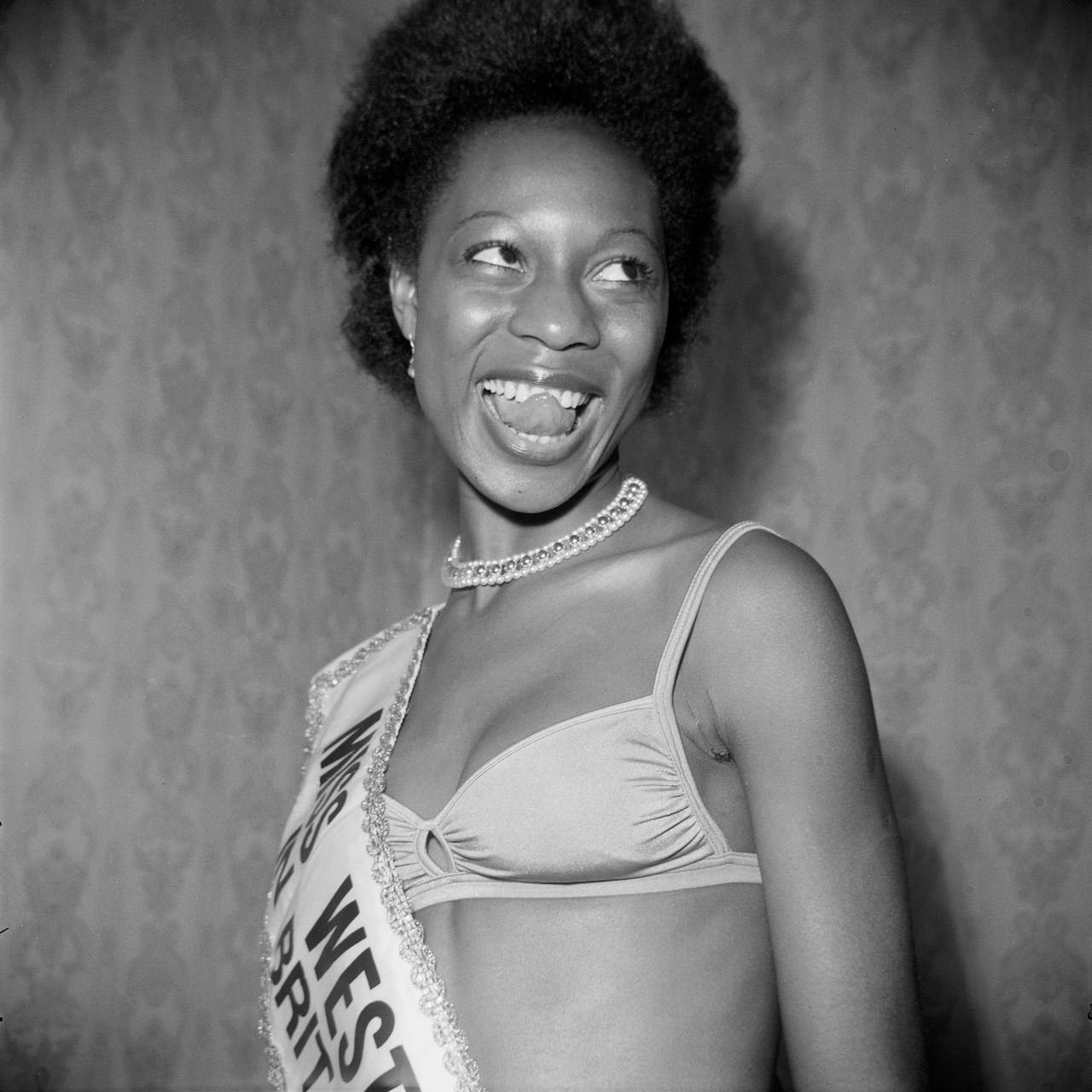
On November 20, 1970, 22 million people tuned in to BBC Television as 22-year-old Jennifer Hosten (Miss Grenada) became the first Afro-Caribbean to be crowned Miss World, a feat that challenged societal constructs of beauty for years to come. In my thesis, I set out to demonstrate how Black beauty pageants in 1970s Great Britain reimagined the mediatization, portrayal, and politics of Black beauty and Caribbean womanhood. Further exploration challenged the problematic prevalent perception of earlier beauty pageants within the Anglophone Caribbean by celebrating the global "Black is Beautiful" aesthetic of the 1970s, using Black photography as a vehicle of expression and representation. The photographs documenting these competitions act as psychosocial barometers of historical moments. These moments indicate layered meanings related to ideas of beauty and the Western gaze, reflected through a narrative of race, class, gender, power, and style. As a representation of their time, Black beauty pageants reveal the complexities, cultural ambiguity, and acceptance of a race in the beauty industry's distorted landscape. Images courtesy of Autograph ABP London. All rights reserved.
Iesha Coppin
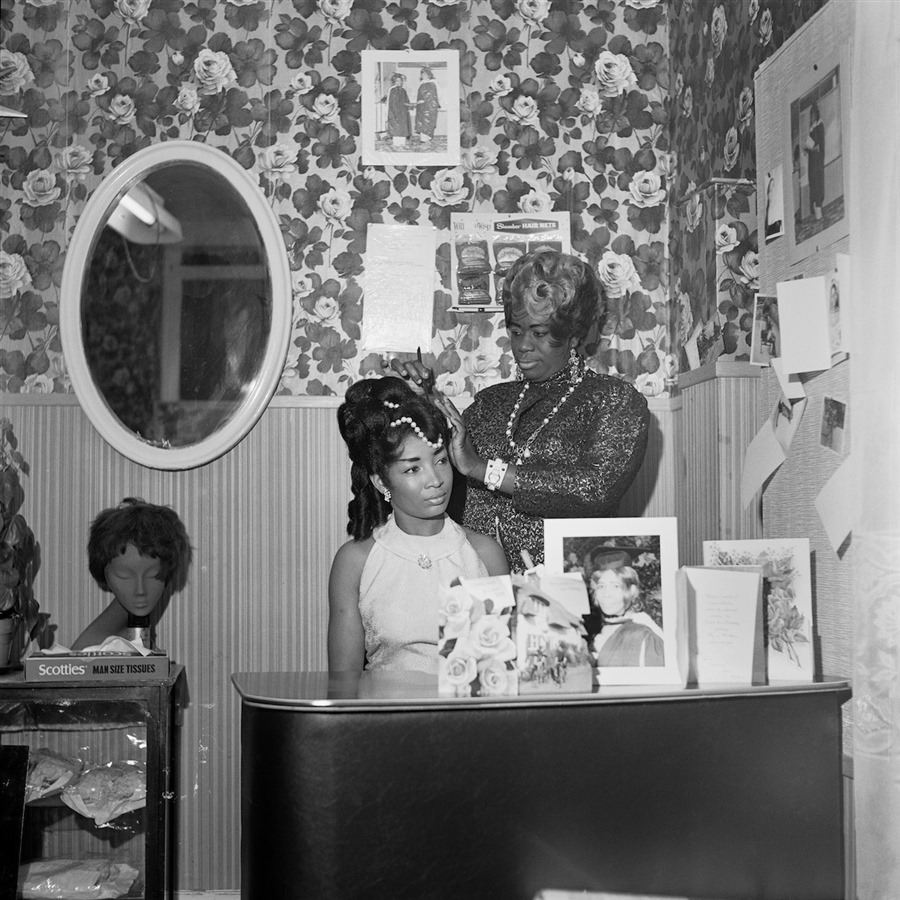
Beauty Salon, London, c.1960s. From the portfolio ‘Black Beauty Pageants’. © Raphael Albert, courtesy Autograph ABP
Iesha Coppin
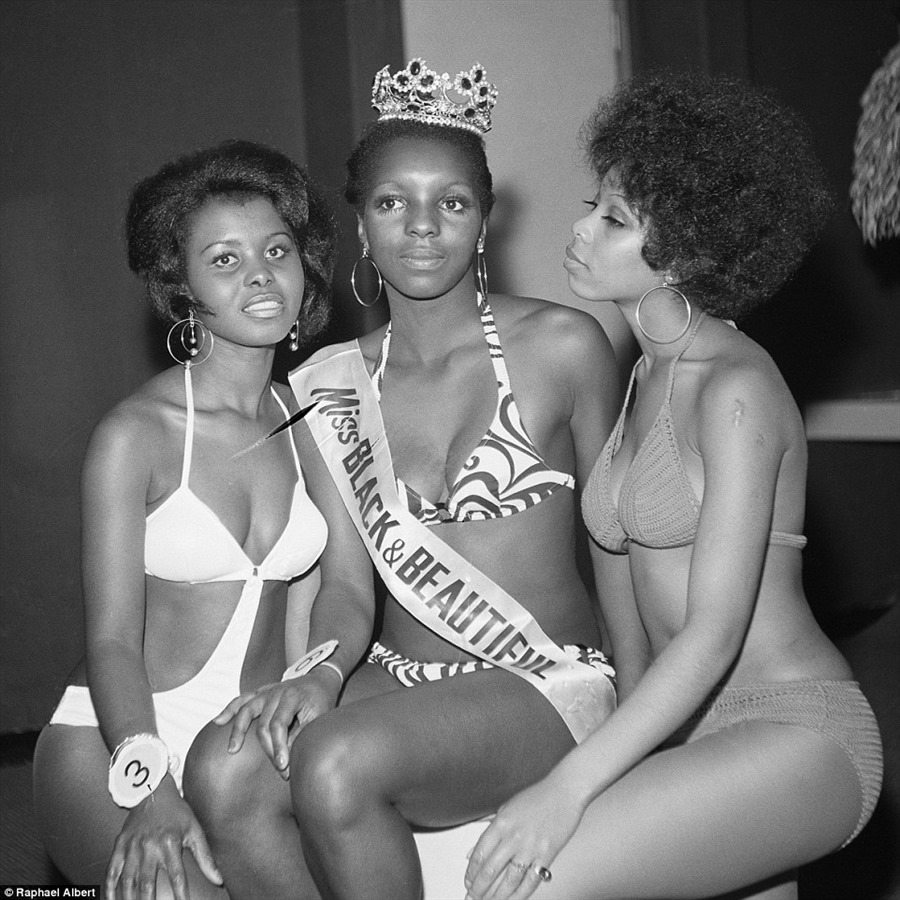
Miss Black & Beautiful with fellow contestants in London at the Hammersmith Palais in the 1970s
Iesha Coppin
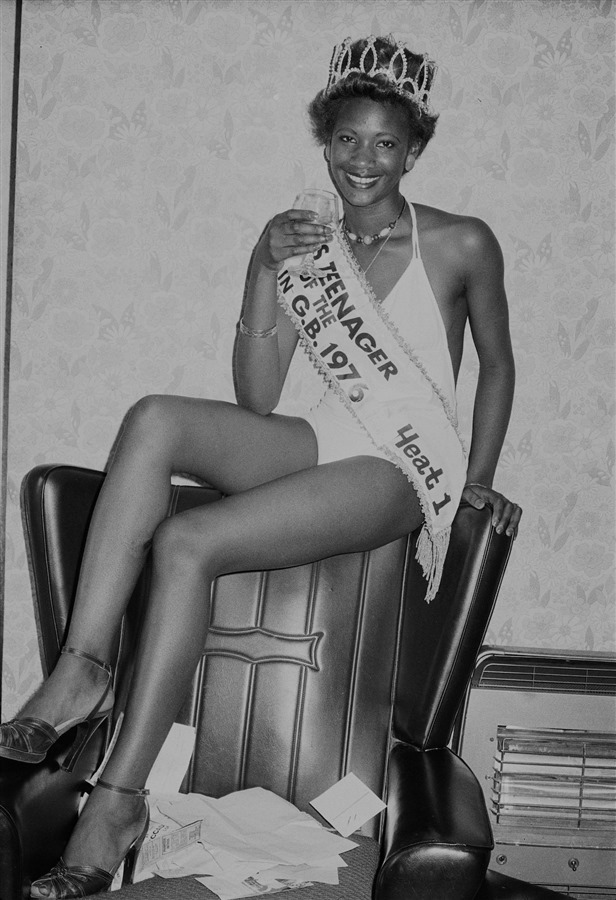
Winner Black Teenager in G.B, 1976
Iesha Coppin
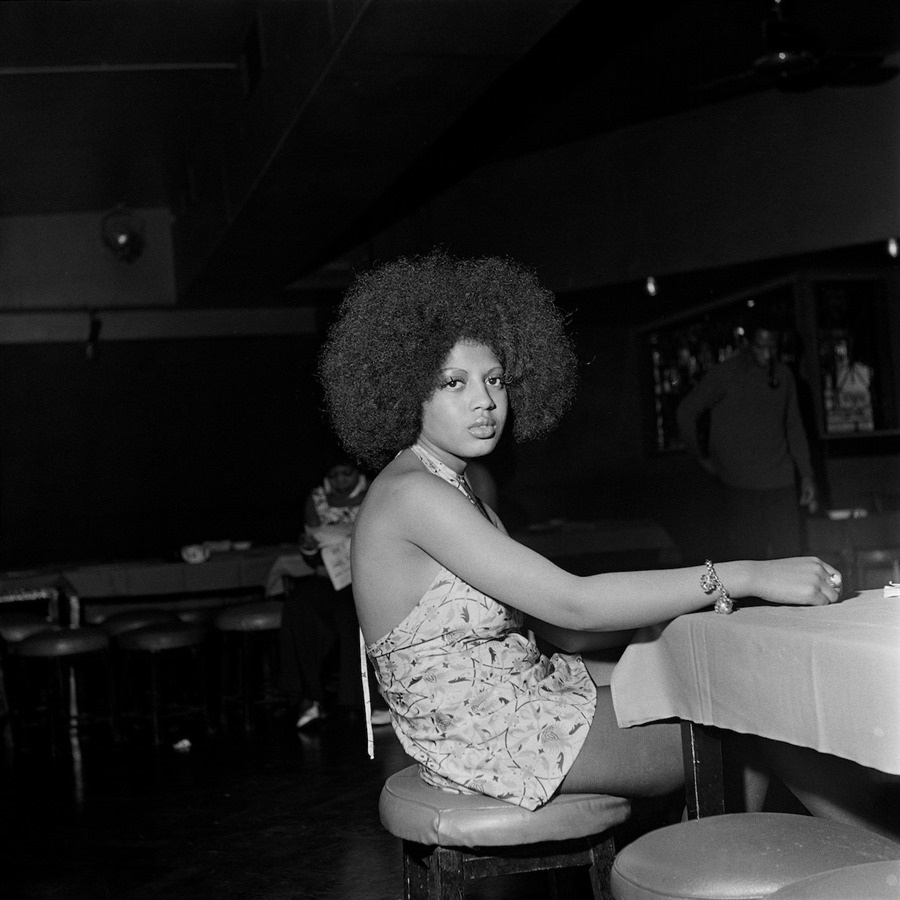
Woman waiting in dancehall, London, 1970s. From the portfolio ‘Black Beauty Pageants’. © Raphael Albert, courtesy Autograph ABP
Iesha Coppin
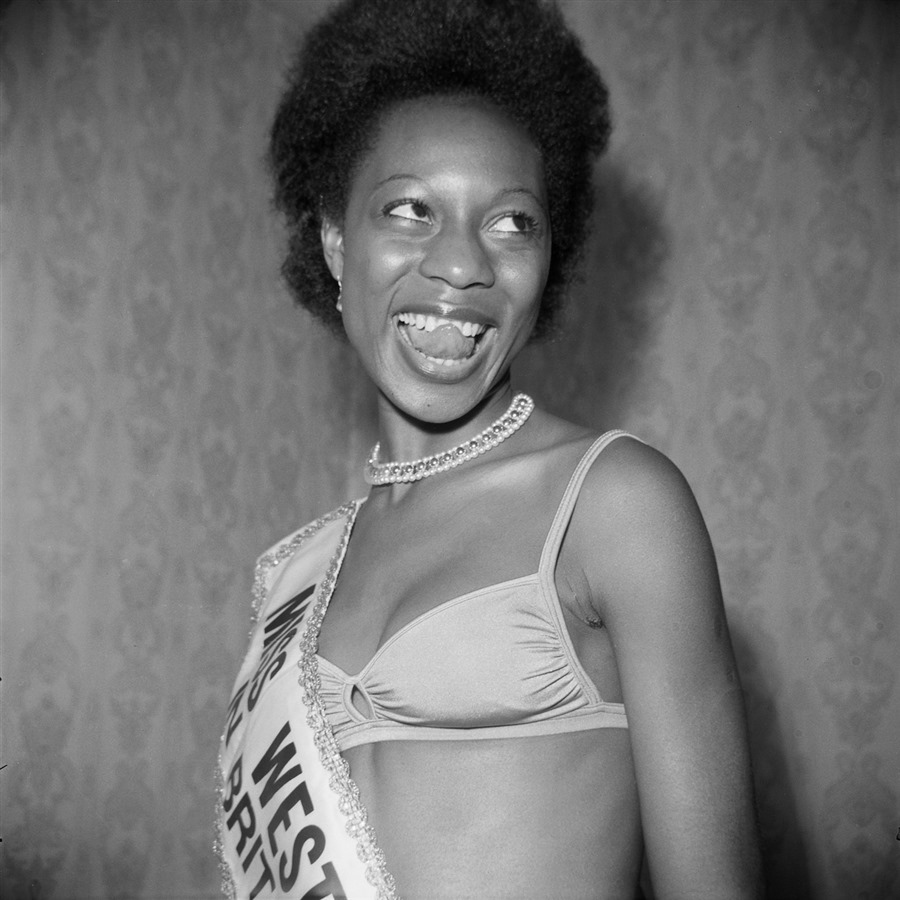
Miss West Indies in Great Britain