Elizabeth Sanders: Interpreting Design in Real TIme

Elizabeth Sanders began the MA History of Design and Curatorial Studies program in 2019, when planning for the exhibition Design and Healing: Creative Responses to Epidemics at Cooper Hewitt, Smithsonian Design Museum, was underway. Part of a curatorial fellowship her program maintains with the museum, the project was a dream come true for Sanders.
Then COVID-19 hit.
The Cooper Hewitt team, headed by celebrated designer and curator Ellen Lupton, emergency physician Bon Ku, and the MASS Design Group, switched gears as the world was upended. Sanders began collaborating with the curatorial team over Zoom.
“I love sinking my teeth into a topic,” says Sanders, “and the pandemic offered design researchers a rich field to explore.” Curators looked at the design of real-time data and objects related to the virus—everything from face masks and protective headgear to a 3D printed valve that turns a scuba mask into a ventilator. The exhibition also addressed epidemics throughout history and the innovations they spawned.
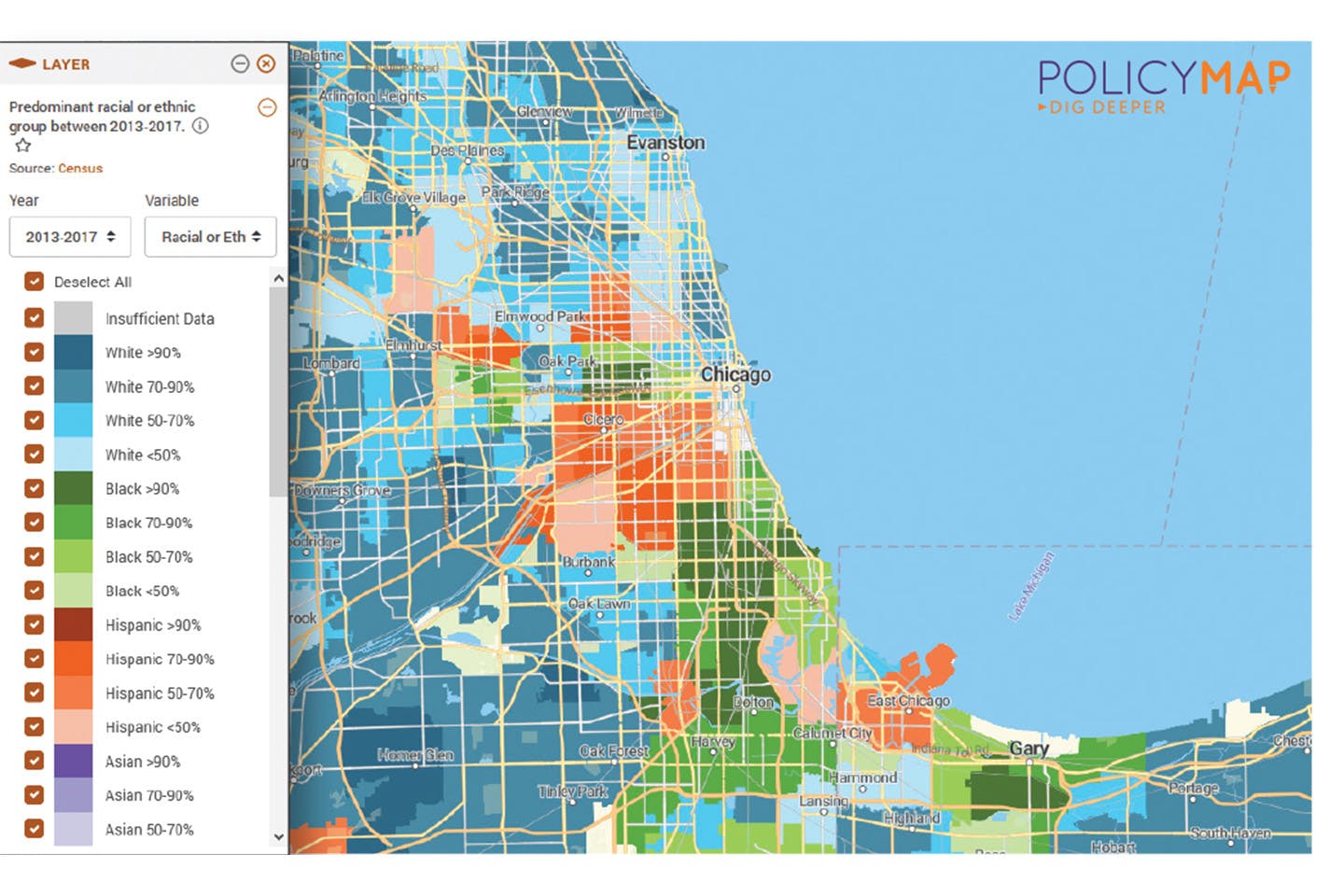
Sanders’ contribution centered on an exhibition section titled “Visualizing the Pandemic,” which focused on social inequality. Especially compelling was her work with the New York Times team creating data visualizations to convey the unfolding effects of COVID-19 on the city. Sanders continued her research for a thesis on COVID’s impact on Toronto housing and the emergence of encampments.
In December 2021, Design and Healing: Creative Responses to Epidemics opened at the Cooper Hewitt, and Sanders was there. “When I finally got to see the exhibition in person, it was transformational,” she says.