Erik Livingston
Cannibal Colonialism: Nineteenth Century Visual Culture and the End of the American Frontier
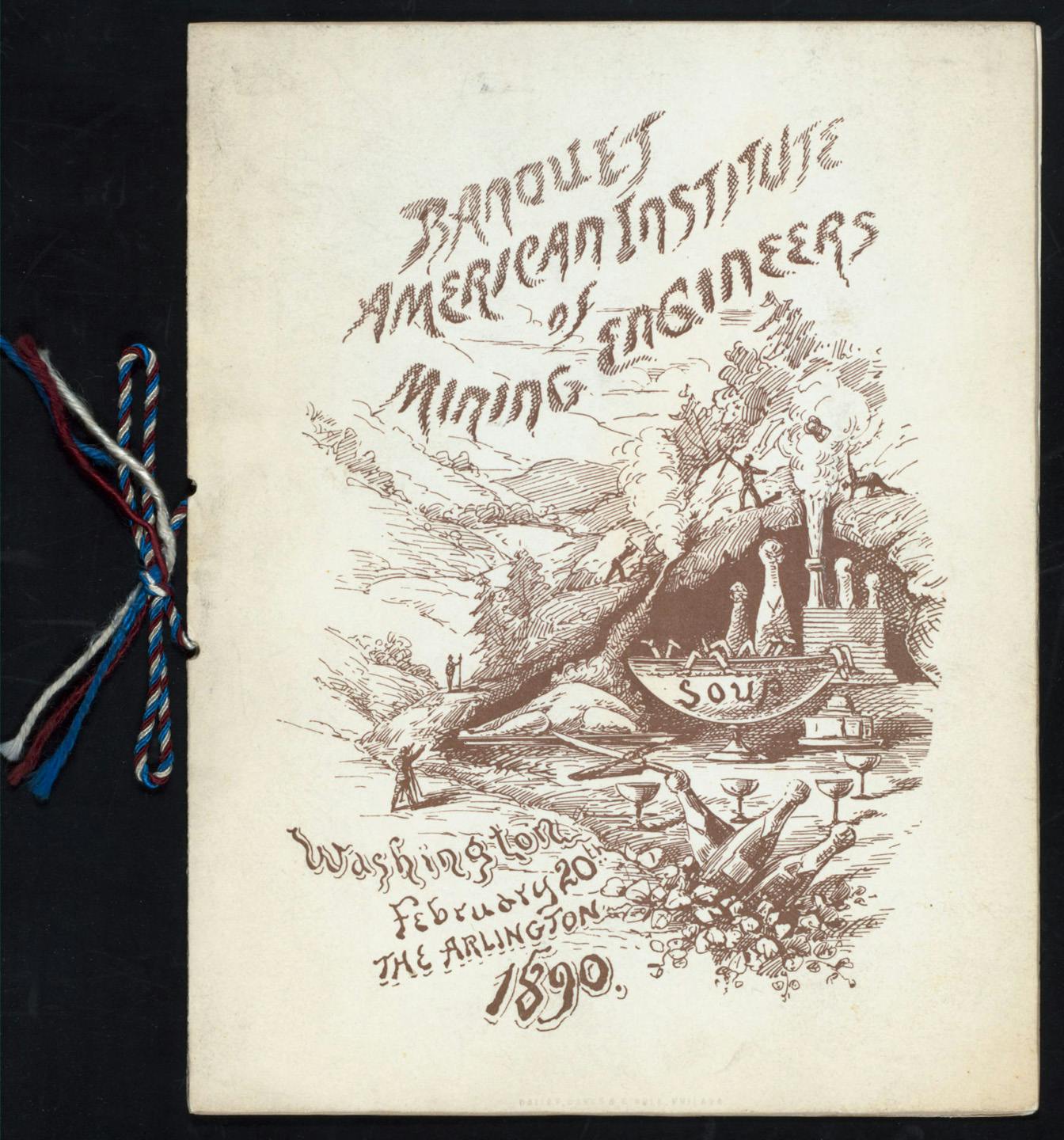
My thesis focuses on the dwindling presence and official closure of the American frontier, and how its eventual end affected art and visual culture of the 19th century. With my project, I propose that the frontier is the single most important myth of American identity and ask: What happens when that point of reference disappears? Once the continent has been conquered and no unclaimed land remains, what happens to the colonizing impulse?
My study asserts that the U.S. frontier was continuously refashioned to create a sense of perpetual expansion in order to sustain American coloniality. To examine the methods used to enact this process of refashioning, I focus on an understudied aspect of visual culture existing at the intersection of industrial innovation and literal consumption: menus. With my research, I aim to address a lacuna in current scholarship on American ephemera while investigating the literal expressions of individuals and power systems eating something or someone.
This thesis project contains copyrighted material, the use of which has not been specifically authorized by the copyright owner. I have determined this to be "fair use" of the copyrighted material as referenced and provided for in section 107 of the US Copyright Law. If you wish to use any copyrighted material from this document for purposes of your own that go beyond fair use, you must obtain express permission from the copyright owner.