Kayla O'Daniel
Advocating for Design Ethics in Global Material Sourcing
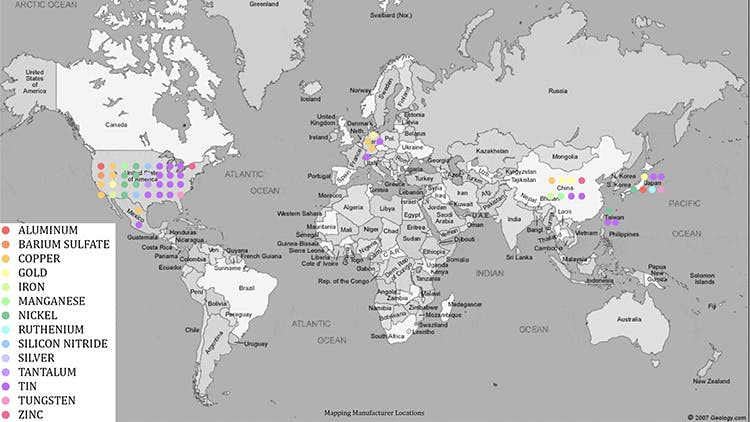
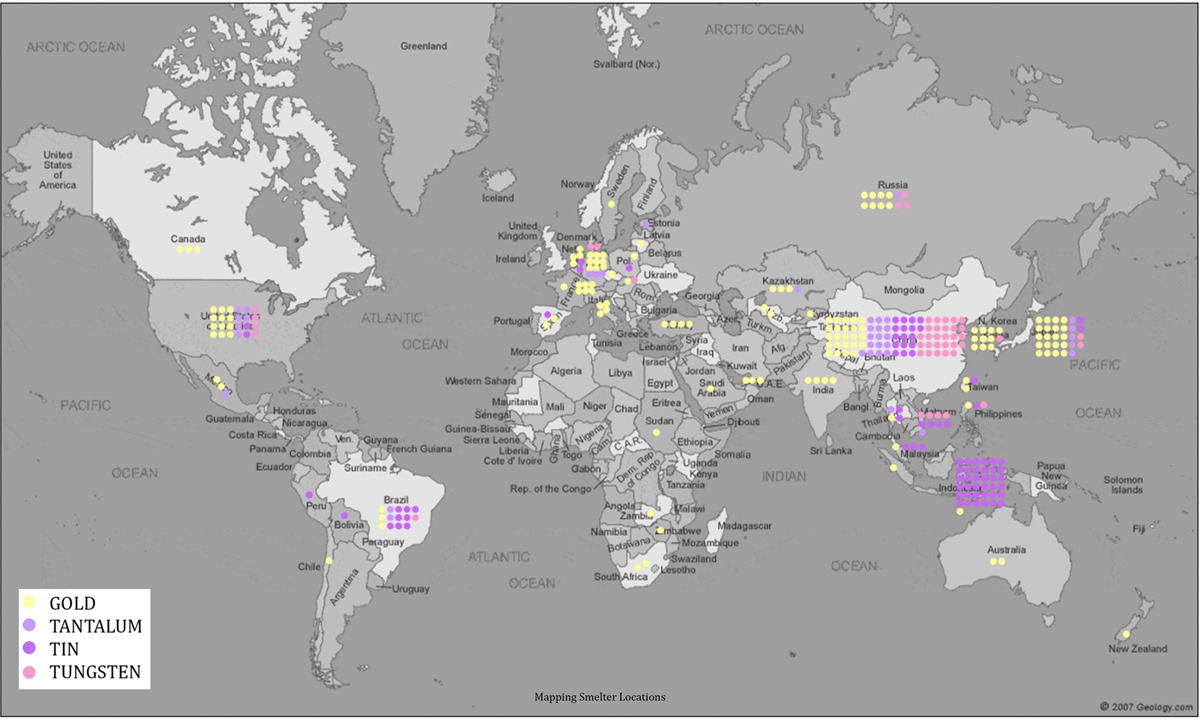
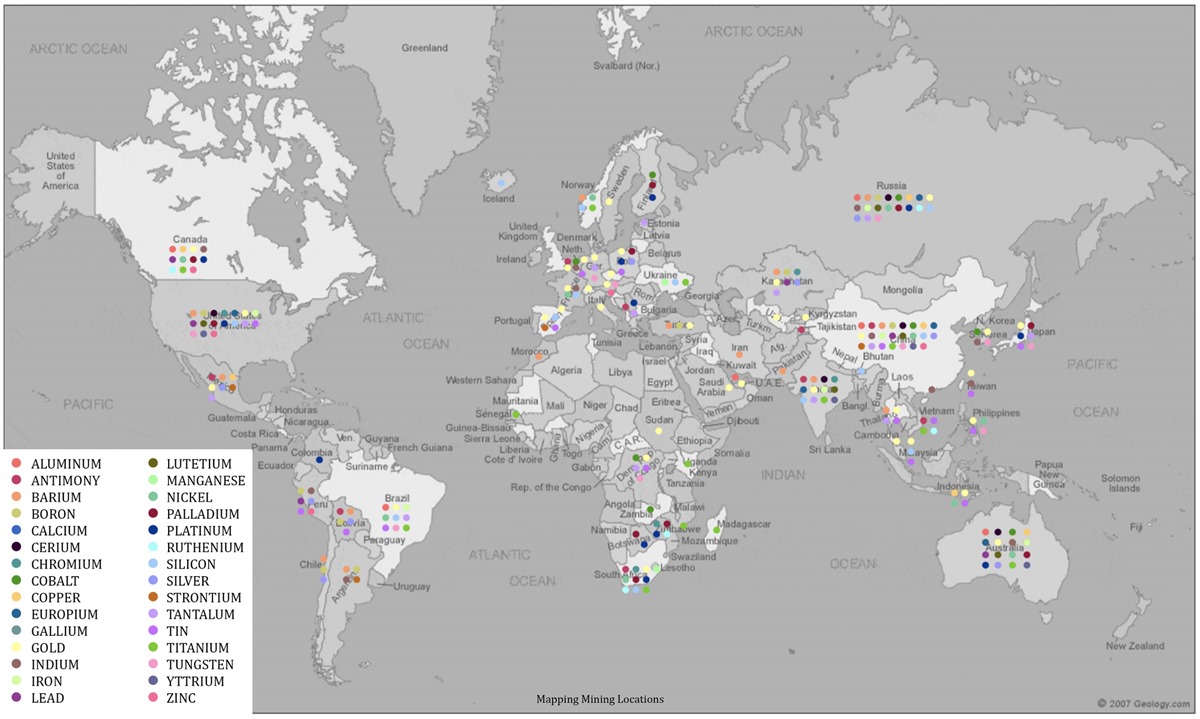
The sourcing of gold, tungsten, tantalum, and tin has brought inquiries into questionable labor practices and human rights violations. Known as conflict minerals, these materials have gained significant attention over the past ten years for their connection to the conflict-torn Democratic Republic of Congo (DRC). In 2010, the United States government passed the Dodd-Frank Wall Street Reform and Consumer Protection Act, Section 1502. While the legislation only drew focus to the four minerals listed above sourced from a very specific part of the world, it does suggest greater issues of ethics related to the sourcing and production of materials. This thesis will use the discussion of conflict minerals as a way to explore larger questions of design and material ethics, with a focus on designers' role in material selection and sourcing, as well as the difficulties designers face in exercising this responsibility under capitalism. Designers need to be aware of the effects of materiality on larger social systems. In framing design in a capitalist system, while recognizing the political and social constructs that dictate the designer's role within the production of material goods, I use ethnographic methods to understand material sourcing as an ethical consideration in production in both the jewelry and the lighting industries. Through the exploration of material sourcing, this thesis will map a systemic practice of ethics and material production and frame a need for a shift in design education in regard to material sourcing.
See more on issuu
.
Kayla O_Daniel
Advocating for Design Ethics in Global Material Sourcing
Kayla O_Daniel
Advocating for Design Ethics in Global Material Sourcing
Kayla O_Daniel
Advocating for Design Ethics in Global Material Sourcing