Caroline Schurz
Year of Deconstruction: Imagining Communal Rituals of Demolition
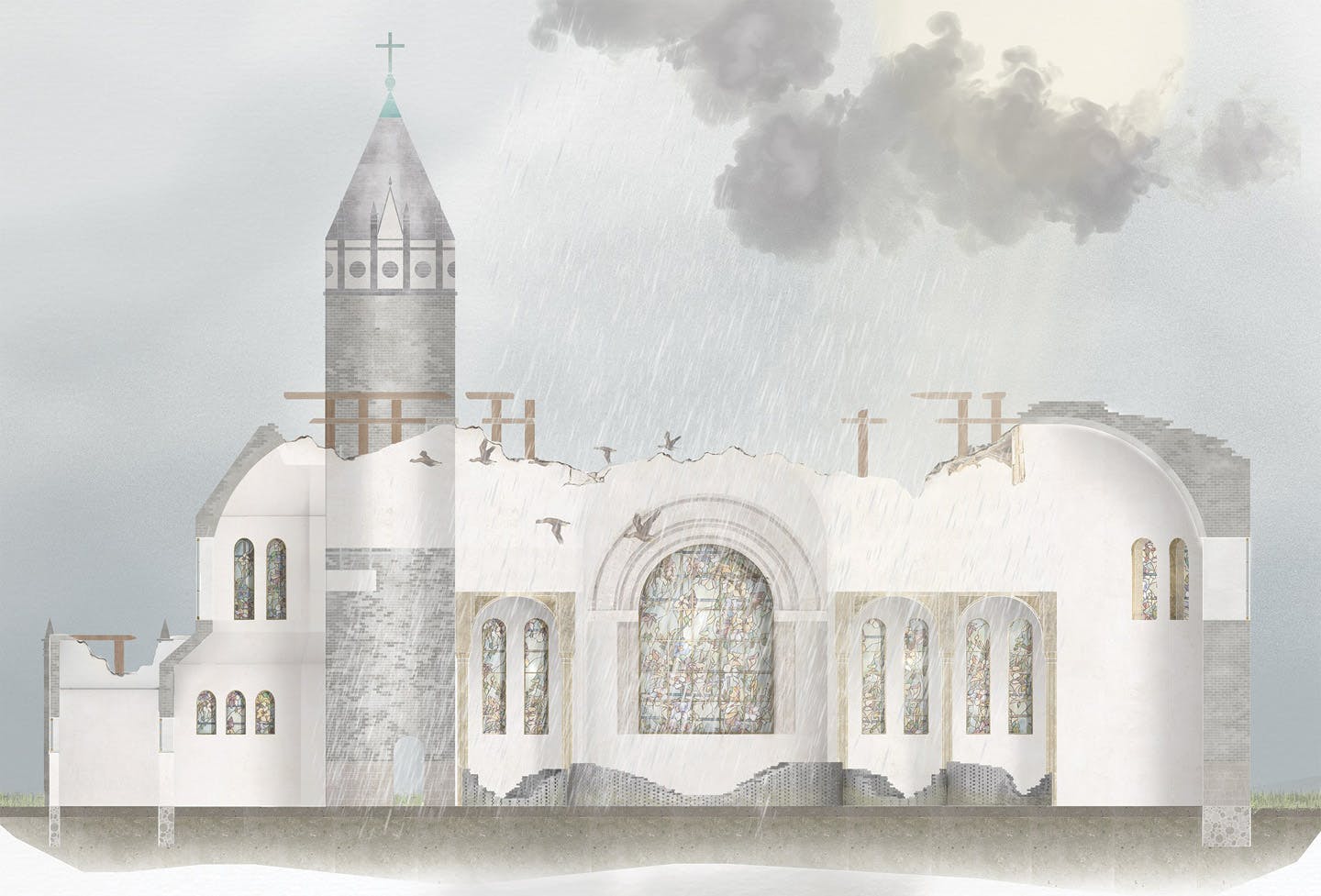
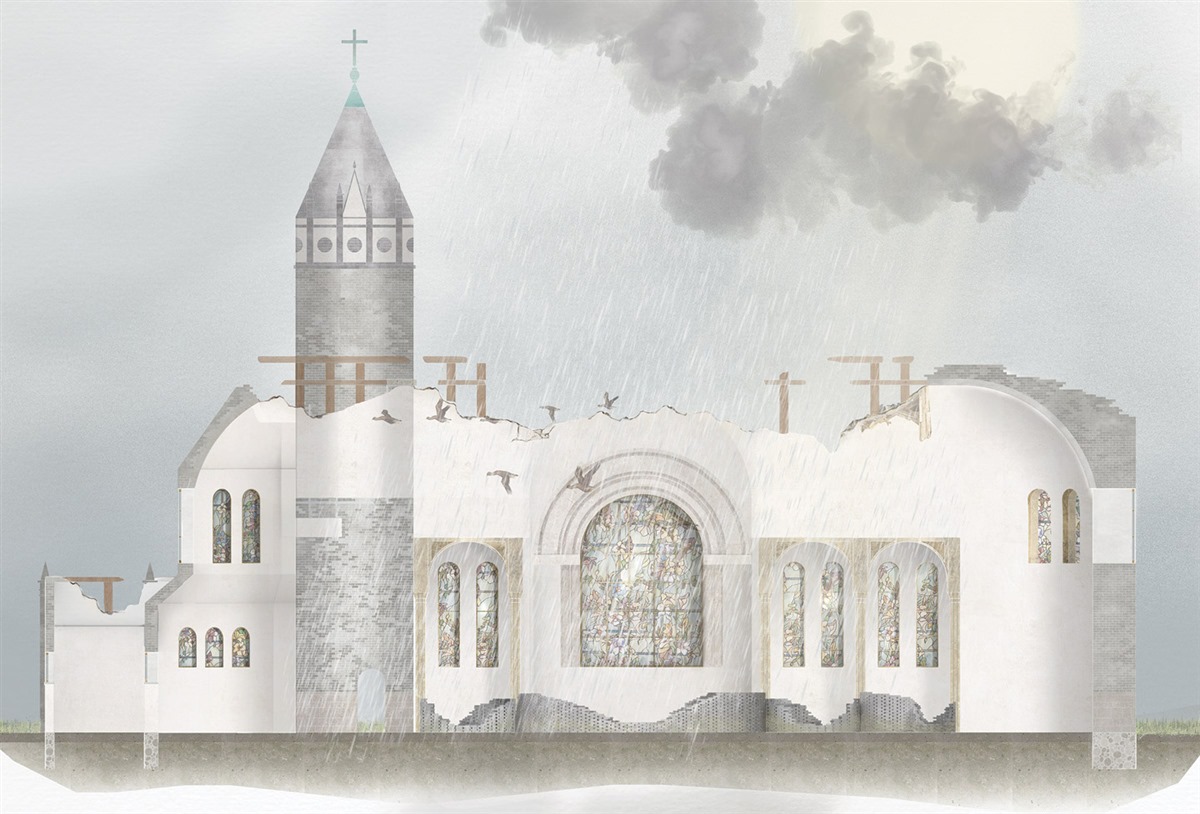
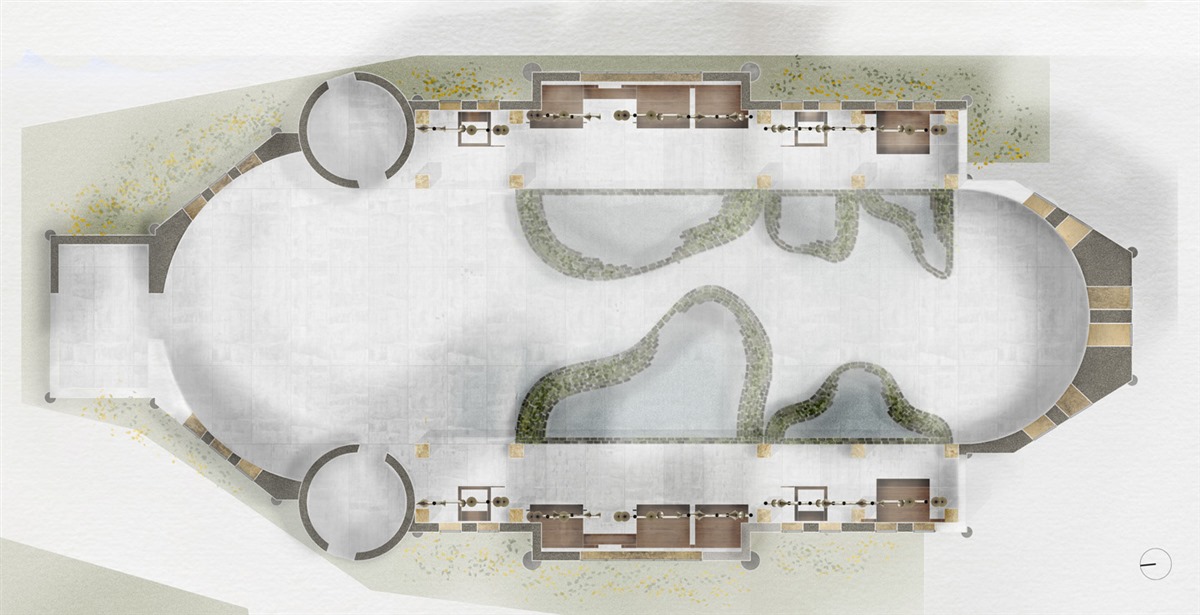
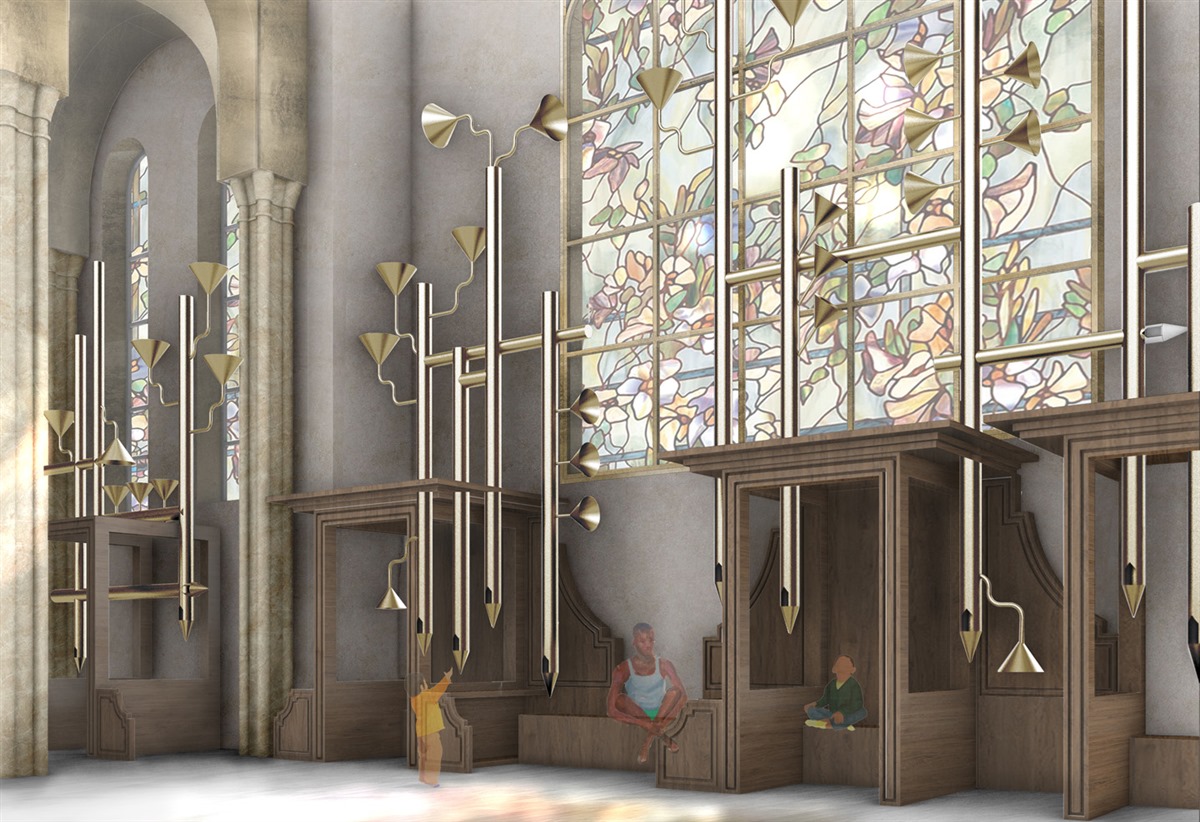
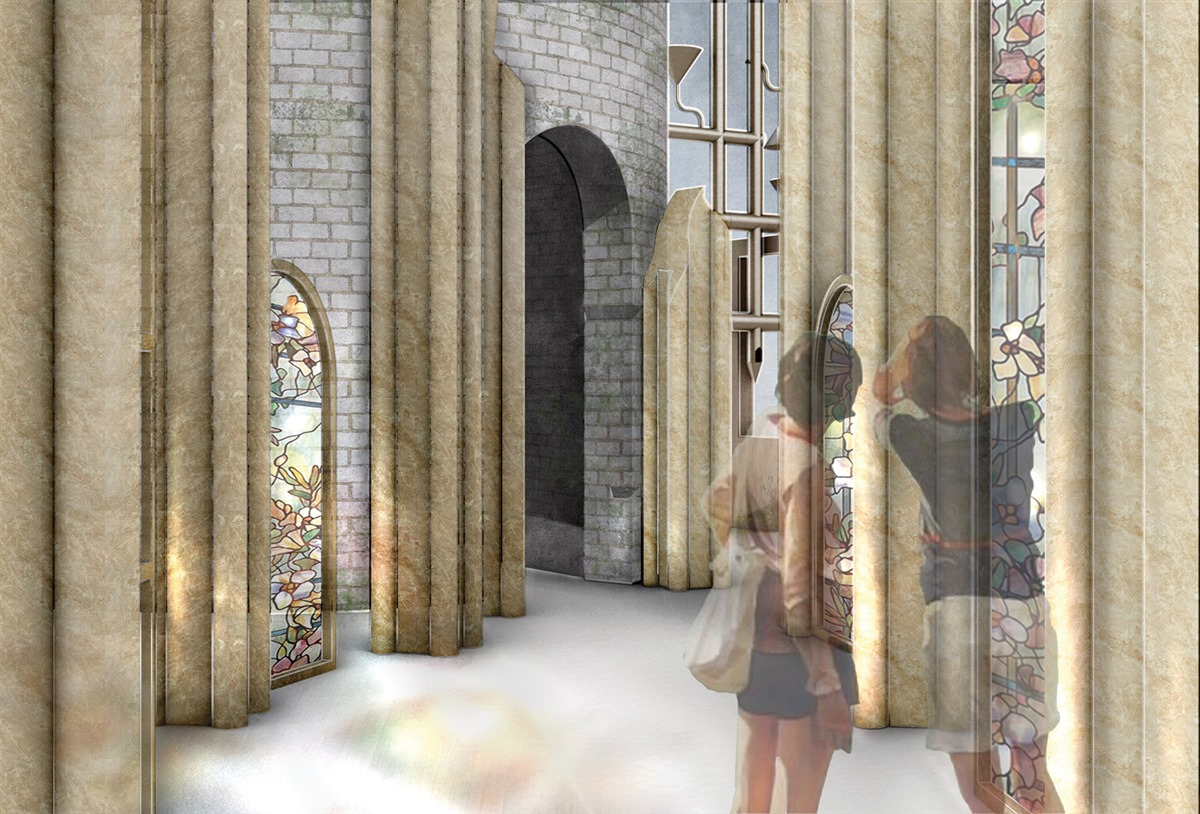
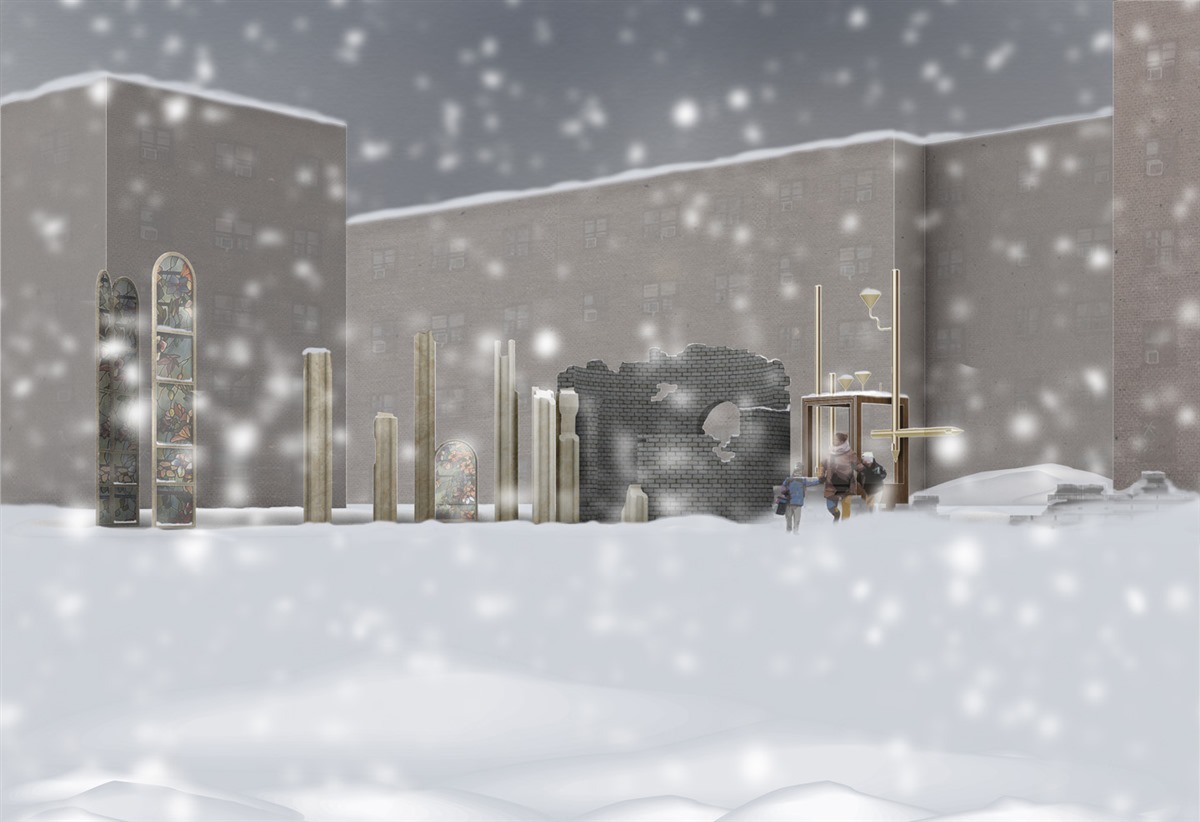
Many historic holy buildings that were once vibrant fixtures in communities now stand vacant and susceptible to demolition, as nightclub or apartment conversion plans threaten to erase part of neighborhoods' shared cultural and architectural heritage. Buildings lacking protection and landmark status face the threat of destruction. One such building is the Church of Saint Michael-Saint Edward, the focus of this thesis project. In the project, I explore the process of slow, methodical deconstruction over the course of one year as a way to facilitate community gathering and collective ritual. I examine what happens when a space gradually erodes, crumbles, is distorted, and becomes something wholly different. I ask: How might reimagining and recontextualizing rituals promote group agency and connectivity? For the project I used ethnographic methodologies to uncover and archive the community activities that took place at the site while considering the secular needs of users today. Using allegory as a device, I imagined how the community designed and hosted four rituals—a spring baptism, a summer confession, a fall wedding, and a winter funeral—during the Year of Deconstruction.
Caroline Schurz
Year of Deconstruction: Imagining Communal Rituals of Demolition
Caroline Schurz
Year of Deconstruction: Imagining Communal Rituals of Demolition
Caroline Schurz
Year of Deconstruction: Imagining Communal Rituals of Demolition
Caroline Schurz
Year of Deconstruction: Imagining Communal Rituals of Demolition
Caroline Schurz
Year of Deconstruction: Imagining Communal Rituals of Demolition