


Lang - Layout Settings
Hero Media Image

Screen Studies

Contact Us

Office of Admission
Eugene Lang College of Liberal Arts
79 Fifth Avenue, 5th floor 
New York, NY 10003 
Phone: 212.229.5150 or 
800.292.3040
Fax: 212.229.5355
lang@newschool.edu

Lang Program Contacts

Screen Studies Program Director and Departmental Faculty Advisor
Genevieve Yue

Associate Professor, Culture and Media
yueg@newschool.edu

Screen Studies Production Supervisor
Nathan Fitch
Assistant Professor, Screen Studies
yueg@newschool.edu

Student Success Advisor, Screen Studies
Lily Plummer
Lang Academic Advisor
plummerl@newschool.edu

Adult Bachelor's Program

Students in the Adult Bachelor's Program should see their core faculty advisor

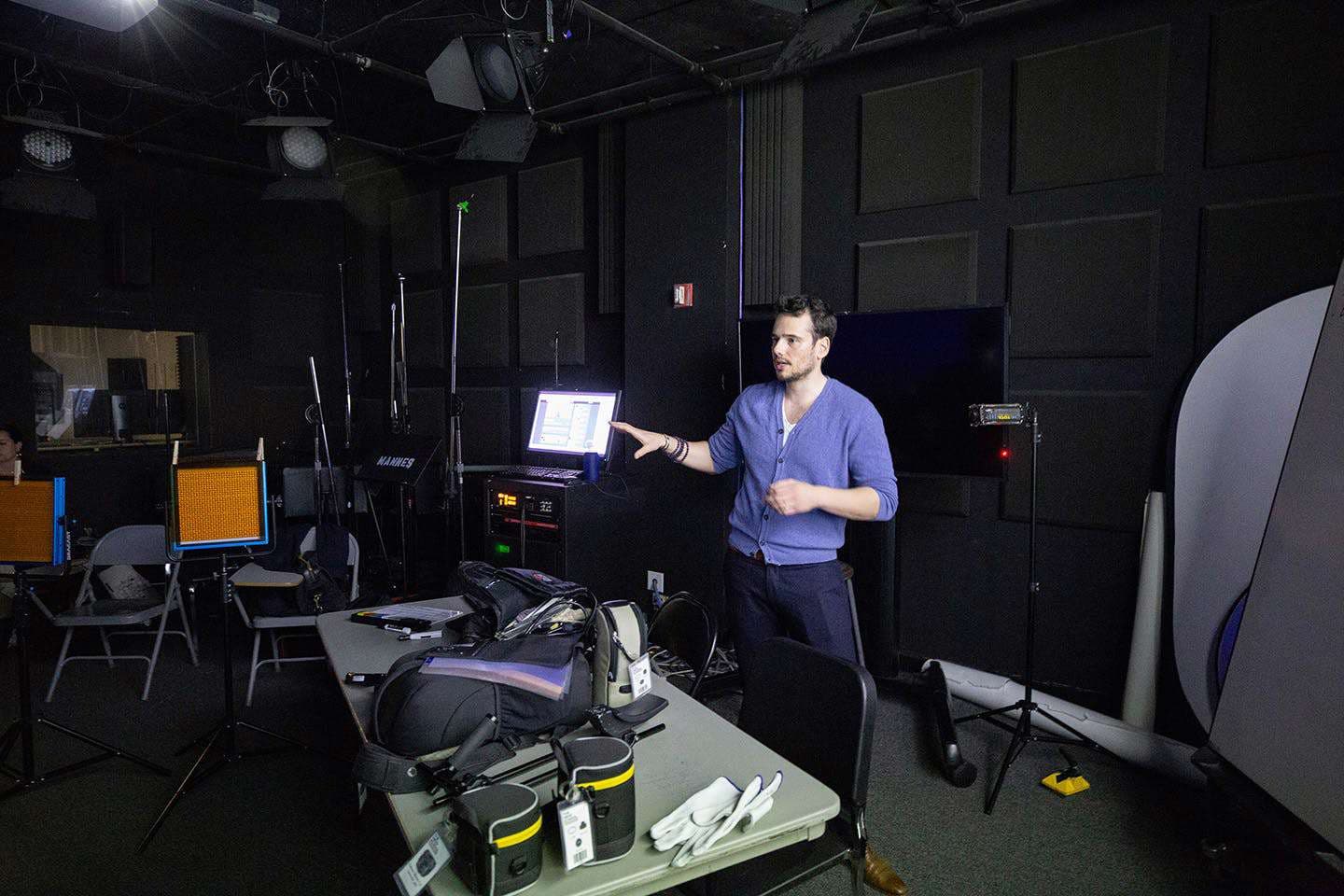
The Screen Studies program at Lang immerses you in the rich history of motion pictures and their transformation into today's rapidly changing screen industries and cultures. Combining a rigorous liberal arts curriculum in screen and film history, theory, and criticism with hands-on courses in the production of all forms of contemporary screen-based media, you learn to think, express, and formulate ideas with the moving image.

  • Study OptionsMajor

How has audiovisual media in its many forms responded to global and historical conditions? What is the situation of the moving image today, and what potential for expression does it offer? As a Screen Studies student, you address these key questions through courses in the history of world cinema, genre, experimental film, and theories and approaches to screen, as well as production-focused courses in personal documentary, directing, screenwriting, editing, and cinematography. 

You have an opportunity to gain technical expertise and creative confidence in all areas of digital film production by:

  • Overseeing your own work
  • Crewing on other student productions
  • Working with faculty on film- and television-based projects

Screen Studies approaches the use of the motion picture camera not only as history to be studied or a craft to be mastered but above all a model of thinking and critique that taps into Lang's social justice mission.

Major requirements

Connecting to New York City

While it offers the atmosphere and intimacy of a small college, Eugene Lang College is part of The New School, a major progressive university in New York City. Lang's location in the world's media capital offers Screen Studies students a wealth of options, including opportunities to meet with industry professionals and filmmakers and internships with media companies, talent agents, independent directors, and institutions like MoMA, Anthology Film Archives, IFC Film Center, and the Museum of the Moving Image.

Career Paths

The combination of production and in-depth analysis of screen-based media prepares Lang Screen Studies majors for a range of careers, including production-based work in film, television, and the entertainment industry; screenwriting for television, Web-based media, and motion pictures; and design and content development for Web-based media. Screen Studies graduates can also pursue careers in curatorship and programming or advanced study in film, media, and television.

Consult our 4-Year Lang Career Pathways Map (PDF) for helpful steps and resources to link your academic journey to your future plans. If you are planning to go on to graduate study, consider applying to the Bachelor's-Master's program, which enables you to earn graduate credits that will apply to both your Lang bachelor's degree in Screen Studies and a master's degree in Media Studies at Parsons School of Design.

Outcomes at Lang

Media Block Image
Screen Studies faculty at Lang represent a diverse range of scholarly and creative approaches, including documentary, film criticism, programming, film history and theory, moving image art, and independent filmmaking.
Meet our faculty

Noteworthy

Upcoming Lang Events

Take The Next Step

Notice of Nondiscriminatory Policy

The New School admits students of any race, color, national and ethnic origin to all the rights, privileges, programs, and activities generally accorded or made available to students at the school. It does not discriminate on the basis of race, color, national and ethnic origin in administration of its educational policies, admissions policies, scholarship and loan programs, and athletic and other school-administered programs.