Sándor Ferenczi Center
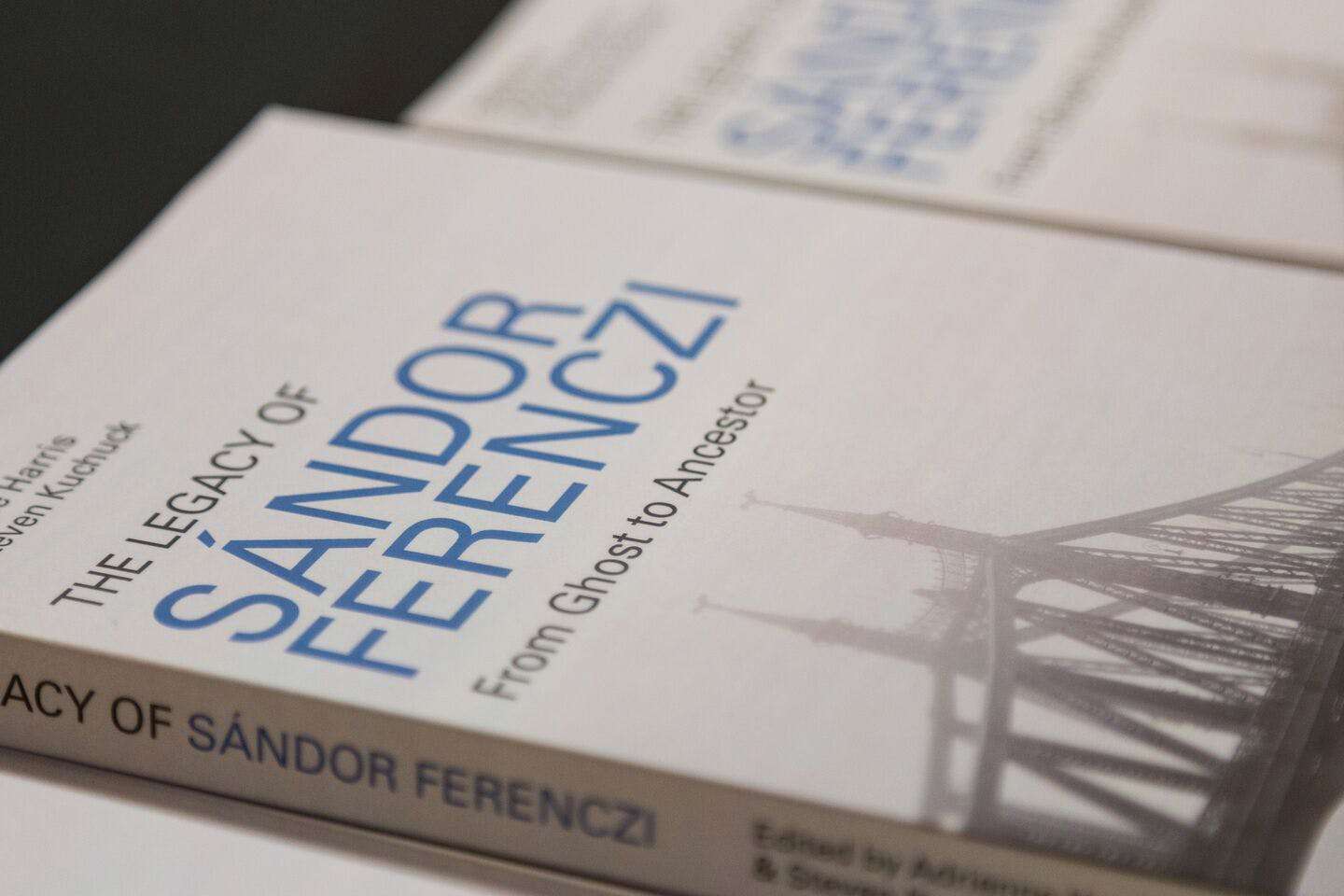
The Sándor Ferenczi Center was established at The New School for Social Research in 2008. Sándor Ferenczi (1873–1933) was an important psychoanalytic pioneer and a close associate of Sigmund Freud. He is known for his innovative clinical work, willingness to work with the most difficult of patients, socially and politically progressive attitudes, and promotion of a cultural climate that facilitated interdisciplinary conversation between psychoanalysis, the arts, the humanities, and the social sciences. Situating the Sándor Ferenczi Center at The New School is of historical significance. Ferenczi spent four months in New York in 1926 lecturing at The New School after being invited to the United States by Alvin Johnson, the president of The New School, who was subsequently to become the founder of the University in Exile. From Ferenczi’s correspondence with Freud during this period, we know that he lectured, saw patients, and was involved in key aspects of the development of psychoanalysis and training in the United States. Linking the Ferenczi project to The New School connects American psychoanalysis to a seminal influence on the evolution of contemporary developments in clinical theory and practice. It reconnects The New School to an important aspect of its legacy. The center is affiliated with the International Ferenczi Foundation and the Sándor Ferenczi Society.
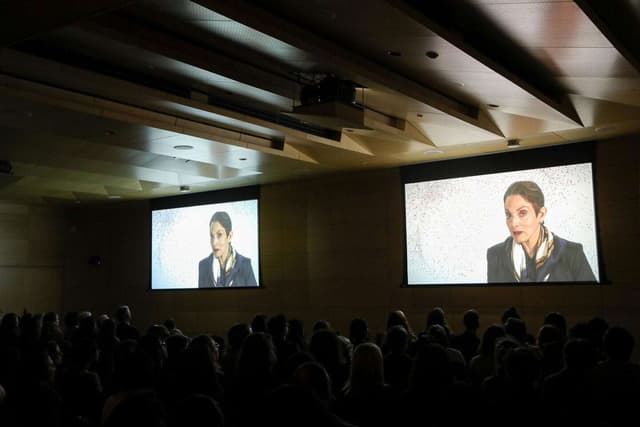
The goals of the center include sponsoring lectures, conferences, and workshops relevant to Ferenczi’s legacy of clinical innovation and promoting Ferenczi’s legacy of social and political progressivism, contributing to the ongoing vitality of psychoanalysis as a cultural, intellectual, and therapeutic discipline.
To learn more, visit the website.