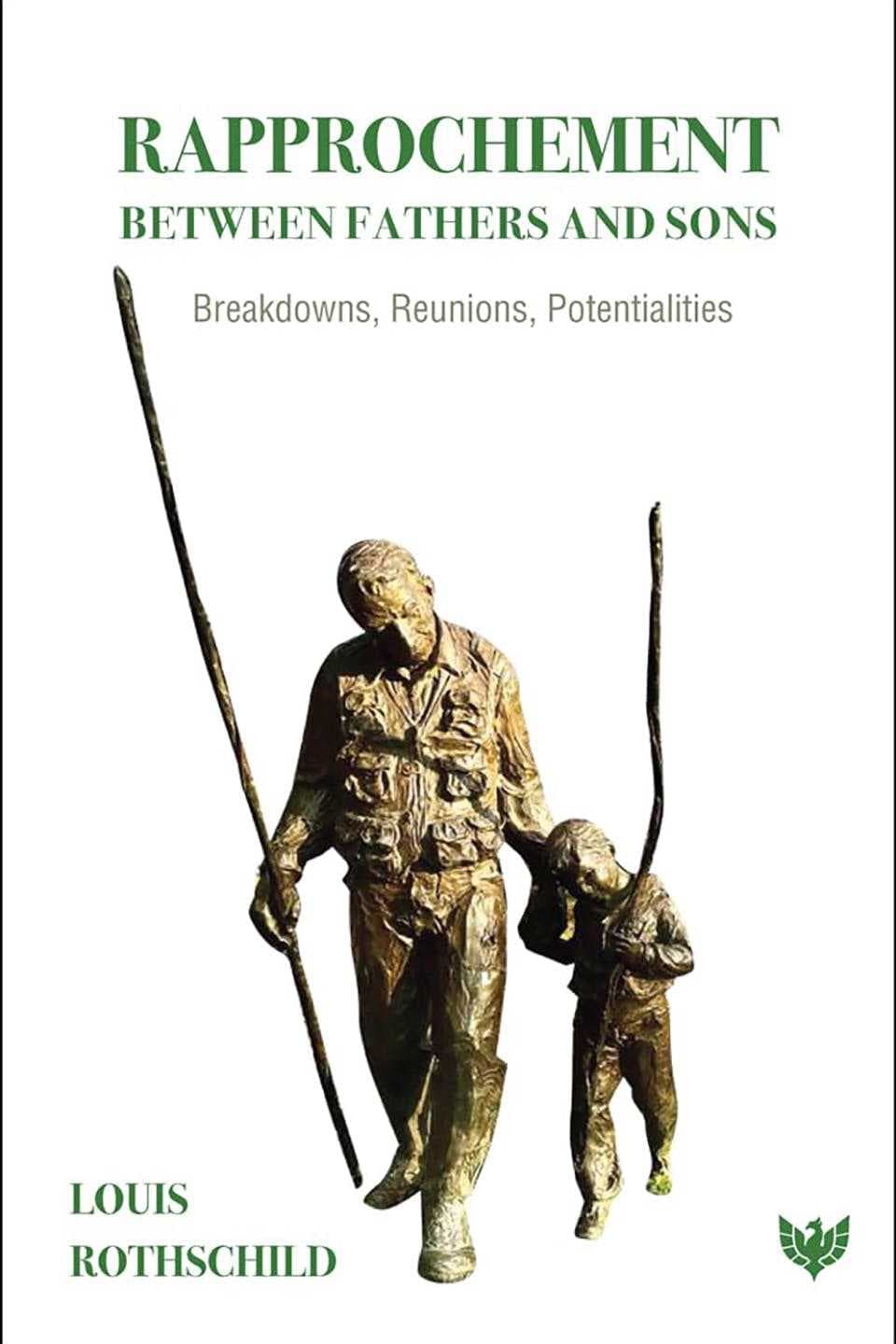
Rapprochement Between Fathers and Sons: Breakdowns, Reunions, Potentialities
This book challenges Freud’s rather cold conception of fathers and the neglect of their role in psychoanalytic theory, building on recent efforts to develop a psychoanalytically affirmative portrait of fatherhood. Here fathers are attuned to relational mutuality and intimacy to nurture flourishing. Rapprochement is understood as a sub-phase of child development marked by dramatic expressions of conflict such as “Hear me,” “See me,” “Give me space,” and “Don’t give me space.” It is also explored as a feature of conflicts between autonomy and dependency across the lifespan. An often muted and subtle tension between holding and letting go is often seen. Working with what is felt entails entering a never fully completed negotiation marked by misreadings, bias, and illusion. “Father” is understood as a name pointing to a parenting function. Discussion of phenomena such as the grief of failed reunion draws on philosophy and psychoanalytic theory, shedding light on the difficulty of integrating the capacity for nurturing into conceptions of masculinity. In critiquing the rigidity of gender roles, the author makes a case for a society that allows mutual vulnerability to exist in a state of permanent inquiry and relational curiosity. Such openness can help parents, clinicians, and community members promote the development of increased frustration tolerance. The book also explores the concept of the “good-enough father” - one who recognizes breakdown, understands the need for refueling, and is willing to deal with the variable, ever-changing rhythms of human relations.