History
1919
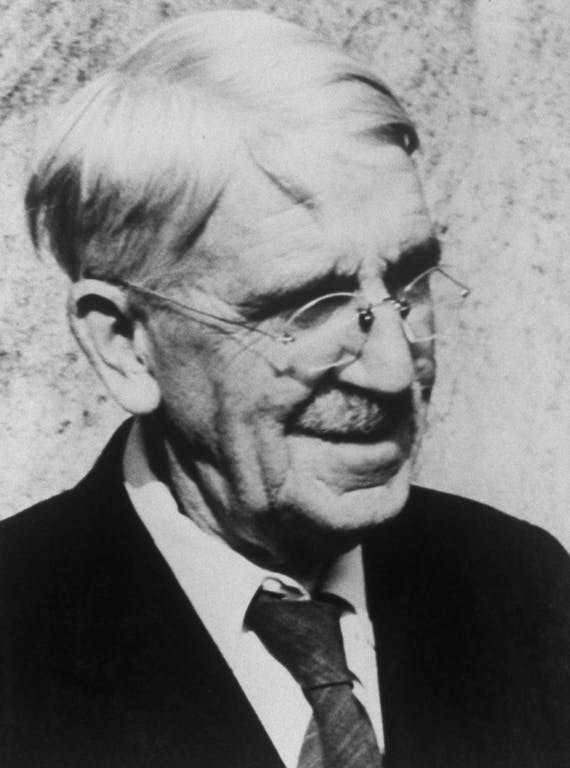
1921
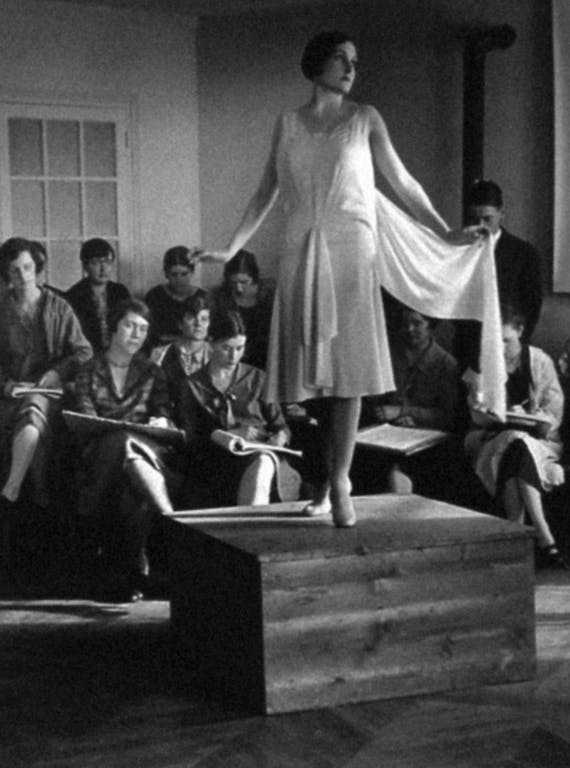
1926
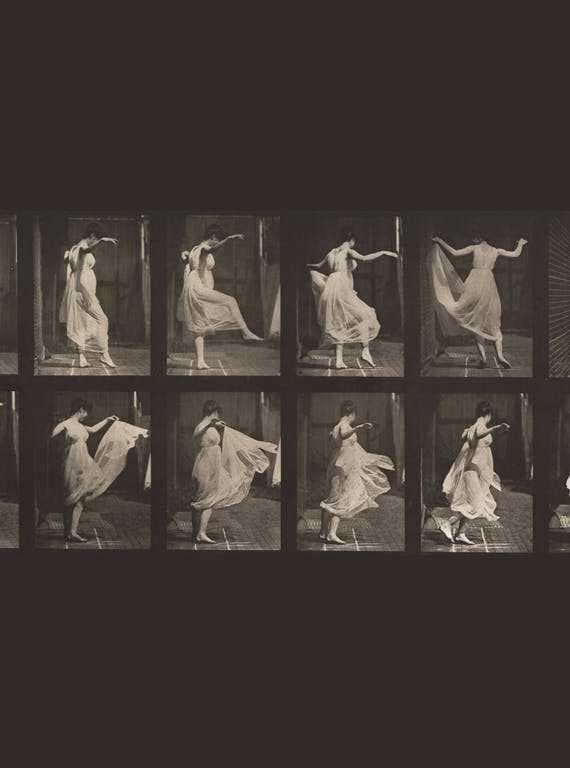
1926
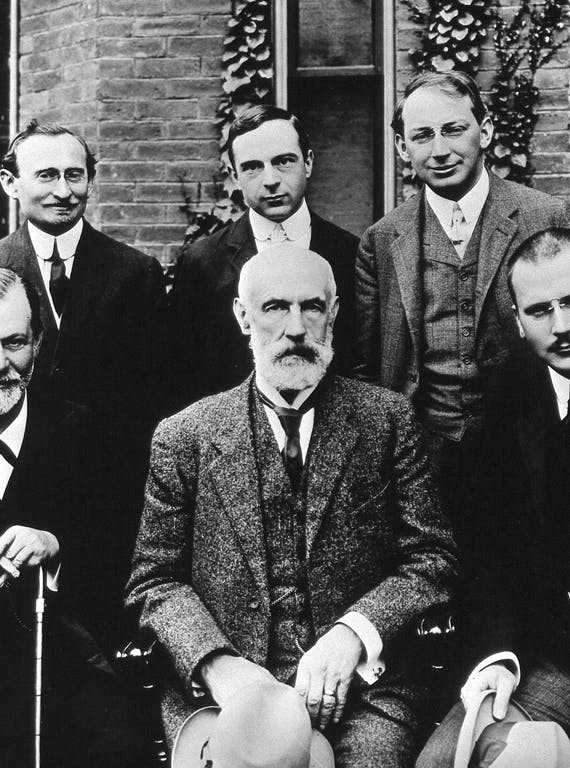
1927
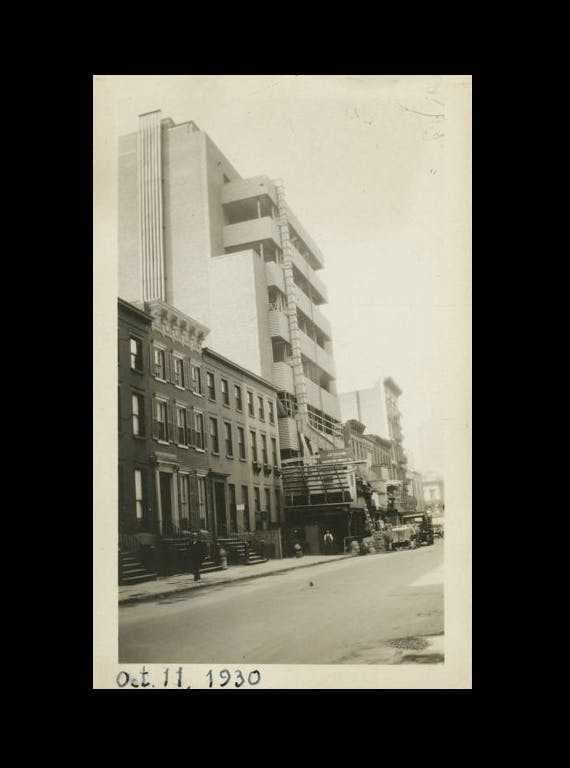
1930
1931
1933
1934
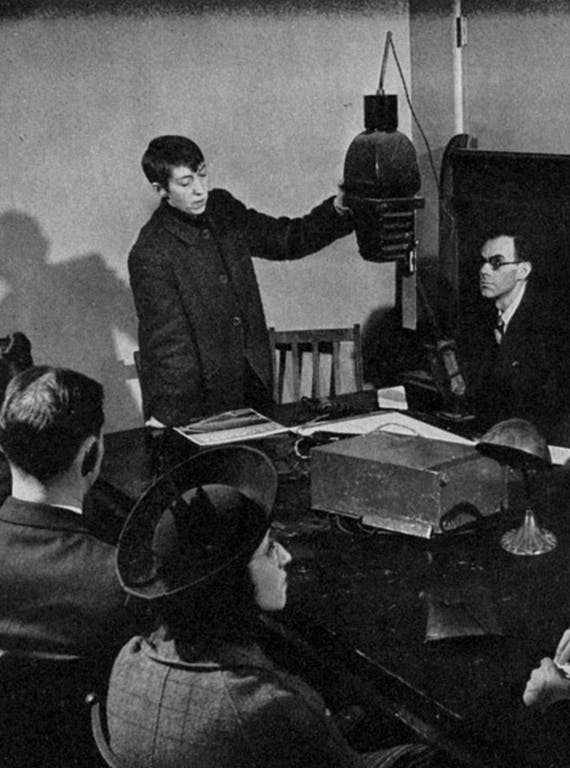
1940
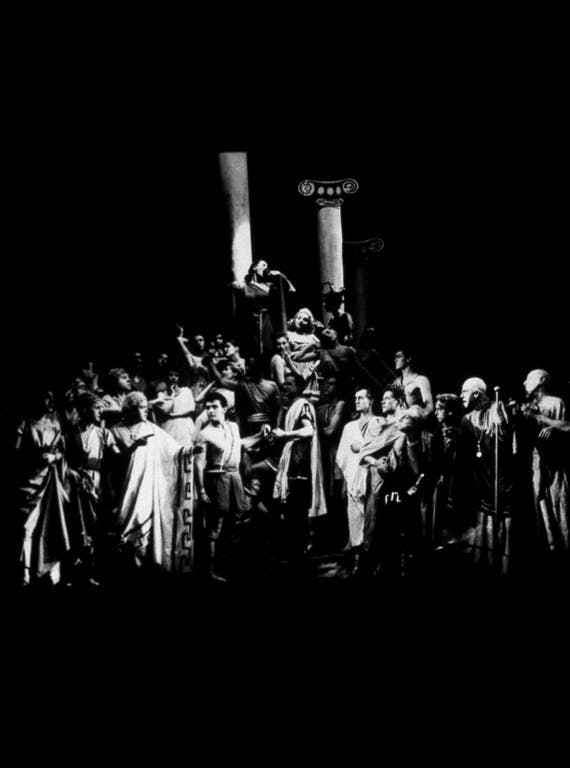
1941
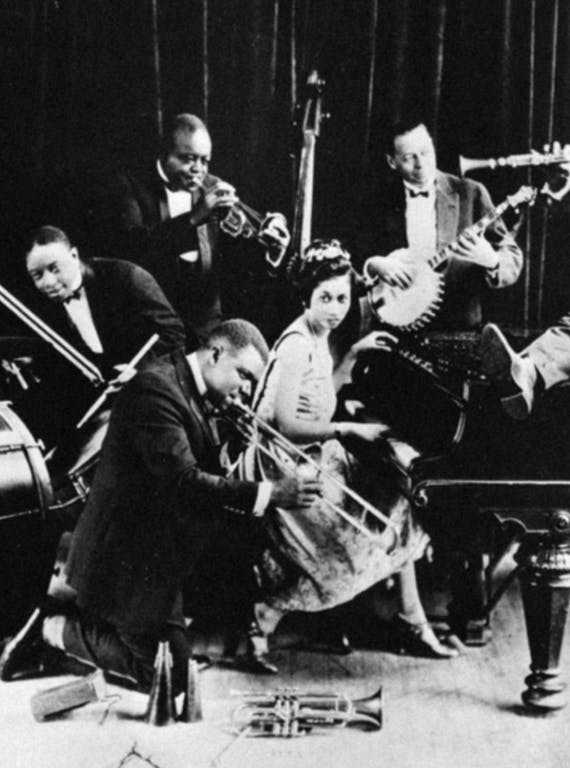
1946
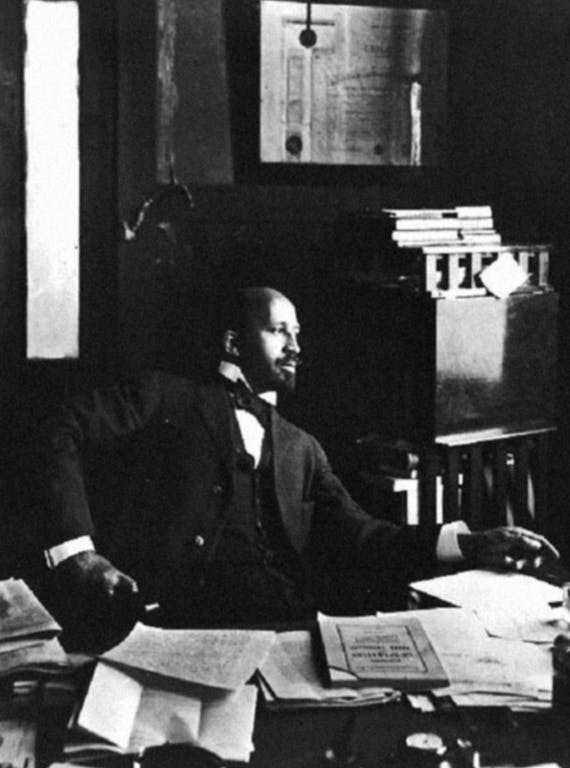
1951
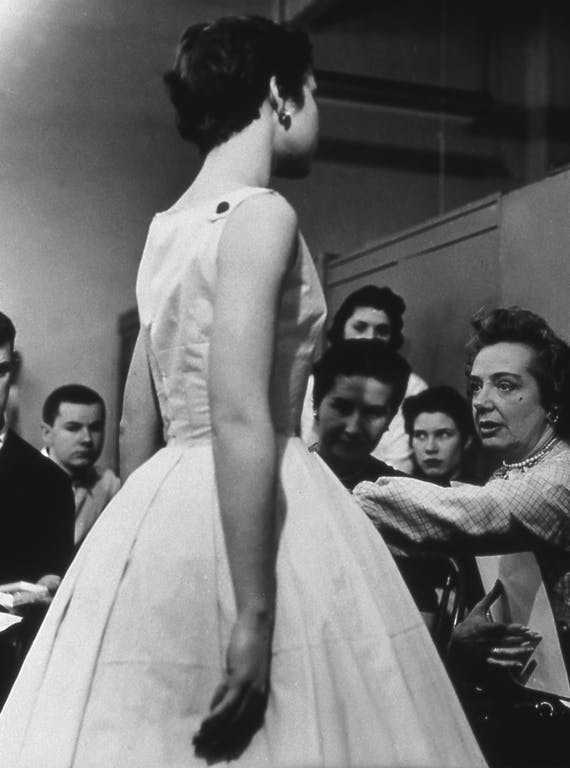
1956
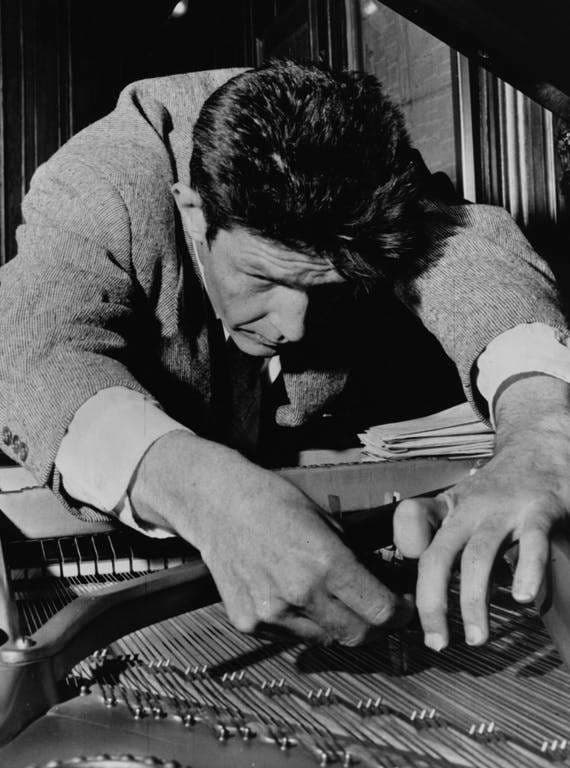
1962
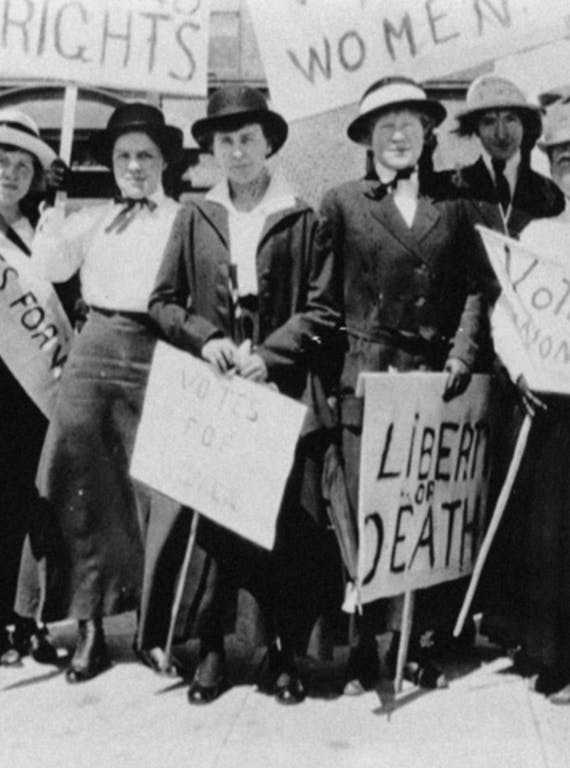
1964
1964

1968
1970
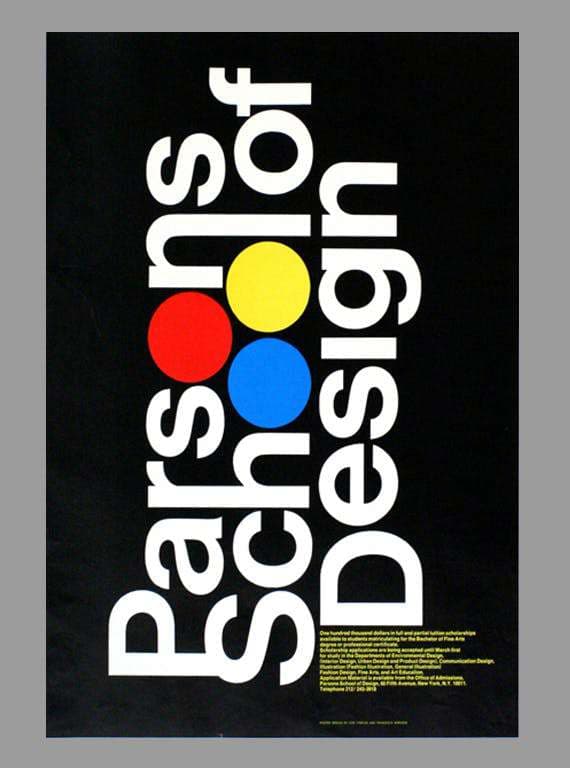
1975
1975
1977
1982
1984
1985
1986
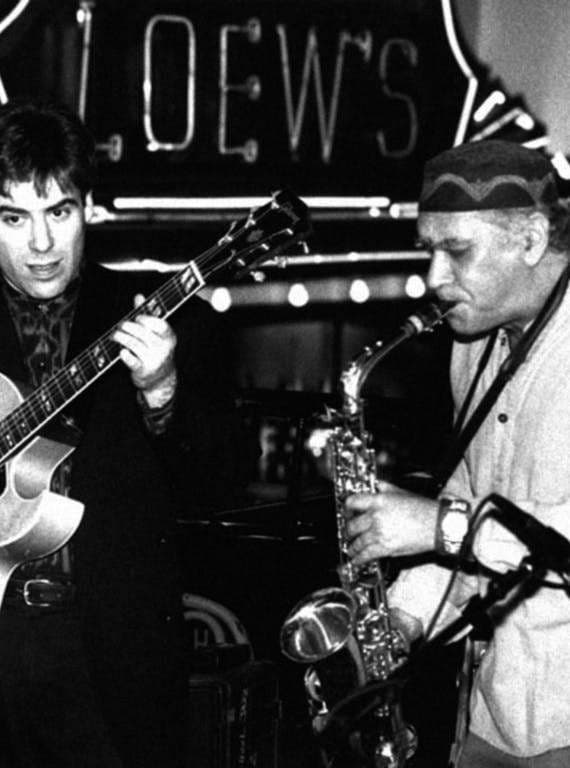
1989
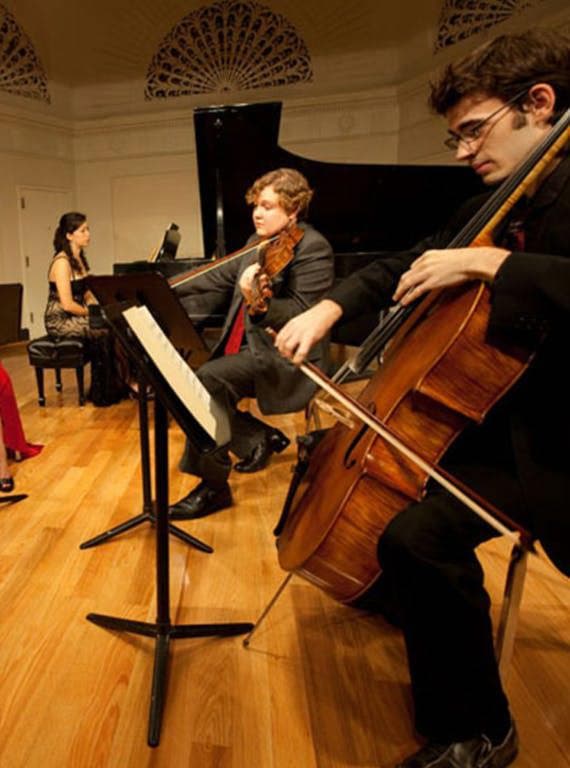
1994
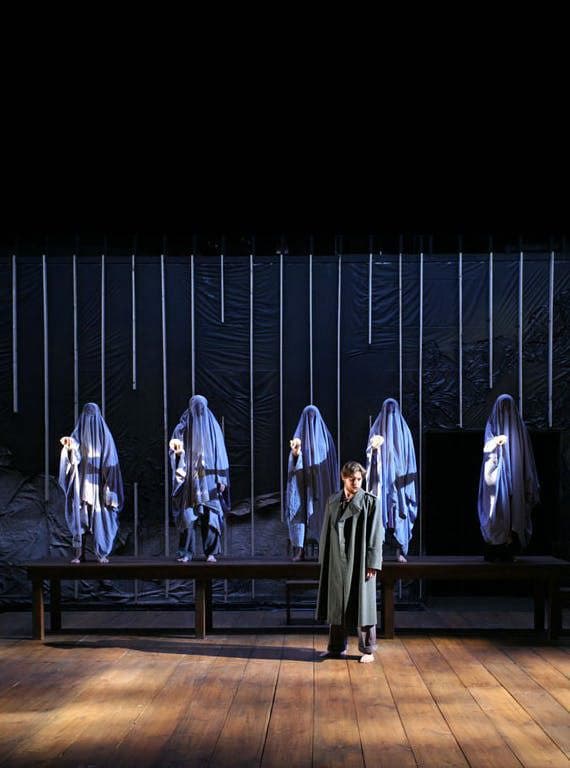
1994

1994
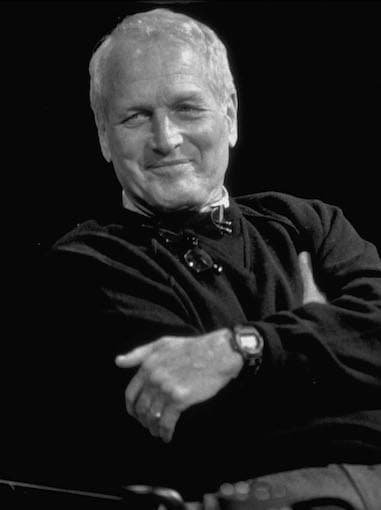
1995
1996
2005

2008
2009
2010
2012

2012

2014
2014
2015

2015
2016
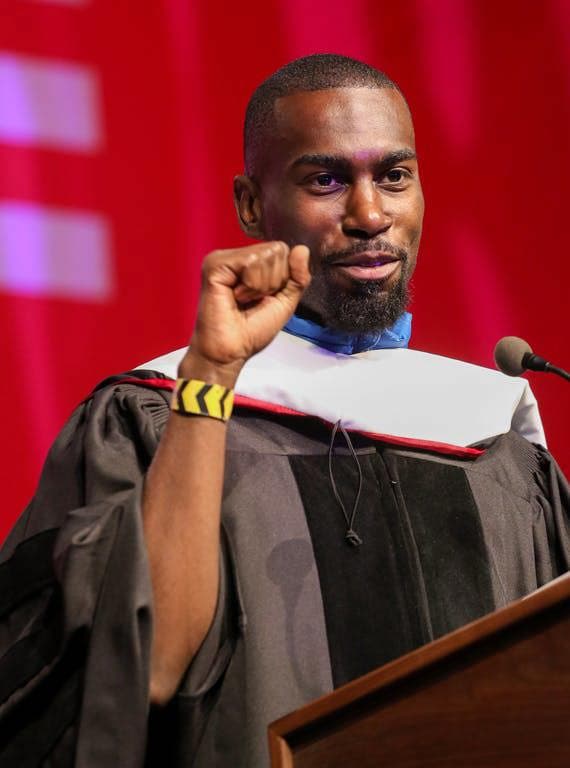
2016
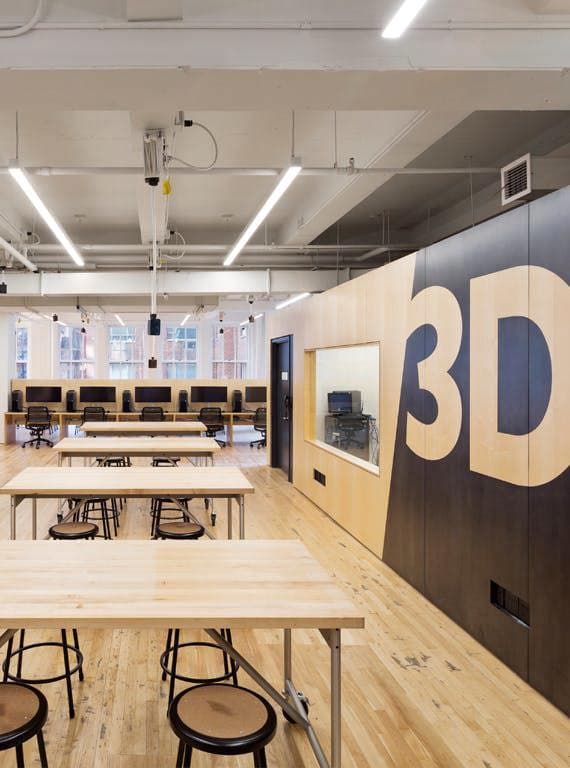
2017
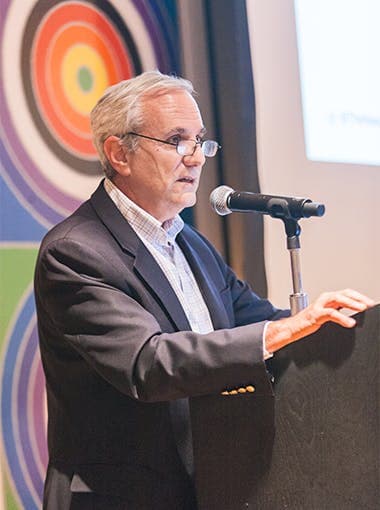
2017
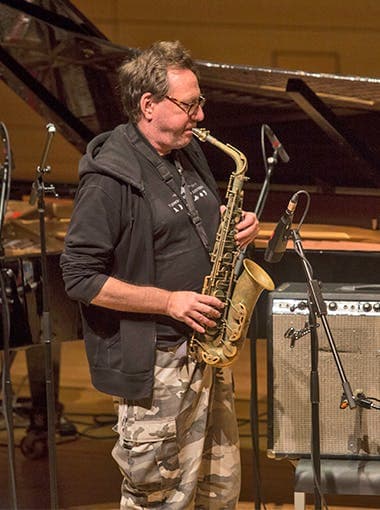
2018

2018
2018

2019
2019
2020
2020
2024
2024
The New School was founded a century ago in New York City by a small group of prominent American intellectuals and educators who were frustrated by the intellectual timidity of traditional colleges. The founders, among them Charles Beard, John Dewey, James Harvey Robinson, and Thorstein Veblen, set out to create a new kind of academic institution, one where faculty and students would be free to honestly and directly address the problems facing societies in the 20th century. Their vision was to bring together scholars and citizens interested in questioning, debating, and discussing the most important issues of the day.
In 1919, they founded the New School for Social Research. Now formally named The New School, the university has grown to include five colleges, with courses that reflect the founders' interest in the emerging social sciences, international affairs, liberal arts, history, and philosophy, as well as art, design, management, and performing arts.
Over the decades, some of the finest minds of the 20th century have pioneered courses in new areas of social sciences and liberal arts at The New School. Faculty members and visiting scholars have included Harold Laski, Franz Boas, and John Maynard Keynes. In the late 1940s, Karen Horney and Erich Fromm introduced their new approaches to psychoanalysis. From 1954 to 1978, Margaret Mead taught courses in anthropology. The New School's groundbreaking courses attracted students from around the world, including the young Shimon Peres. In 1962, Gerda Lerner offered the first university-level course in women's history.
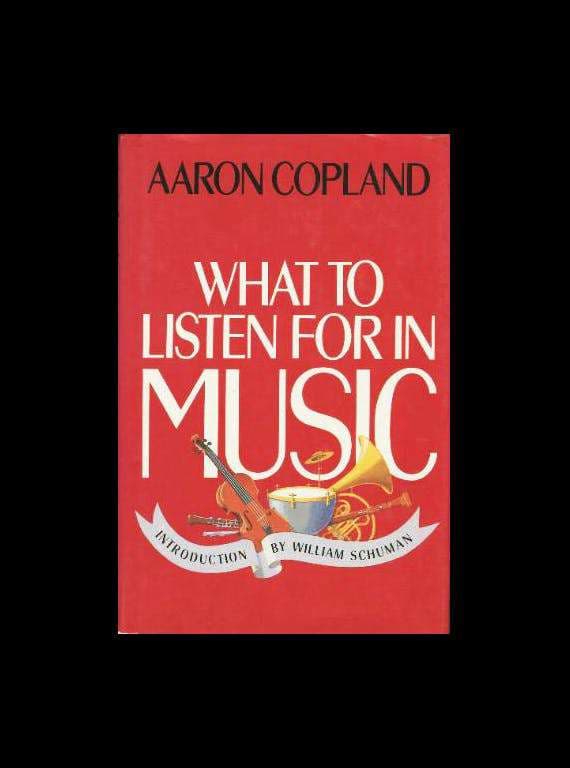
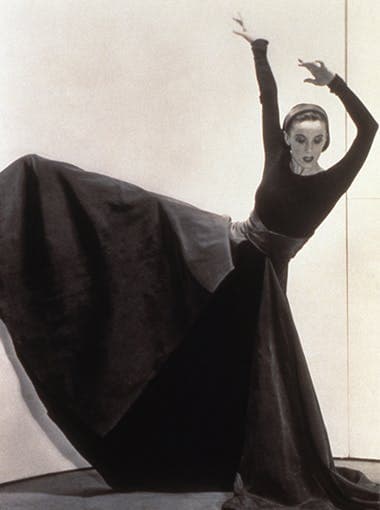
The New School also became known for courses in the creative arts taught by innovative 20th-century artists, including Martha Graham, Frank Lloyd Wright, Aaron Copland, and W. H. Auden. In 1926, The New School became the first American university to teach the history of film, and it was one of the first to offer college-level courses in photography and jazz.
Dissenting opinions, radical ideas, and progressive solutions have always had a home at The New School. Through the years, each of The New School's innovative colleges carries forward this legacy while evolving to provide students with a challenging and relevant education.
Historical Resources
New School Archives and Special Collections
Covering the history of The New School from its origins, The New School Archives and Special Collections
is a rich resource of physical and digital records. The
archives document the ongoing evolution of programs and schools,
including the history of Parsons and Mannes
before joining the university, student activities, public programs, exhibitions, and executive policymaking and
administrative operations. Materials include photographs,
audiovisual recordings, original design work, memoranda, minutes,
publicity materials, reports, and more.
New School Archives Digital Collections
Containing more than 20,000 items from the university's archives, The New School Archives Digital Collections provides direct access to photographs, public programs, exhibitions, course catalogs, press
releases, reports, theses, and more.
Histories of The New School
An indispensable online resource, Histories of The New School
consists of short essays by faculty, students, and staff on aspects of
New School history. It also provides historical information about
exhibitions and
collaborative projects,
readings and resources, scholarly commentary, personal memories, and
opinions.
Realizing The New School: Lessons from the Past
A collection of essays by New School faculty members,
Realizing The New School: Lessons from the Past,
builds on the research of in-house historians Julia Foulkes and Mark
Larrimore to provide an incisive look at the school's first 60 years.
A Drama in Time: The New School Century
Creative writing professor John Reed created A Drama in Time: The New School Century
on the occasion of the university's centennial. It is a large-format
illustrated book that weaves together the many histories of the New
School.
Related Links
A Day in the Life

Wondering what a day in the life of a New Schooler is like? When you study in the heart of Greenwich Village, every day is a chance to explore, challenge what you know and believe, and find inspiration. Student-made videos, stories, playlists, and interactive maps immerse you in our community.

