Food Studies (BA/BS/AAS)
Take the Next Step
Admission Events
Explore upcoming webinars and other events for prospective students.
Learn more
Contact Us
Admission
Office of Undergraduate Admission
72 Fifth Avenue, 1st floor
New York, NY 10011
212.229.5150 or 800.292.3040
finish@newschool.edu
Program Contacts
Chair
Kristin Reynolds
Associate Professor, Food Studies
66 West 12th Street, room 904
New York, NY 10003
kristin.reynolds@newschool.edu
Student Success Advisor
Joyinn Paulin
Director of Student Success Advising, Transfer and Non-Traditional Students
paulinj@newschool.edu
We continue to offer courses and co-curricular opportunities in food studies. Students who begin their studies in the Adult Bachelor's Program in fall 2026 or after can continue exploring this subject through:
- The Food Studies minor.
- Topical courses in food studies, such as NYC Eats: Food, People, Places, Zero Food Waste, and Food and the Environment.
- Internships and independent work in the community. Students have recently interned at the Mayor’s Office of Urban Agriculture and the Healthy Materials Lab.
- Programming and events hosted by institutes such as the Henry H. Arnhold Forum on Global Challenges.
- Fellowships and grants such as the Lang Sustainability Internship grant, which supports Lang students working with New School centers, labs, and institutes focused on the environment.
- Lang’s annual Dean’s Honor Symposium, in which students connect their interests and scholarship with experiences outside of the classroom and in context with one another.
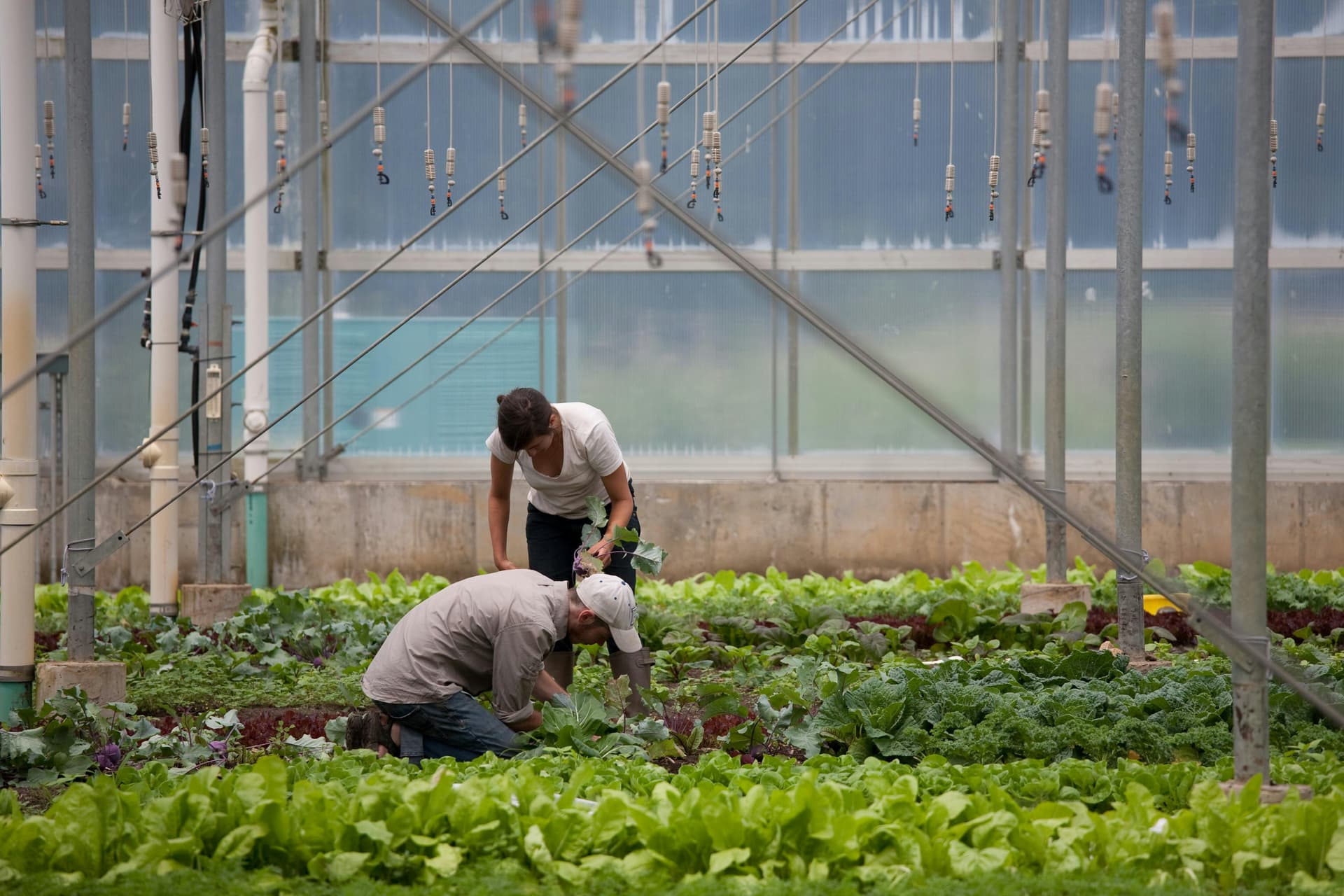
Earn a bachelor's degree (BA or BS) and/or an associate in applied science (AAS) degree in Food Studies. The program is currently open to adults, transfer students, and other nontraditional undergraduates. Food Studies majors explore the connections between food, culture, social policy, and the environment to enter or advance their careers in the food sector. Led by our expert faculty, students explore subjects ranging from food media and technology to global food and immigration policy to public health and environmental issues like food security and climate change.
- DegreeBachelor of Arts or Bachelor of Science / Associate in Applied Science
- FormatFull-time or part-time, on campus or online
- Start TermFall, spring, or summer
Interdisciplinary Curriculum
The BA and BS in Food Studies are designed for students seeking a bachelor’s degree as a terminal degree or as a step toward graduate study. The AAS in Food Studies is designed for students looking to enter the job market in the food sector, professionals in the food and hospitality industry, and student chefs who want to integrate their existing skills with a deeper knowledge of cultural, social, and environmental issues connected to food. Students in either pathway take required courses in the curriculum and electives from around the university. The degree can be earned online, in person, or through a combination of both. Food Studies courses—offered both online and on campus—examine a wide range of subjects, ranging from structural aspects of the food system, such as policy, environment, and health, to specific topics such as food design, mushroom foraging, urban agriculture, or music.
Beyond coursework, for students at the New York City campus, NYC also serves as your laboratory for learning, providing unparalleled opportunities to explore contemporary food issues. NYC has one of the largest wholesale food markets in the nation and is headquarters to numerous non-governmental organizations with interests in food, health, and the environment. The New School is one block (a five-minute walk!) away from Union Square Greenmarket, the largest farmers' market in the city. Food Studies students are encouraged to integrate aspects of New York City’s rich food and agriculture culture and policy landscape into class projects, internships, and self-directed learning.
Career Paths
A degree in food studies prepares you to begin or advance your career in food systems fields in areas including food policy research and advocacy, environmentally sustainable agriculture, urban policy analysis and management, food marketing and distribution, food media, public relations, business administration for governments and NGOs, education, research, and food and culinary businesses. AAS students can also proceed to earn a BA or BS in Food Studies or a related discipline at The New School.
Partnerships with Culinary Schools and Community Colleges
The New School collaborates with culinary schools to provide opportunities for culinary graduates to continue their studies by earning an AAS, a BA, or a BS in Food Studies.
Graduates from certain culinary schools can earn up to 22 credits toward their AAS, BA, or BS degree through this transfer agreement. To learn more about possibilities, including terms and conditions, please write to the Admission team at finish@newschool.edu or the Food Studies program at foodstudies@newschool.edu.
Francisca Sanhueza, Francisca Sanhueza, BS Food Studies ’15I thought I would take food studies and photography courses to develop my food styling business. Instead, my courses led me on a totally different career path, focusing on food as a vehicle for social justice.
