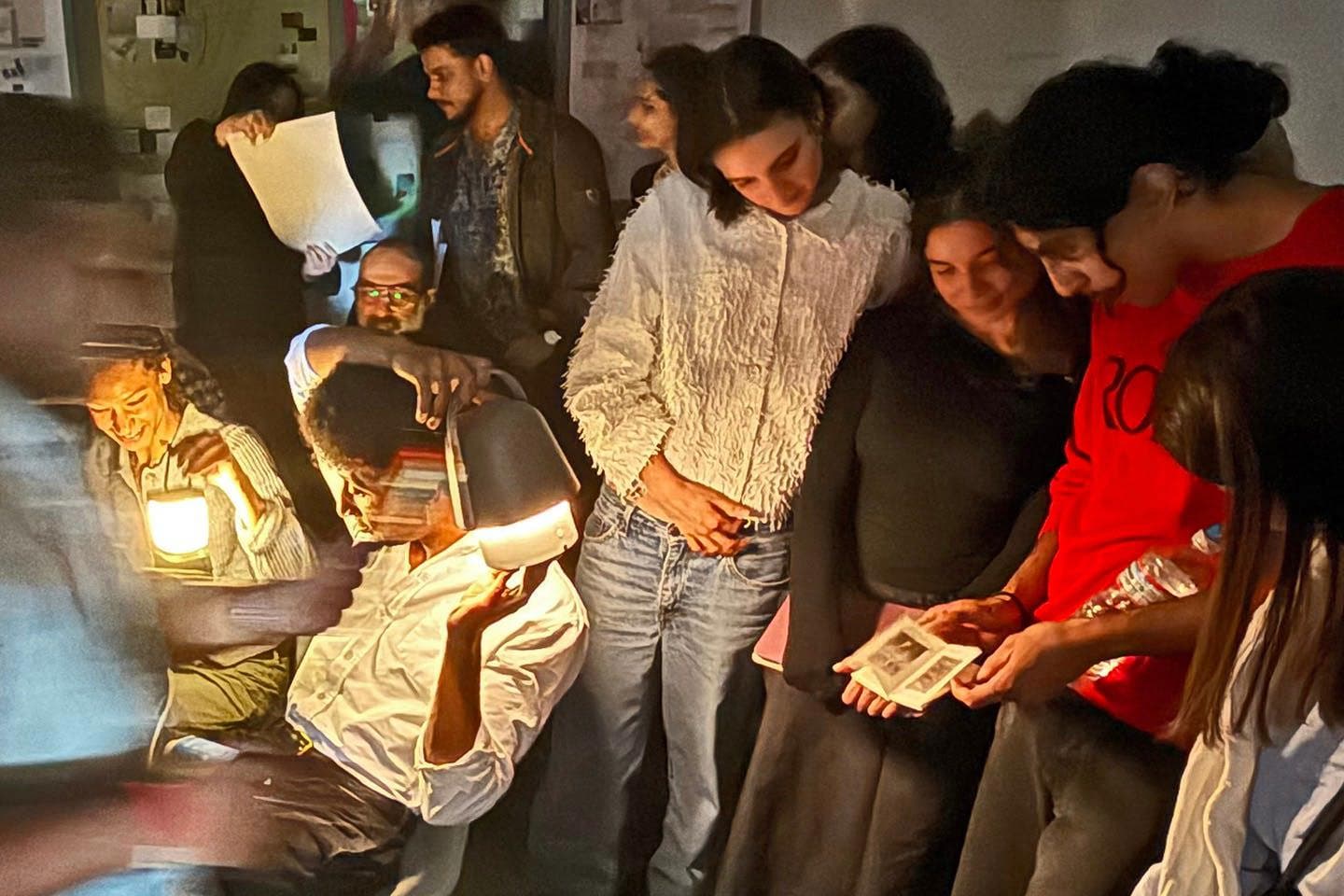
Transdisciplinary Design (MFA)
Transdisciplinary Design MFA
Take the Next Step
Contact Us
thinkparsonsgrad@newschool.edu
212.229.5150 (U.S. only)
Program Contacts
John Bruce, Co-director
Jen van der Meer, Co-director
Since its founding in 2010, the Master in Fine Arts program at our New York City campus has welcomed practitioners from a range of backgrounds and career stages who are seeking to reflect on and expand their practice. By “practice,” we refer to the creative, research-based, material, social, and expressive forms students use to engage with contemporary cultural, social, ecological, political, and systemic conditions. Grounded in transdisciplinary approaches, the program encourages students to explore new fields and modes of inquiry, supporting them as they articulate the impact of their work and imagine future possibilities for their evolving practice. One of the only MFA degrees of its kind, the master’s program offers a singular environment for practice-based research and experimental inquiry.
Program Highlights
Transdisciplinary
Rooted in the Latin word trans, meaning "across and beyond," the program emphasizes transdisciplinarity as a way of connecting conceptual thinking and aesthetic, material, narrative, and situated forms of inquiry. Students find the freedom to create new forms of knowing and expression.Situated Ethos
Develop practices that are attentive to context, grounded in lived experience, and responsive to the conditions in which they operate. The program leads students in approaches that cultivate accountability, attentiveness, and situated forms of engagement rather than transactional or hierarchical models.Opportunities for Research and Teaching
Engage with initiatives through The New School's Consortium for Transdisciplinarity and other centers, institutes, and labs throughout the university.External Guests
Learn from prominent creative practitioners, scholars, activists, and industry and government leaders who contribute to the program's rich, dynamic learning environment.Expanding Practices and Careers
The program supports students in developing their practice, using it to explore complex concerns, generate new understanding, and engage thoughtfully with present-day situations. Graduates pursue pathways shaped by their own interests and values.Applicant Profile
This MFA is designed for self-directed practitioners who are already engaged in a creative or research-based practice and want to expand or transform it through experiential and experimental inquiry. Applicants come from the arts, design, humanities, social sciences, activism, community engagement, media, policy, and other fields where research and expression intersect. Prior art or design training is not required but students should have a practice they are committed to developing. Because the program does not provide technical instruction in a single discipline, we look for applicants who are prepared to guide their own practice-based research and explore approaches to writing, media, material, and performance- and social engagement–based forms.
- DegreeMaster of Fine Arts (MFA)
- FormatFull-time, on campus
- Credits60
- Duration2 years
- Other program statusSTEM-designated
Positioned at the intersection of conceptual inquiry and aesthetic experimentation, the MFA curricula guides students to develop capacities in critical framing, imagination, translation, and expression. The program supports a learning environment that extends investigation beyond the constraints of a single disciplinary approach or mode of production.
Curriculum
The curriculum brings together interconnected seminars and studios that support rigorous practice-based research. Studios engage with evolving areas of inquiry; in them, students work alongside faculty and invited guests in environments that foster exchange, reflection, and experimentation. Rather than treating expertise as fixed, studio courses invite students to shift roles such as that of researcher, maker, narrator, and participant as they test and extend their practice. Across the curriculum, students explore how ideas take shape through practice and how practice generates new ways of understanding and responding to contemporary conditions and systems.
Career Paths
Graduates pursue a wide range of pathways shaped by their individual practices and modes of inquiry. Alumni work in cultural and social research, higher education and teaching, organizational and community development, public and civic initiatives, creative and strategic roles within nonprofit and governmental settings, and independent or collective practice. Many build careers combining creative, research-based, community, and consulting work. Recent graduates have founded studios and research practices, joined community-based innovation labs, presented at international conferences, and taken on leadership roles across cultural, social, and environmental fields.
Research & Practice
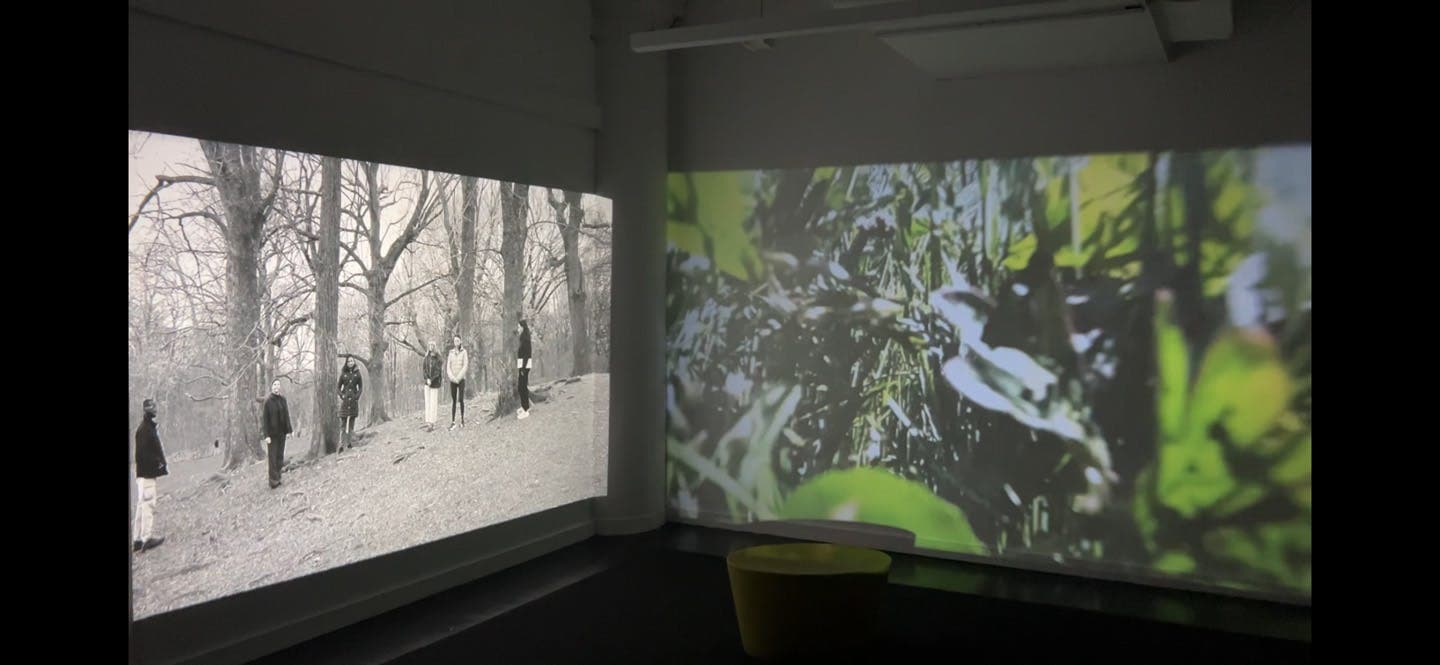
Transdisciplinary Design (MFA)
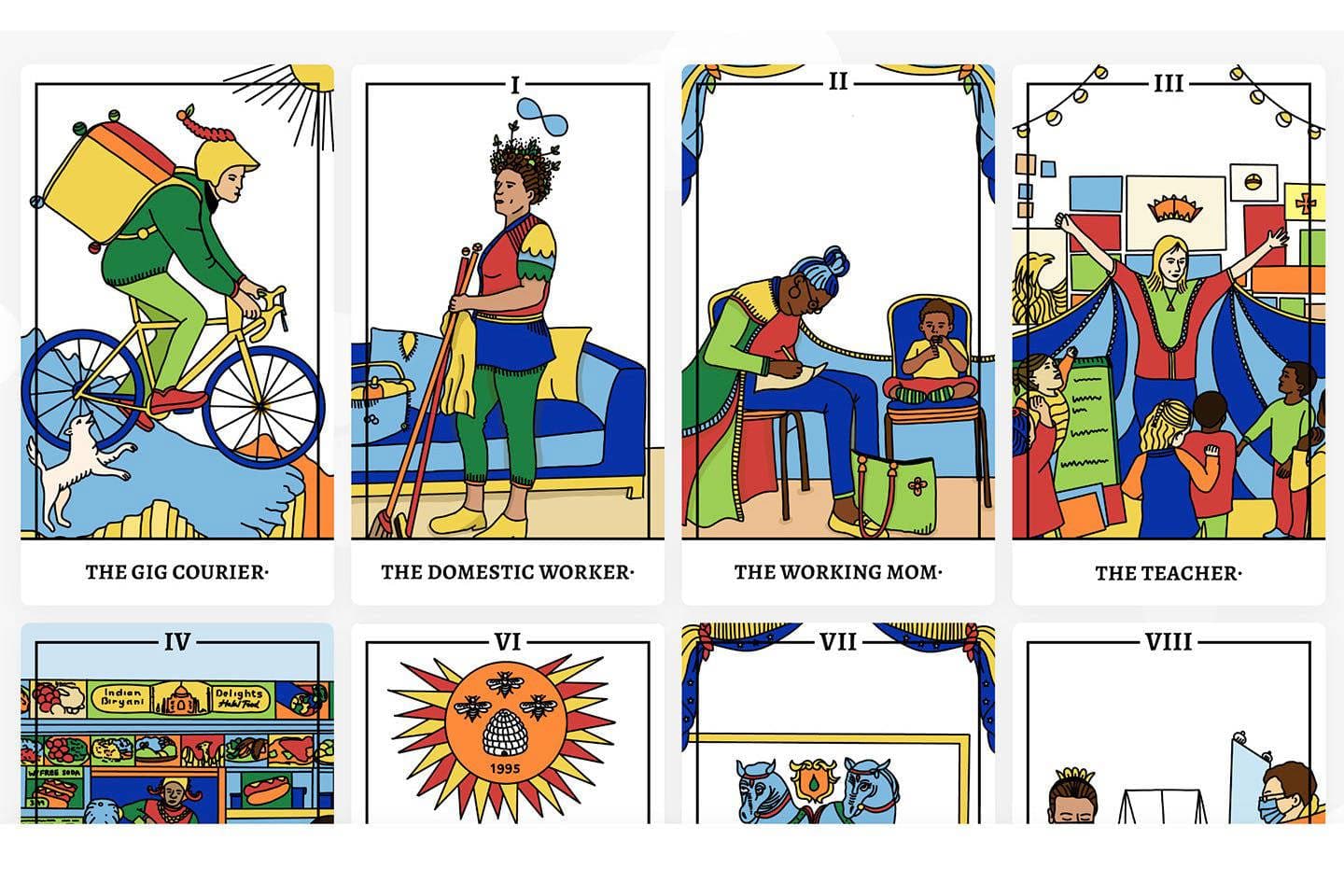
Transdisciplinary Design (MFA)

Transdisciplinary Design (MFA)

Transdisciplinary Design (MFA)
Transdisciplinary Design (MFA)

The Cabinet of Bureaucratic Wonders
Judy Park Lee and Lucas Teixeira Vaqueiro (MFA Transdisciplinary Design '22)
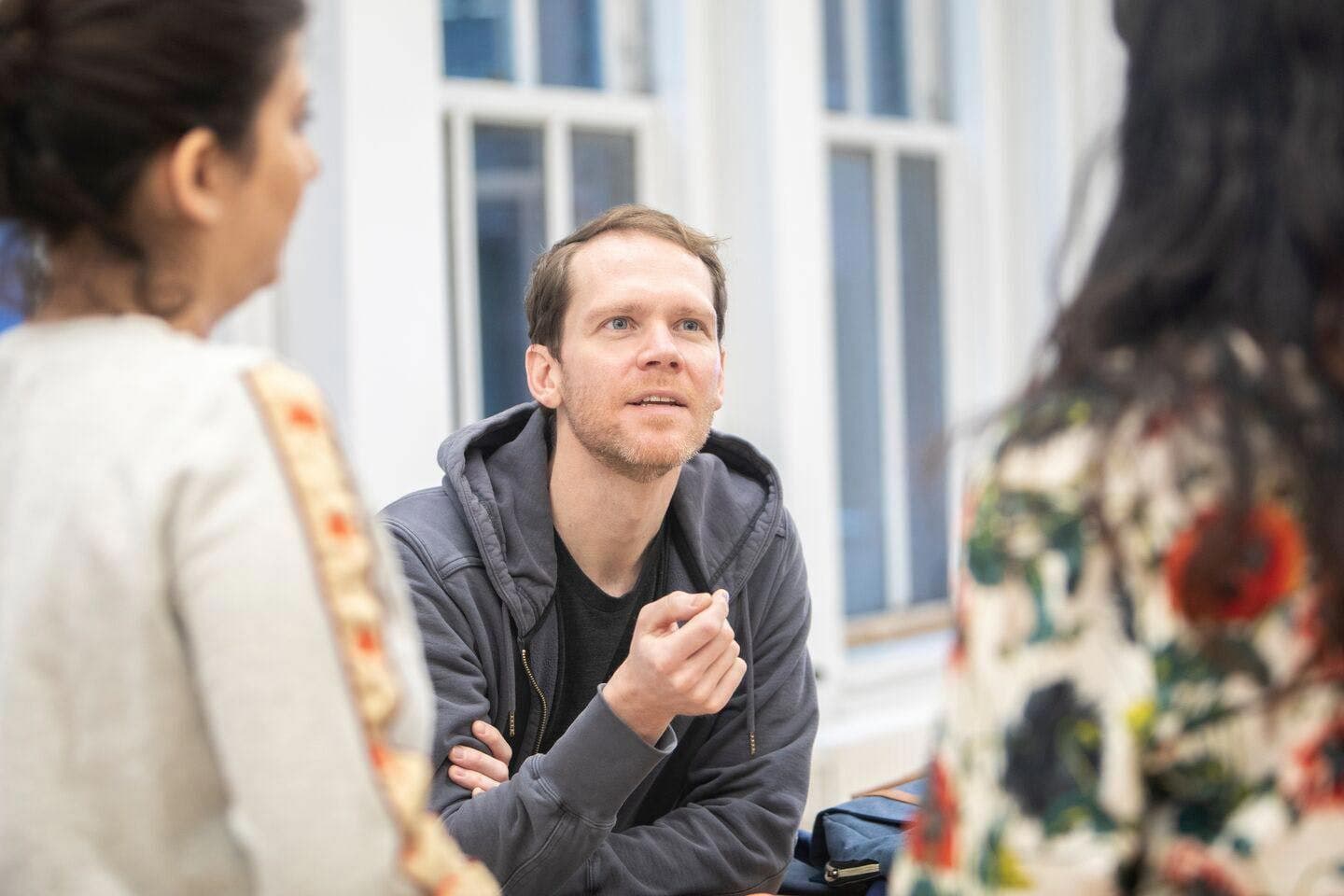
Parsons faculty represent a broad range of expertise and are acknowledged as leading practitioners and scholars in their fields.
Related Programs
Graduate Degrees