Design and Urban Ecologies (MS)
Design and Urban Ecologies MS
Take the Next Step
Explore Our Community
What our students, alumni, and faculty are doing in NYC and worldwide
Contact Us
thinkparsonsgrad@newschool.edu
212.229.5150 (U.S. only)
Program Contact
Gabriela Rendon, Program Director
Related Links
Program Update:
We are pausing admissions to this program while faculty engage in a comprehensive redesign of the curriculum. We continue to offer courses in this area of study and encourage you to explore them on our website.
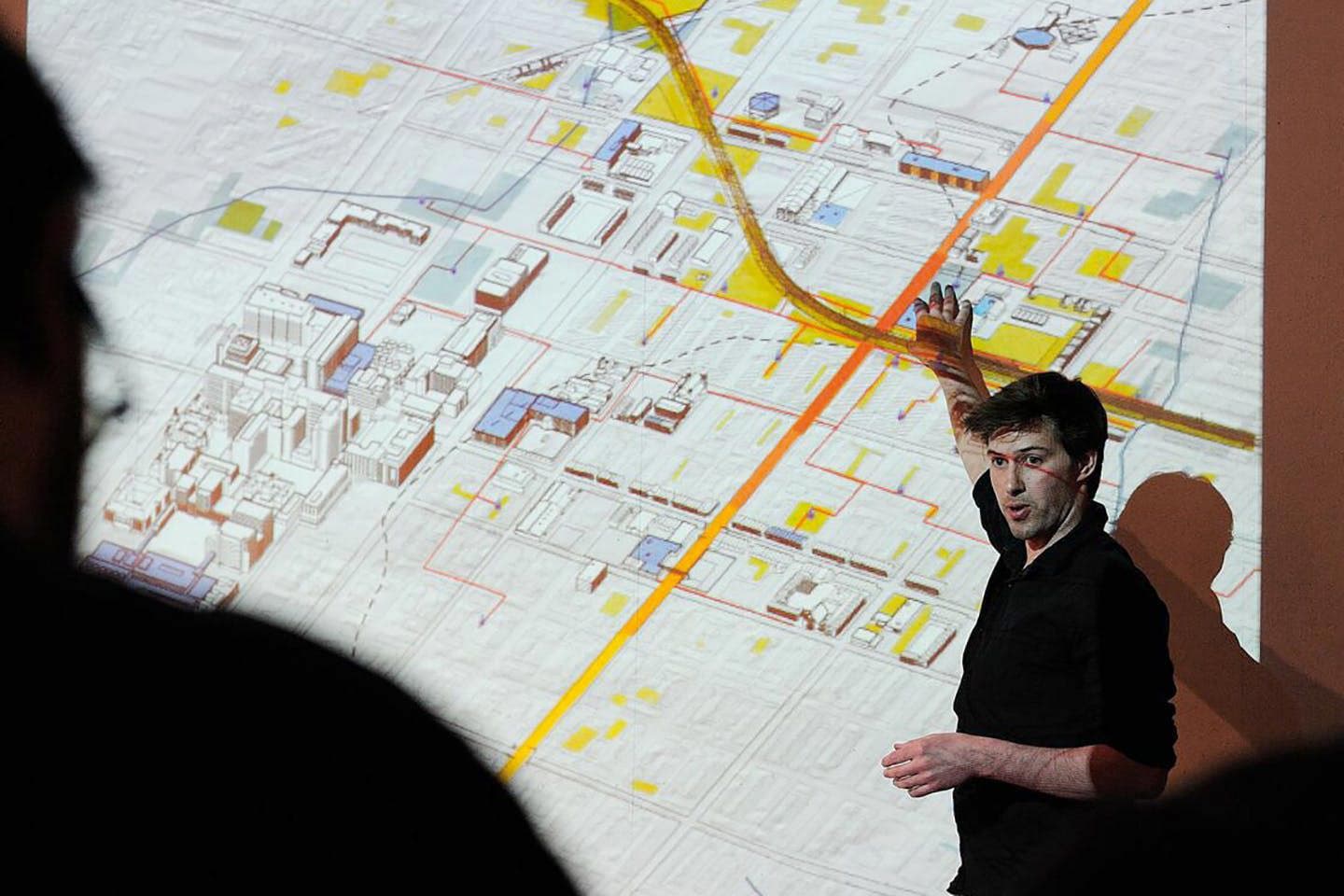
The master’s in Design and Urban Ecologies takes a design-led, justice-centered approach to understanding and transforming cities and urbanization processes. By integrating design, planning, policy, and community advocacy, the program prepares students with the skills and experience needed to tackle today’s urban challenges. Inspired by The New School’s commitment to environmental and social justice, students from diverse backgrounds work closely with community partners to develop plans, strategies, initiatives, and policy platforms leading to ethical and responsible urban change.
Program Highlights
Urban Ecologies
Explore cities as contested ecosystems where the interests of capital, human needs, and the natural environment collide and coexist, shaping urban life.Designing for the Public Good
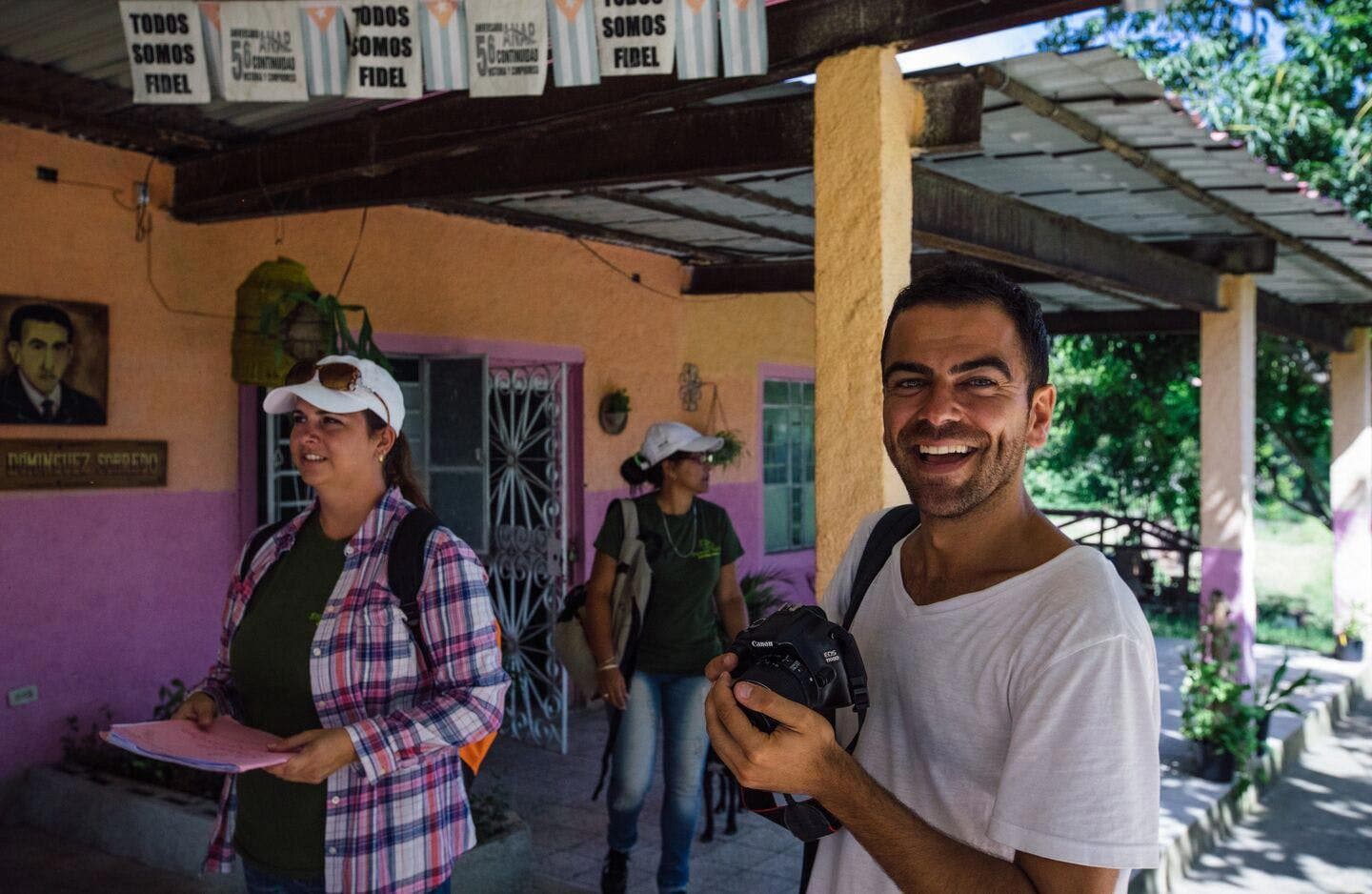
Work directly with and for underserved and excluded communities to support their efforts, amplify their movements, and influence urban change through design, planning, and advocacy for the public interest.Justice-Centered
Apply ethical, participatory, and human-centered research methodologies, planning approaches and design strategies to advance social, economic, and environmental justice within urban ecosystems.Engage with New York City
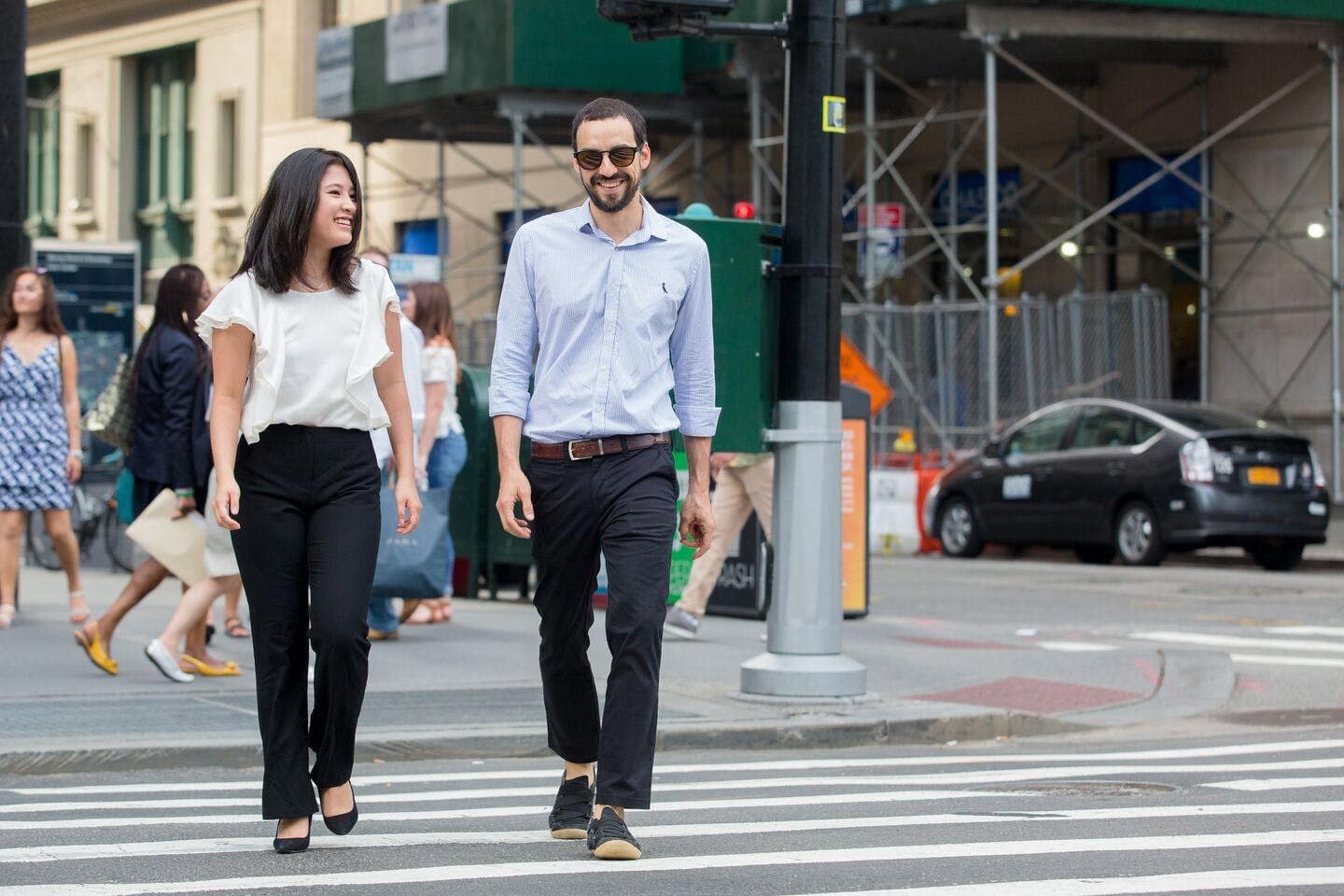
Leverage our extensive network of activists, experts, and organizations, and agencies that make New York City a powerhouse in urban activism and critical planning.Confronting Urban Challenges
Develop tools, initiatives, projects, and plans to address pressing issues such as housing, health, migration, climate, mobility, governance, and community development—always in dialogue with global trends and local realities.Applicant Profile
This interdisciplinary program attracts students from diverse backgrounds, including the arts, humanities, social sciences, law, governance, political sciences, design, architecture, and environmental studies.
- DegreeMaster of Science (MS)
- FormatFull-time, on campus
- Credits60
- Duration2 years
Curriculum
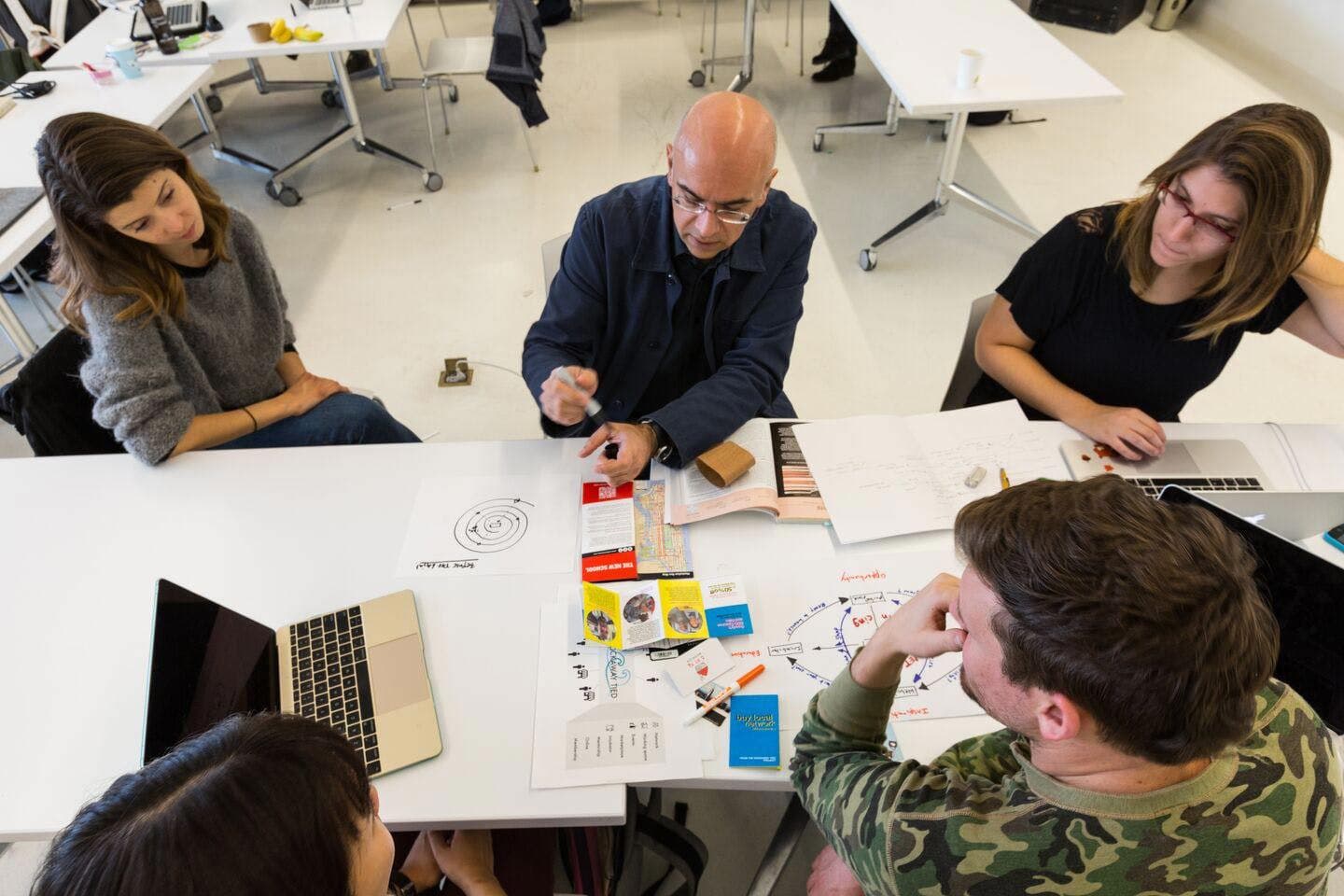
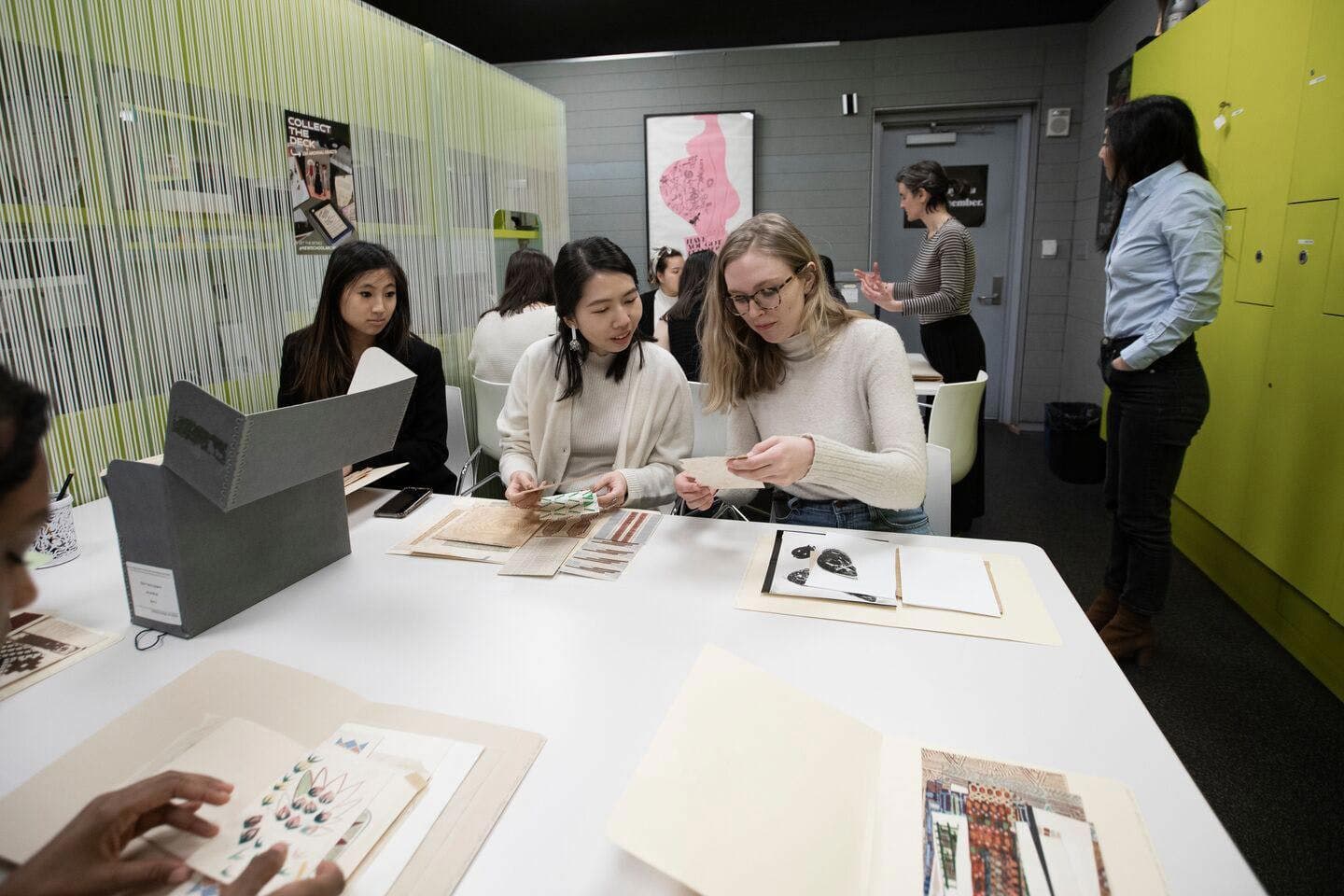
The curriculum involves a sequence of design studios connected with other core courses in which students combine research, policy, planning, design, and advocacy while collaborating with civic groups, community organizations, nonprofit corporations, and public agencies. You can tailor your studies with a graduate minor or choose from a range of electives. You can also complete a certificate in fields including creative community development or social justice management.
Career Paths
Graduates are prepared for careers across nonprofit, private, and public sectors. Alumni of the program currently work in fields including urban and regional planning, community development, public and urban policy analysis and development, strategic
design and management, socially engaged practice, urban research and analysis, and nonprofit and government management. Students develop a solid research foundation, preparing them for doctoral programs.
Explore Our Community
Discover what our students, alumni, and faculty are doing in NYC and worldwide.
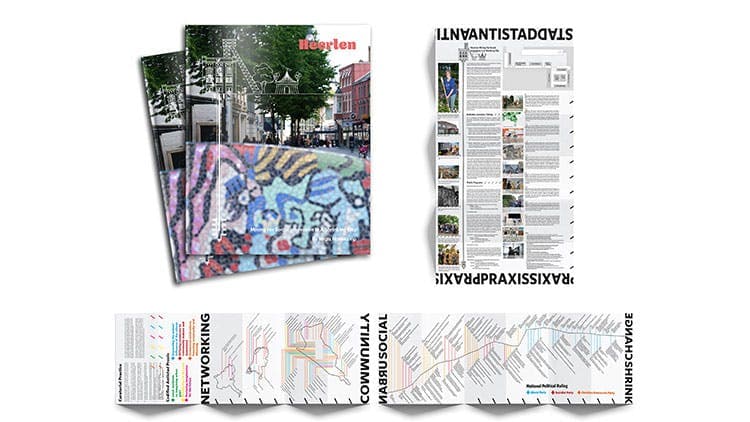
Student Work
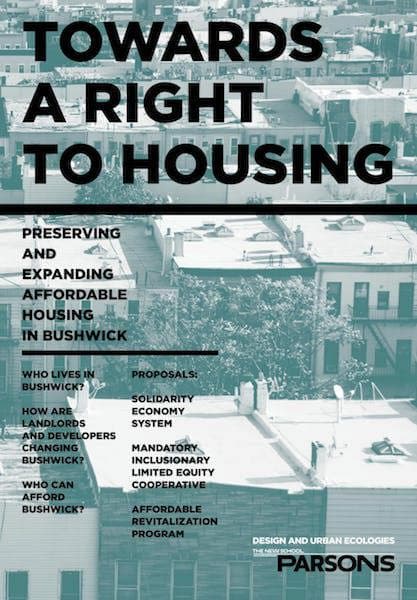
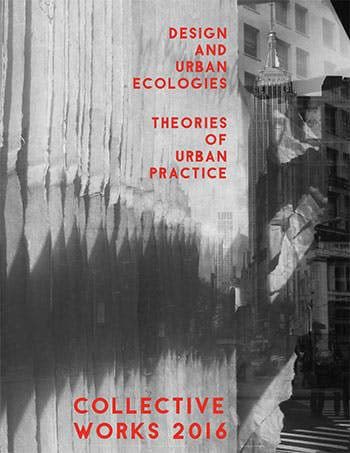
Theories of Urban Practice (MA), Design and Urban Ecologies (MS)
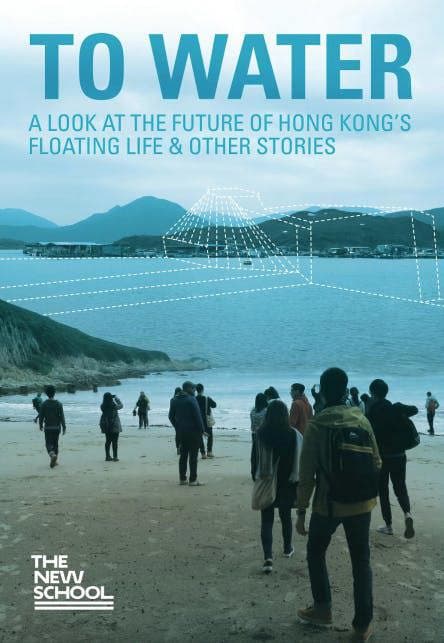
Design and Urban Ecologies (MS)
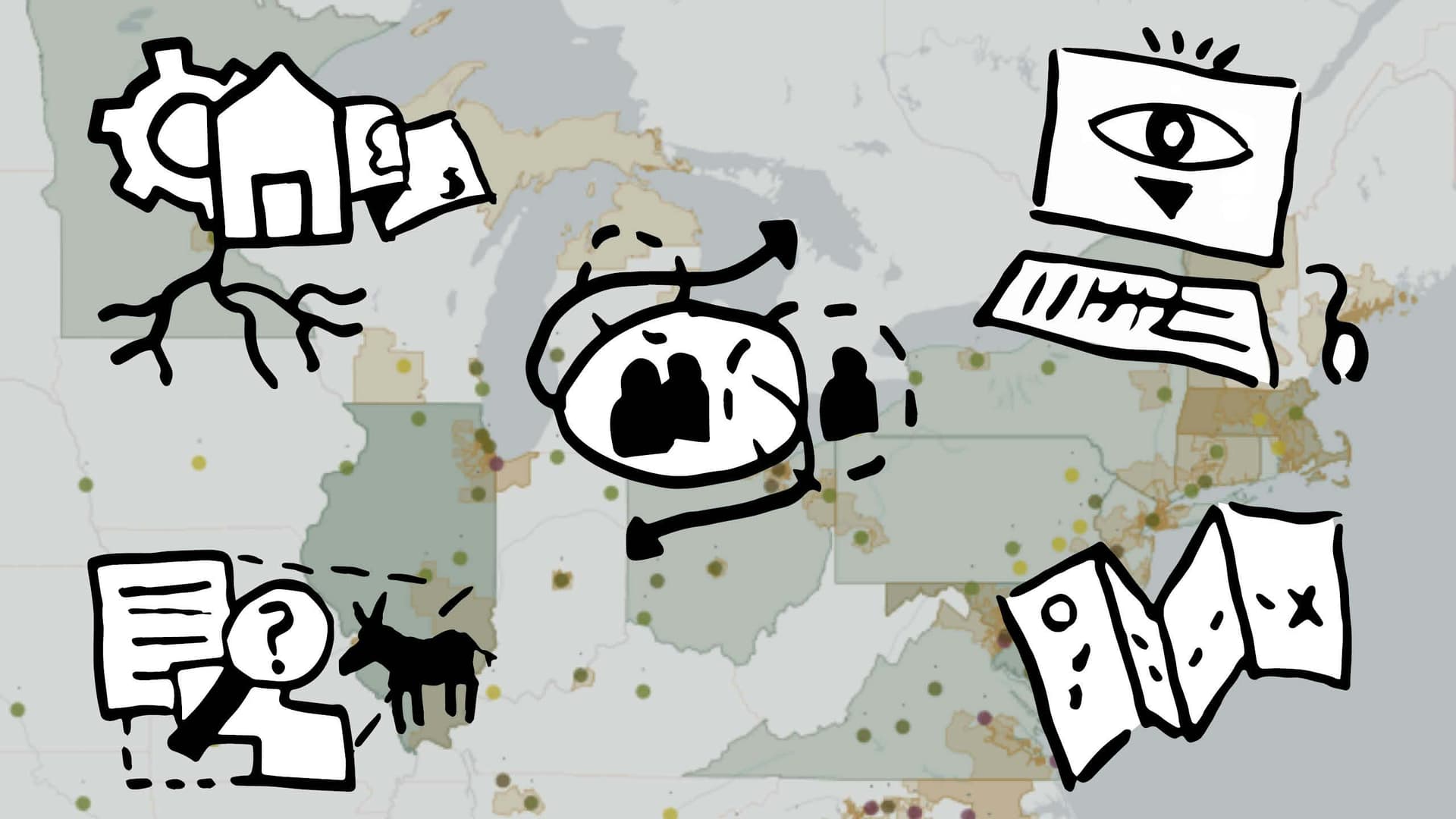
Data Visualization, Design, Design Research, Urban Design, Theory, Web Design, Education Systems Design and Urban Ecologies (MS)
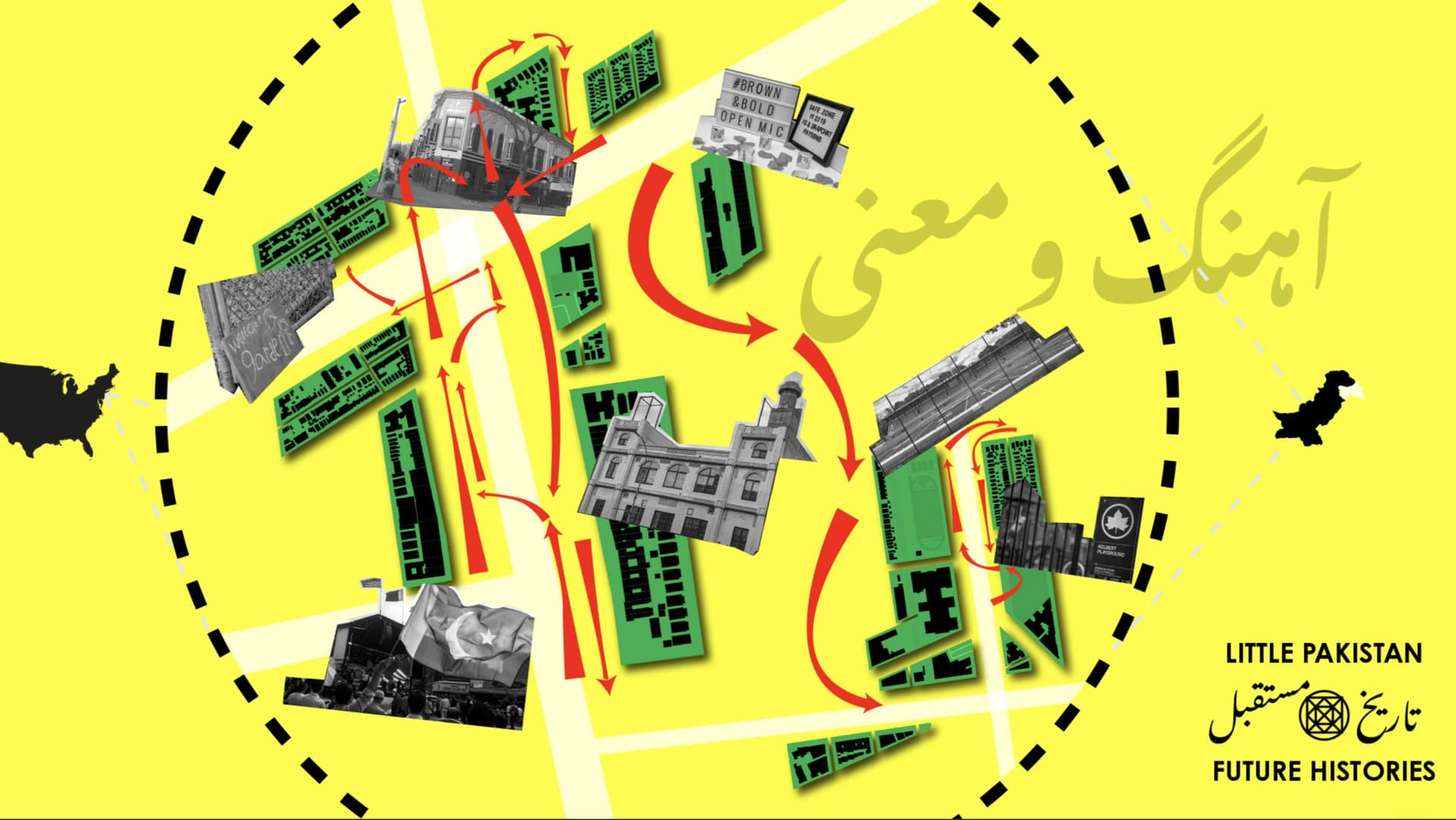
Creative Technologies, Urban Design Design and Urban Ecologies (MS)
Curatorial Practice, Urban Design, Design Thinking Design and Urban Ecologies (MS)
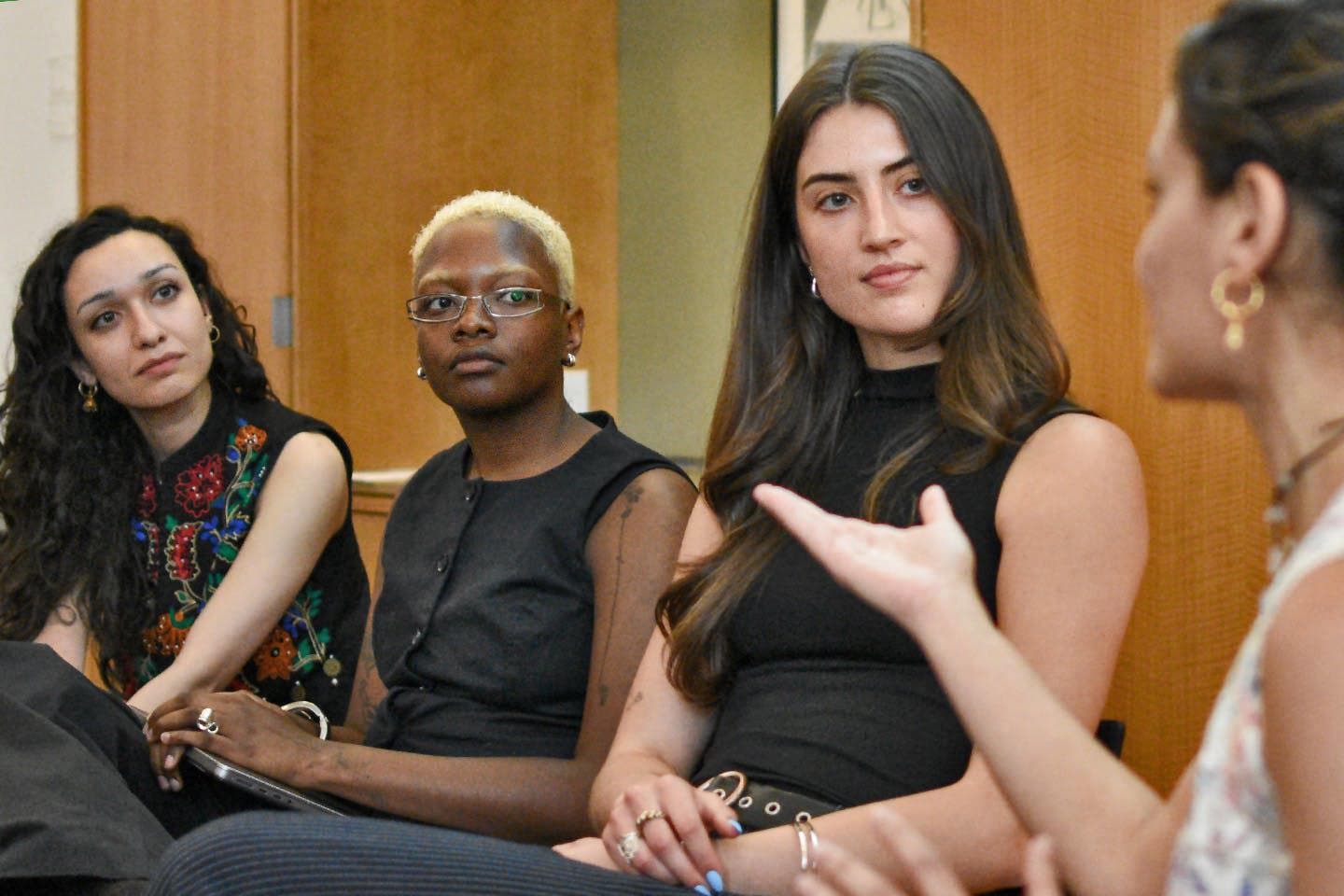
Parsons faculty represent a broad range of expertise and are acknowledged as leading practitioners and scholars in their fields.
Beyond the Classroom
Research Labs
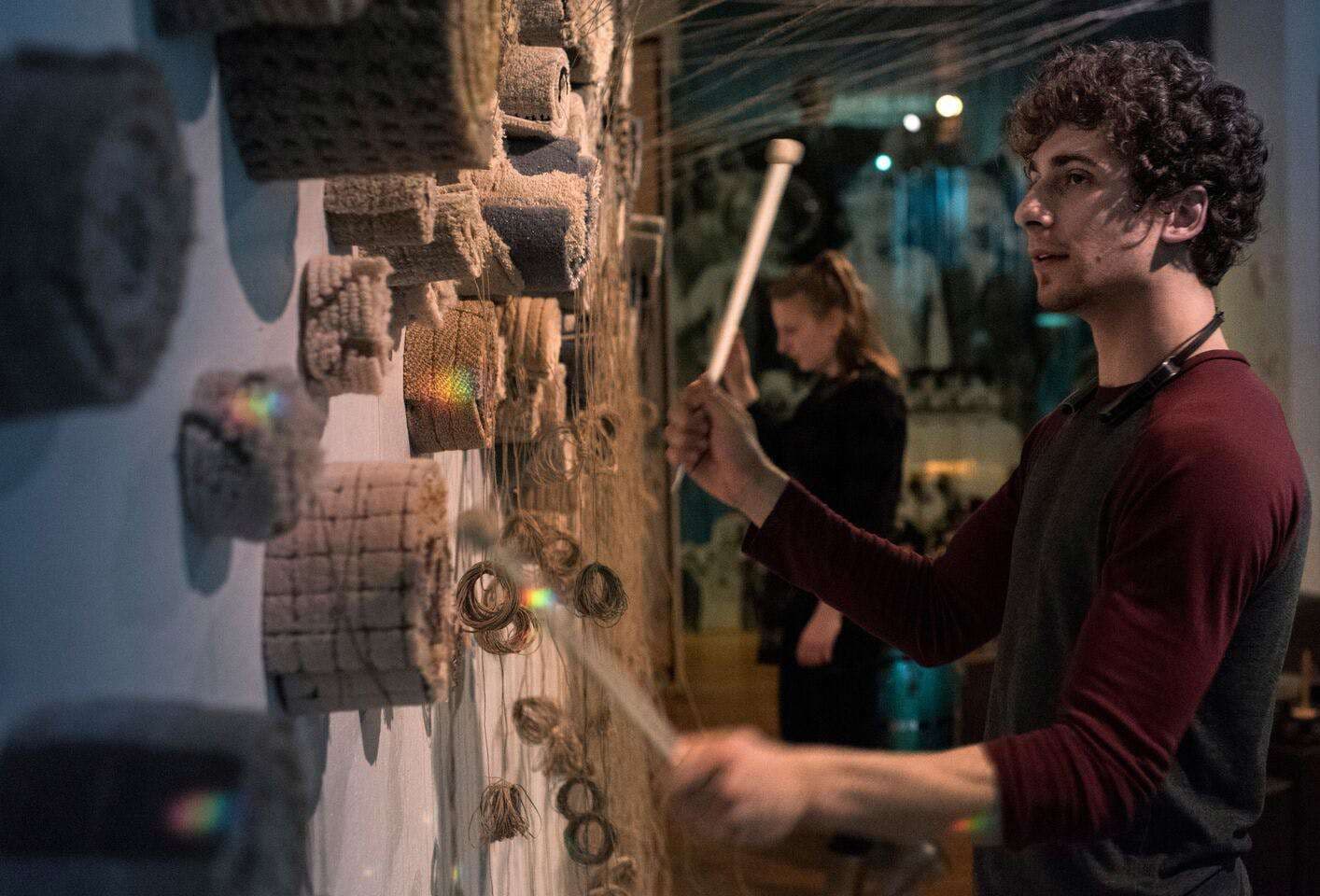
Research is integral to the Parsons learning experience, and students and faculty work together to challenge existing paradigms and advance emerging scholarship and practice. Explore the thematic research laboratories housed at Parsons and throughout The New School.
Industry Engagement
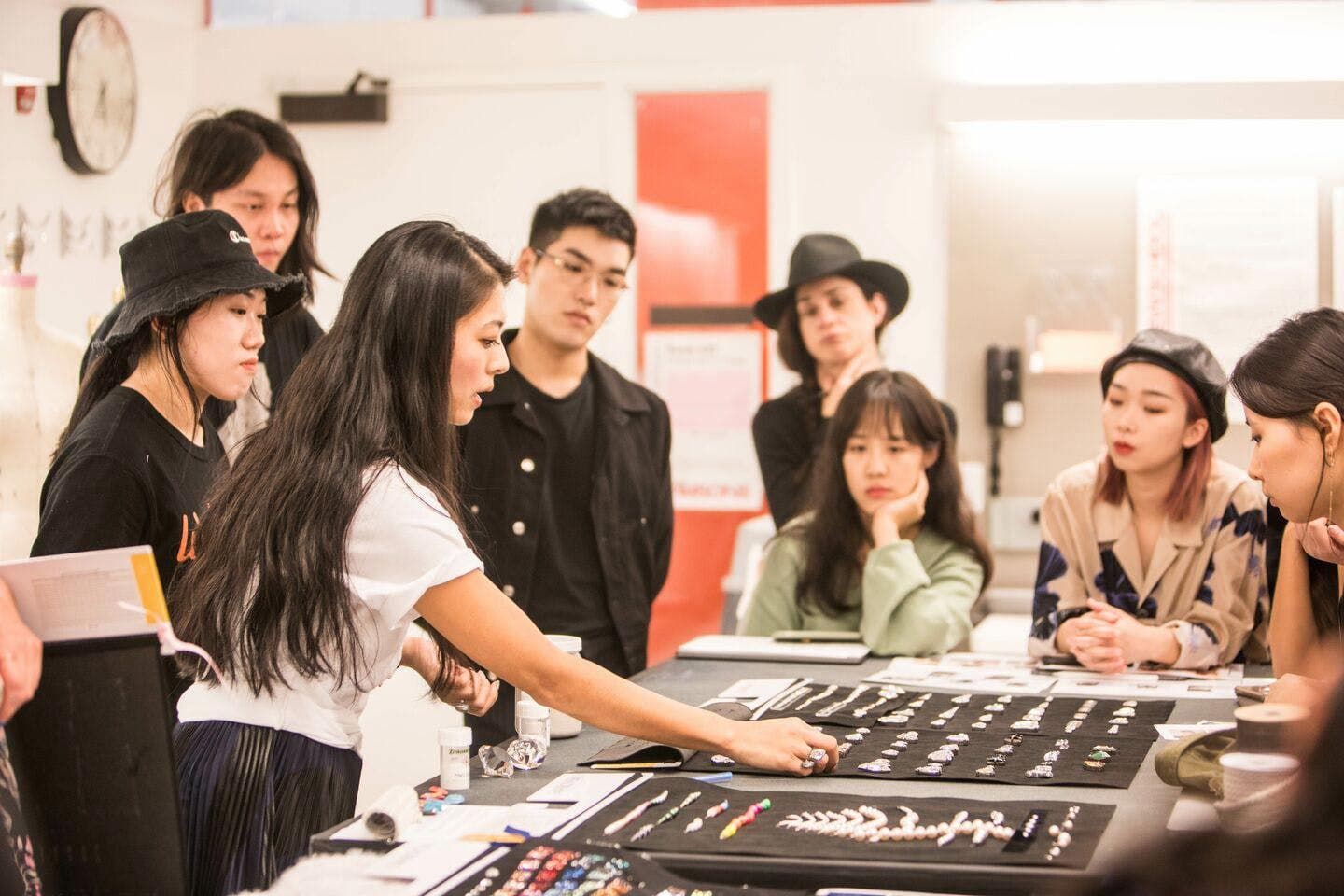
Connect to the organizations, businesses, and entrepreneurs driving global creativity and commerce. In classes, internships, and extracurricular projects, you gain marketable problem-solving skills in sectors ranging from government and nonprofits to tech and creative industries.
Internships
New York City’s thriving creative industry and cultural institutions are part of your Parsons education. Our Career Services Office is enmeshed in the art and design industries and can help you advance your career with industry-oriented internships.
Funded Opportunities
Funds are earmarked for graduate travel, research, and work to support your study. Opportunities include paid teaching assistantships, research fellowships and assistantships (including ones offered throughout The New School), ample student employment, and other grants available to U.S. domestic and international students alike.
Making & Academic Resources
Enjoy access to extensive resources including New School libraries, computer labs, archives, and studios, along with Parsons’ state-of-the-art Making Center, facilities offering a broad array of tools to support your creative and academic growth.
Related Programs
Graduate Degrees
Graduate Minors