At Parsons, our faculty of leading artists, designers, and scholars lead change both in the classroom and in their industries. They work directly with you, building your skills and professional networks. And they develop new ways to make online learning productive and classroom communities close. On our Faculty Stories page, you can explore faculty accomplishments and projects with students.


The Center for the American Experience invites you to join Rhae Lynn Barnes, Assistant Professor of History at Princeton University, and Jonathan Square, Assistant Professor of Black Visual Culture at Parsons, for a discussion of Barnes's book Darkology: Blackface and the American Way of Entertainment. Darkology is a major study of the history of blackface minstrelsy in the United States, showing how deeply it shaped American entertainment, institutions, and racial politics from the nineteenth century through the Civil Rights era and beyond. Drawing on extensive archival research, Barnes challenges the idea that blackface was marginal or short-lived, revealing instead how widely it spread across schools, churches, universities, military spaces, and public life.

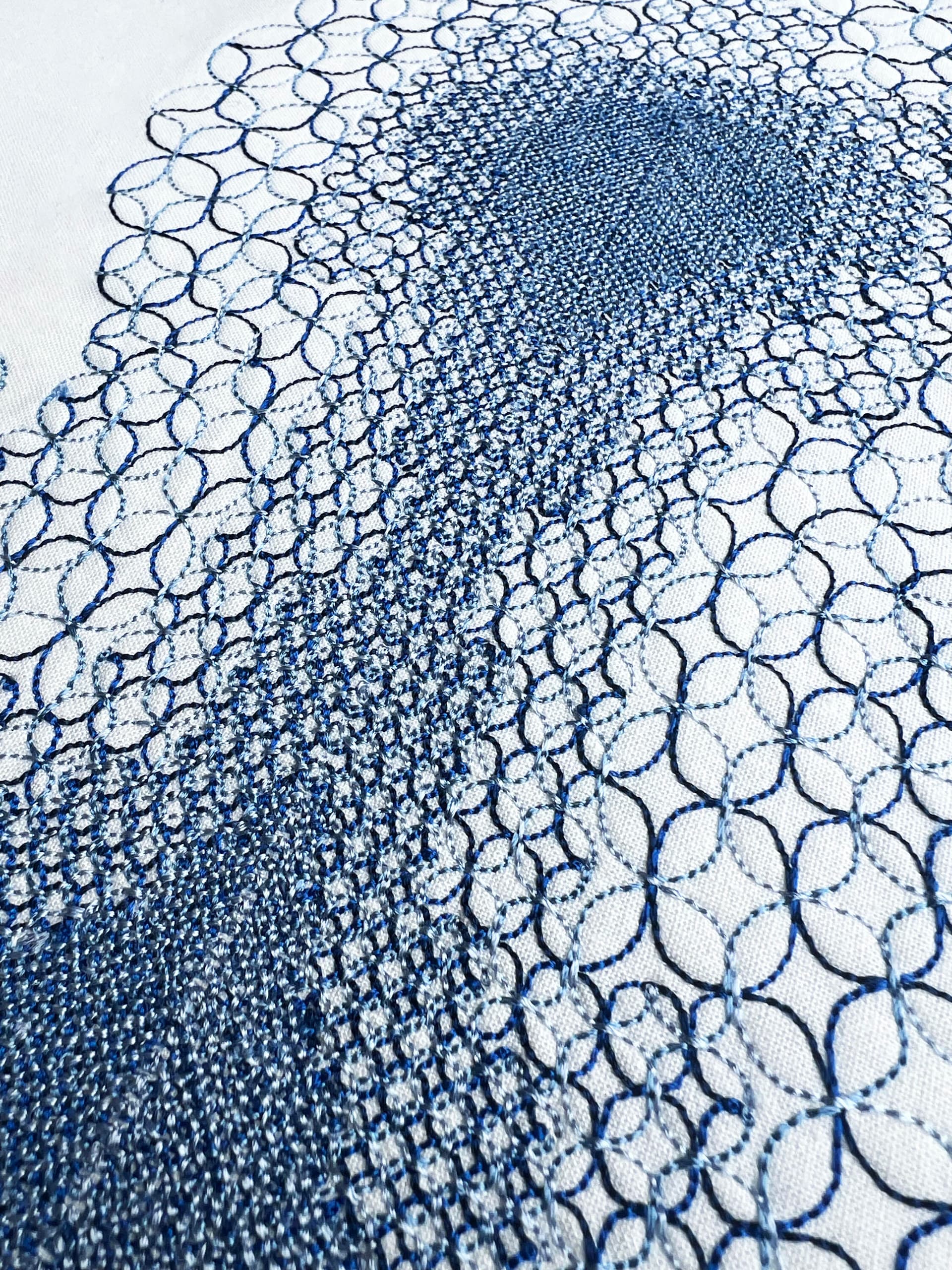
For New York Textile MonthWith Anette Millington, Travis Fitch, and Ragna FrodaTuesday, September 29th from 12 pm - 2 pmKellen AuditoriumRSVP is required This artist/designer talk focuses on digital embroidery in creative work, expanding industrial applications to uncover unique human sensitivities of the machine stitch. The conversation will bring together Response Patterns, a collaborative project by Anette Millington and Travis Fitch, and artist Ragna Froda, to discuss experimentation, machine collaboration, and embroidered materiality. Response Patterns is a collaborative project that leverages Anette Millington’s expertise in pattern and print, and textile embellishment, with Travis Fitch’s in-depth knowledge of digital tools, geometry, 3D-printed embellishment, and architectural design. The ongoing study of geometric and biological patterning informs their research on machine embroidery. Considering the language of patterning- units, symmetries, and algorithmic scale- they work with the embroidery machine to create tactile symbols and surfaces. Ragna Froda is an Icelandic artist, curator, and educator with a background in fashion/ textile design. Her work focuses on the process of making, working with colors and textures, and the history and culture of symbols and patterns in textiles. Ragna will discuss her “Here we go again” series of digital embroideries. The artwork, originally sketched in ink, undergoes a transformation through embroidery, guided by her assistant Bobby, the embroidery robot. As a team, they explore life events, histories, and dreams. The talk will highlight shared interests in material experimentation to expand the lexicon of machine embroidery and add emotive and temporal qualities. Examples include the use of environmentally responsive materials, such as UV-sensitive threads, and textural substrates made from fabric collage and quilting. The conversation will also focus on interventions and design processes for working with digital embroidery software and improvisation between machine and maker. Presented by MFA Textiles

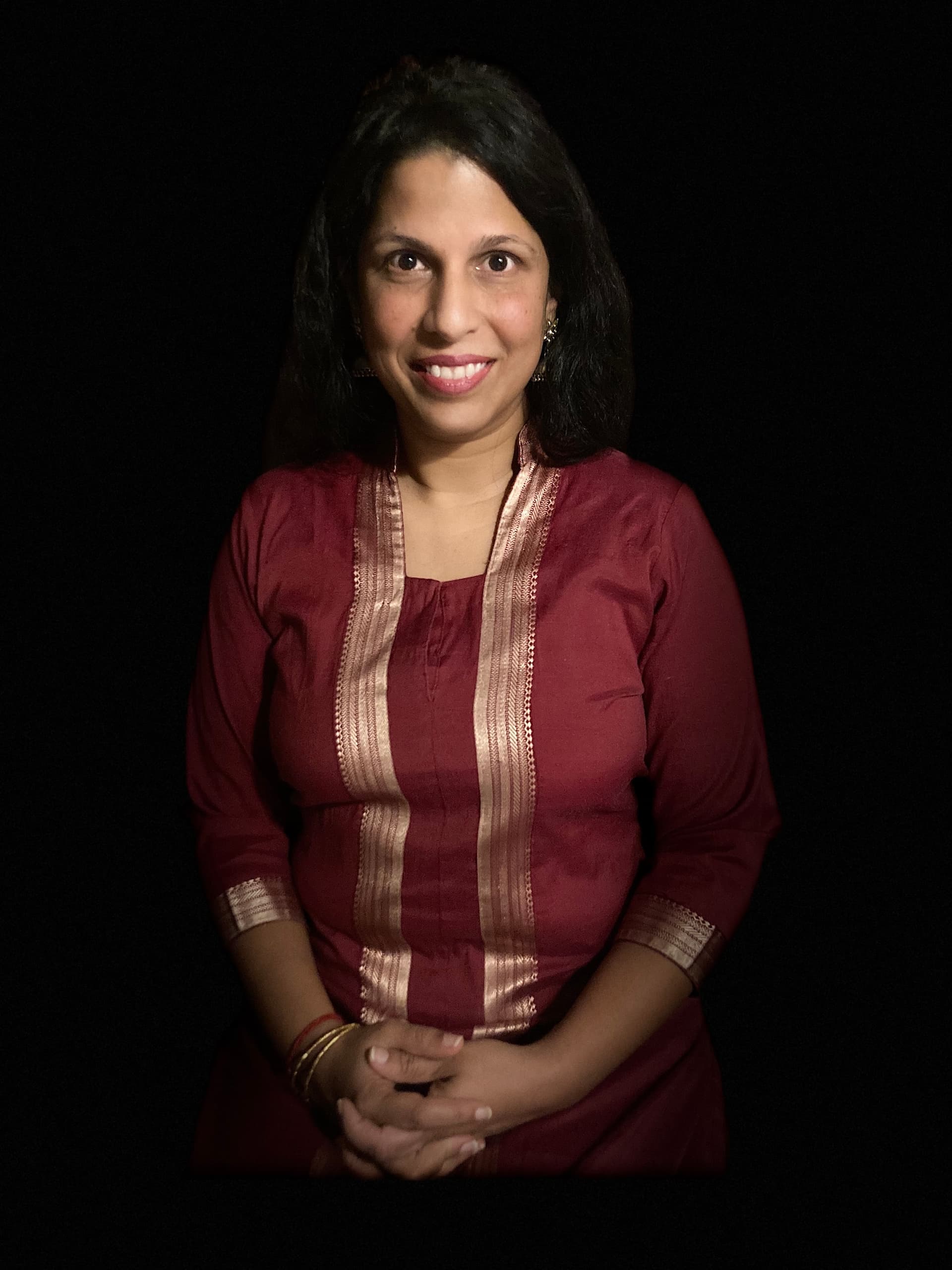
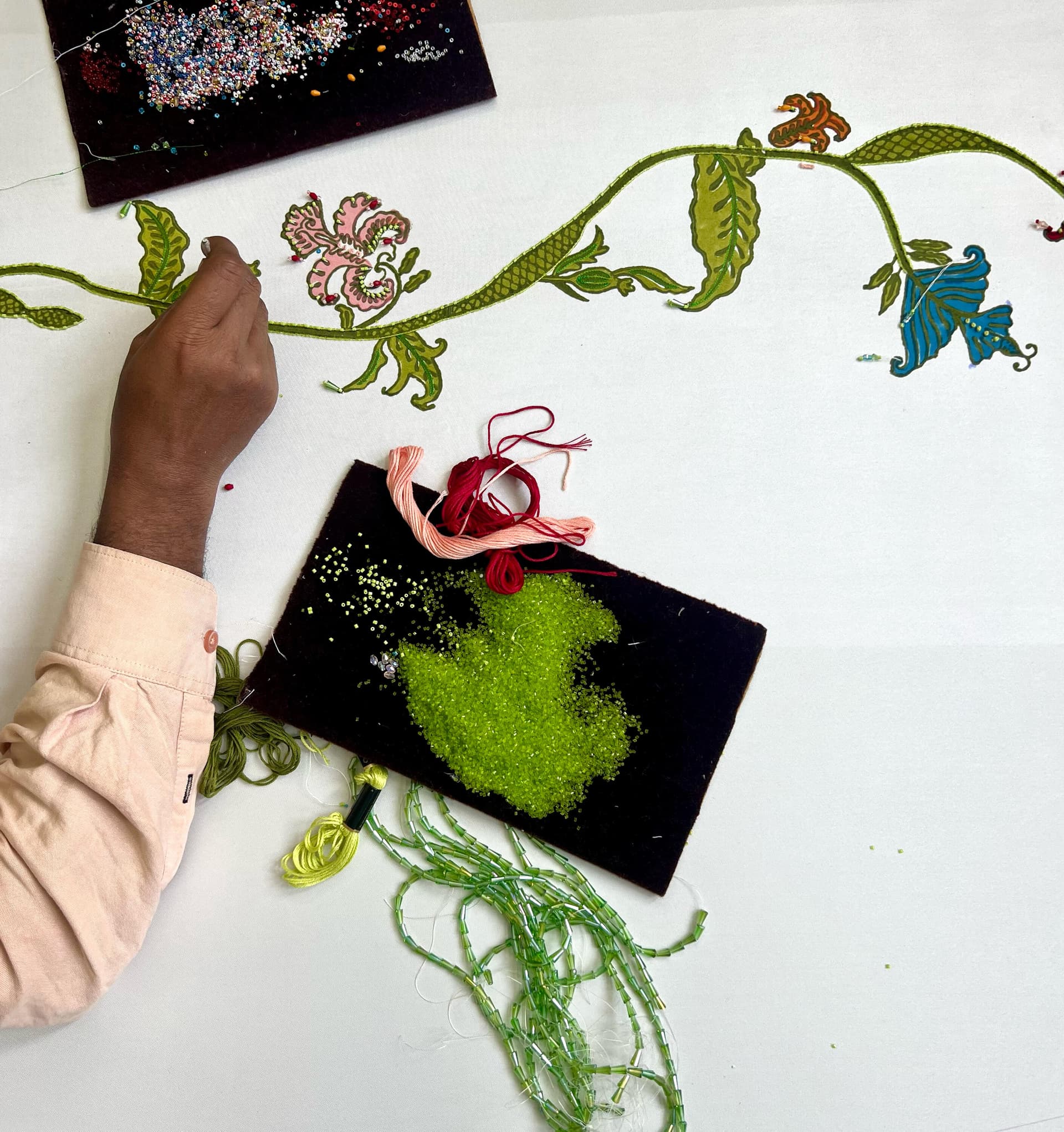
Join Saloni Shrestha, Parsons AAS Fashion Design alum, founder of AGAATI, and co-founder of Salvie Design Atelier in Delhi, for a conversation on the practical and ethical realities of artisan-based production. Drawing on years spent building artisan partnerships and managing atelier-based manufacturing for independent labels — from product development through sampling and production — Saloni's work lives at the intersection of design, craft, and ethical small-batch production.This session offers students a grounded, honest look at what it actually takes to design and produce with artisans and small ateliers, including:- Understanding artisan ecosystems and craft contexts- Translating design concepts into handcrafted production- Communication between designers and makers- Sampling and small-batch production workflows- Timelines, costing, and quality expectations- Ethical collaboration and long-term partnership buildingAs craft-based production becomes increasingly central to sustainable and responsible fashion, this talk offers a realistic and respectful framework for students looking to engage with these ways of working.*This event is open only to the The New Schoolcommunity.

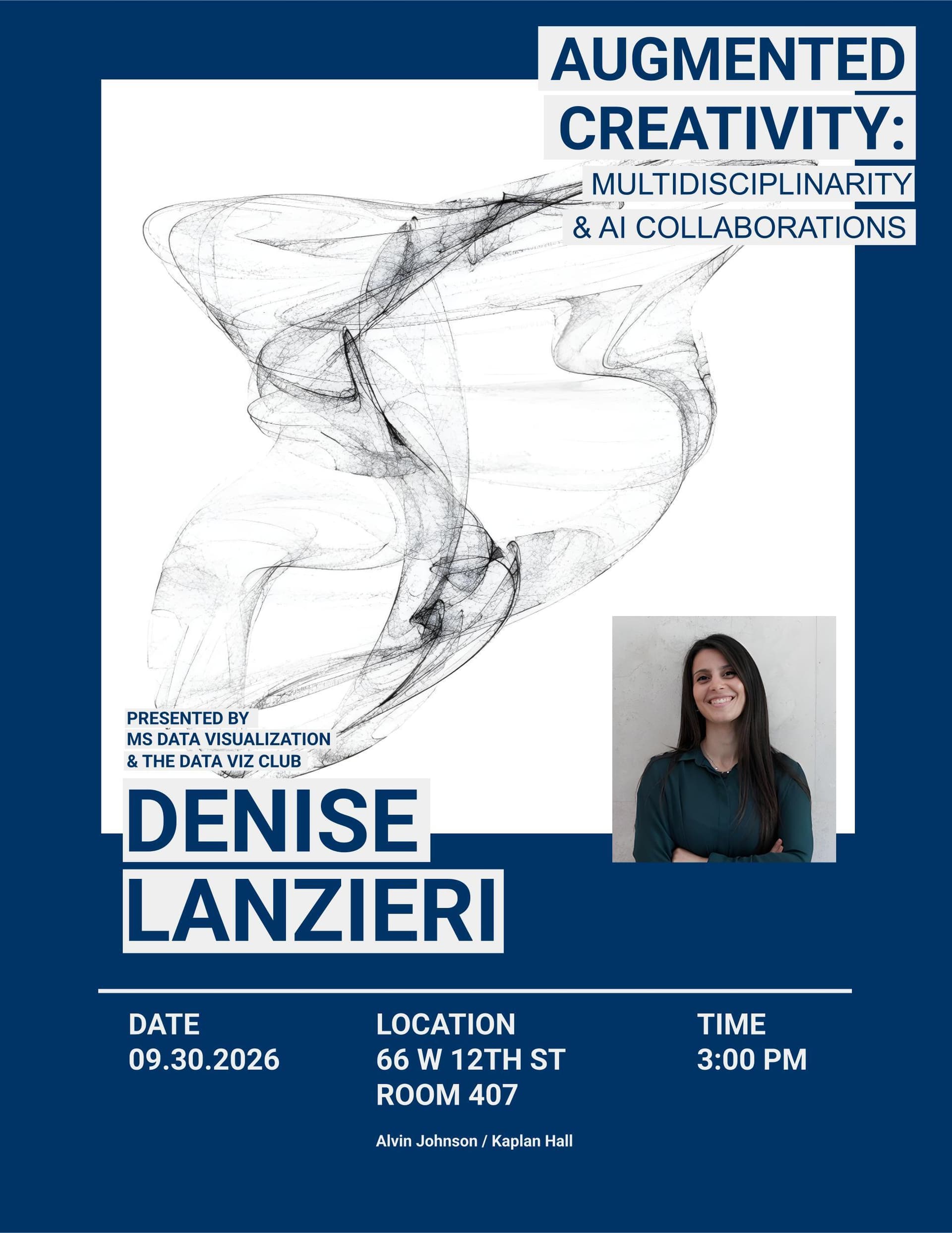
Creativity is a powerful, renewable resource, vital for addressing complex challenges and preserving cultural heritage. Artificial Intelligence plays a key role in this journey, offering tools and insights that expand our potential and unlock previously unimaginable possibilities.This talk shows how work with AI applied to creativity represents an exciting frontier where science and human imagination converge. Foundational disciplines such as physics, mathematics, and statistics provide the tools to model complex systems, identify patterns, and generate novel solutions, all of which are essential for advancing creativity in meaningful ways. AI, supported by these scientific principles, becomes not just a collaborator but a powerful enabler that amplifies our ability to innovate, solve problems, and express ourselves.The work presented is part of a broader research initiative by the Sony Computer Science Laboratories in Rome, where an open and transdisciplinary approach brings together artificial intelligence, information systems, complex systems, and urban studies to explore three interconnected challenges faced by contemporary society: creating healthier and more transparent information environments, developing more sustainable cities, and understanding how AI can expand human capabilities.Denise Lanzieri conducts research at the intersection of artificial intelligence, statistical modeling, and the study of complex systems. After completing a PhD in astrophysics at the CosmoStat Laboratory of CEA Paris-Saclay, where she worked on observational cosmology, Deep Learning, and high-dimensional inference techniques, she shifted her research toward new areas related to Augmented Creativity. She is currently a member of the Augmented Creativity team at Sony Computer Science Laboratories – Rome (Sony CSL - Rome), where she explores the potential of artificial intelligence to understand the complexity of open-ended systems and the processes through which new ideas emerge. Her work connects tools developed for the study of the universe with new questions about creativity, the generation of novelty, and human–machine collaboration, while maintaining a strong interest in the integration of physical models and Machine Learning approaches. This talk explores the frontier where AI, science and human imagination converge. Foundational disciplines such as physics, mathematics, and statistics provide the tools to model complex systems, identify patterns, and generate novel solutions, all of which are essential for advancing creativity in meaningful ways. AI, supported by these scientific principles, becomes not just a collaborator but a powerful enabler that amplifies our ability to innovate, solve problems, and express ourselves.Denise Lanzieri holds a PhD in astrophysics at the CosmoStat Laboratory of CEA Paris-Saclay, where she worked on observational cosmology, Deep Learning, and high-dimensional inference techniques. She is currently a member of the Augmented Creativity team at Sony Computer Science Laboratories - Rome, where she explores the potential of artificial intelligence to understand the complexity of open-ended systems and the processes through which new ideas emerge.

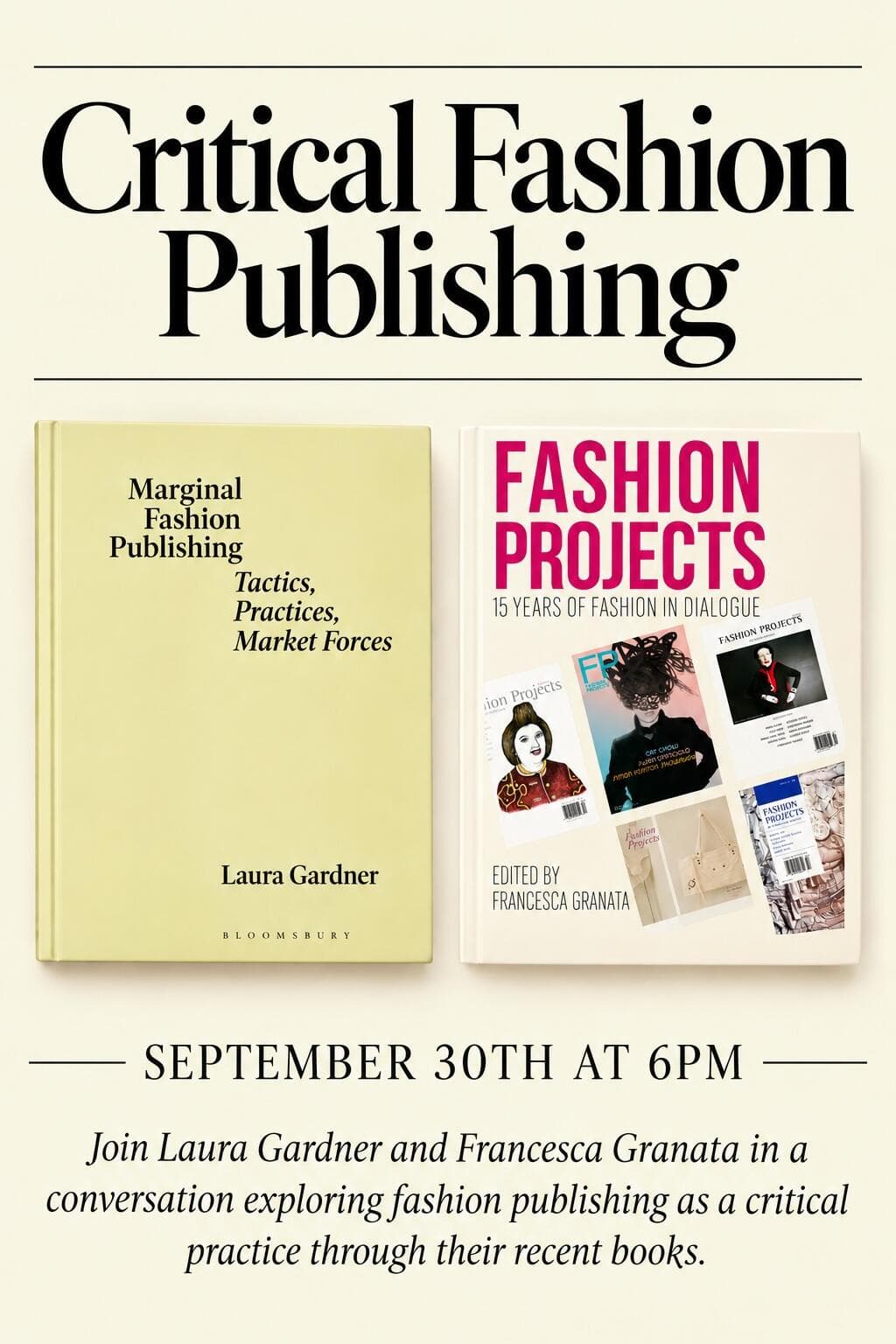
Join Laura Gardner and Francesca Granata in a conversation exploring fashion publishing as a critical practice through their recent books Fashion Projects: 15 Years of Fashion in Dialogue (Intellect) and Marginal Fashion Publishing: Tactics, Practices, Market Forces (Bloomsbury). Both Francesca and Laura are publishers of small-press imprints, and their books explore practices and histories of small-scale models of publishing, critical writing, and creative production in the margins of fashion’s industrial forces.Together, they will explore the possibilities of small press fashion publishing as a collaborative, critical praxis, in the context of the fashion media landscape today.
The New School admits students of any race, color, national and ethnic origin to all the rights, privileges, programs, and activities generally accorded or made available to students at the school. It does not discriminate on the basis of race, color, national and ethnic origin in administration of its educational policies, admissions policies, scholarship and loan programs, and athletic and other school-administered programs.