Rebranding Sustainability
Fashion Design (BFA)
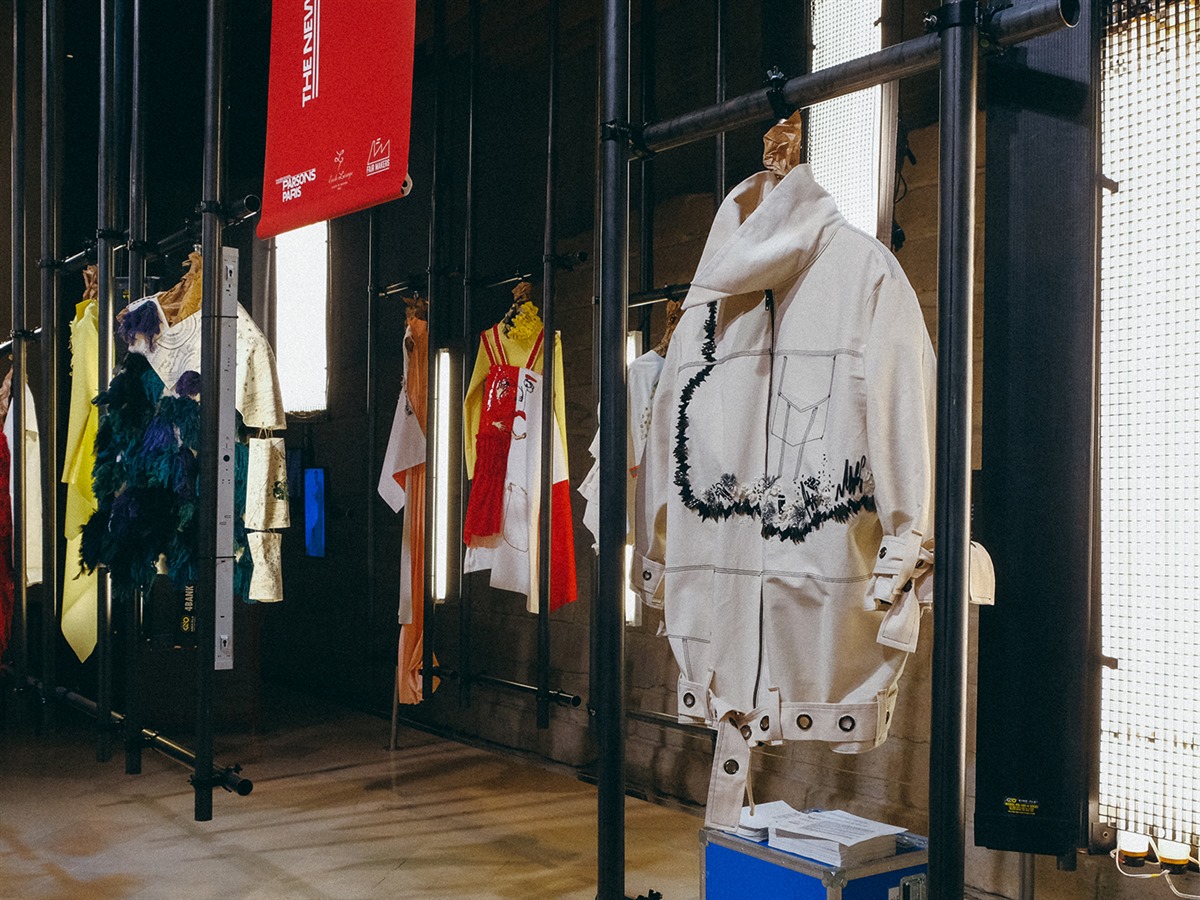
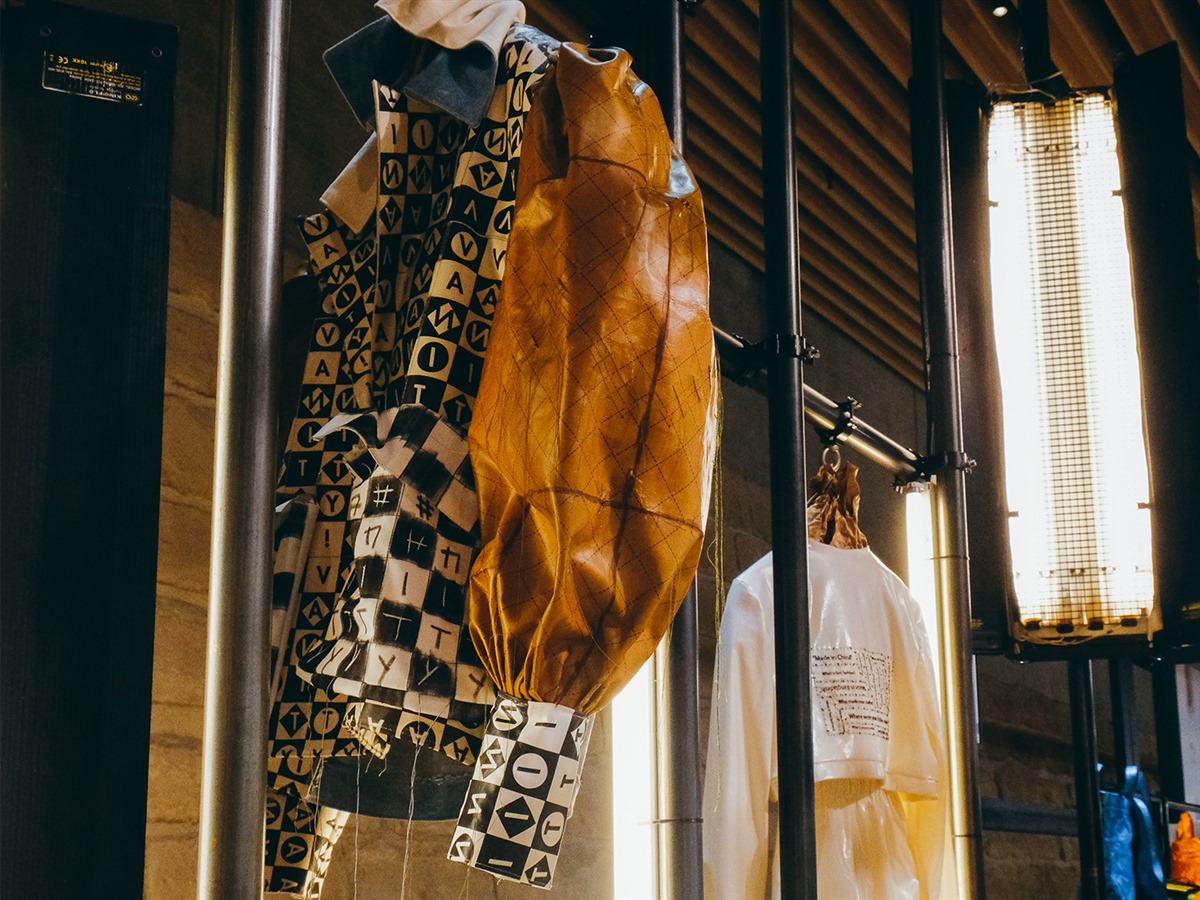
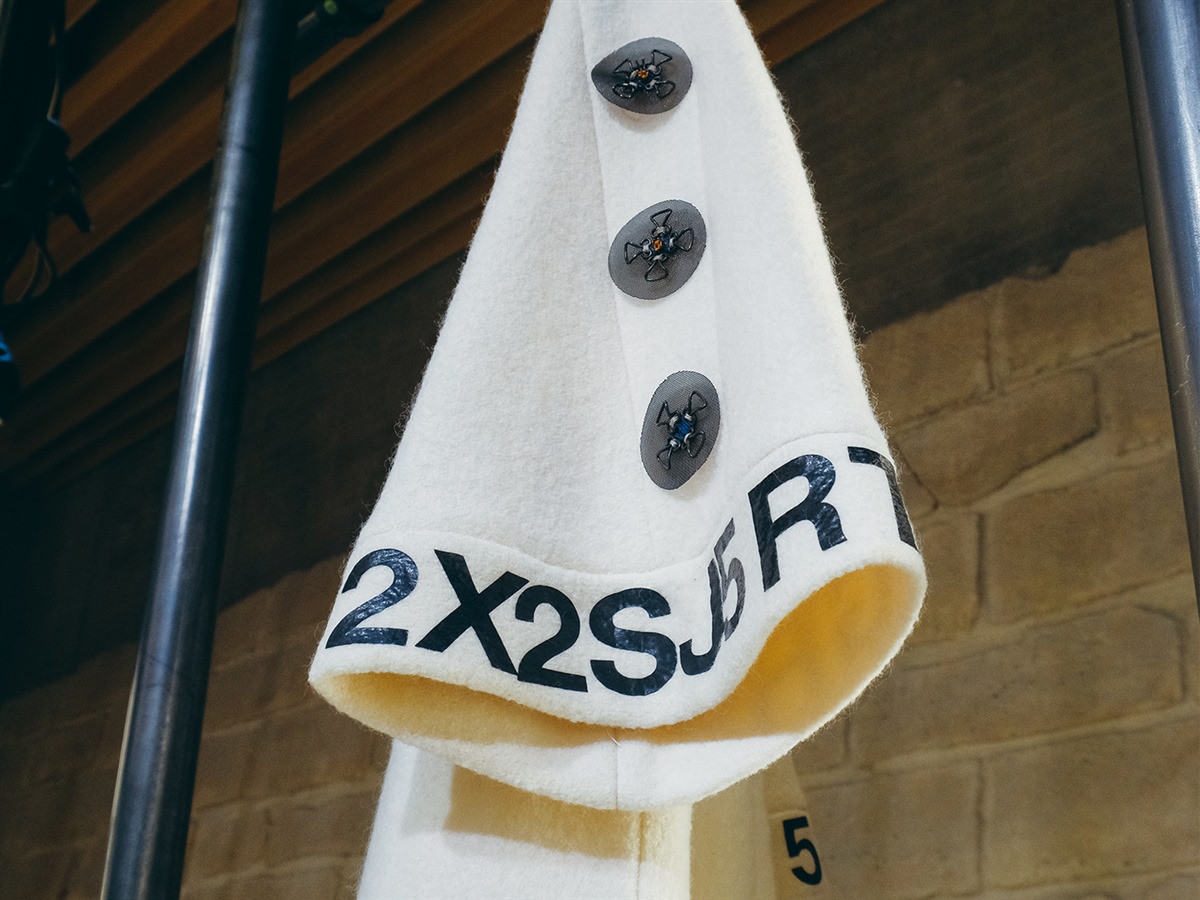
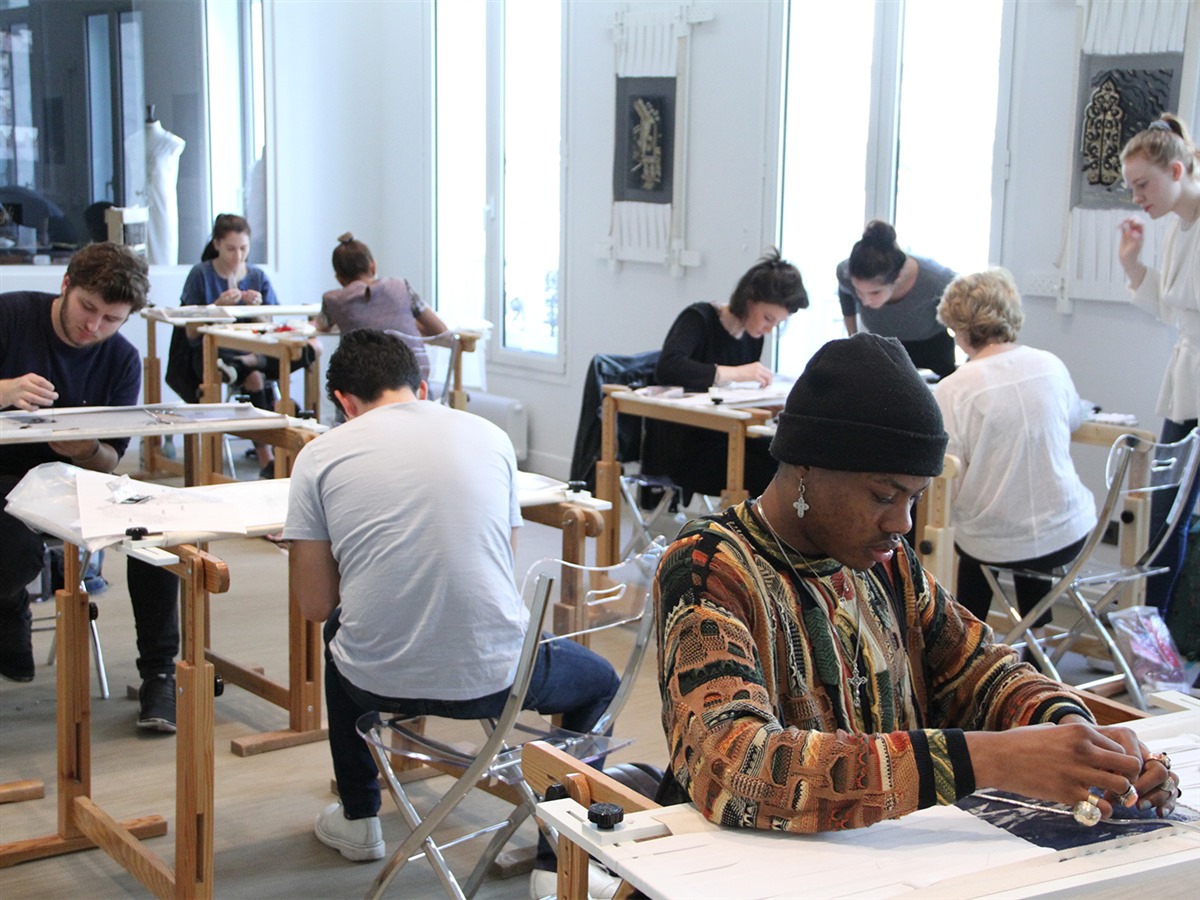
In spring 2018, Parsons Paris and fashion trade show Tranoï launched the Rebranding Sustainability initiative. As part of the endeavor, sophomore students produced 27 unique pieces from natural or recycled textiles, all embroidered by hand—thanks to the collaboration of the artisans of Maison Lesage—in traceable materials.
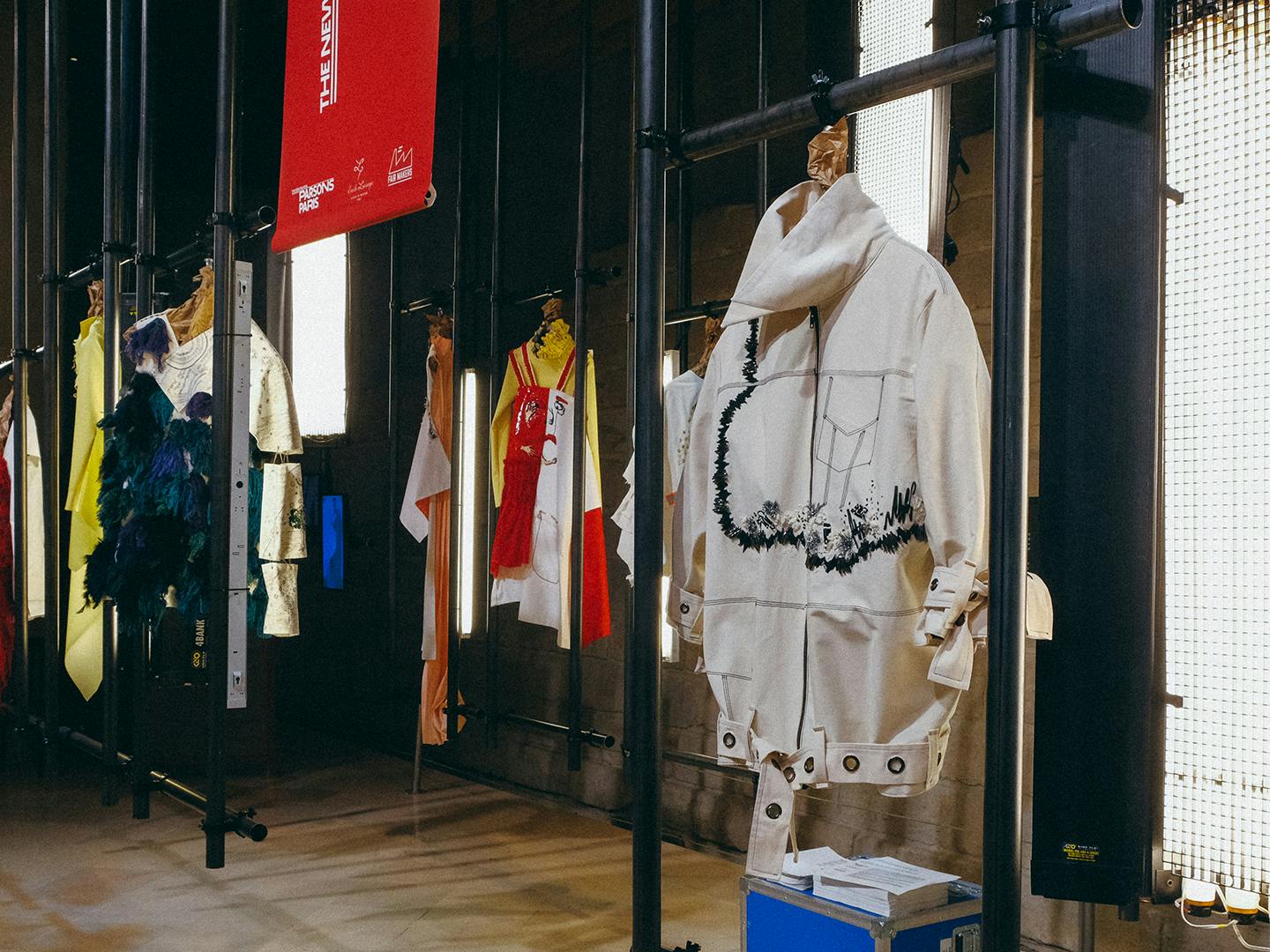
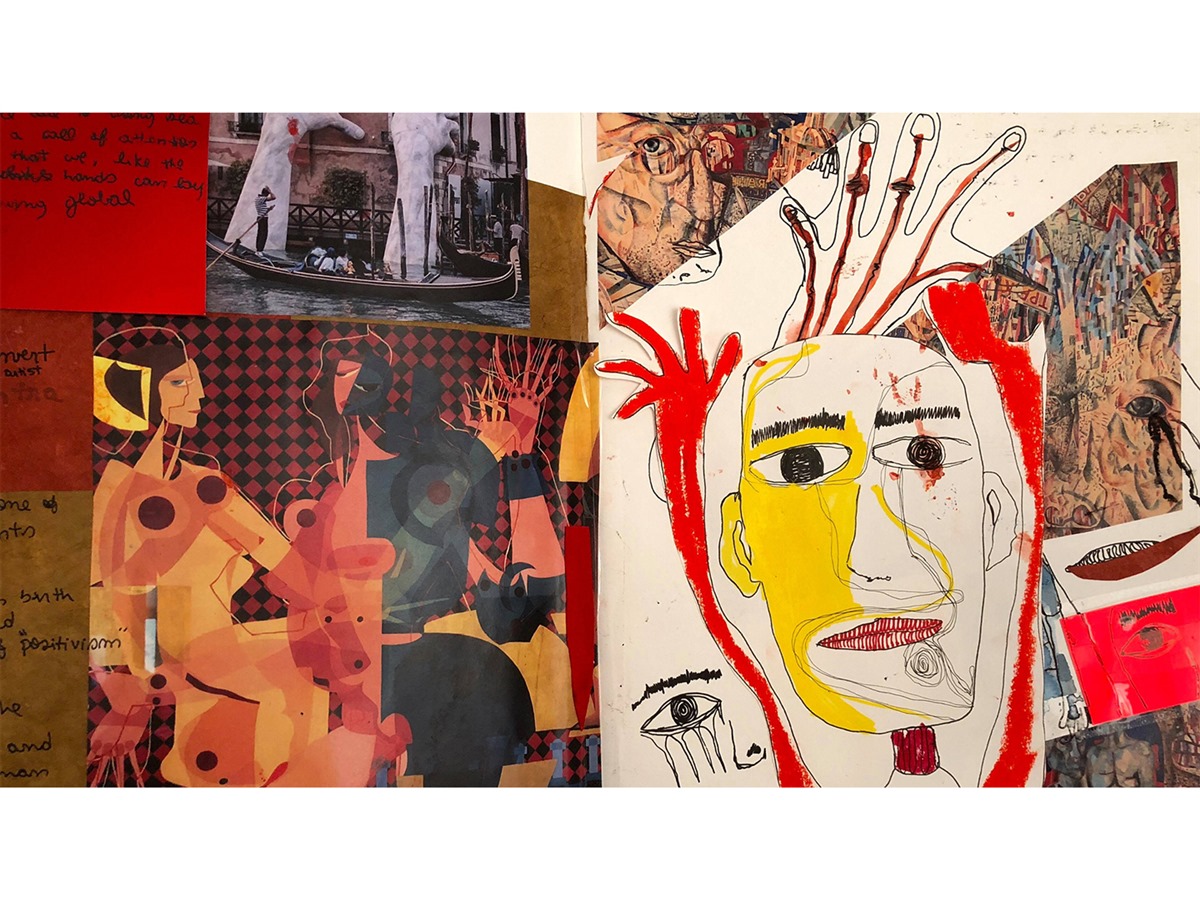
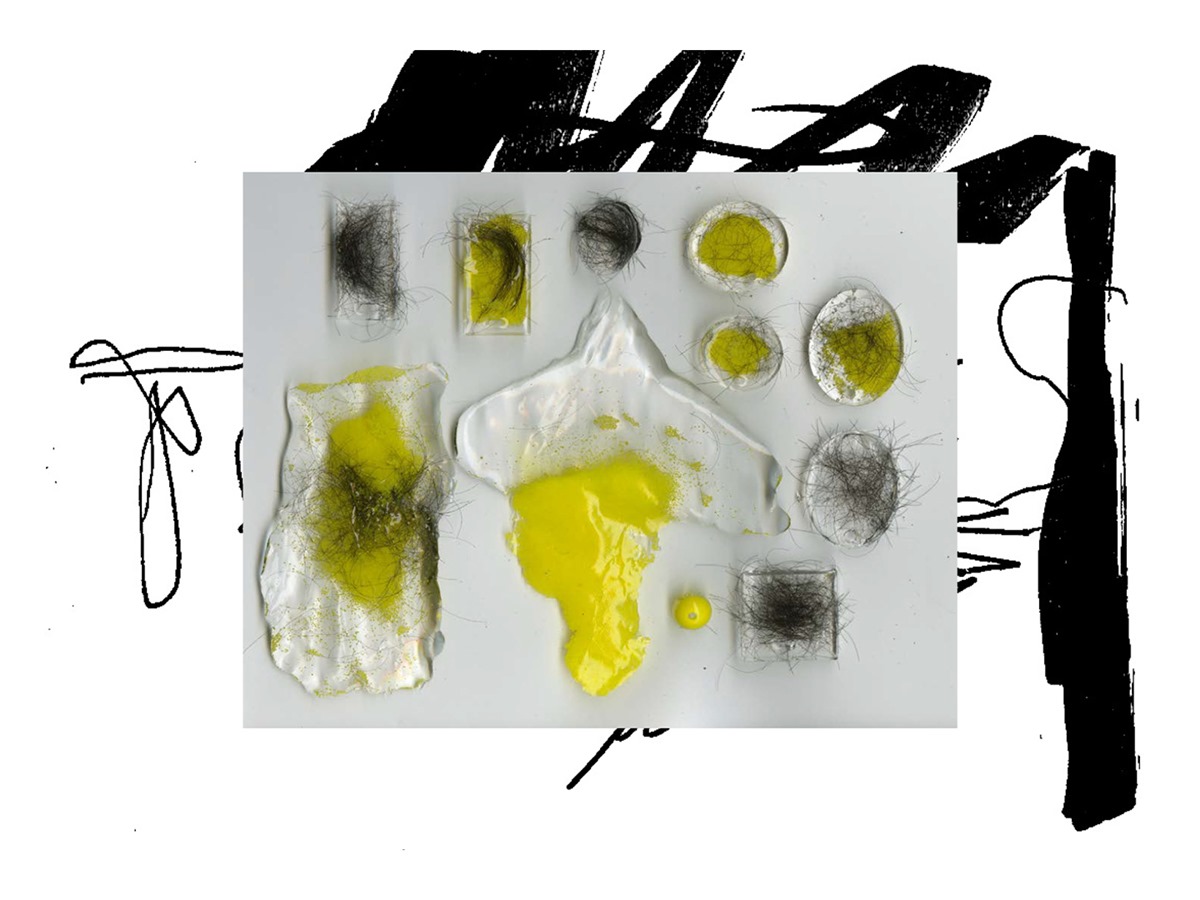
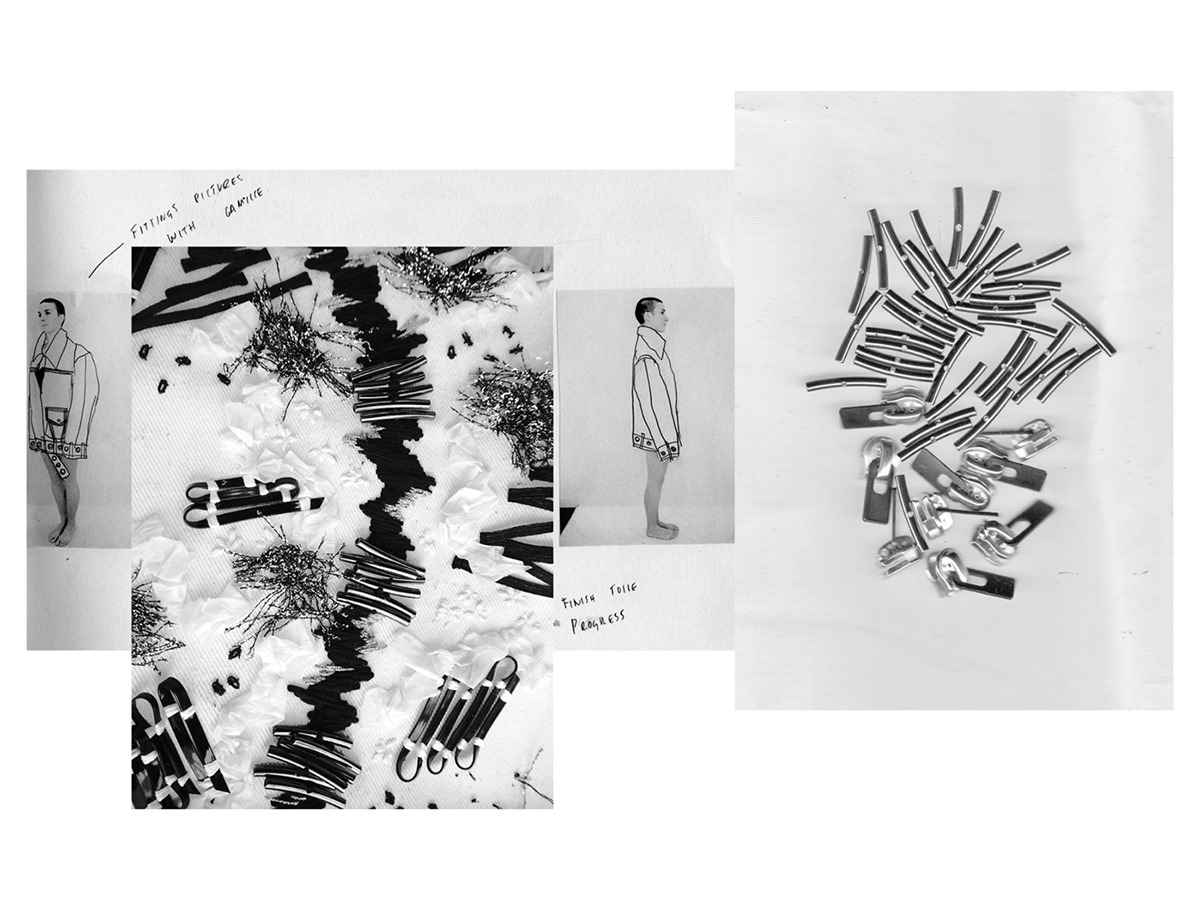
For the corresponding exhibition at Carrousel du Louvre, Tranoï selected 12 pieces reflecting four major themes: Reinvented Materiality, Climate Change, Second Life, and Critical Systems. The first group documented unexpected associations of materials, such as remains of hair, recycled cotton thread transformed into organic lace, outdated wool balls and feathers made of recycled fibers. The climate change pieces focus on the irreversible consequences of natural disasters such as the millions of hectares of forests destroyed by mining in Brazil. In the third group, a second life is given to objects and clothing resurrected from recovered debris that simultaneously redefine the spatiality of the body. The pieces of the fourth group express the repressed anger of the designers over the consequences of fraudulent practices and trafficking associated with the counterfeiting and the exploitation of textile workers in many parts of the world.
Group Project: Rebranding Sustainability
Rebranding Sustainability
Group Project: Rebranding Sustainability
Rebranding Sustainability
Group Project: Rebranding Sustainability
Rebranding Sustainability
Group Project: Rebranding Sustainability
Rebranding Sustainability
Group Project: Rebranding Sustainability
Rebranding Sustainability
Group Project: Rebranding Sustainability
Rebranding Sustainability