Jingxin Wang
Fashion Studies (MA)
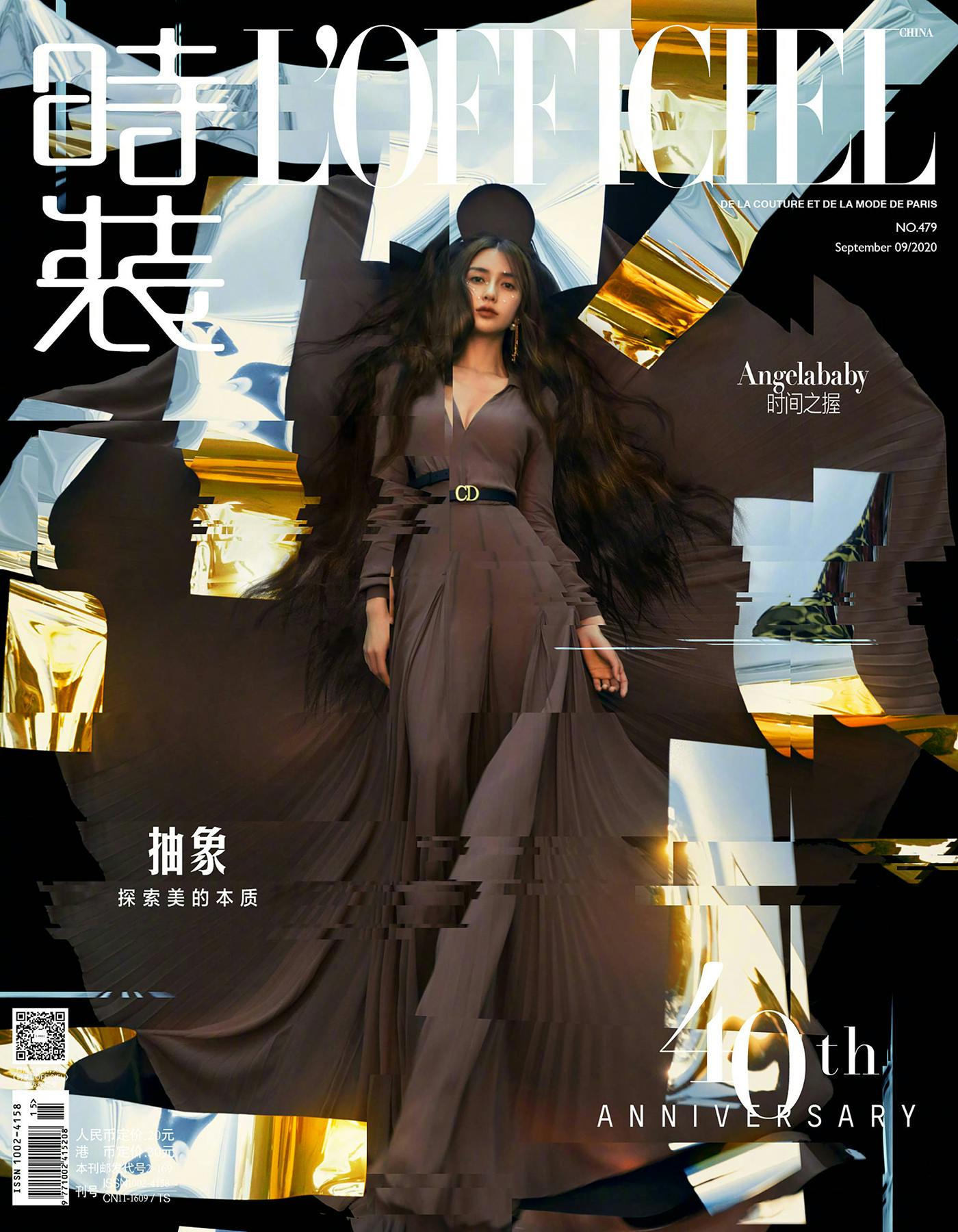
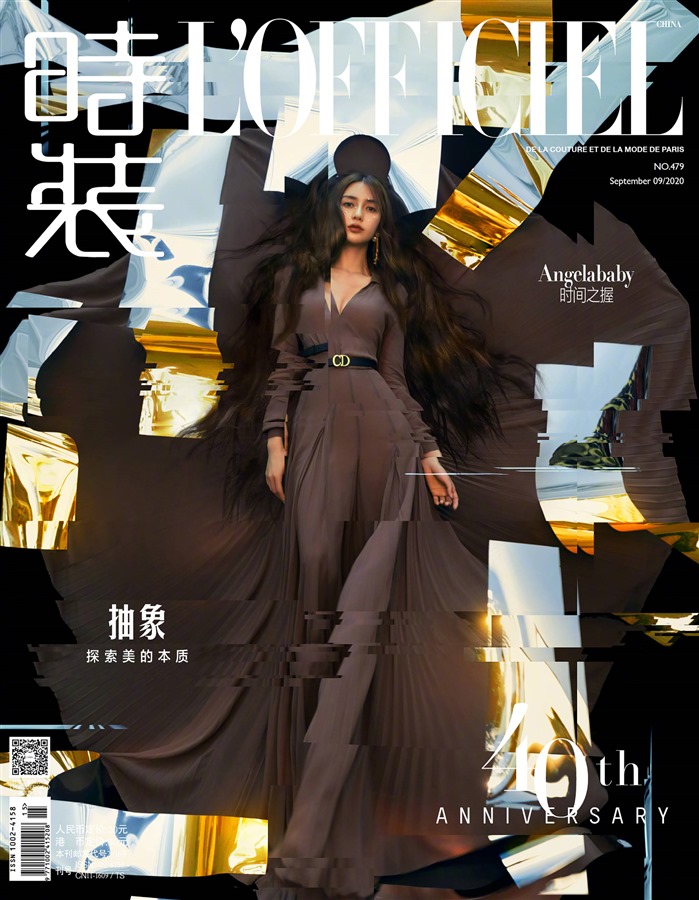
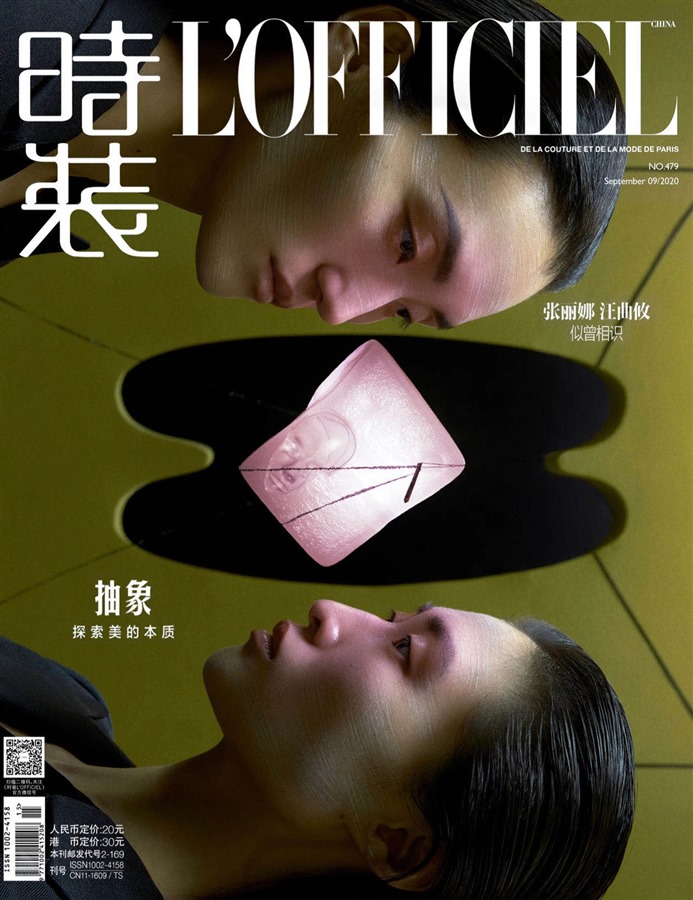
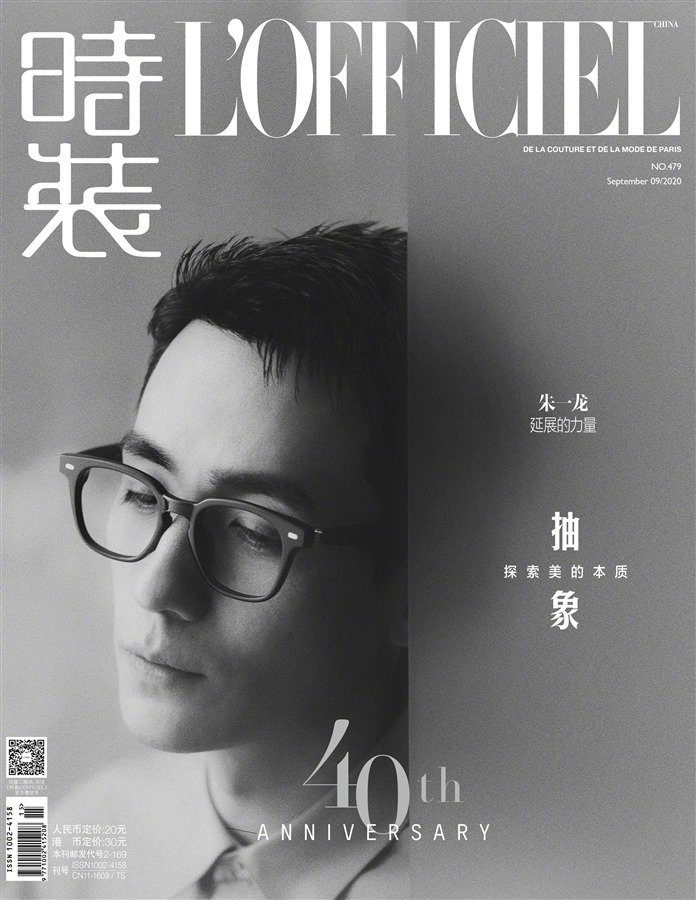
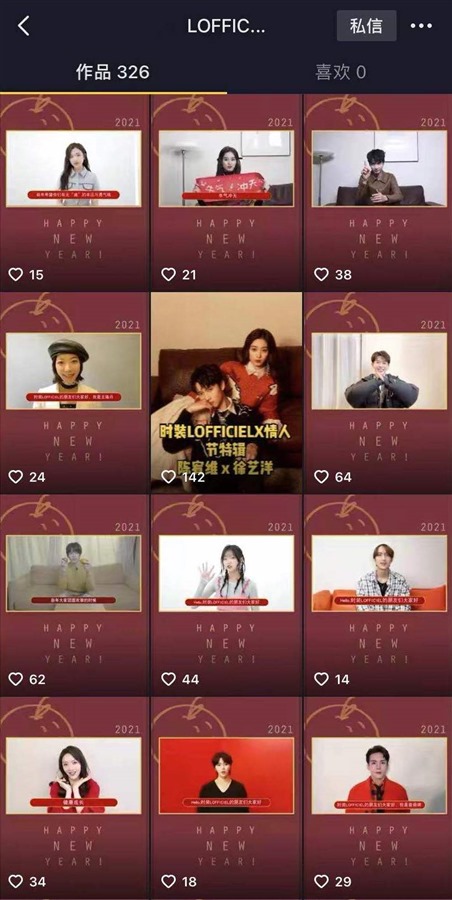
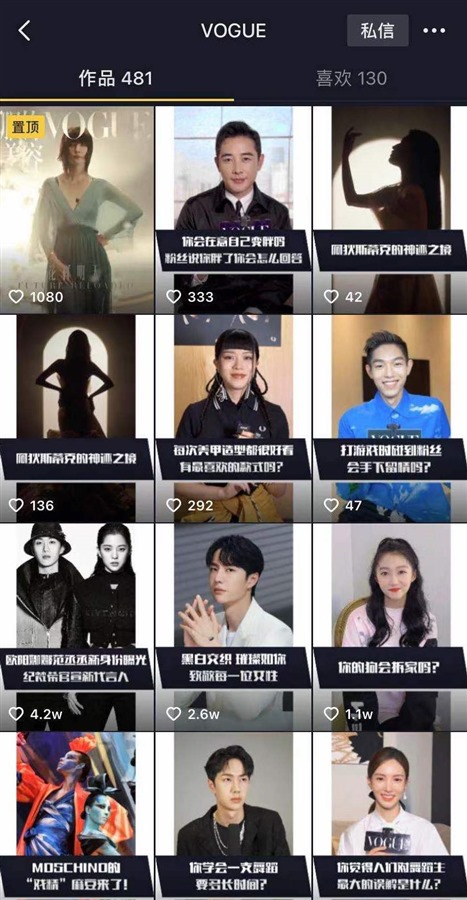
In the last few years, fashion publication companies in China have been shifting from print to digital and social media. As fashion magazines could not solely rely on print for their revenue, they gradually adopted social media platforms as a new pathway to consumers. Although the growing reliance on social media like TikTok/Douyin in the fashion industry is widely discussed, there remains a lack of academic literature that analyzes the move in the fashion industry from printed publications to social media. In this thesis, I focus on the increased use of TikTok/Douyin, one of the fastest-growing short video apps in fashion and media, since 2018, the year TikTok had its global release. I examine the origins of this shift and explore the differences between printed fashion magazines and digital media in terms of business models and content. I begin my thesis by defining traditional fashion magazines and “new media”; I then distinguish between fashion journalism and advertisements and explore the way advertising works on different platforms. My thesis comprises case studies of L’Officiel China, a company at which I worked as an intern; interviews with former colleagues; and a series of discursive analyses of media studies. I seek to reveal how the distinction between fashion journalism and advertising has been deepened by the rise of new media.
Jingxin Wang
The Future of Fashion Magazines in China: From Print to Douyin
Jingxin Wang
The Future of Fashion Magazines in China: From Print to Douyin
Jingxin Wang
The Future of Fashion Magazines in China: From Print to Douyin
Jingxin Wang
The Future of Fashion Magazines in China: From Print to Douyin
Jingxin Wang
The Future of Fashion Magazines in China: From Print to Douyin