Calista Huynh
Redefining Circularity
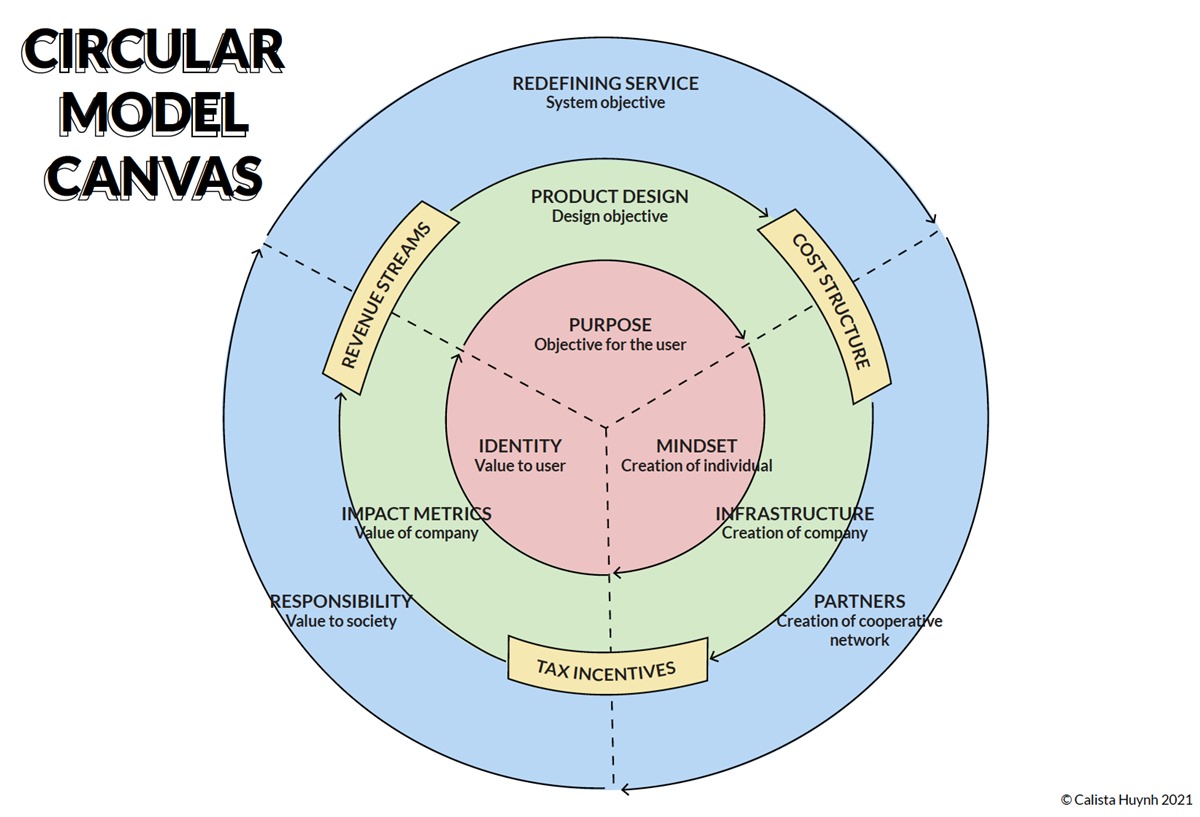
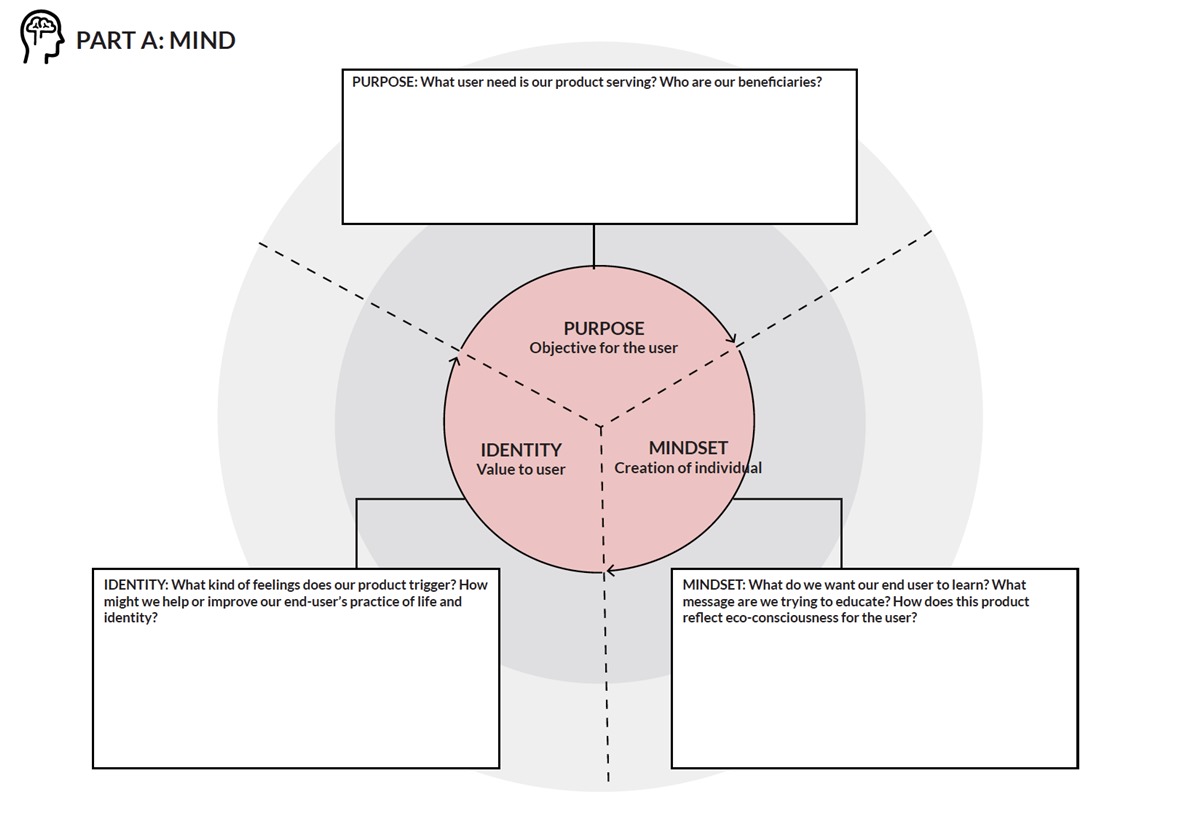
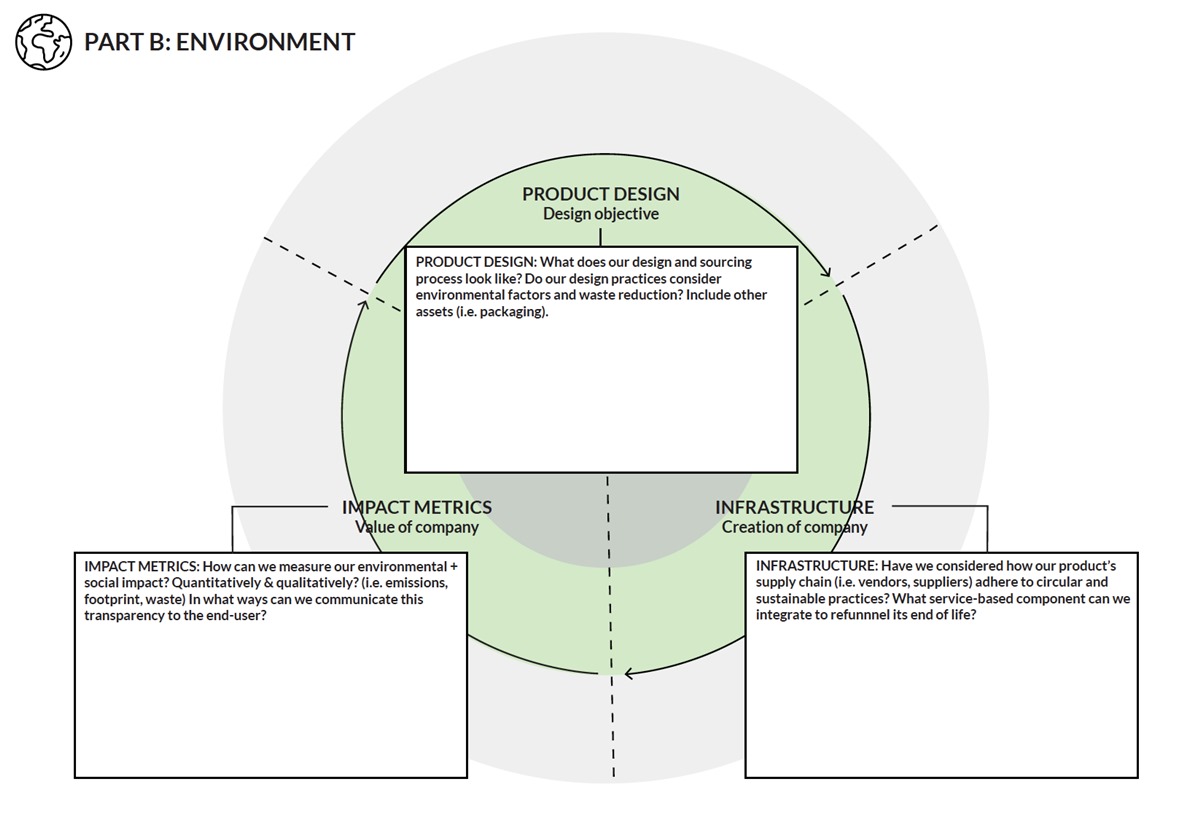
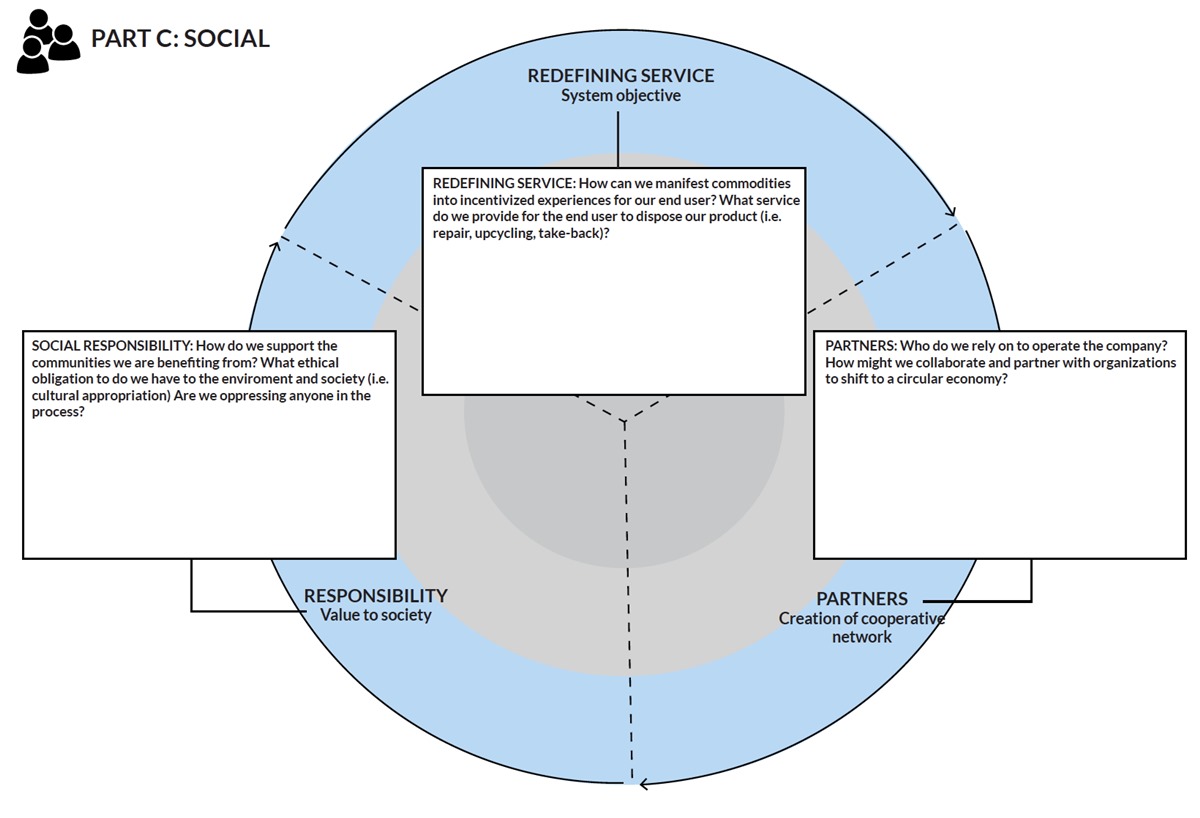
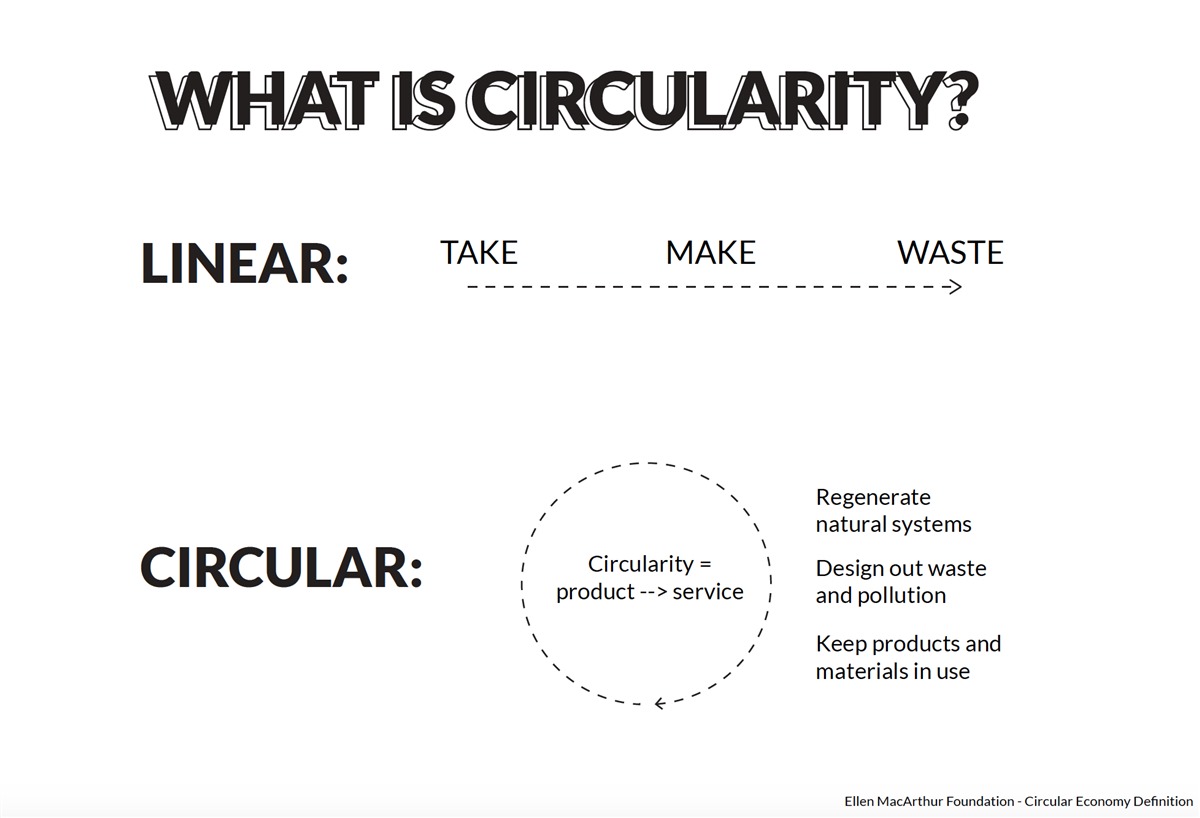
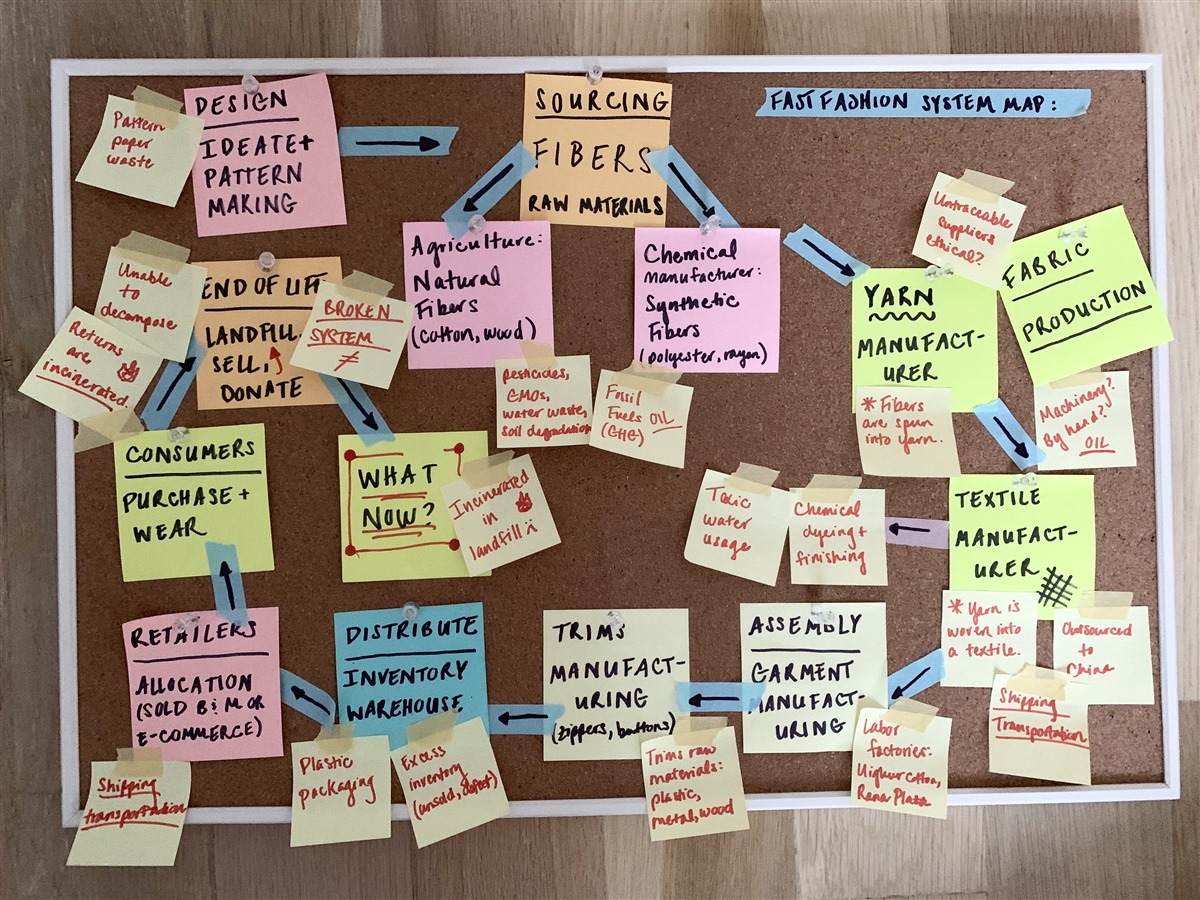
The initial problem I wanted to solve was to take down fast fashion conglomerates. My hypothesis asked, “Addressing the key tension point between pre consumer and post consumer, how might we refunnel end of life cycle products back into the beginning of the supply chain in order to pivot to a circular economy?” However, I quickly discovered through my research that the expectation of existing companies to perform in an environmentally sustainable way isn't reasonable, nor an effective solution. There are many deeper, systemic issues that prevent companies from entering the circular economy. Furthermore, the shift from a linear “take, make, waste” model to a circular business model is a hard and overwhelming process. My goal was to tackle these root pain points and develop a solution to support this transition to circularity. As a designer, I wanted to find a way to help people engage with circularity without feeling discouraged or hindered. This need led me to create the Circular Model Canvas (CMC). Inspired by the Business Model Canvas, this holistic framework reimagines the traditional business model into a circular one. I designed a tool that would challenge young entrepreneurs to apply these big picture ideas of what it means to be circular to their business and provide a personal roadmap for those who might feel overwhelmed with the concept. In addition, I created an interactive resource hub for users who are curious to dive deeper into the canvas sections. The CMC Resource Guide will provide links to examples and resources they can refer to for guidance and clarity to better inform their prompt answers.
Calista Huynh
Redefining Circularity
Calista Huynh
Redefining Circularity
Calista Huynh
Redefining Circularity
Calista Huynh
Redefining Circularity
Calista Huynh
Redefining Circularity
Calista Huynh
Redefining Circularity
Calista Huynh
Redefining Circularity