Fashioning Memory: Vintage Style and Youth Culture
Fashioning Memory: Vintage Style and Youth Culture
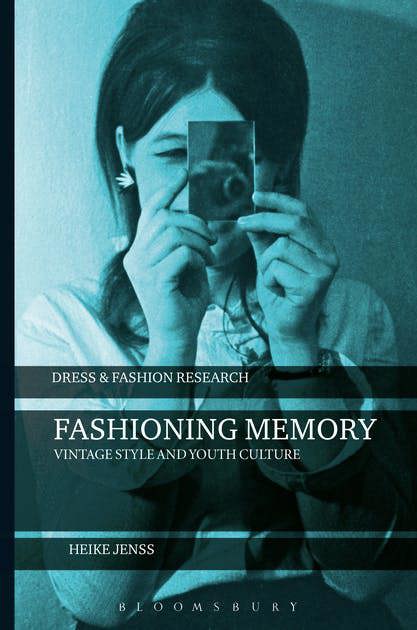
"The valuing of old clothes as 'vintage' and the recollection of the sartorial past, whether through second-hand consumption or the wearing of new old-fashioned clothes, has become a widespread phenomenon. This book illuminates sartorial and bodily engagements with memory and time through the temporal and nostalgic potency of fashion, and what this means for contemporary wearers.
"Based on in-depth ethnographic research including participant observation and interviews with sixties enthusiasts in Germany, who relocate British mod style into the twenty-first century, Jenss examines the practices and experiences that are part of the sartorial remembering of 'the sixties,' from hunting flea markets and eBay, to the effect of material and mediated memories on vintage wearers.
"Jenss offers unique insights into the fashioning of time, cultural memory, and modernity, tracing the history and current appeal of vintage in fashion and youth culture, and asking: what kind of experiences of temporality and memory are enacted through fashion? How have evaluations of second-hand clothes shifted in the twentieth century? Fashioning Memory provides a unique insight into the diverse use of fashion as a memory mode and asks how style is remembered, performed, transformed, and reinvested across time, place, and generation." —Bloomsbury Publishing