Zevin K. Acuña: Designing for Dialogue
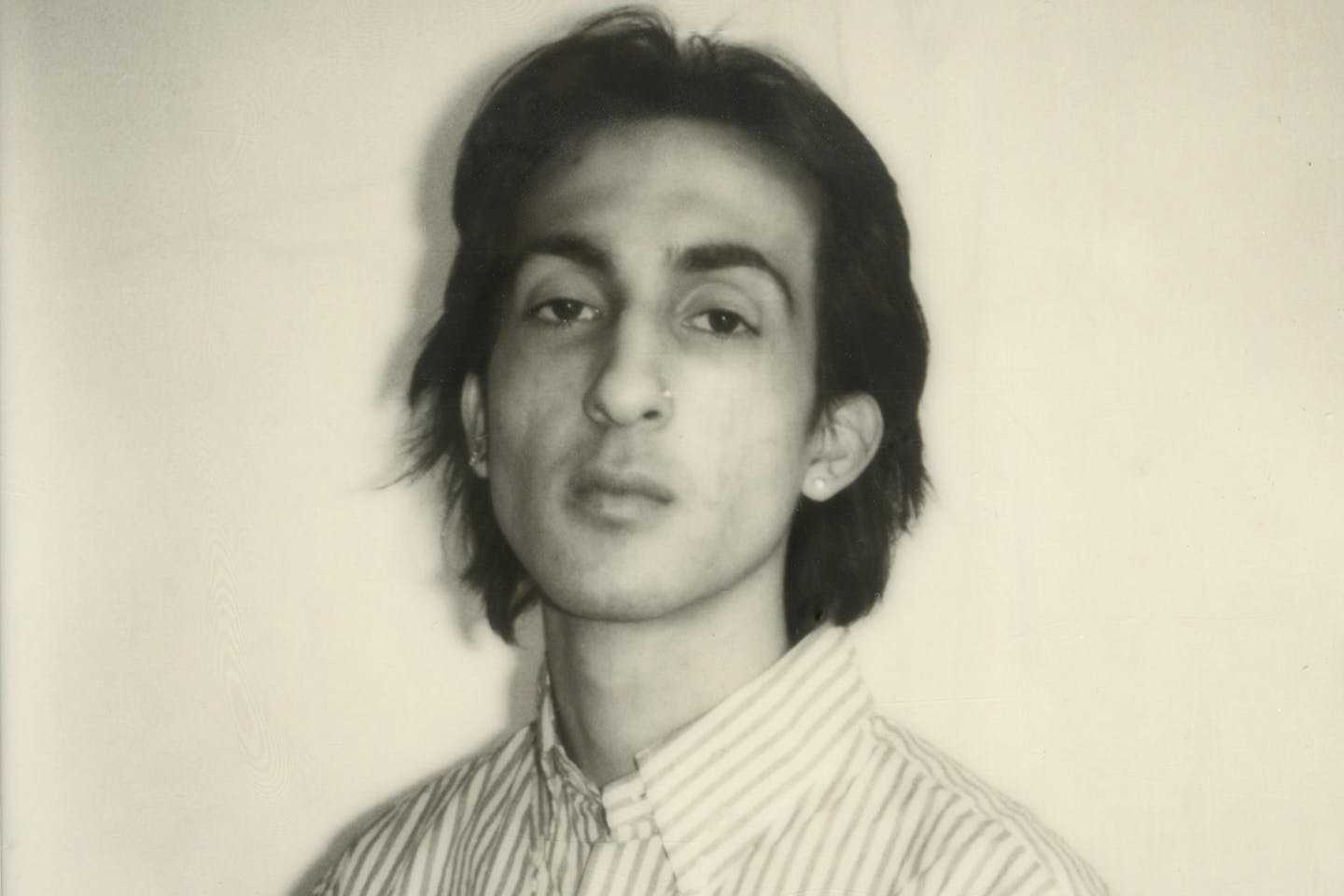
Zevin Acuña has always been passionate about building things. “I enjoy using my hands and working with different materials,” he says. The BFA Integrated Design program’s emphasis on cross-disciplinary creative inquiry has pushed him to develop his natural talents. “The curriculum gives us the freedom to explore a variety of themes, processes, and media,” says Acuña.
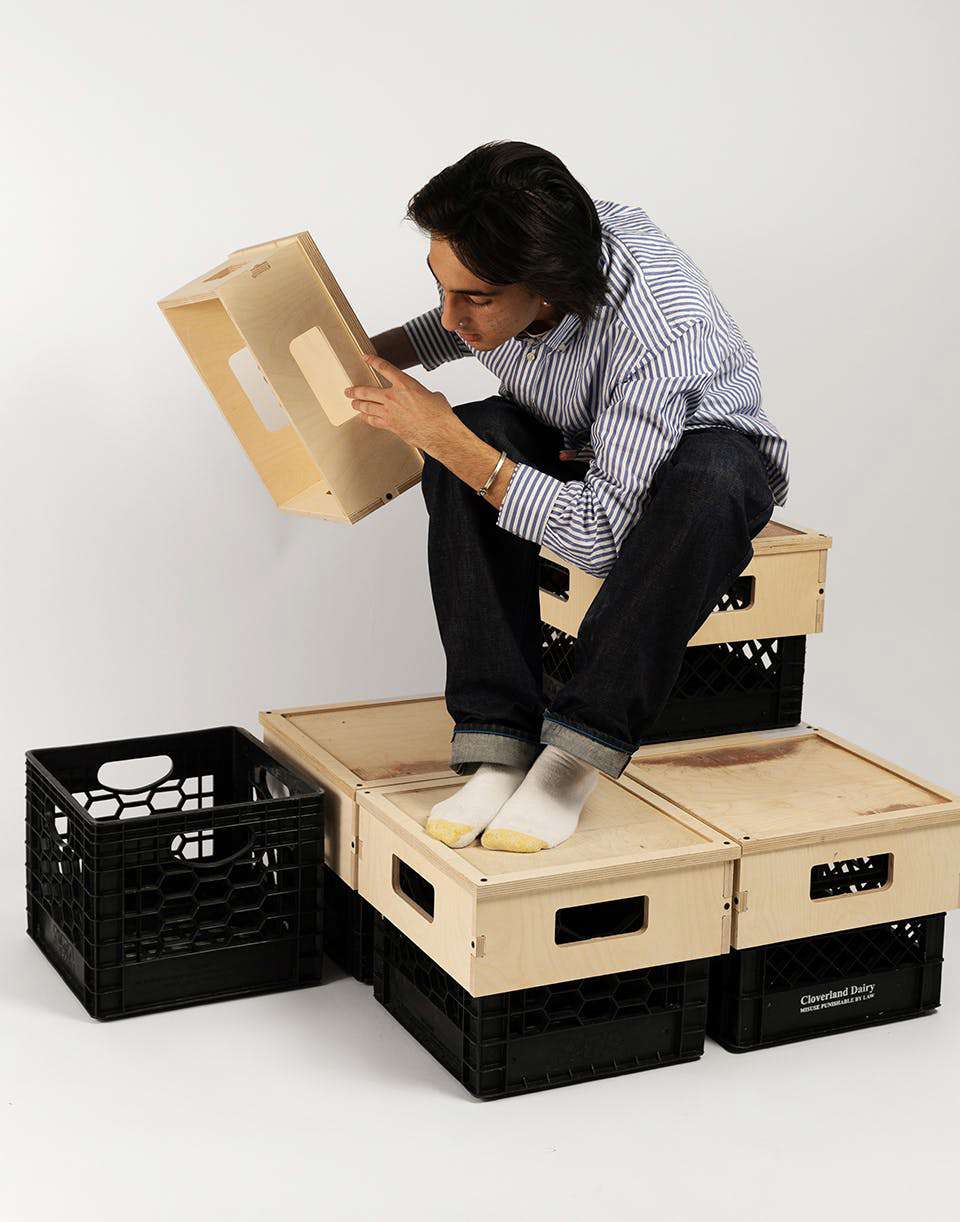
His thesis, titled Internetted, is a multidisciplinary work encompassing research, woodworking, public engagement, and video on the topic of political subcultures and public discourse on the Internet. One component involved Acuña designing wood covers for milk crates, turning them into reconfigurable blocks that served as seating for dialogue, interaction, and dance at a public performance. Acuña also sees the blocks as facilitating public gathering, collaboration, and protest and even serving as adaptable storage. “I wanted to create accessible and democratic social interaction spaces,” explains Acuña. It’s an open-source design that Acuña says can be replicated inexpensively almost anywhere.
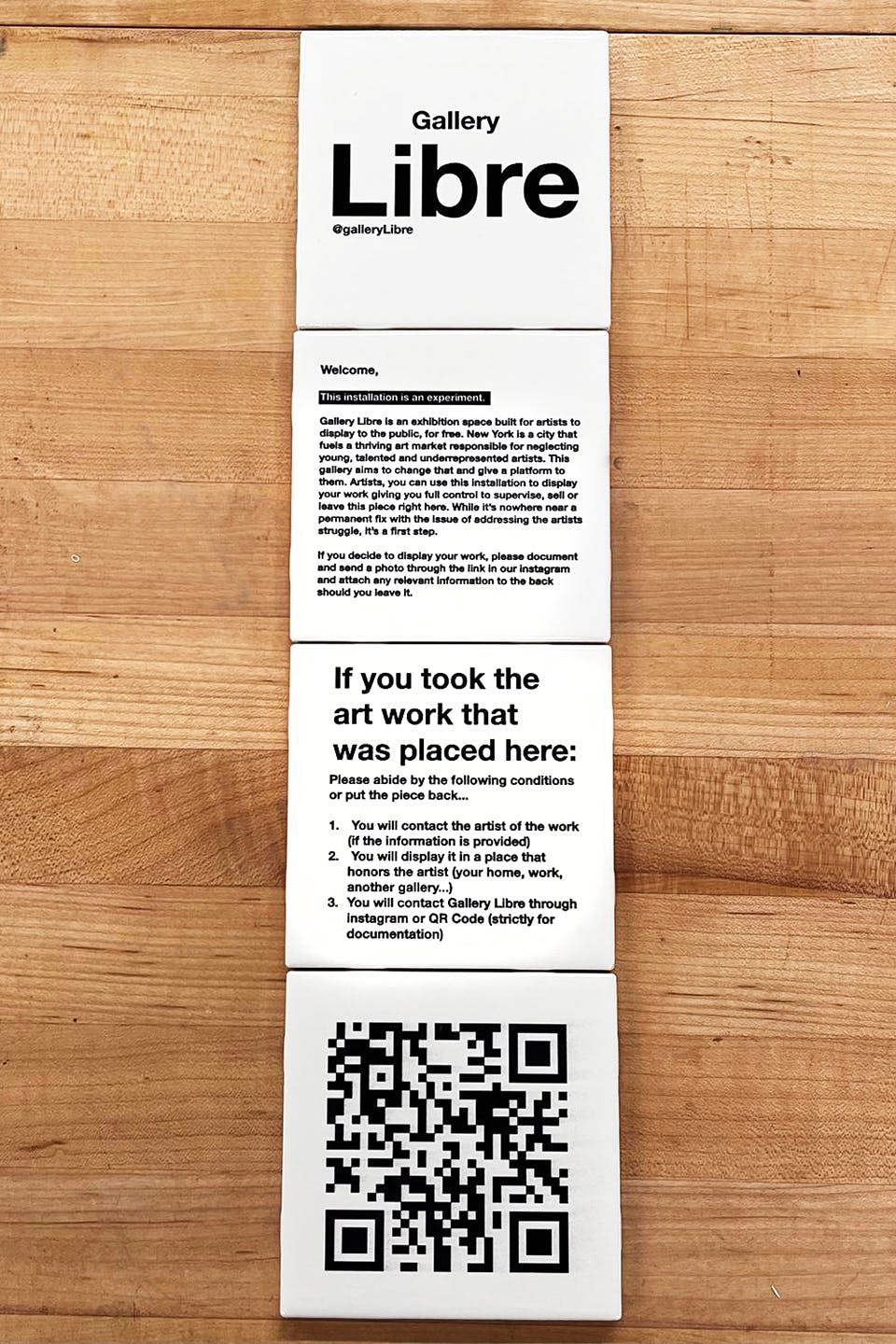
Breaking down barriers is also the theme of Acuña’s Gallery Libre, an outdoor guerrilla gallery space allowing anyone to display work. Acuña aimed to democratize the gallery system, giving underrepresented young artists an opportunity to exhibit their art free from the restrictions and exclusivity of traditional galleries. Gallery Libre has a digital component as well: Artists scan a QR code to add their piece to an online archive, inviting broader engagement.
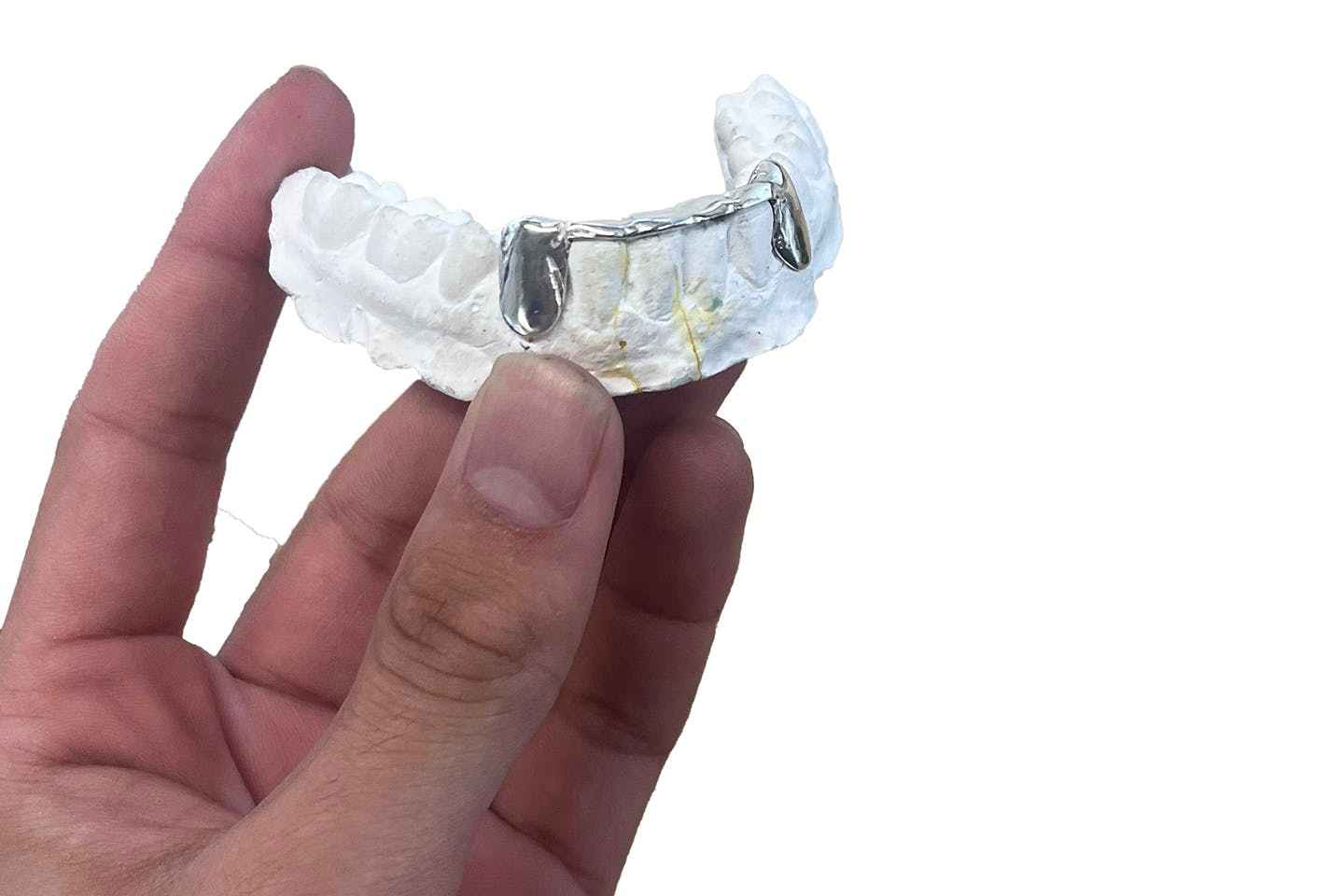
Acuña served as a studio assistant to Marisa Morán Jahn, assistant professor of design strategies, on her HOOPcycle project, a mobile interactive art installation currently on view outside the National Public Housing Museum in Chicago. Working with Jahn gave Acuña insight into the process behind creating a large-scale socially engaged project. “I learned to solve problems and, in my creative decision making, to consider a range of outcomes and consequences. And I learned that designers are the most motivated to fight for the authentic representation of their projects,” says Acuña of the experience. “Our job as designers is to observe, reflect, and prepare for many futures.” Acuña seeks to apply the multidisciplinary perspective nurtured at Parsons to his professional journey. “I love the idea of a career in creative collaboration,” he says.