Tilting the Lens Toward More Inclusive Fashion
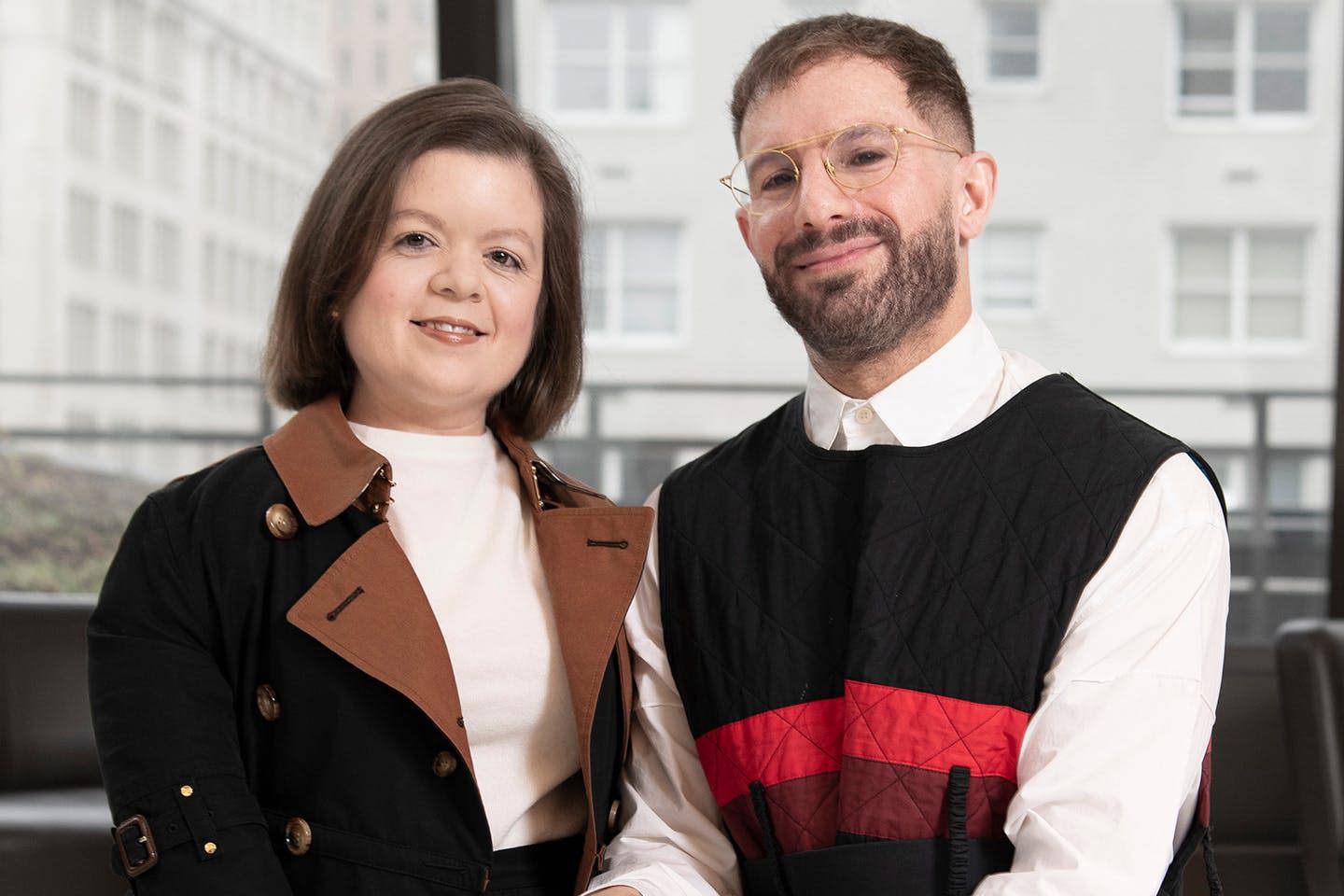
One of the most exciting aspects of the Parsons experience is the unparalleled access students have to industry leaders. School of Fashion (SoF) students regularly tap into our legendary, deep-rooted connections with fashion practitioners and advocates for their bold, innovative work. In turn, the fashion industry gains fresh perspectives and forward-thinking solutions that challenge the status quo and promote greater inclusivity and pathways for graduates to enter the industry.
The recent launch of the Parsons Disabled Fashion Student Program (PDFSP) represents an ambitious new stride forward on behalf of supporting students both within and beyond the School of Fashion. Over four years, the pilot program will focus on recruitment, instruction, and mentorship of Disabled students, with the aim of promoting equitable access to careers in fashion. “Typically in fashion education and in industry, design teams have invited Disabled folks into a design process as users, as testers,” says the SoF school dean, Ben Barry. “When that’s the primary vehicle for Disabled folks to engage with design, it devalues our knowledge as designers and reasserts a hierarchy in which non-Disabled folks are the ones who hold design knowledge. Part of this program is recognizing that disability experience is also design experience.”
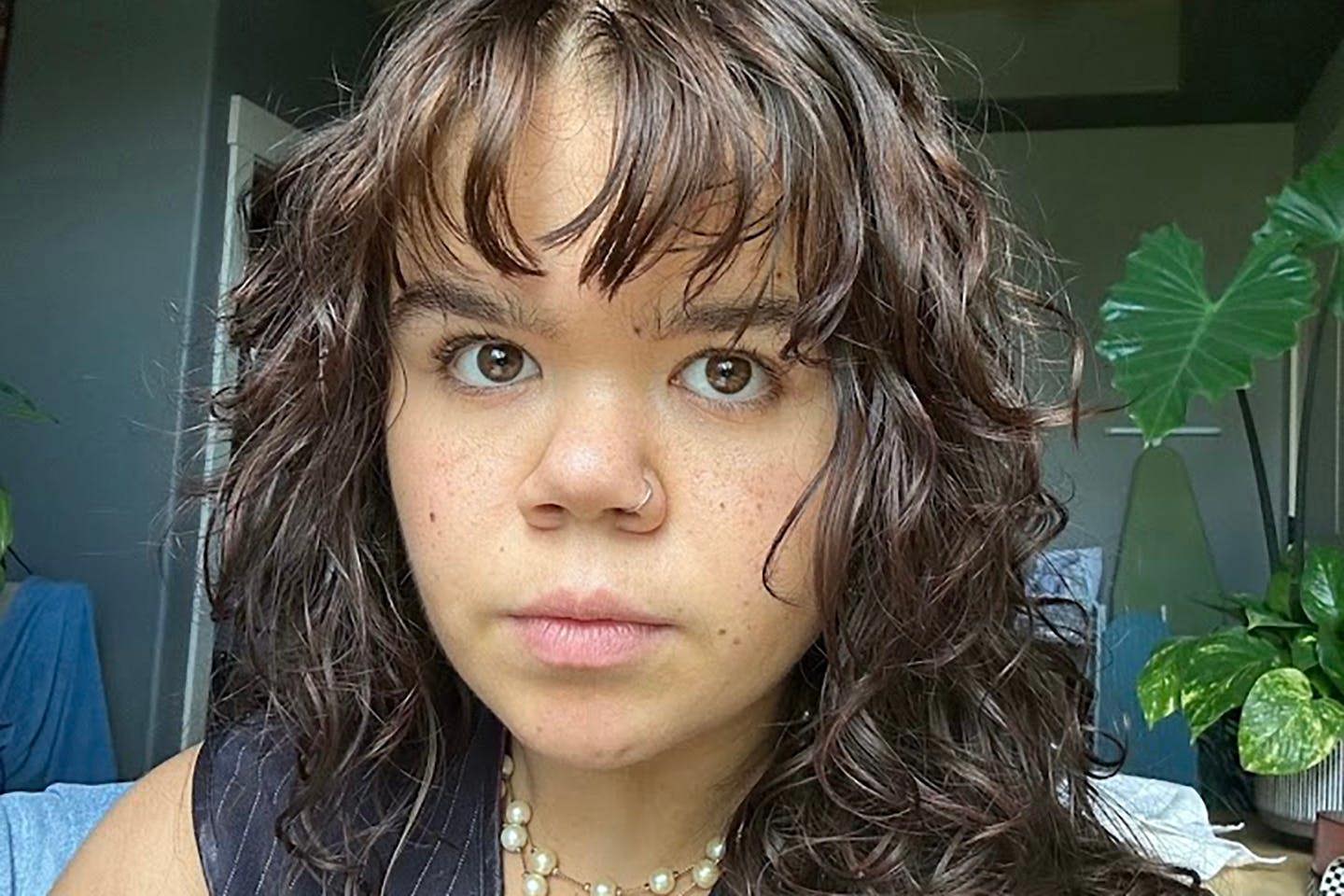
Shifting from consumption to production is one of the goals of incoming MFA Fashion Design and Society program student Caity Briare, who is in the first cohort of the PDFSP. “Growing up, it was especially difficult for me to find clothing that fit me, and I felt confined to certain clothing options because I had to think about how it would need significant alteration to fit me. In 2020, the first time I made something that fit my body, I was filled with immense joy and determination,” she recalls. Speaking of being a member of the PDFSP’s inaugural incoming group, Briare says, “I have never wanted to be a part of something so deeply.”
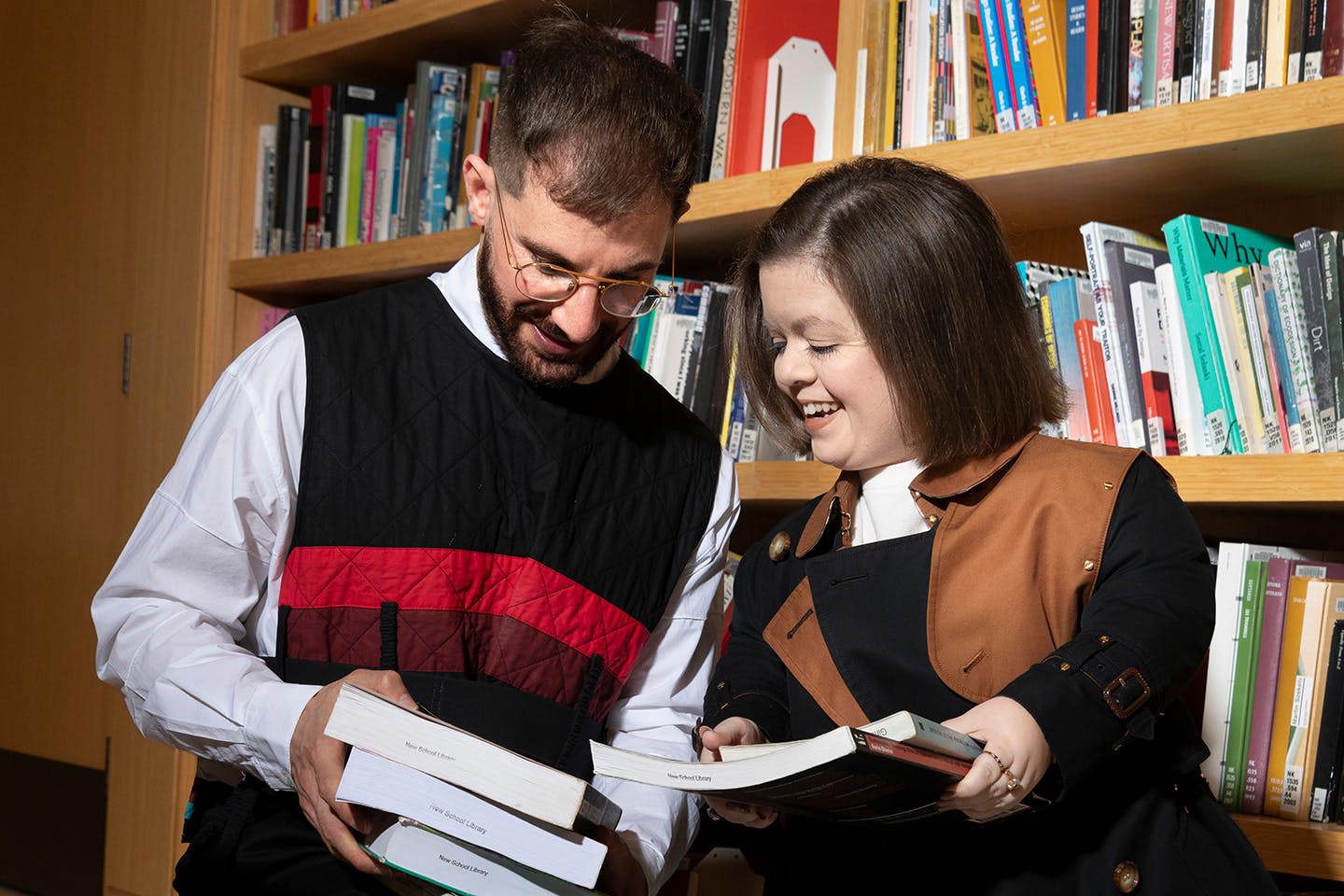
Tilting the Lens CEO Sinéad Burke explains that PDFSP students should not feel confined to designing clothing for Disabled people. Nor should they assume responsibility for singlehandedly creating a more equitable fashion industry. “We cannot place the expectation of radical change on three people,” Burke says. The work of PDFSP thus involves several external partners. The program is underpinned by a Ford Foundation–supported study of Disabled fashion students’ experiences at ten schools. The grant has been renewed to fund a partnership with the Council of Fashion Designers of America (CFDA) for a study of potential accommodations for Disabled designers and other employees of American fashion companies.
“Given that around 11 percent of working-age Americans have disabilities, our commitment to enhancing visibility and advocating for a more inclusive, accessible industry is crucial,” says CFDA CEO Steven Kolb, speaking of the upcoming research and the forging of professional pathways for young Disabled people. “Together with Parsons and the wider fashion community, we aim to foster a fashion ecosystem that is inclusive and empowering for all abilities and to make a significant move toward a more equitable and dynamic fashion future.”
According to Barry, “The PDFSP is not just a scholarship program, but a cultural change.” “I can only imagine how much more vibrant the fashion industry will become,” says Briare. Burke adds, “This feels different from how we have historically perceived partnerships between schools and companies and institutions. What is really powerful about this work is that we’re able to improve their systems as well.” The approach of the PDFSP points to a future in which partnerships serve as opportunities not only for creative exploration but also for professions to transform themselves.