Rachel Meade Smith
Building Bodies: Designing Order, Ideals, and Indeterminacy
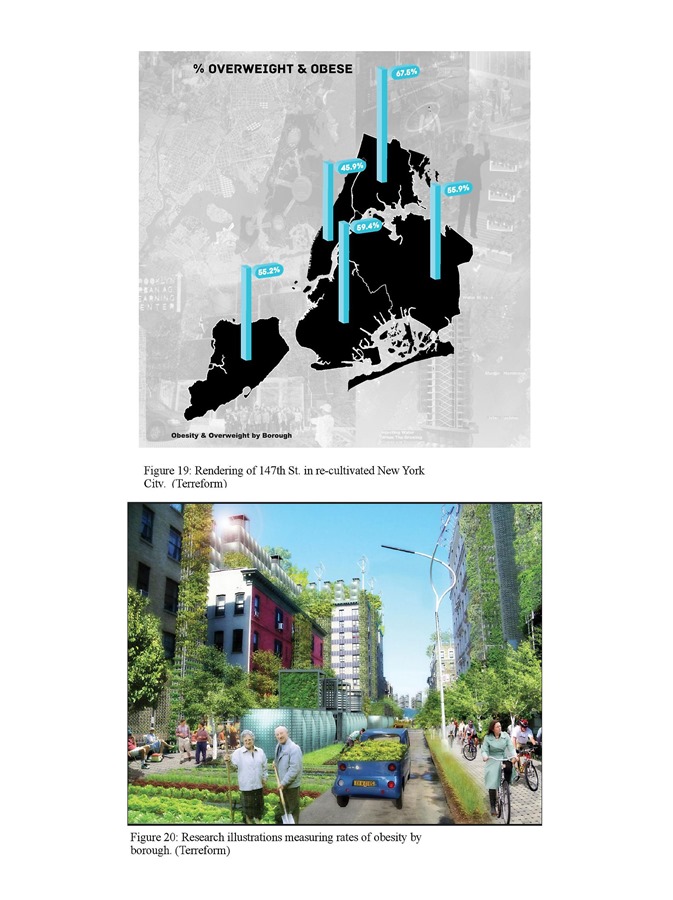
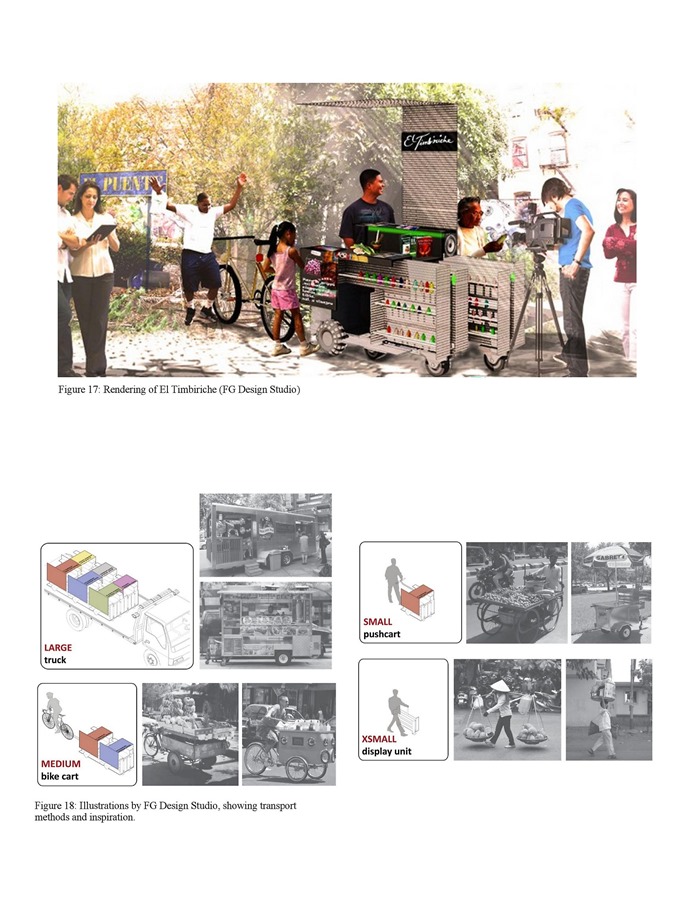
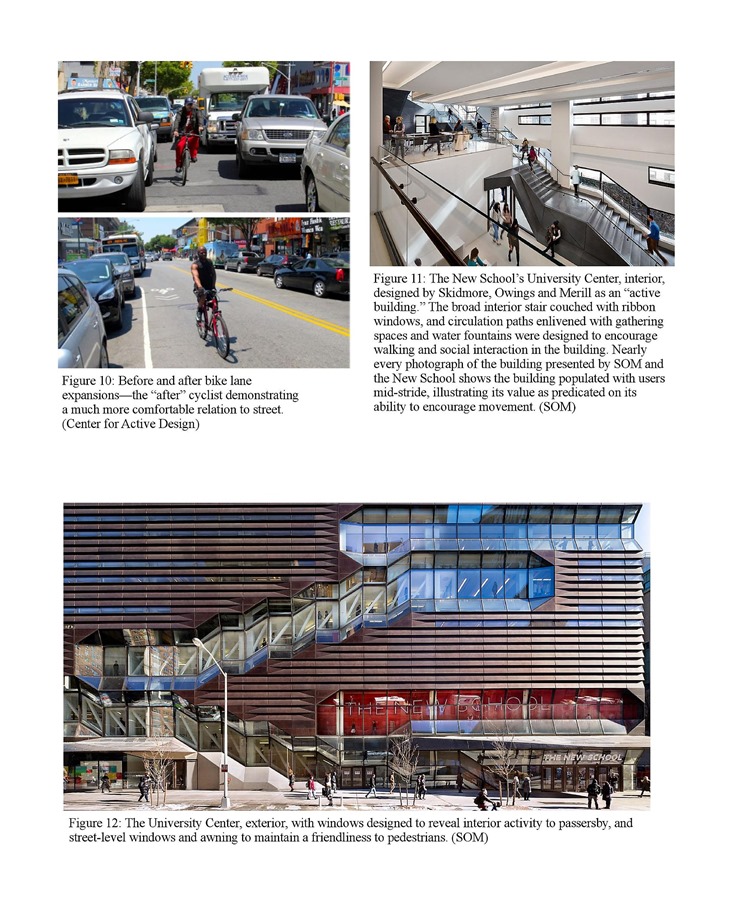
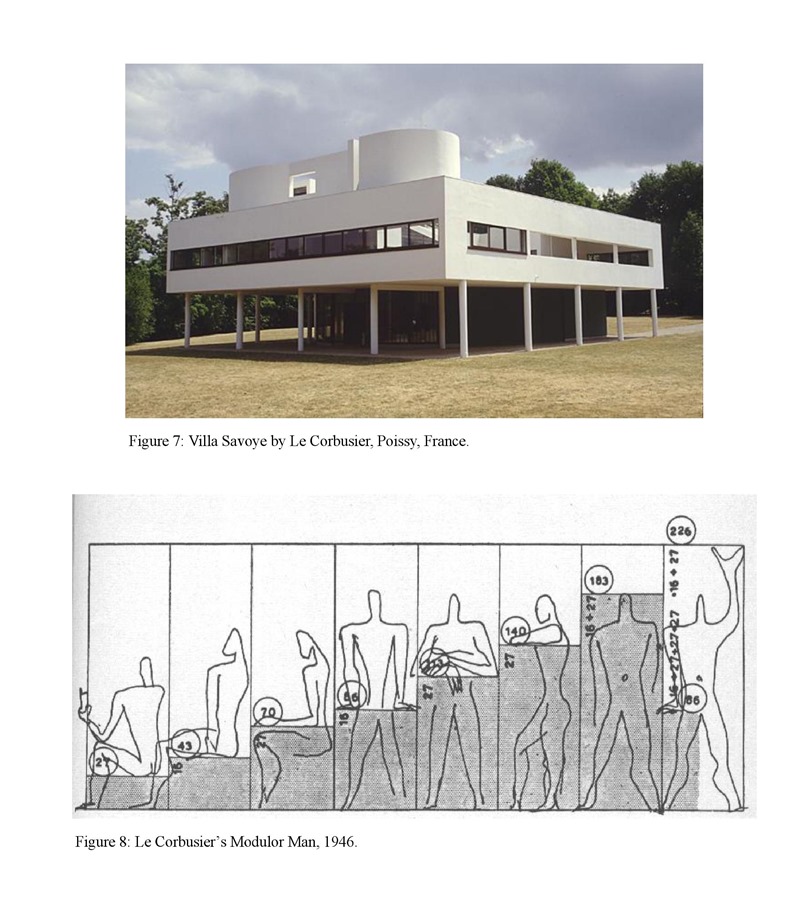
Building Bodies explores the evolution of thought and practice surrounding interpretations of the built environment as an agent of public well-being. Juxtaposing initiatives implemented since the start of the twentieth century, this thesis focuses on the urban sphere in the United States, specifically New York City. Chosen historical and contemporary examples are analyzed to explore the ways in which medical and social understandings of the human body influence design approaches, with contemporary examples focusing on interventions addressing the twenty-first-century ‘epidemics’ of noncommunicable diseases linked to sedentary lifestyles and poor nutrition. The overall analysis reflects on how shifts in epidemiology, design philosophy, and global conditions inform each approach.Motivating this study is the increasing embrace by designers to harness the power of technology, consumer products, and built form to positively impact human health. Reviewing historical approaches to this aim reveals the constructed and mutable nature of ‘health’ itself: ideals of the healthy body have proven to reflect not just measurable conditions of public health, but also cultural interpretations of moral and civic virtue. Considering this point, this thesis questions how designers can aid in equitable and non-deterministic public health interventions. It proposes that this requires a shift in design practice towards situated, performative, and distributed processes of spatial production, as well as an embrace of an eco-social model of health, wherein health is understood to be an embodied and systemically determined state.