Prachi Gor: Finding Power in Self-Care

Menstruation is a part of life that people don’t tend to talk about much. Prachi Gor, MPS Fashion Management graduate, hopes to change that.
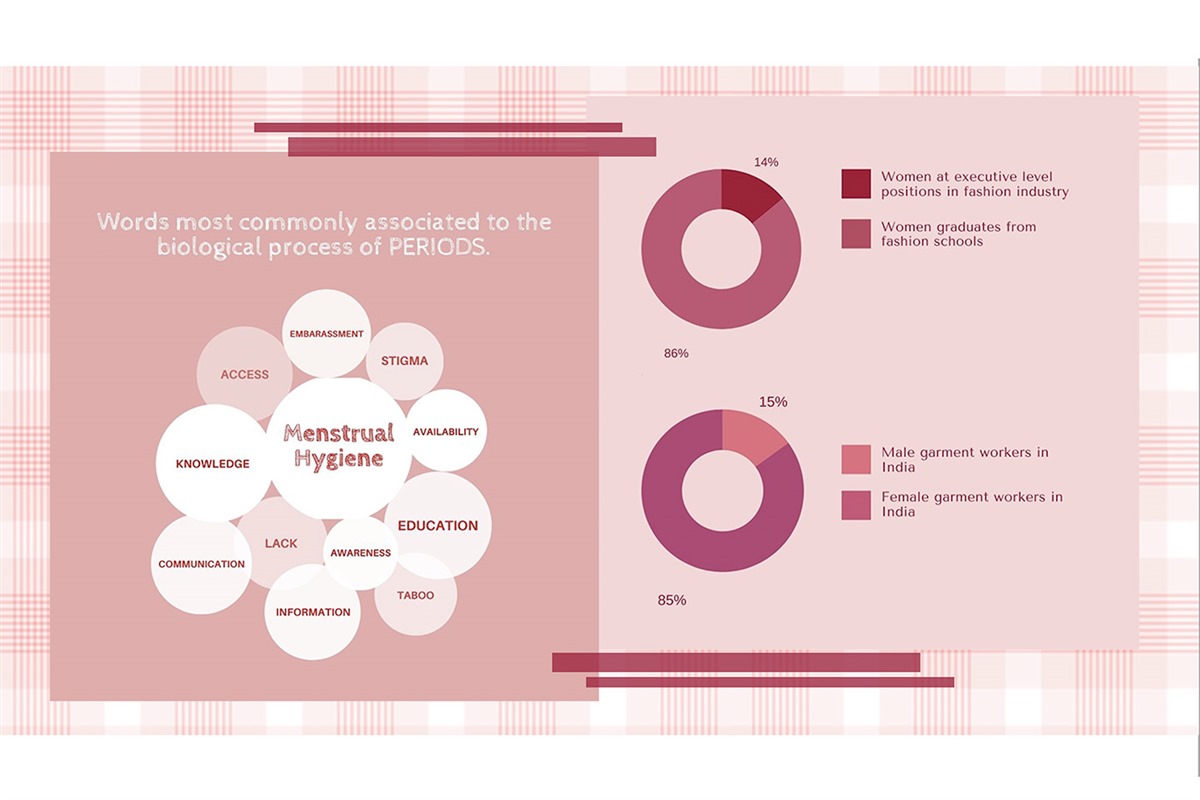
“I grew up with taboos around menstruation, and I’m one of those women who literally cannot function when menstruating,” says Gor, who was born and raised in Oman and studied design as an undergraduate in India. A post-college job in an Indian garment factory inspired her to write Fashionable Flow, her master’s thesis at Parsons; in it, she advocates for better menstrual hygiene provisions for garment workers in India.
“I wondered how these women did it,” says Gor. She observed that women feared losing wages during the time it took to tend to their hygiene needs. She noted the lack of access to feminine hygiene products and found through secondary research that it forced many to use dirty rags and risk infection. She found that male managers were often uncomfortable discussing the women workers’ health-related needs. Gor’s research-based proposal calls for Indian garment manufacturers to take measures to provide access to menstrual hygiene management and consider education and conversation that would give women opportunities to tend to their menstrual hygiene needs while at work. She believes that Western brands can play a role in encouraging Indian garment factories employed by them to adopt such necessary measures.
Gor arrived at Parsons as the pandemic struck and attended virtual classes on topics ranging from digital branding to supply chains. She formed what she describes as an “amazing network” during the year, crediting it in part for the position she found heading up brand partnerships for the innovative platform Fashwire. She takes every available opportunity to raise public awareness of fashion industry workers’ menstrual hygiene needs in India and their impact on women’s physical, mental, and economic health. “If my research changes even one factory in India, I’ll be happy,” she says.