Phuong-Thao Huynh
Saprotroph
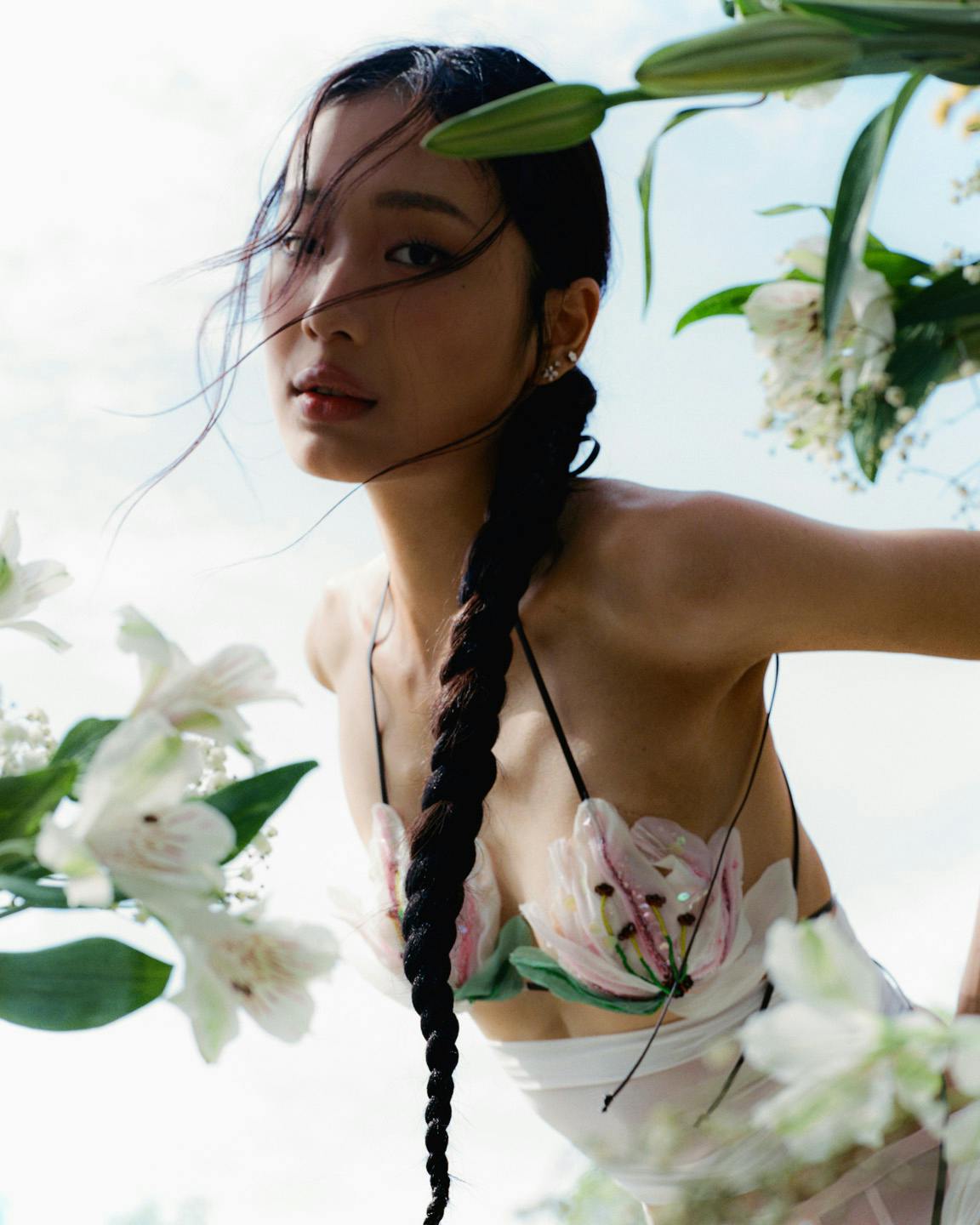
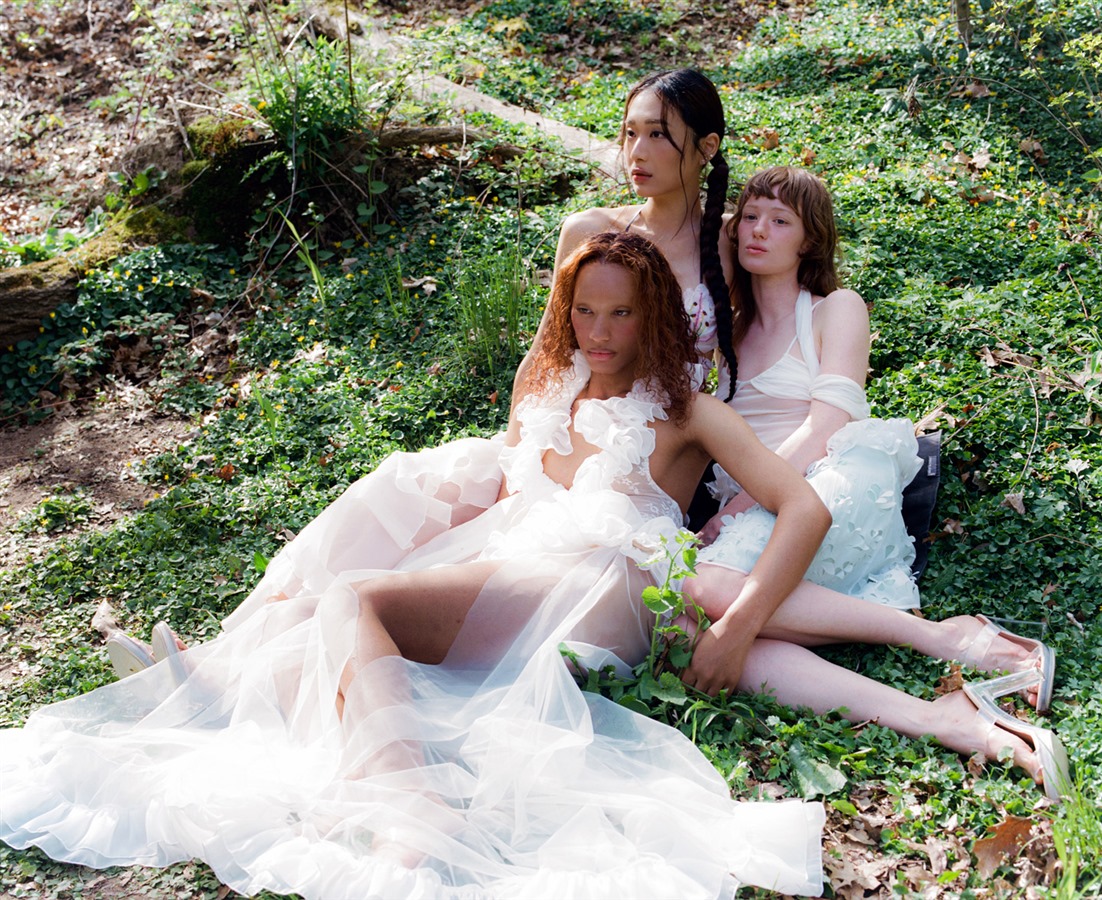
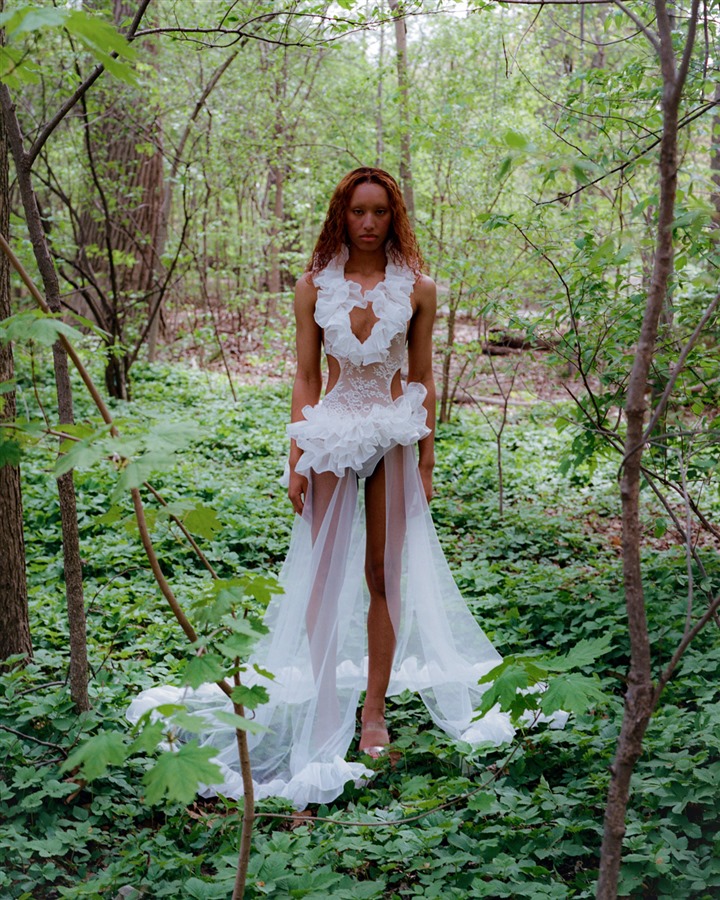
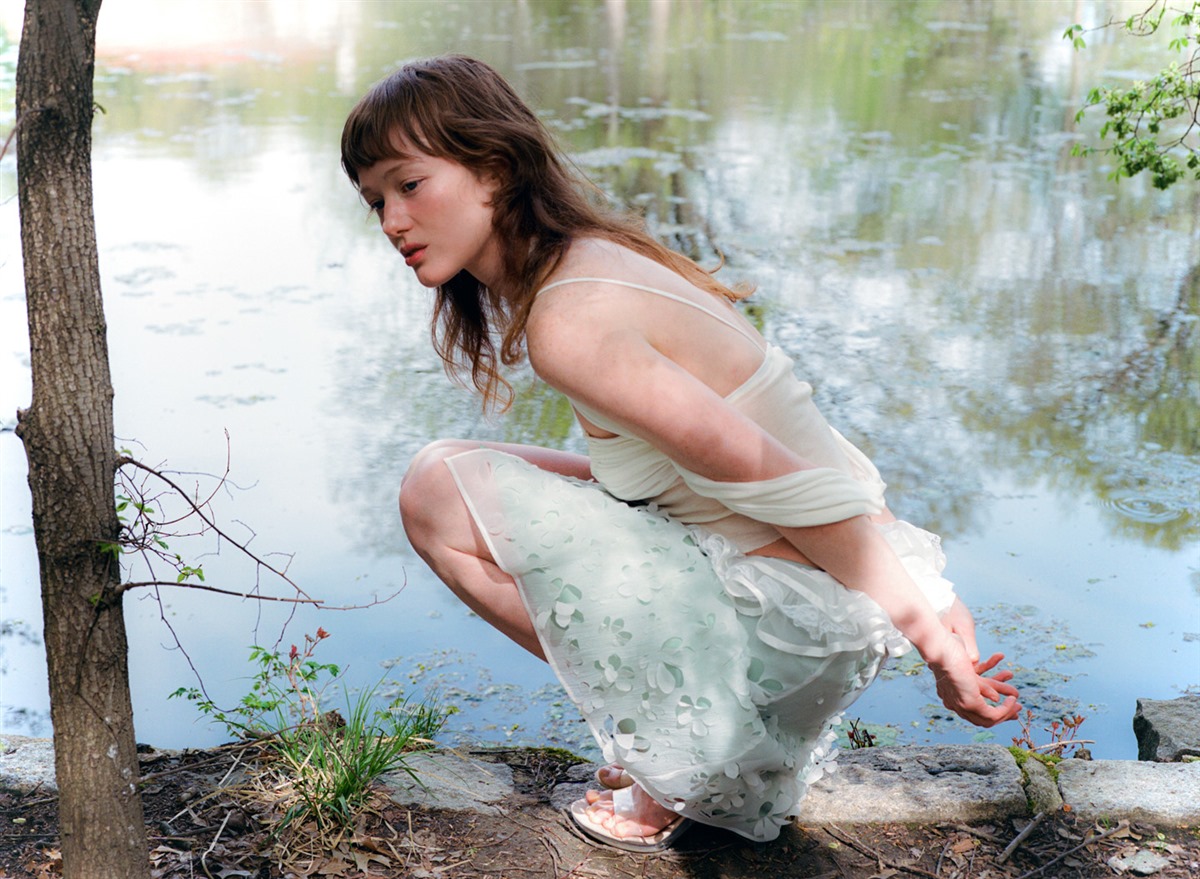
When designing, I'm drawn to subjects that are frequently overlooked or considered taboo, ugly, or disturbing. In my work, I seek to transform these subects into something visually and emotionally intriguing, challenging conventional ideas of aesthetics. I believe that nothing is naturally ugly; it is society's norms that determine what is considered beautiful and what is not. In my collection, Saprotroph, I explored the idea of life after death. Although death is often considered an uncomfortable or taboo subject, what comes after sparks endless curiosity. Do we ascend to heaven, descend to hell, or simply fade into nothingness? No one truly knows, as it is impossible for someone who has already died to come back to life and tell us what happens. But in nature, death is never just an end—it is a transformation. As something decays, it nourishes the earth, making way for new life to emerge: a towering tree, a fragile mushroom, a blooming flower. Death can be scary, but eventually it comes to all. It may mark an end, yet it also holds the possibility of a new beginning.
The name Saprotroph comes from the concept of organisms that feed on and break down dead or decaying matter, helping to recycle nutrients back into the ecosystem. The collection is inspired by the idea of life emerging from death, like fungi and plants thriving on decay. I wanted to emphasize the hidden beauty in these processes, shedding light on a subject often dismissed or avoided because of its association with death and decay.