Natasha Villarraga
Cyborg Beauty
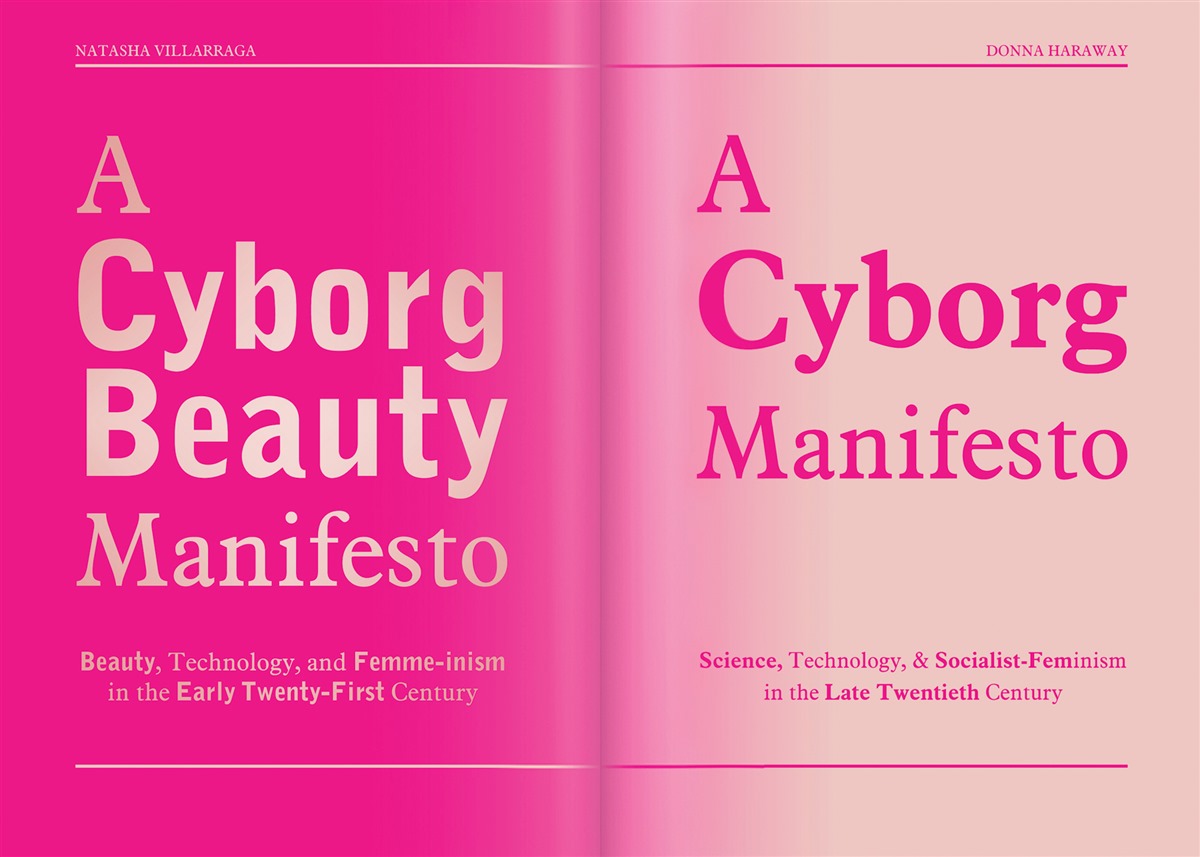
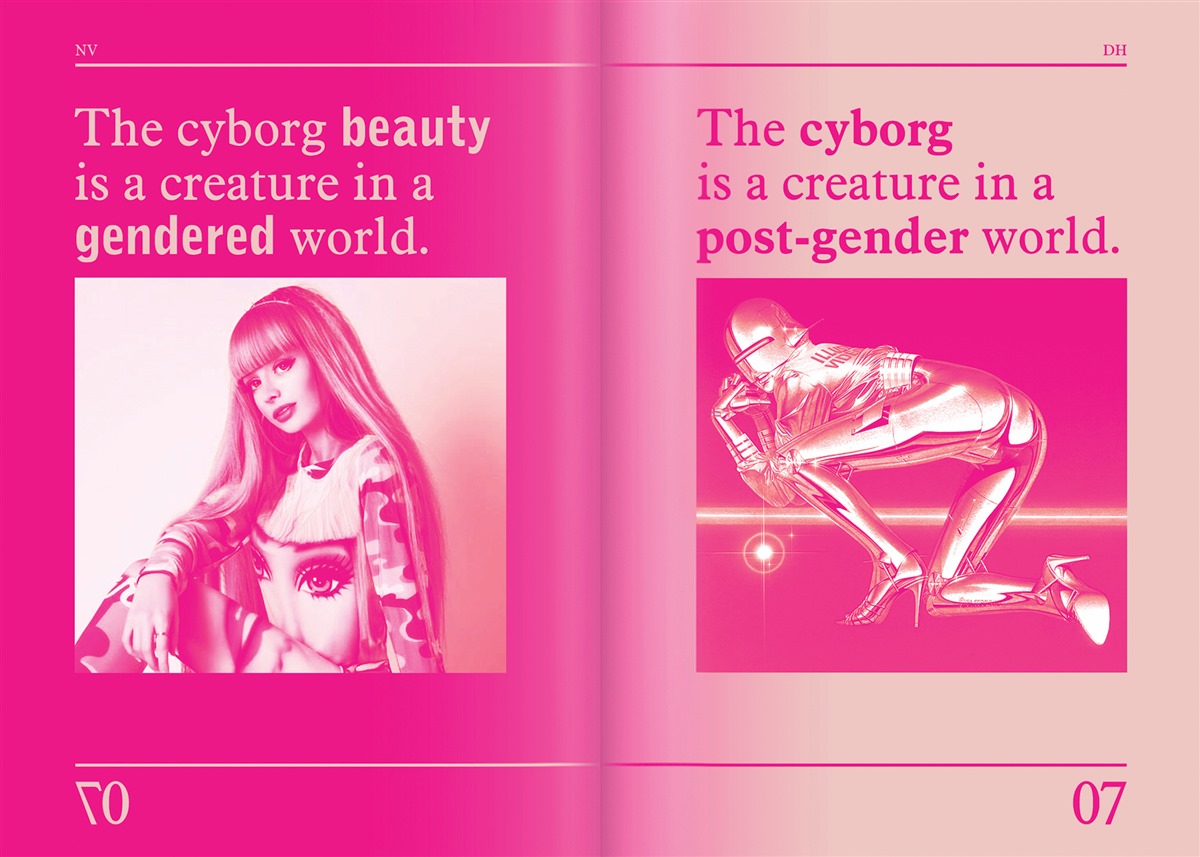
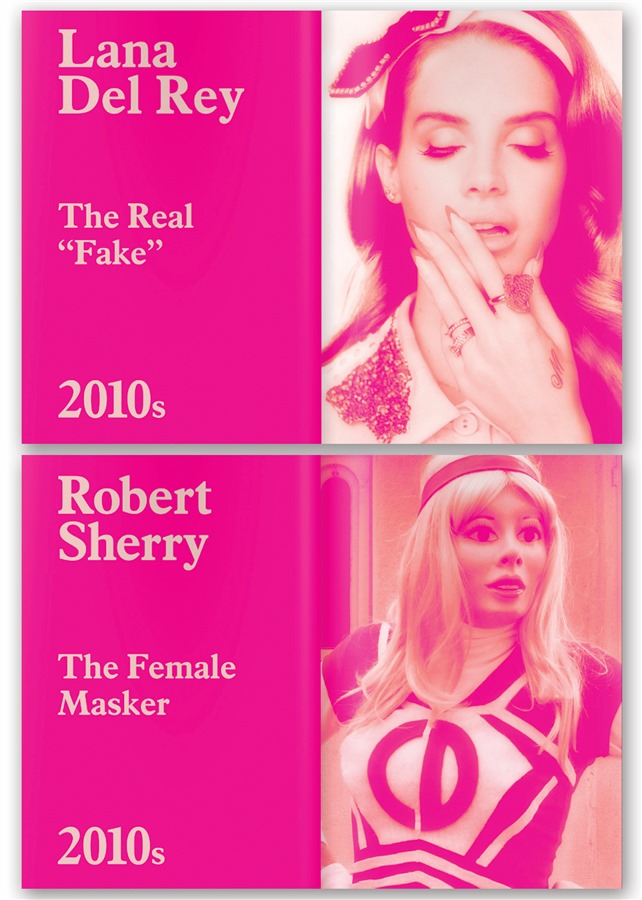
In 1985, Donna Haraway wrote the seminal “A Cyborg Manifesto: Science, Technology, and Socialist-Feminism in the Late Twentieth Century.” In it, she discusses the idea of the cyborg as a creature in a utopian world without gender, capitalism, or patriarchy. The cyborg exists in a world without binaries or hierarchies of power in a time still yet to come. In 2014, we are presented with a particular breed of cyborg -- it is not quite the cyborg that Haraway dreamed of, but takes the form of the cyborg beauty. Cyborg beauties are everywhere; they roam the streets, some grace our magazines, some are internet celebrities, and some are on reality TV.
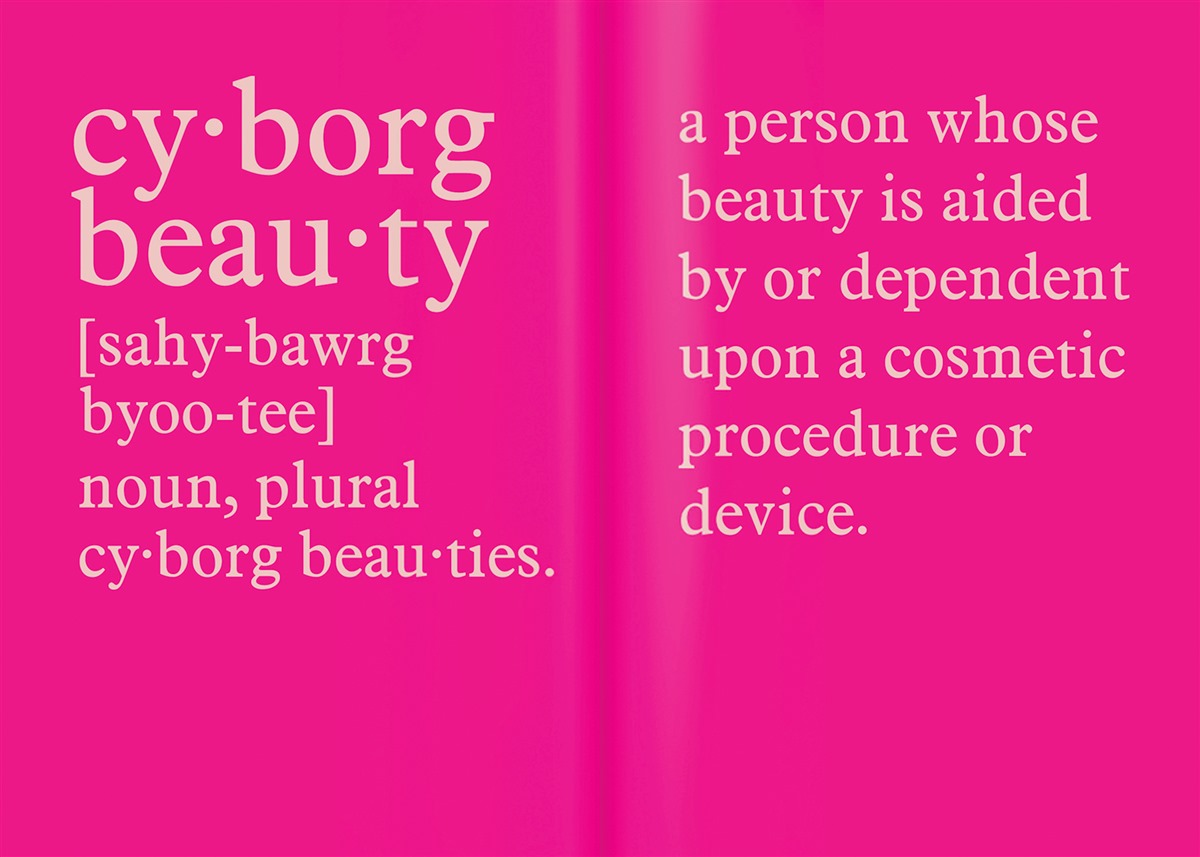
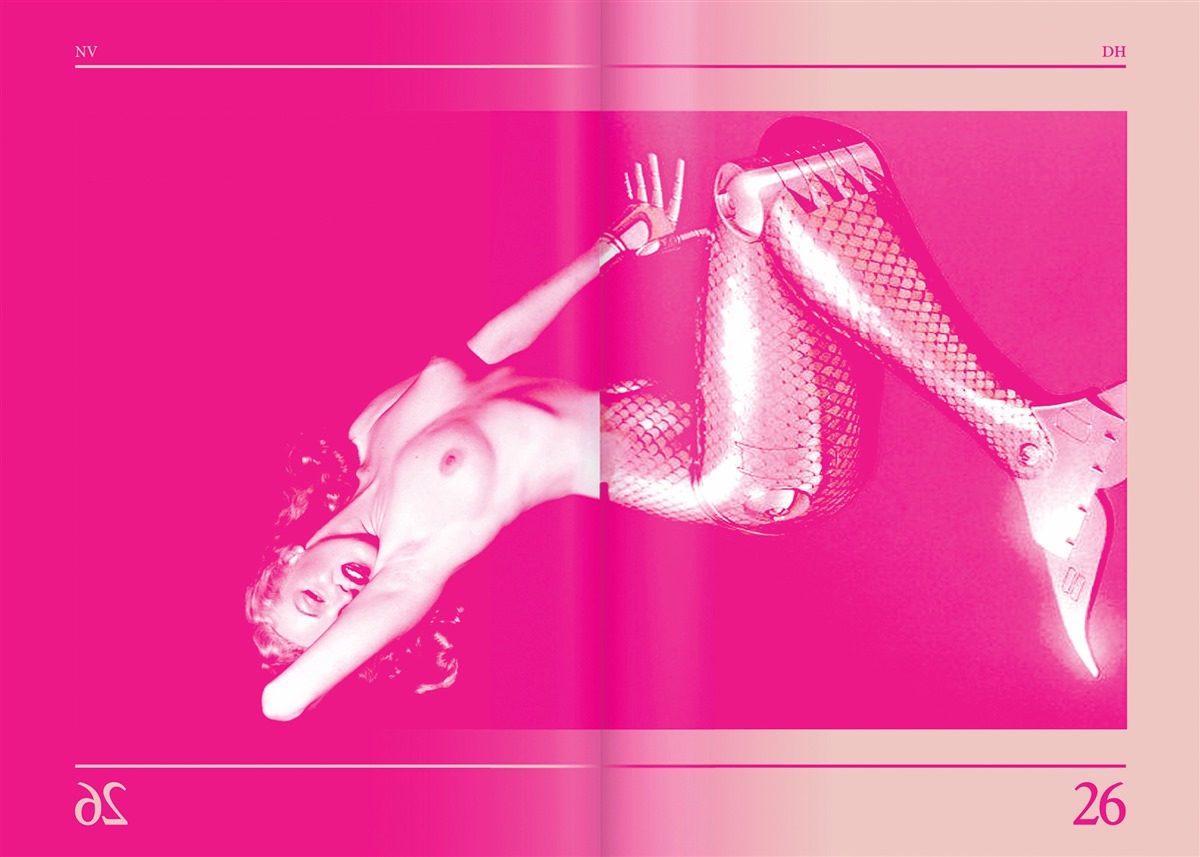
Where Haraway's cyborgs were beings in a post-gender, post-capitalist world, cyborg beauties exist in late capitalism with a self-expression so feminine it is deemed grotesque. Cyborg beauties are composites, possessing beauty both natural and constructed. Most have had plastic surgery, and some just look plastic. Cyborg beauties are called cyborgs because their beauty is aided by the use of technology, and their feminist tactics involve the reclaiming and new ownership of the same beauty ideals that have been fed to them since birth. Are they supposed to be blonde, bosomy, and tan? Alright, then.
Now, cyborg beauties will have their own manifesto, built upon Donna Haraway’s but expressing a particular concern with the beautiful, and addressing what it means to have taken the necessary steps towards becoming the image of ideal beauty and, instead of being worshipped, being reviled.