Meng Tong
Layers of Freedom, Echoes of Stonewall
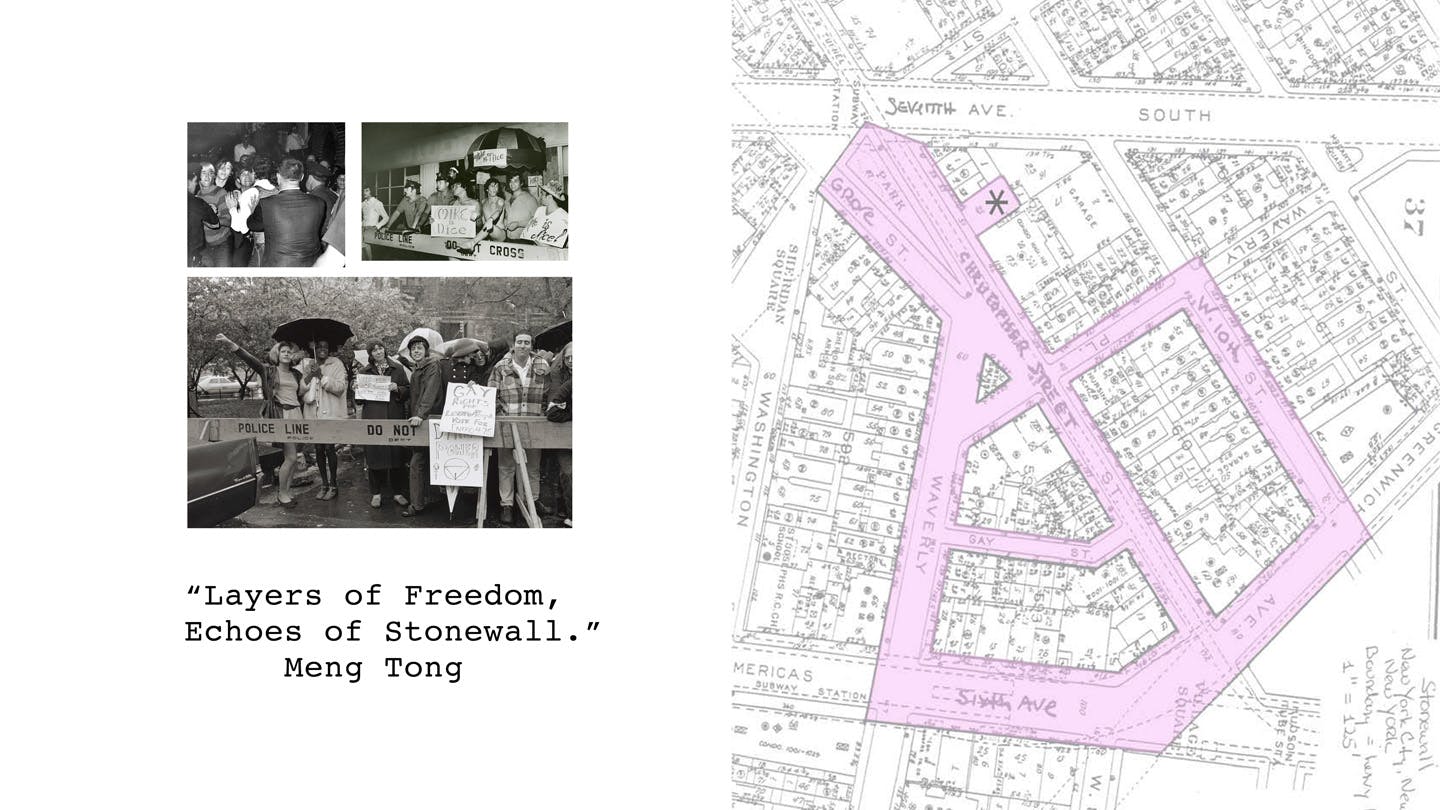
I grew up in a traditional Chinese household, one shaped by deeply rooted gender roles and cultural expectations. The emphasis on family continuity, social conformity, and heteronormativity created an invisible web that profoundly influenced the way I viewed myself and the world. As I came to realize that my identity did not align with these expectations, I found myself caught between silence and self-exploration, searching for a way to express a self that could coexist with inherited beliefs.
Coming to Parsons and living in New York marked a turning point. For the first time, I was immersed in an open and inclusive environment—one where the identity that earlier isolated me was met with understanding and acceptance. I began to critically reflect on how culture, memory, and power shape identity, not only in daily life but across history.
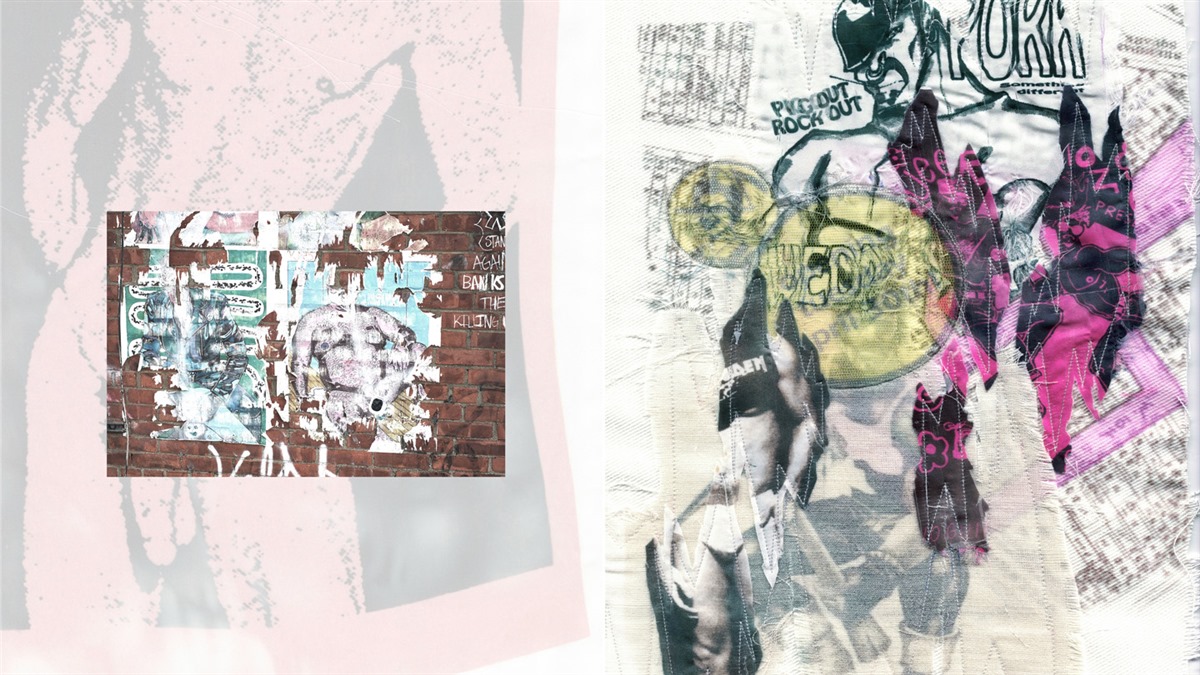
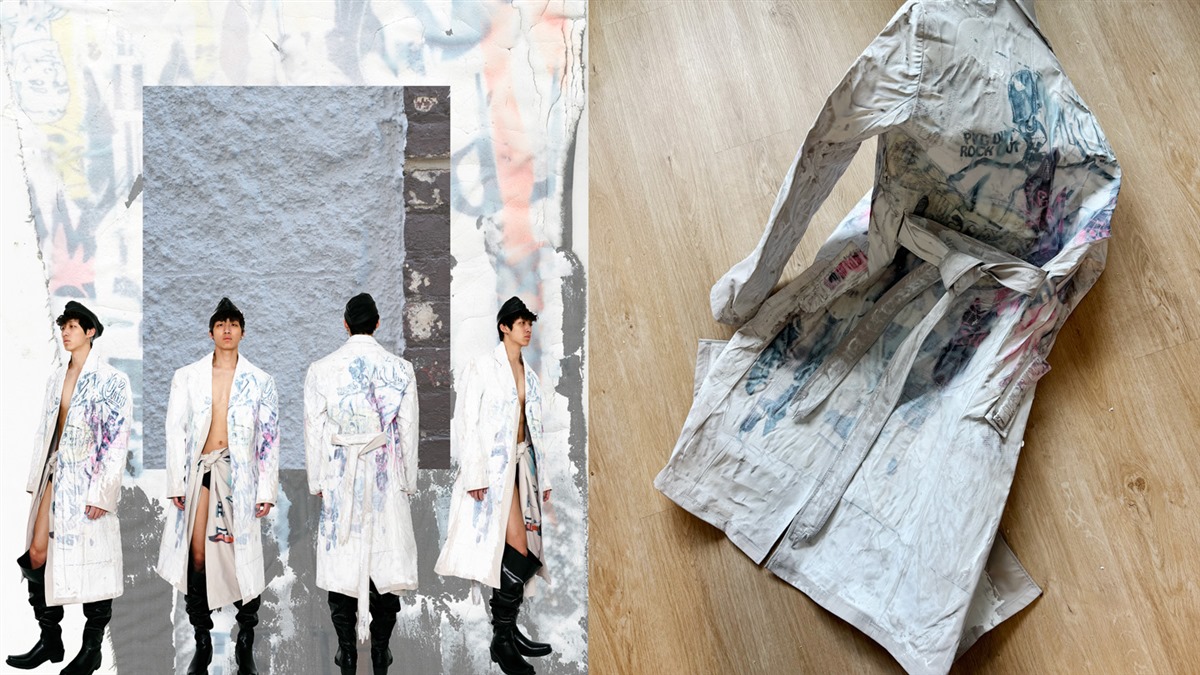
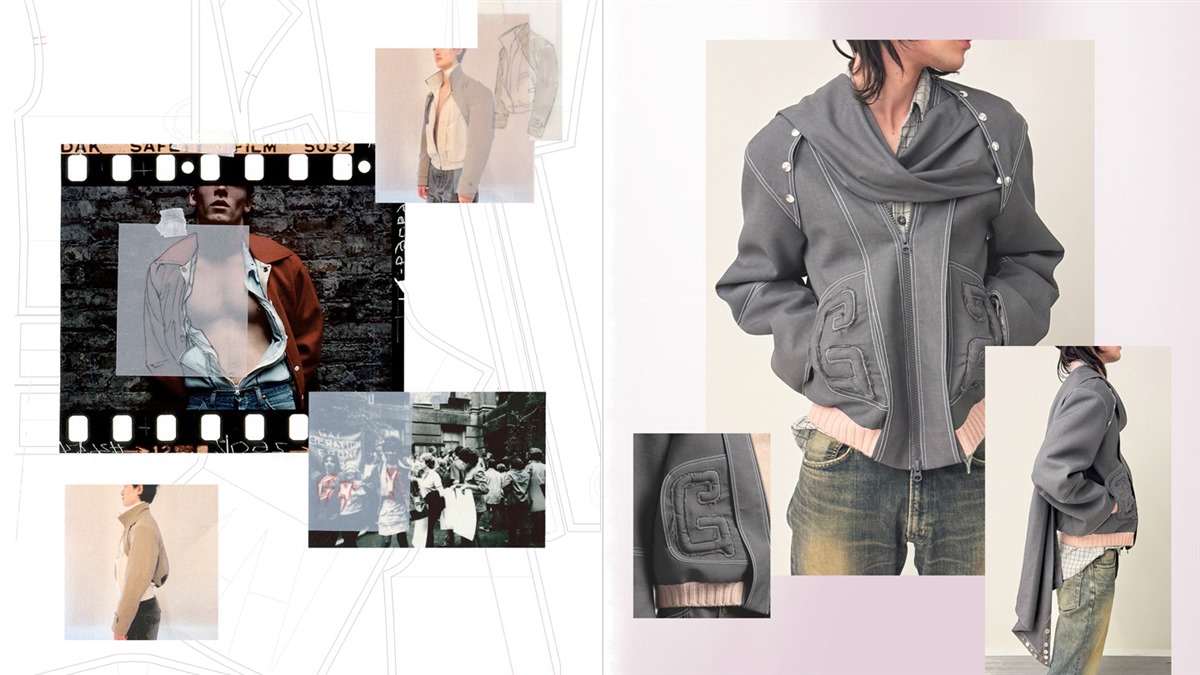
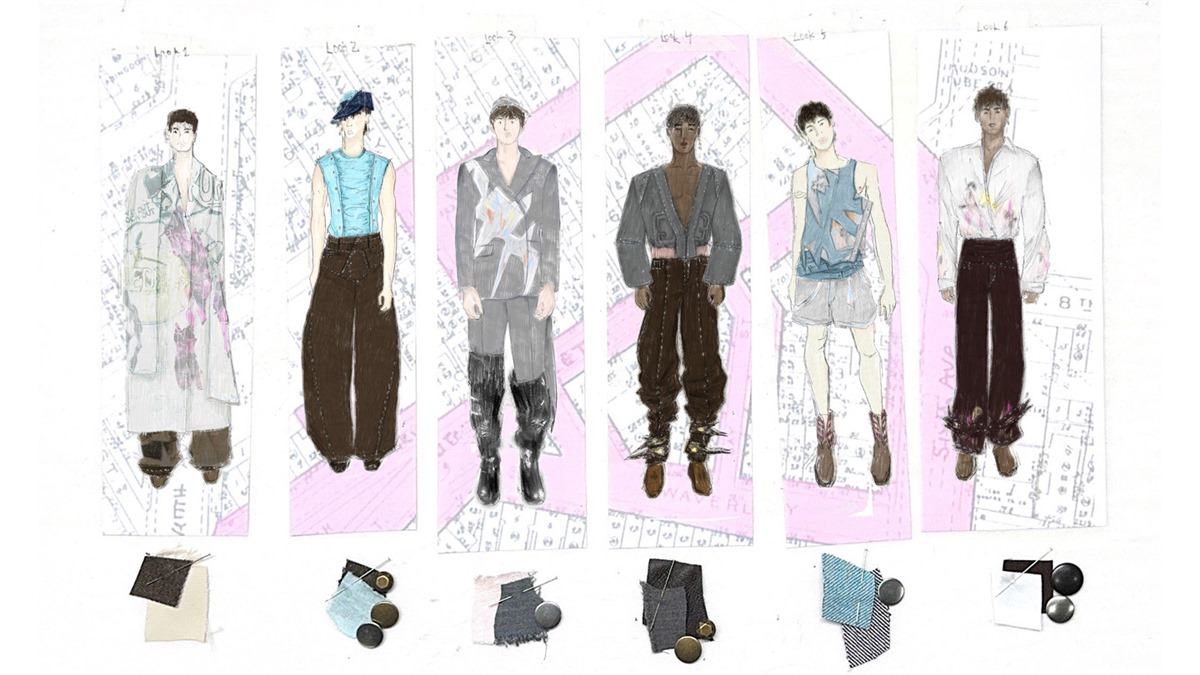
While researching the struggles of marginalized communities, particularly the queer liberation movement, I was drawn to several themes: the marks left by time, the tension between fragility and resilience, and the ways garments could be reshaped, adapted, and transformed. I was deeply moved by the emotional weight carried by secondhand clothing and began to explore the subtle balance between concealment and revelation. In deconstructing old garments and reconstructing them into new patchworks and structures, I discovered a quiet but powerful form of expression.
In this ongoing creative journey, design has become a way for me to navigate personal memory, cultural tension, and the urgency of sustainability. Every design decision becomes part of a larger conversation—not a declaration but a gesture: a tribute to memory, a voice for survival, and a step toward becoming whole.