Meg Crane: Innovating for Liberation

When Meg Crane, CGRD Graphic Design ’60, relocated from New Jersey to New York City to attend Parsons, she moved just a few miles but a world away. Life in the city challenged her at first, but she quickly acclimated. “It was a new world for me,” she says, “and I loved it.”
At the time, “Parsons was in an old factory on East 54th Street near the East River,” recalls Crane. Students from different departments collaborated on projects, giving the school “a great vibe. I took two years of fashion illustration, which I enjoyed,” she says. Crane took a course with the celebrated art director and artist Marvin Israel during his first year teaching at Parsons and studied under other notables, including the artist and environmentalist Alan Gussow and the groundbreaking fashion designer Norman Norell. When Crane noticed the advertising industry shifting from illustration to photography, she began studying graphic design.
After leaving Parsons, Crane worked as a freelance designer for trade publications, at the aerospace firm General Dynamics, and—at the invitation of Marvin Israel—at Harper’s Bazaar, where she worked with him and photographer Richard Avedon. In 1967,
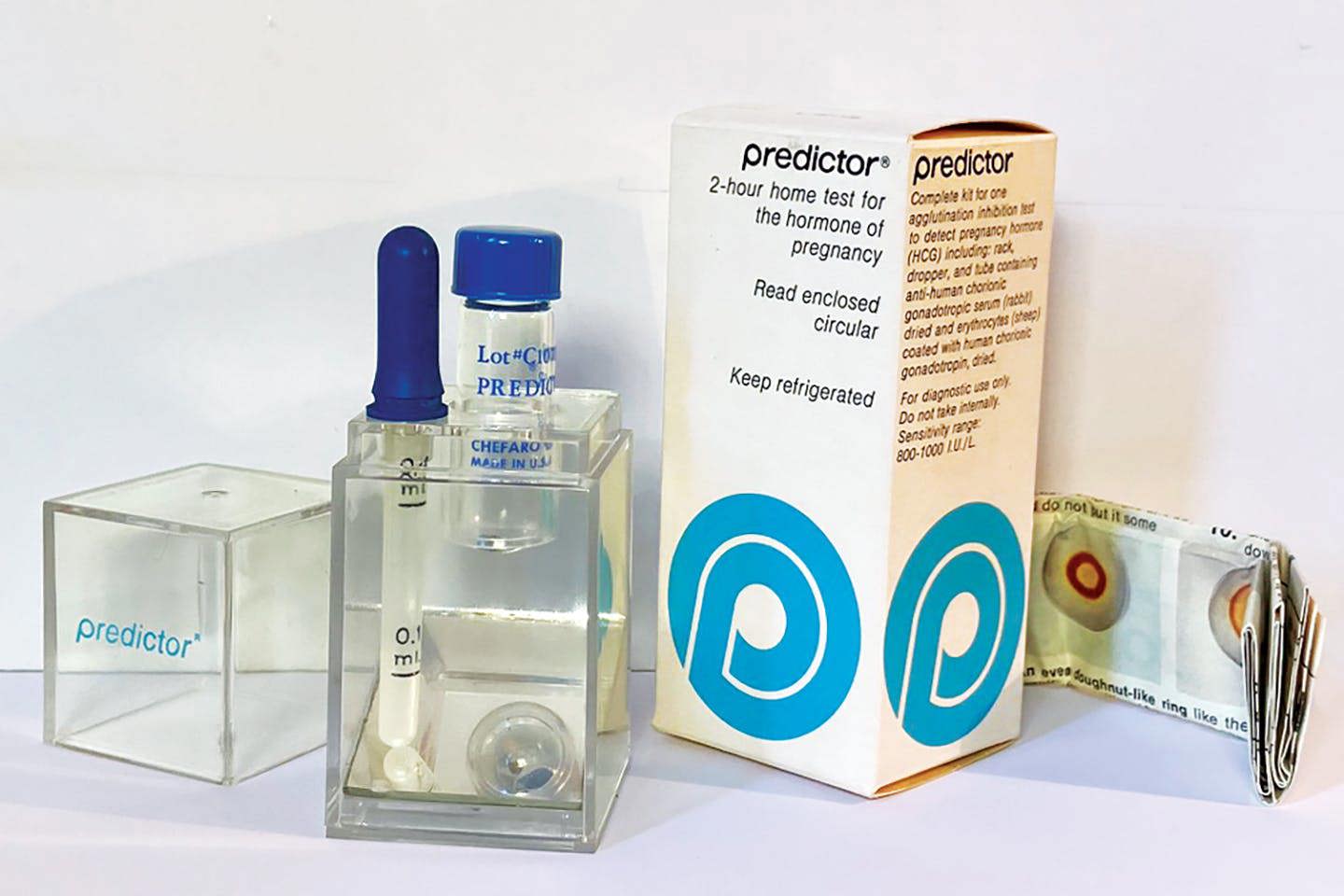
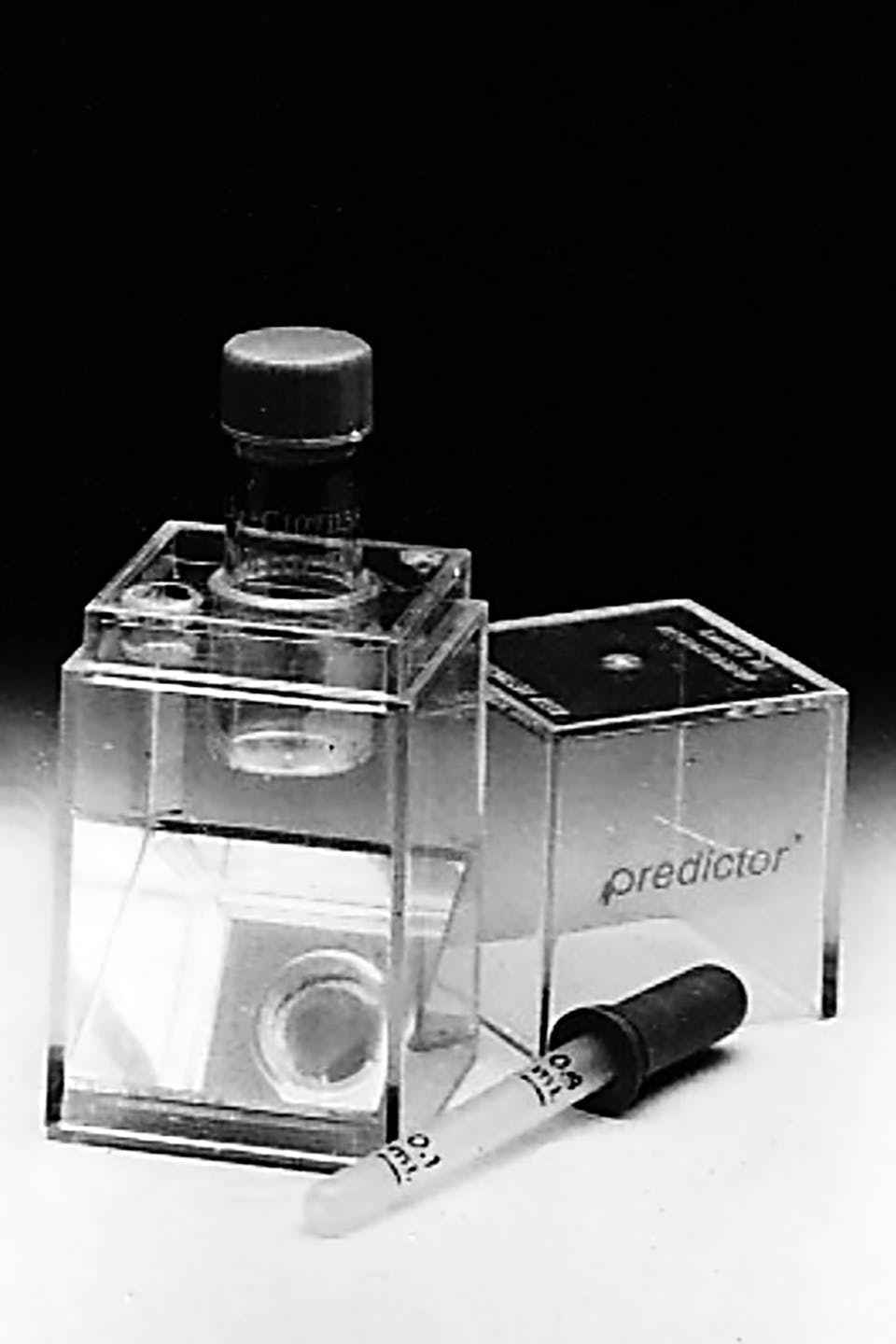
Crane began designing for the pharmaceutical company Organon. After seeing pregnancy tests in the company’s lab waiting to be processed for physicians, she imagined a version that women could use at home. “The test kits had simple components,” remembers
Crane. One day, she noticed a small plastic box on her desk that held paperclips and used it for a mockup. "The skills I learned as a designer helped me create my prototype."
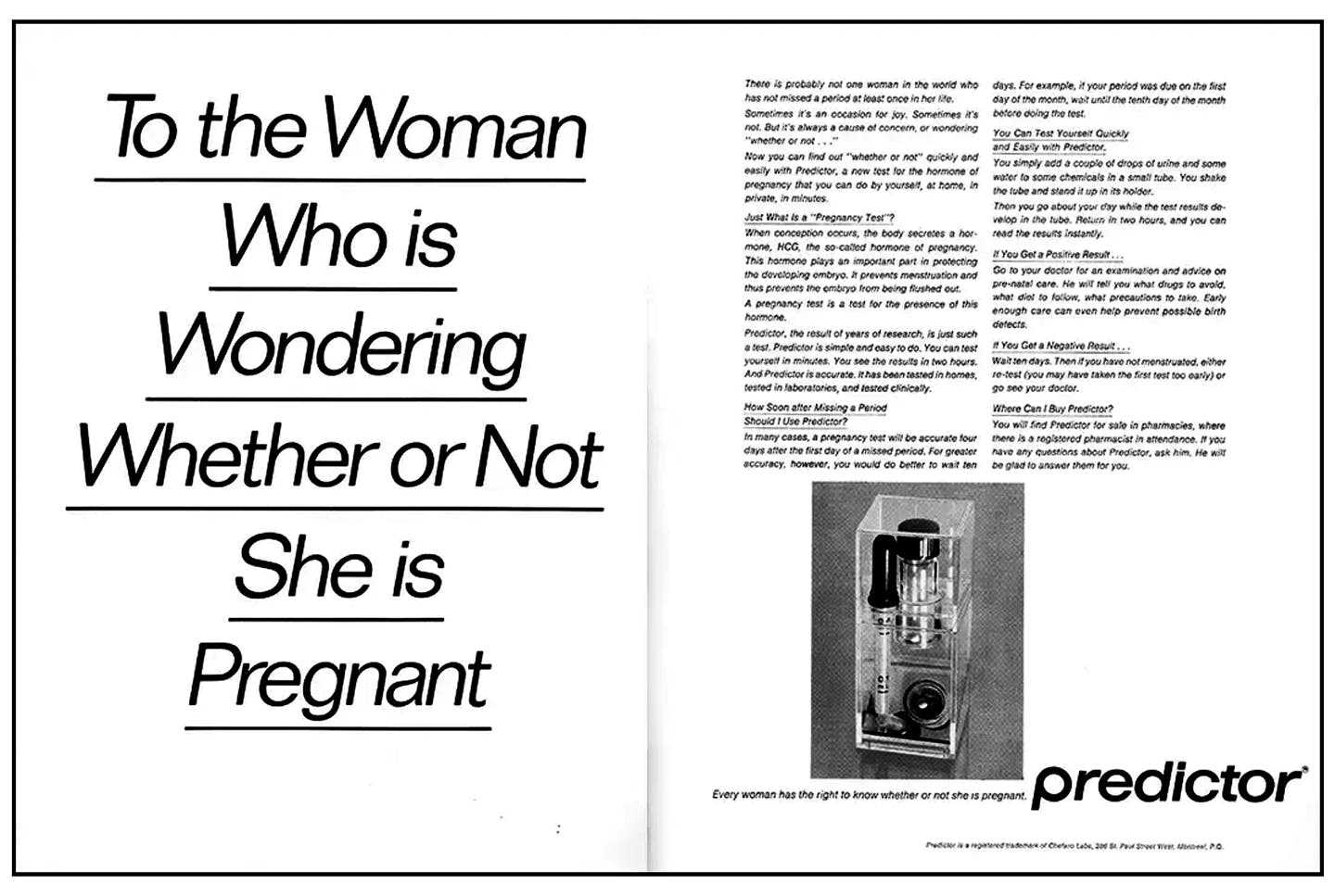
Although the idea of putting tests into the hands of consumers met with fierce resistance, Crane advocated for her invention, called Predictor. Organon’s Dutch corporate owners saw its potential and released it in Canada and Europe in the early 1970s, making it the first home pregnancy test. It became available in the United States in 1977. Crane’s product quickly became a commercial success and marked a pivotal moment in women’s liberation.

By then, Crane had gone on to form the consultancy Ponzi & Weill with Predictor’s marketing executive, Ira Sturtevant. The two were partners in business and in life for 41 years, serving clients including Bristol-Myers, IBM, and the Japan Society. Today Crane takes on selected design projects and creates illustrations and cartoons, mostly for friends. In 2015, her Predictor prototype was acquired by the Smithsonian’s National Museum of American History. Her story inspired the play PREDICTOR, which has been staged in several cities and will be presented off Broadway this coming winter. A book and a movie about her are also in the works. Reflecting on her wide-ranging career, Crane says, “Being a designer is like being an explorer. You never know where it will take you.”