Mariann Asayan
Design for Extreme Differences: A Consideration of Contemporary Design Practices in Design for Disabilities in the 20th and 21st Centuries
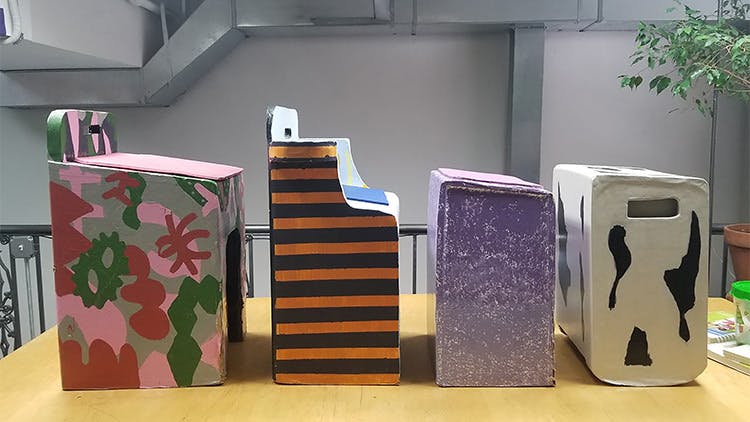
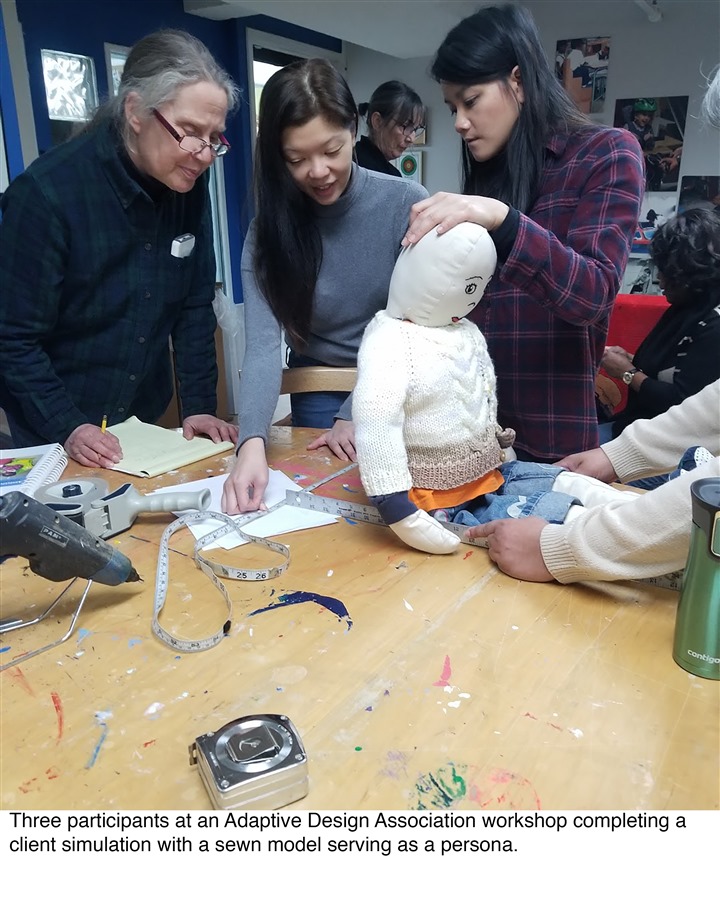
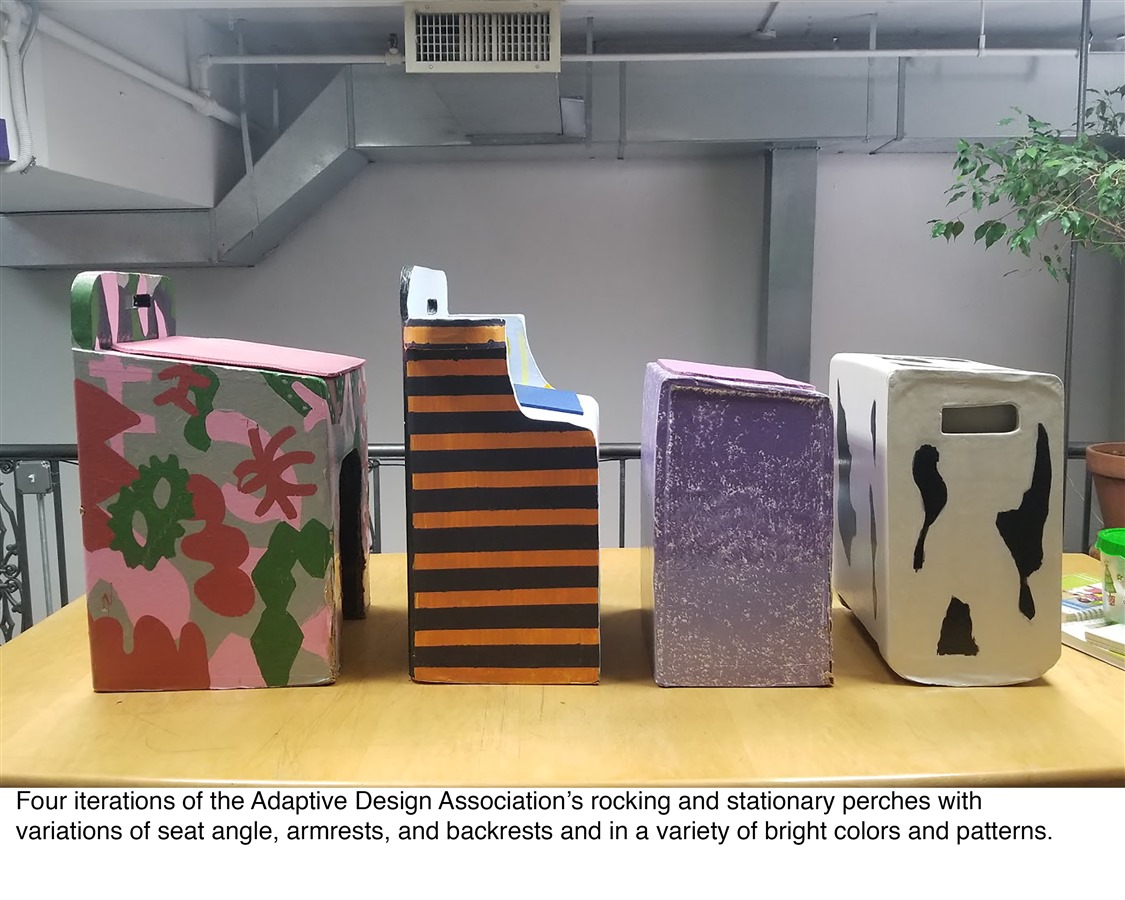
In Design for Extreme Differences, I look to the past to inform the future of practices related to design for people with disabilities. This thesis analyzes design practices used in considering the non-normalized body and the way previously used methods were informed by a rigid set of body specifications and a desire to enforce assimilation through standardized design. Rather than conducting research solely through the lens of design studies and history, I looked at design methods through a disability studies lens. I examined historical and recent perceptions of disability and determined what models of disability were considered when designing. The medical and social models of disability not only shape the way designers consider disabilities but solidify, confirm, or challenge certain attitudes towards disability. By identifying the point of intersection among these practices, I explore why previous attempts at design inclusion may not be appropriate for the pluralistic and diverse society we have today. My research concludes with several case studies of contemporary practices in design for disabilities, including the Adaptive Design Association, Open Style Lab, Lucy Jones Design, and the commonly recognized cyborg figures Hugh Herr and Neil Harbisson. These case studies coalesce to inform a set of considerations in designing for disabilities, such as collaborative processes, designing to exaggerate and emphasize differences, and space for technological advancements and experimentation.
Mariann Asayan
Design for Extreme Differences: A Consideration of Contemporary Design Practices in Design for Disabilities in the 20th and 21st Centuries
Mariann Asayan
Design for Extreme Differences: A Consideration of Contemporary Design Practices in Design for Disabilities in the 20th and 21st Centuries
Mariann Asayan
Design for Extreme Differences: A Consideration of Contemporary Design Practices in Design for Disabilities in the 20th and 21st Centuries