Lillian Melcher
Lillian Melcher's Aesop Fablies
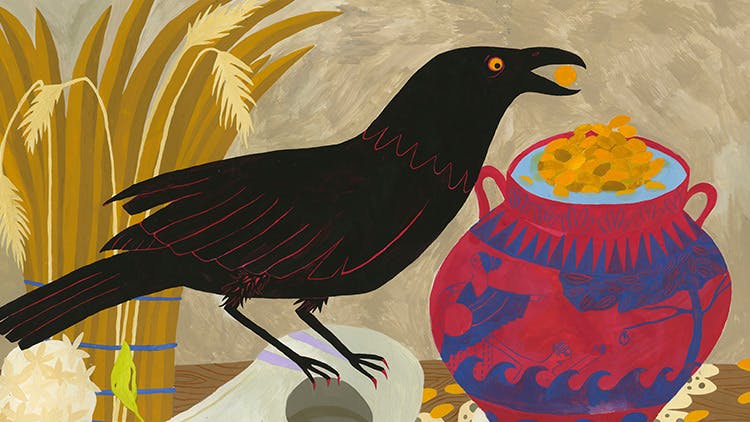
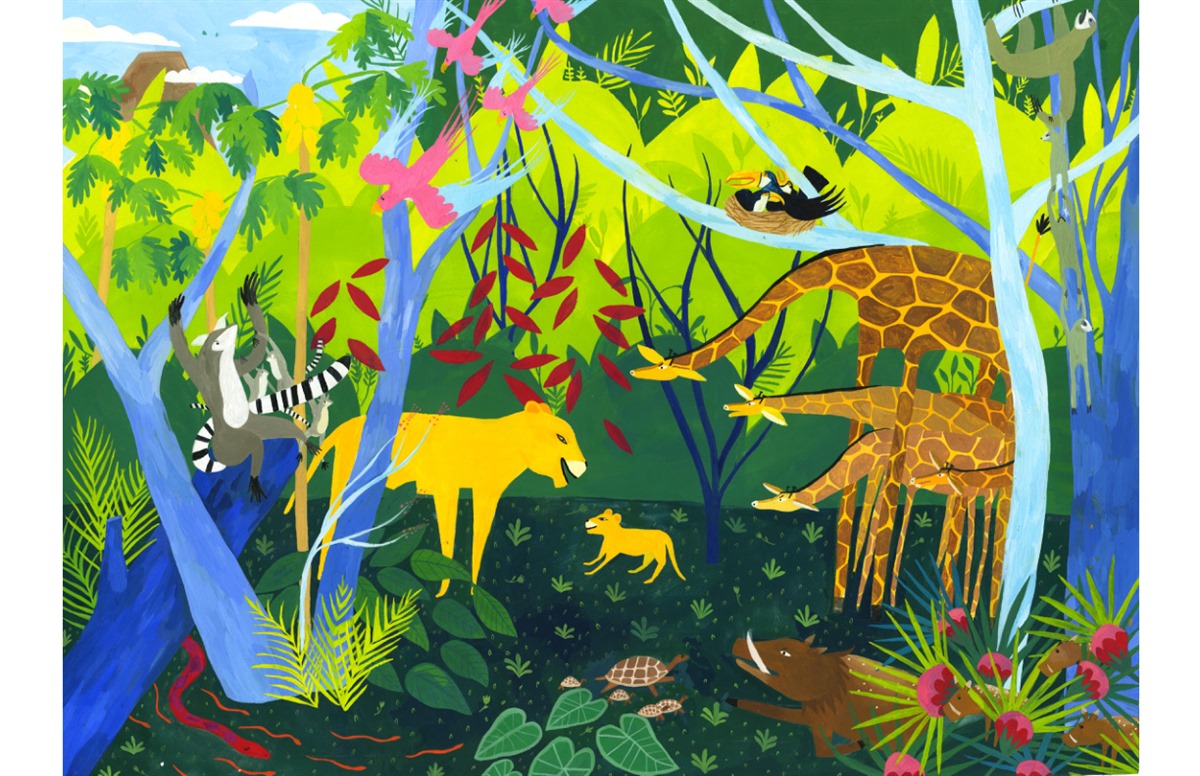
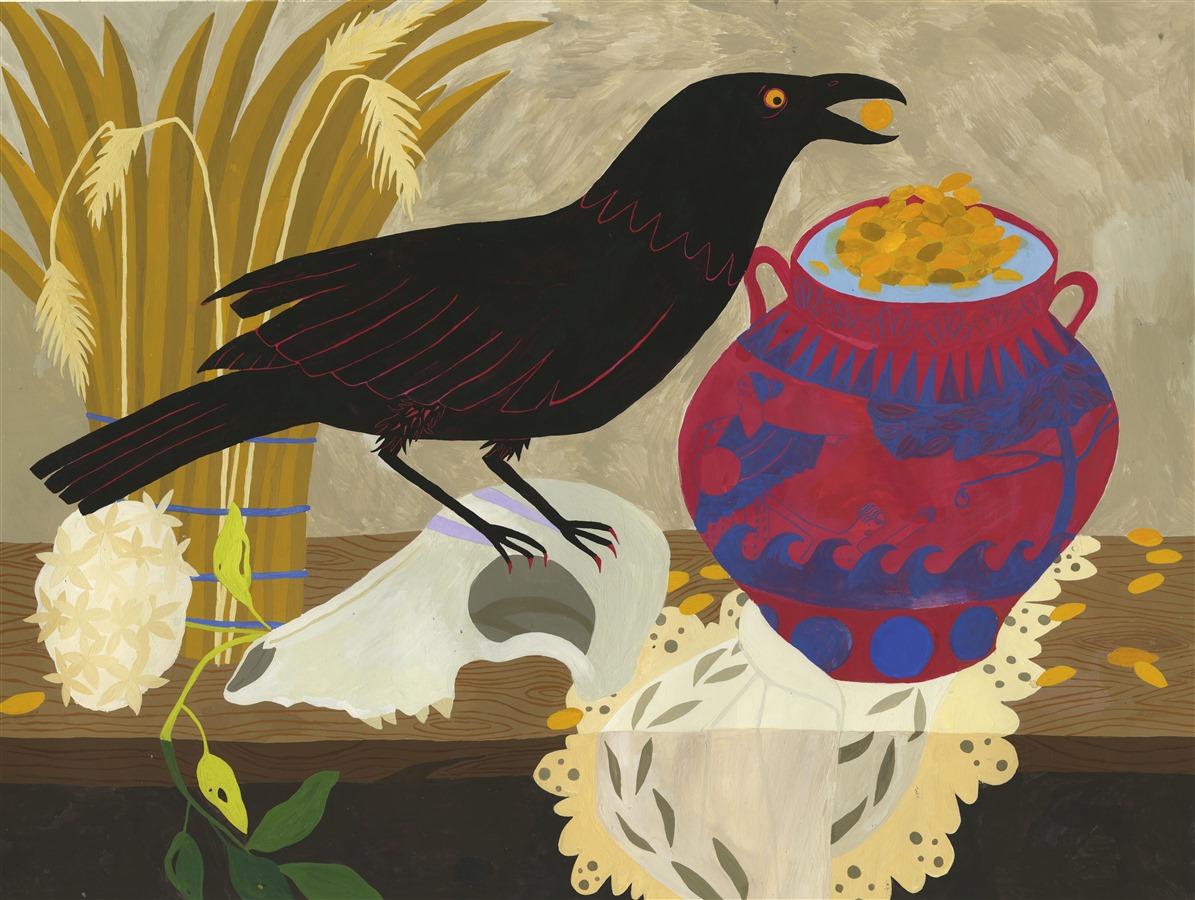
Aesop’s Fables are a 2,500-year-old storytelling tradition. The tales originate from both Eastern and Western cultures, and their morals are non-religious. The oral and written tradition of these tales has taught children across national and cultural borders for millennia. My challenge was to update the tradition for the modern child and to maximize their educational value. I sifted through the 350 fables attributed to the tradition, and chose fables that related to issues the modern child faces in the classroom. Such issues include delaying gratification, advancements in test development, and parsing the targeted advertisements saturating modern technology. Surprisingly, all of these issues are covered in the fables of Aesop. The fables have been rewritten here, to create a more modern anthology. I painted a selection of these tales, then created dolls to correspond with the paintings and fables. Through play and reflection these dolls teach empathy, a crucial skill that educators strive to cultivate in their classrooms. For thousands of years, Aesop's Fables have taught children how to adapt to society. With this project I aim to continue the tradition by means of reintroduction.
Lillian Melcher
Lillian Melcher's Aesop Fablies
Lillian Melcher
Lillian Melcher's Aesop Fablies