Leticia Cartier Oxley
Prototyping: How Ought We To Live? Prototypes, Propositions, and Design Fictions
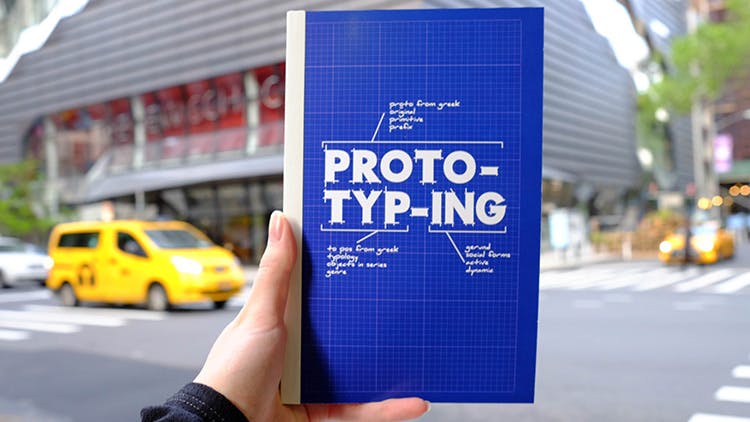
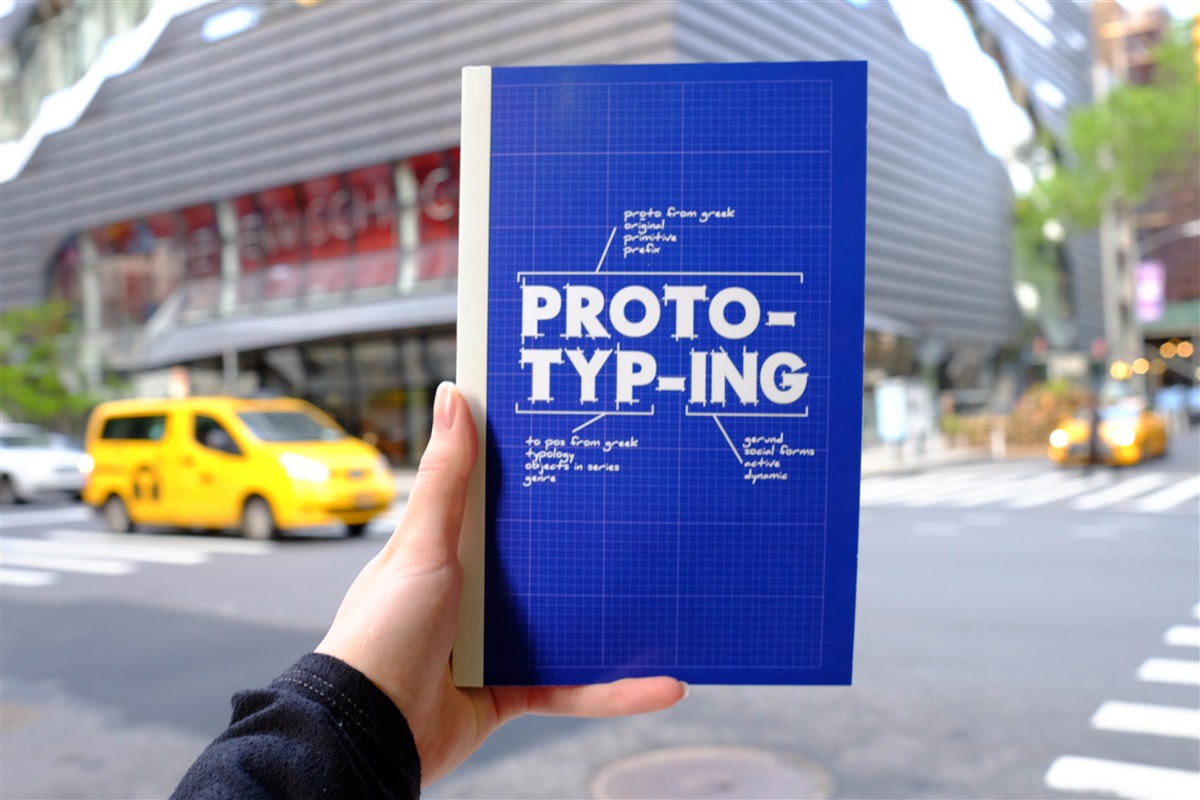
Prototyping has always been an ally to the designer. The purpose of prototyping is to operationalize research, suggesting a clear material process from concept to completion. The creative tension embodied by the prototype comes from its peculiar position in the design process. It refines research problems and questions through multiple iterations while also translating abstract and incomplete ideas into material possibilities. Prototypes, however embryonic, draw together the inchoate as a rehearsal of what might emerge through the design process. They are evolutionary precursors to final products and thus occupy a double ontological status as materialized models of a potential real thing and as a proposition. It is this ambiguity and what it allows that gives prototypes their capacity for communication and their usefulness in research. From anthropology to policy making, prototyping has been adopted as a methodological approach and as a way to materialize solutions. This capstone examines the operational and speculative roles of prototyping through a series of case studies situating the prototype historically. It also shows the ways in which designers are taking up prototyping as a form of speculative critical practice to rehearse and contemplate possible futures.
Leticia Cartier Oxley
Prototyping: How Ought We To Live? Prototypes, Propositions, and Design Fictions
Leticia Cartier Oxley
Prototyping: How Ought We To Live? Prototypes, Propositions, and Design Fictions
Leticia Cartier Oxley
Prototyping: How Ought We To Live? Prototypes, Propositions, and Design Fictions
Leticia Cartier Oxley
Prototyping: How Ought We To Live? Prototypes, Propositions, and Design Fictions
Leticia Cartier Oxley
Prototyping: How Ought We To Live? Prototypes, Propositions, and Design Fictions