
Leo and Diane Dillon
Many creative associations develop at Parsons, and the school has produced a number of marriages as well. More rare, however, are partnerships like the one between book illustrators Leo and Diane Dillon. From Brooklyn and Los Angeles respectively, the two met as art students at Parsons, where they “competed bitterly,” Leo recalled in an interview with the American Institute of Graphic Arts. But years of artistic rivalry produced an unexpected chemistry, and a year after graduation, the two married and began a decades-long collaboration illustrating science fiction, fantasy, and children’s books.
The Dillons spoke of a creative force they called It, an artist who emerged as they worked and whose powers were greater than the sum of their individual abilities.
The Dillons’ collaborative creative process was unusual; so was their early support for diversity, especially in an era when most children’s books featured white characters. An interracial couple with a mixed-race son, they sought to advance the representation of children of all backgrounds while employing a multicultural design language inspired by sources ranging from 1960s psychedelia to Native American design and Japanese woodcuts to illuminated medieval manuscripts.
The Dillons’ work appears on the cover and in the pages of more than 100 books and earned them Caldecott Medals in 1976 and 1977, for Why Mosquitoes Buzz in People’s Ears, by Verna Aardema, and Ashanti to Zulu: African Traditions, by Margaret Musgrove. To learn more about the Dillons, visit leo-and-diane-dillon.blogspot.com.
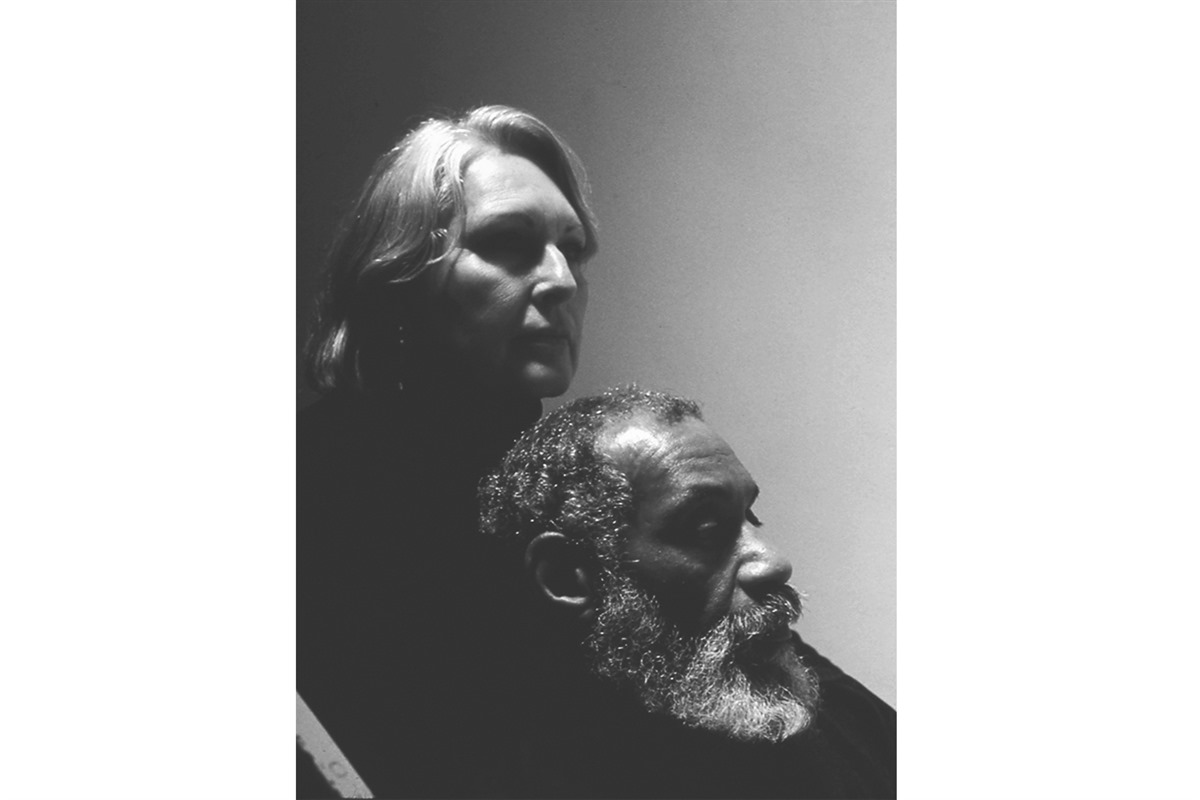
Leo and Diane Dillon.
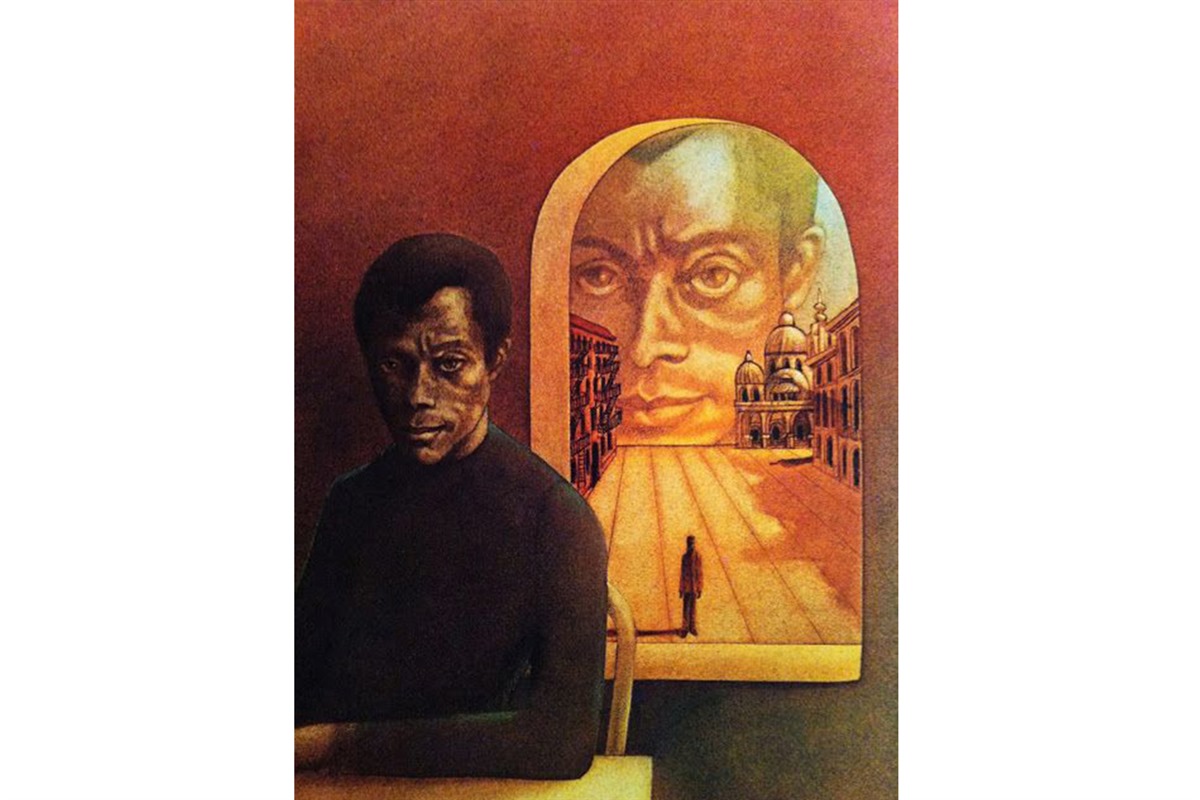
Cover art created by Leo and Diane Dillon for James Baldwin’s <i>Nobody Knows My Name: More Notes of a Native Son</i>.
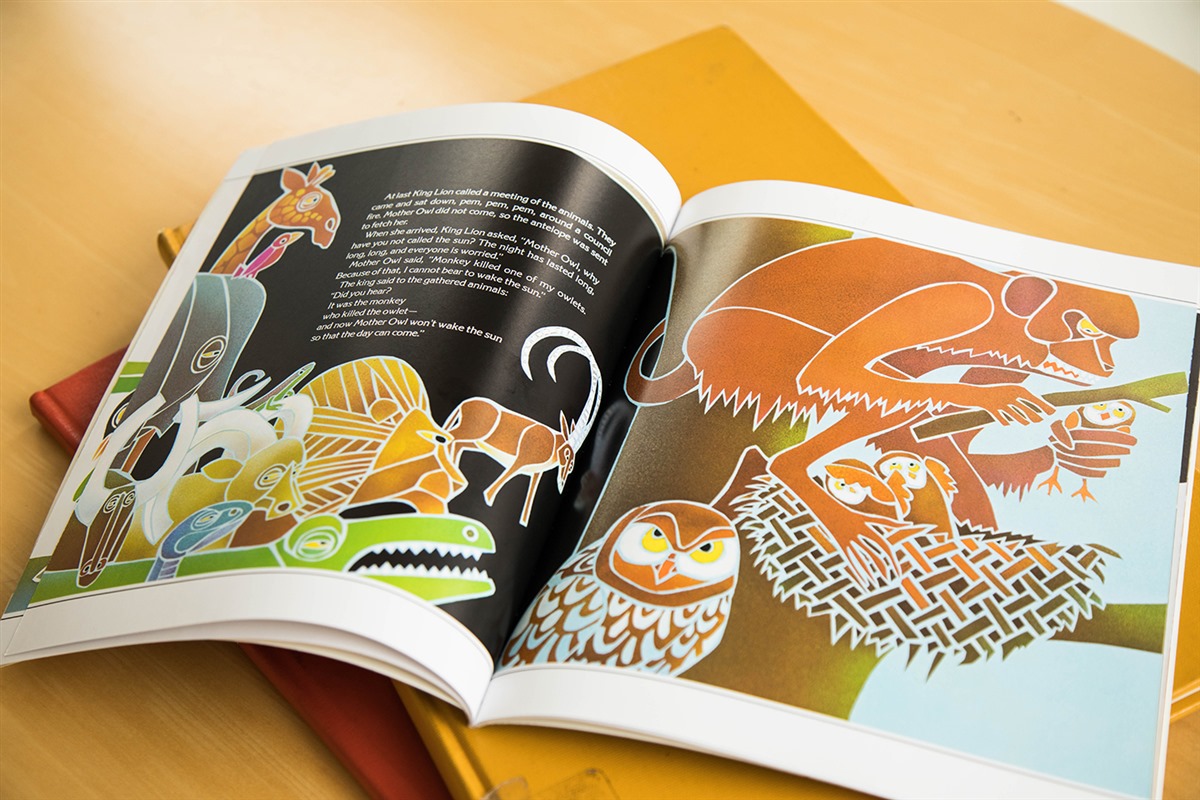
Illustrations for the popular children’s book <i>Why Mosquitoes Buzz in People’s Ears</i> by Verna Aardema.