Laura Beltran-Rubio
Fashioning Femininity: Gender, Dress and Identity in Nineteenth-Century Colombia
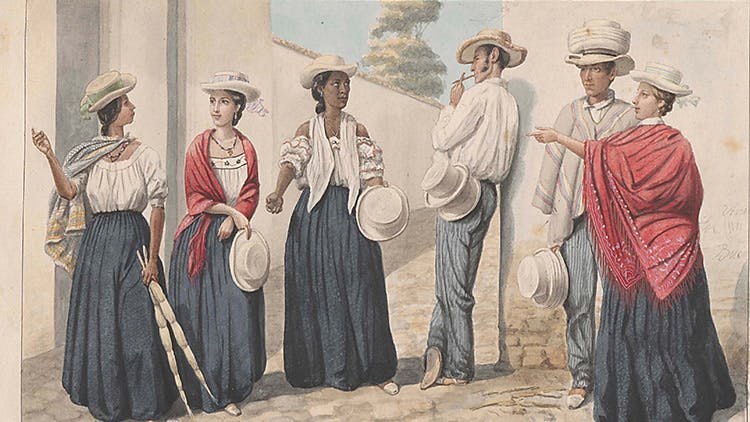
The nineteenth century was a period of great change for most Latin American nations, as they gained independence from a decaying Spanish Empire and were reborn as republics engaged in the process of social, political, and economic change toward the construction of a national identity. During this process, the work of artists and writers was employed to spread invented traditions and cultural imaginary throughout the new republics. In these works, a strictly gendered idea of nationhood was founded. Negotiating between traditional/colonial and progressive/republican values, writers and artists created a gendered notion of the “ideal Colombian,” and relegated the Colombian woman to the domestic field, the ideal of womanhood being one of pure and submissive virginity.
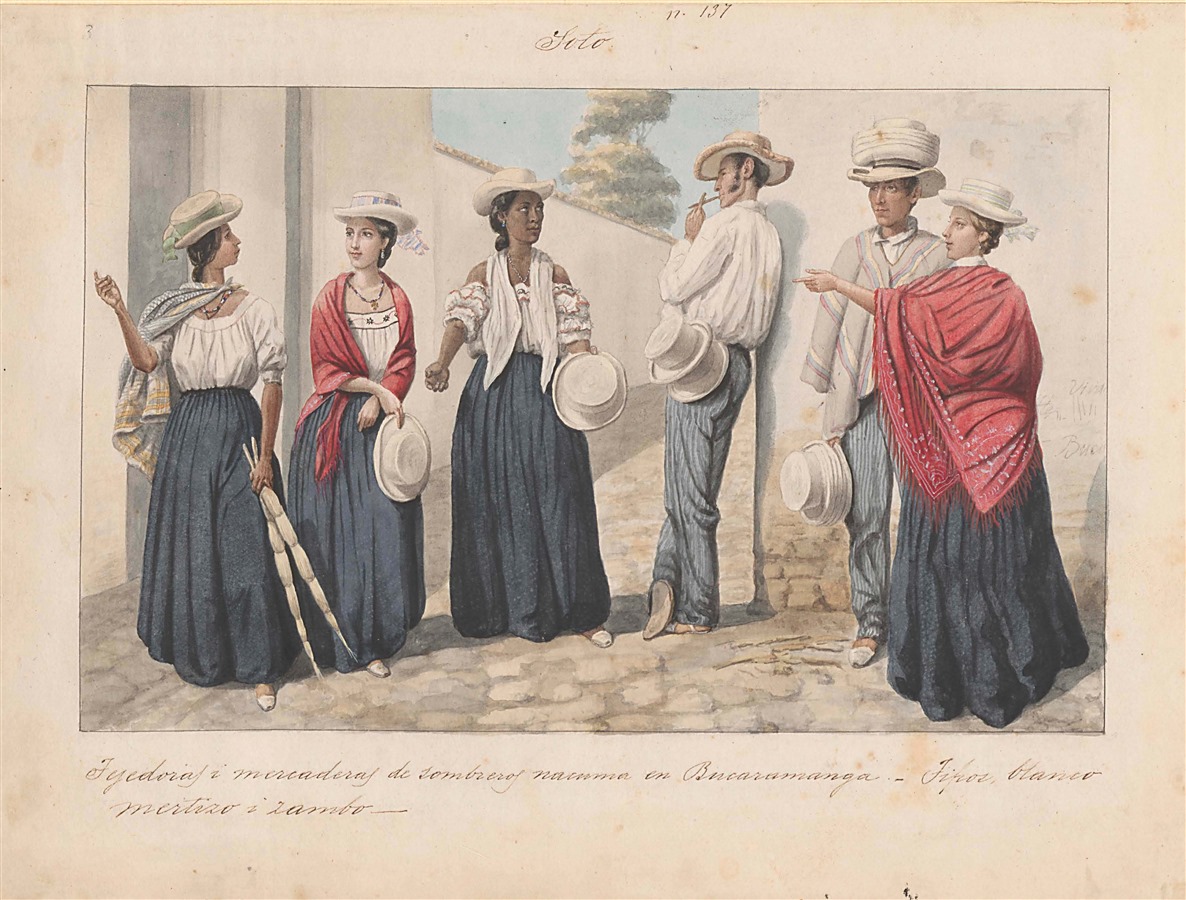
Although such works highlighted certain characteristics of personality, they also emphasized the importance of appearances, of manners, and of fashion/dress. This thesis focuses on the portrayal of Colombian femininity through dress: it studies the construction of the ideal Colombian woman through the clothes she wears in two novels: Jorge Isaacs’ María (1867) and Eugenio Díaz Castro’s Manuela (1858), as well as drawings produced by Carmelo Fernández, Henry Price, and Manuel María Paz for the Comisión Corográfica. In addition to identifying the ways in which the ideal Colombian woman is portrayed through dress, I look for potential opportunities for the subversion of such ideals and the creation of alternative forms of femininity. lauraofthevalley.com
Laura Beltran-Rubio
Fashioning Femininity: Gender, Dress and Identity in Nineteenth-Century Colombia