Kristen Kersh and Mehdi Salehi
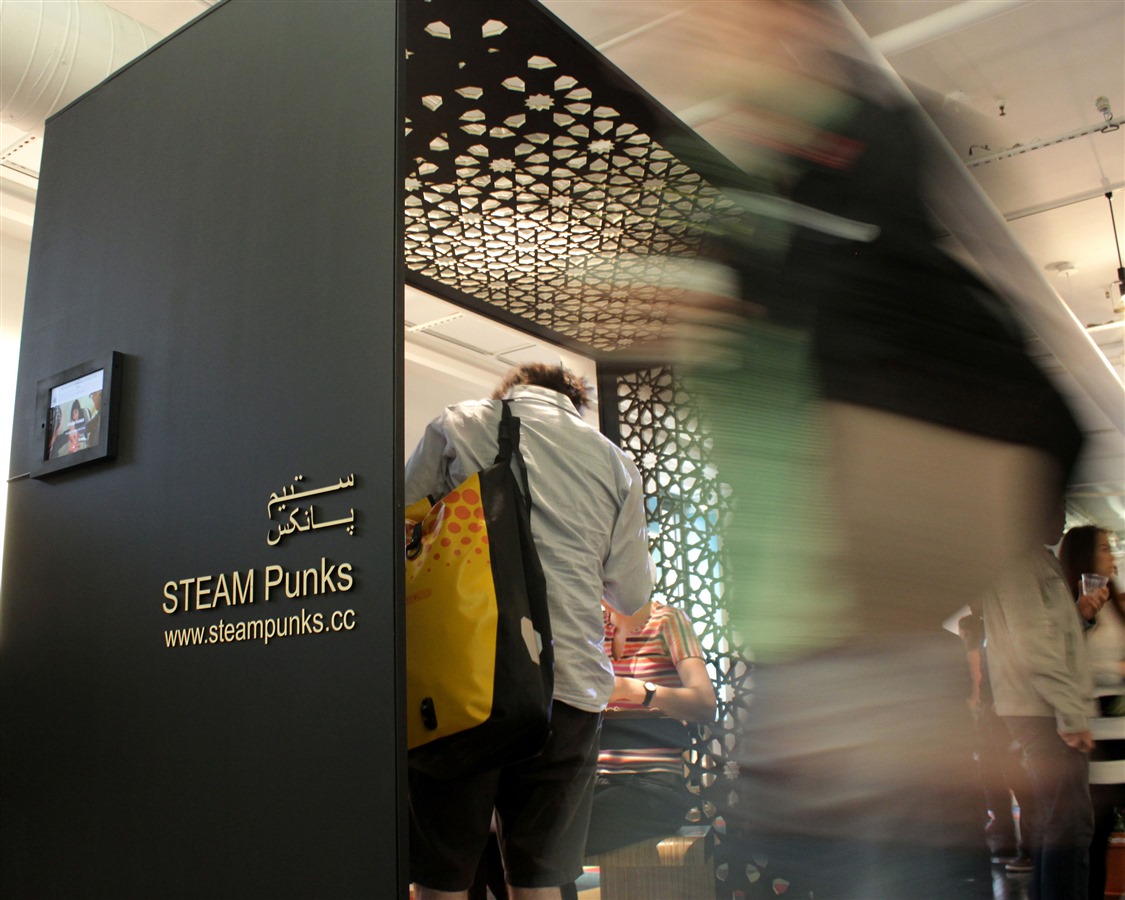
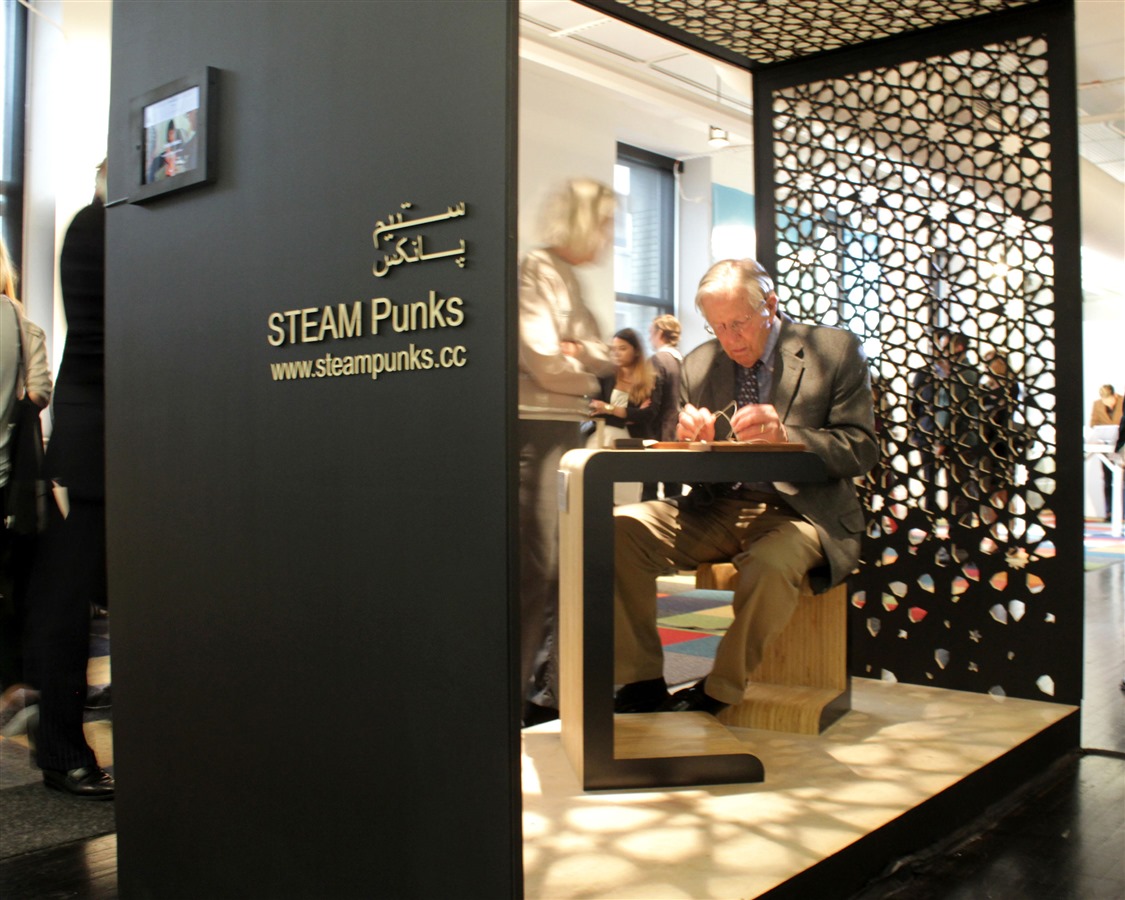
Steam Punks
Problem: Afghanistan is within a period of rebuilding after more than three decades of war. 62% of Afghans are under the age of 24, and 42% are between the ages of 0-14. The primary pedagogical approach in Afghanistan's public schools is to teach through rote memorization. Shabana Basij-Rasikh the creator of the School for Leadership Afghanistan (SOLA), one of STEAM Punks' nonprofit partners, asked the following question: how will you develop the next generation of leaders and thinkers if you are teaching them through rote memorization?
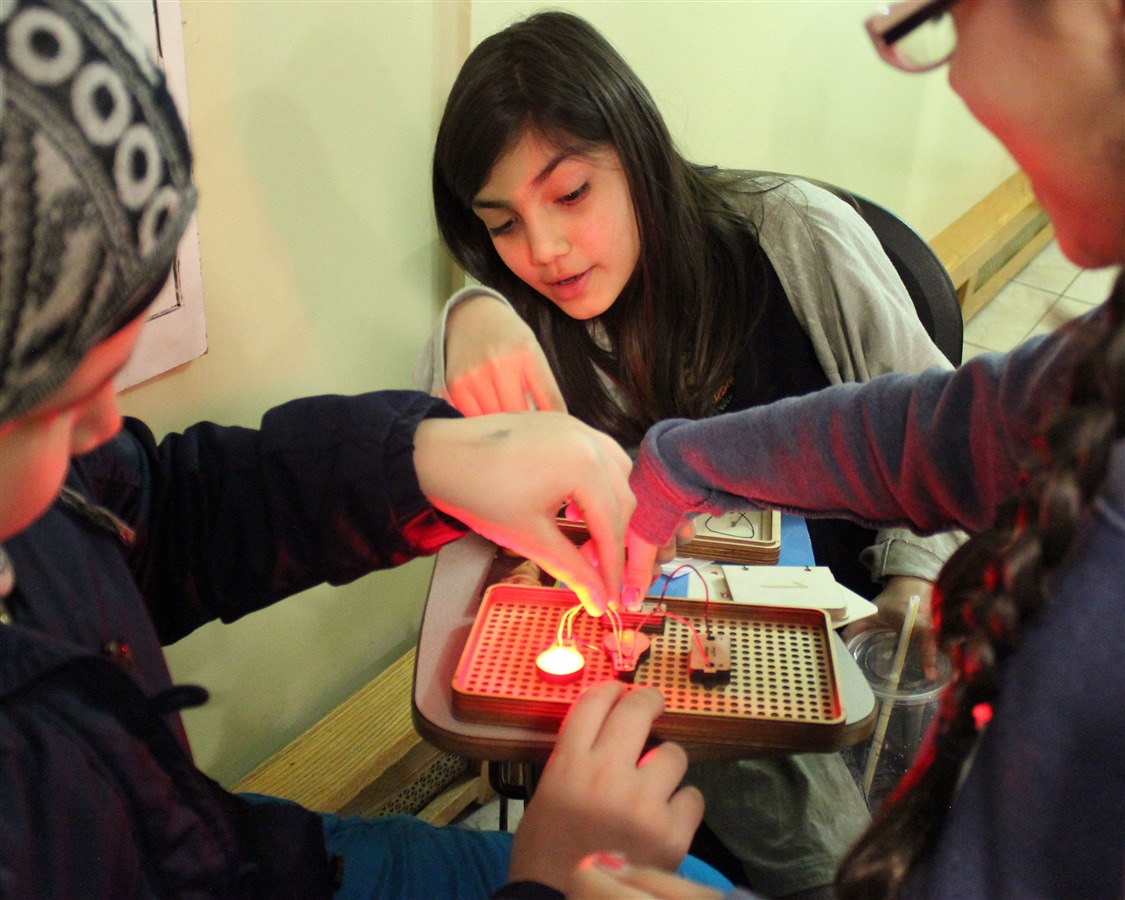
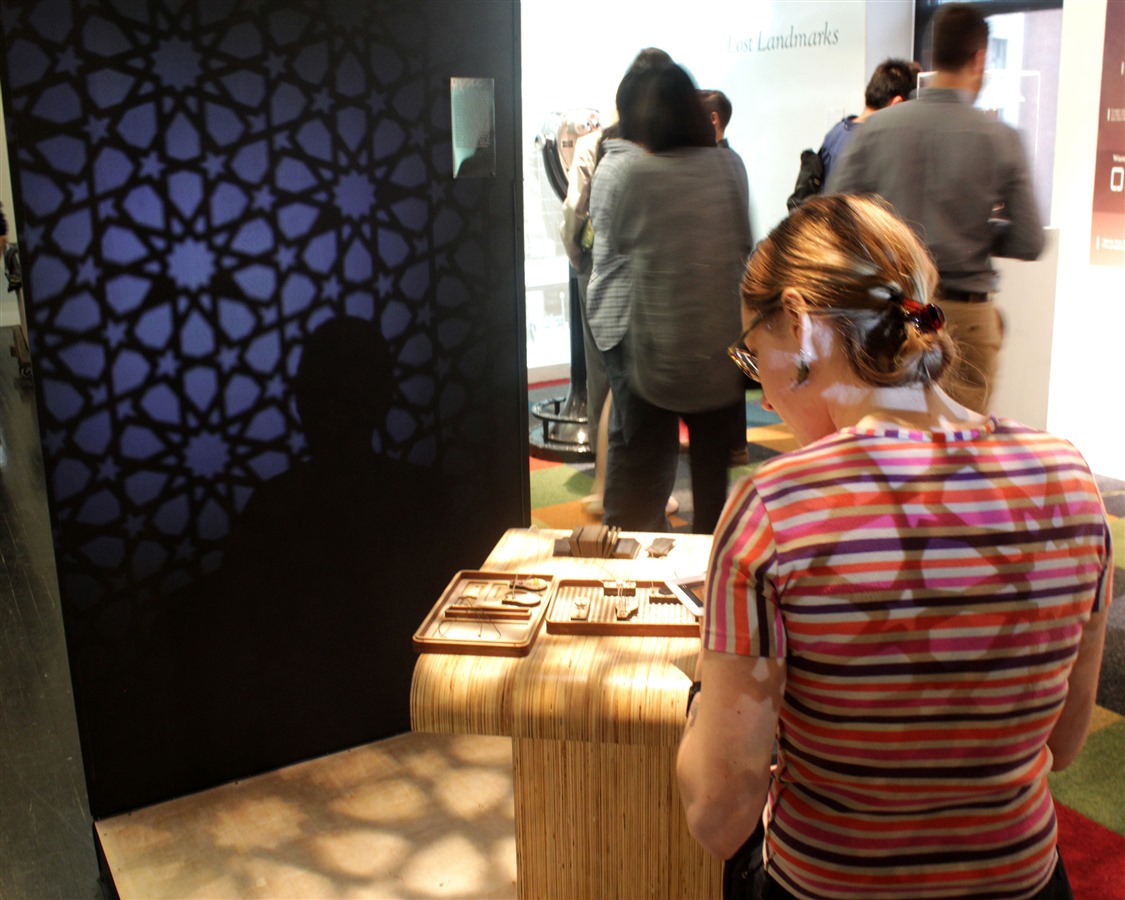
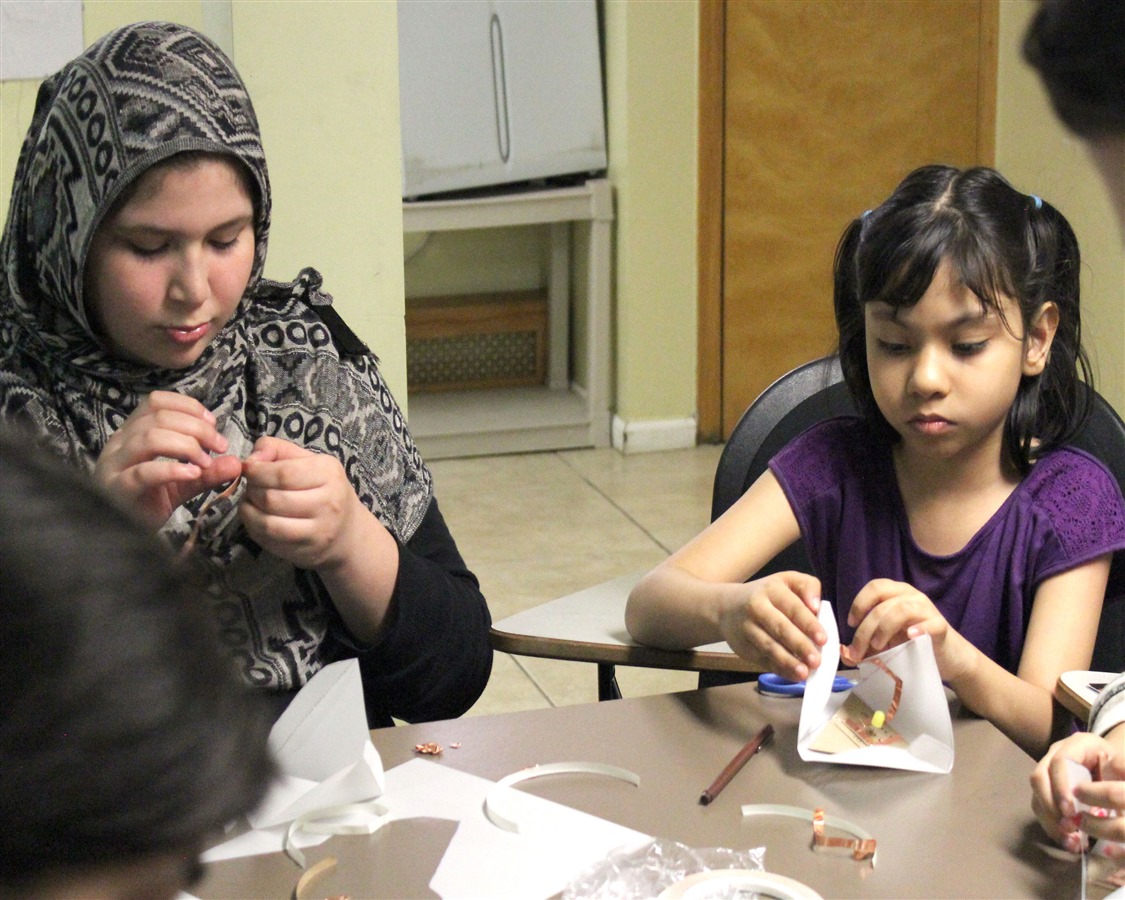
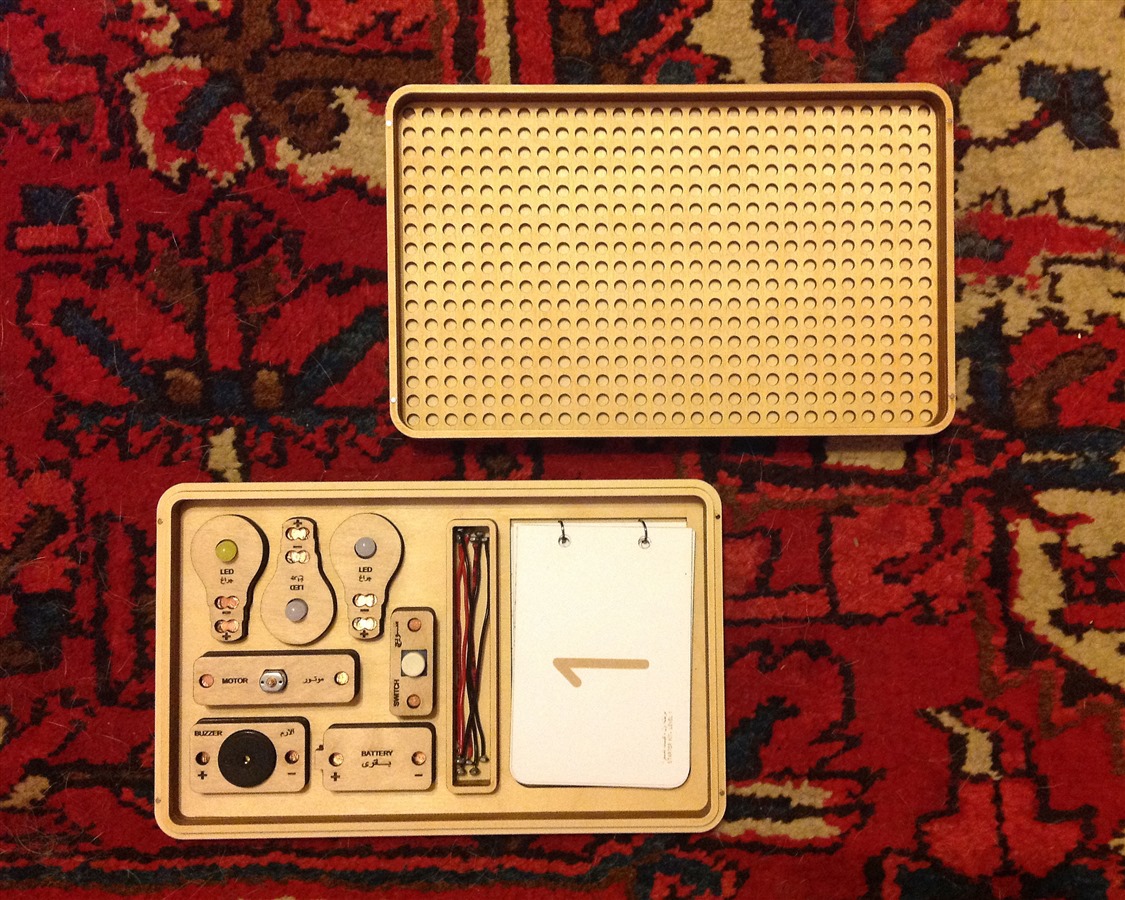
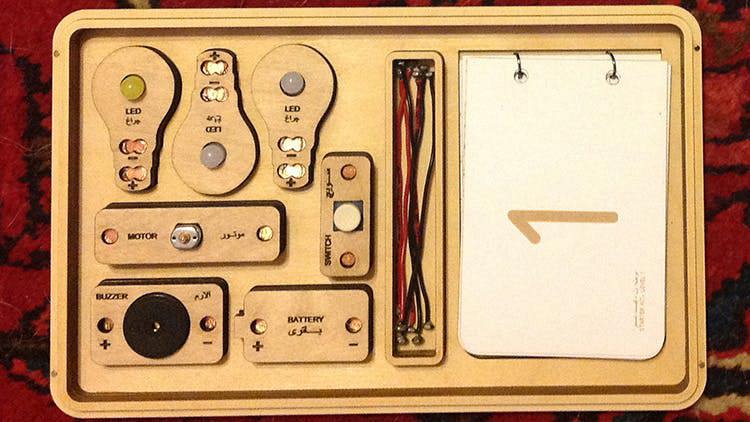
In order to support the development of critical and creative thinking skills for young Afghans living in Kabul, we created the STEAM Punks project, which includes two kits and a workshop that allows young Afghans ages 6-16 to explore technology and design through making. The electronic kits and workshop support the development of critical thinking skills, creativity, and curiosity, urging them ask the all-important question, What if? Asking what if allows children to imagine and accomplish what might currently feel impossible. The kits and workshop are a part of a complete eco-system that aims to train teachers, support inquiry into design and technology, and promote learning through making. By using this approach STEAM Punks intends to foster a grassroots organization to facilitate a pedagogical shift. This shift would alter the current framework and support the integration of a learning through making approach to foster critical and creative thinking skills.