komal sharma
Relevance of craft in postindustrial and digital design practices
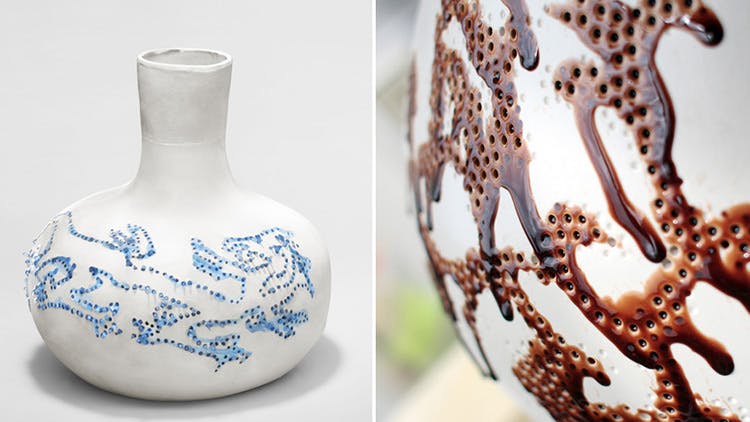
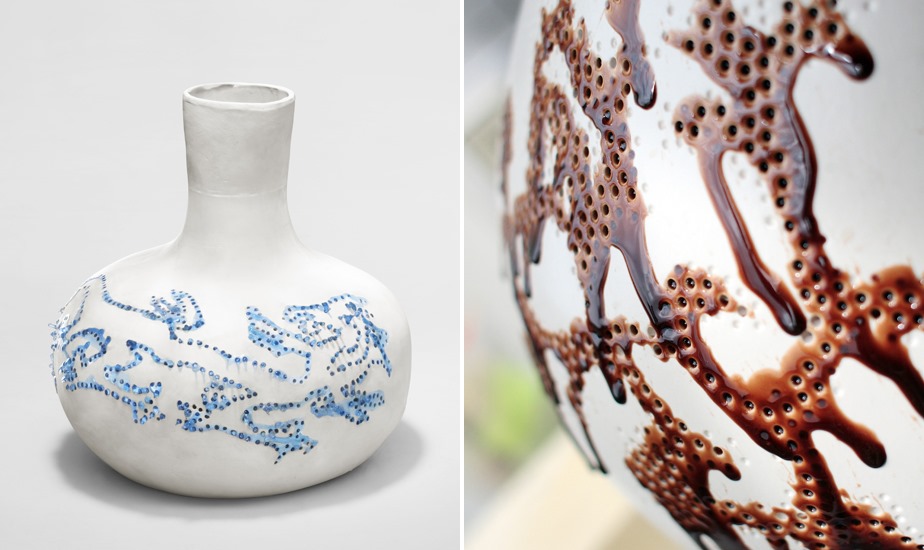
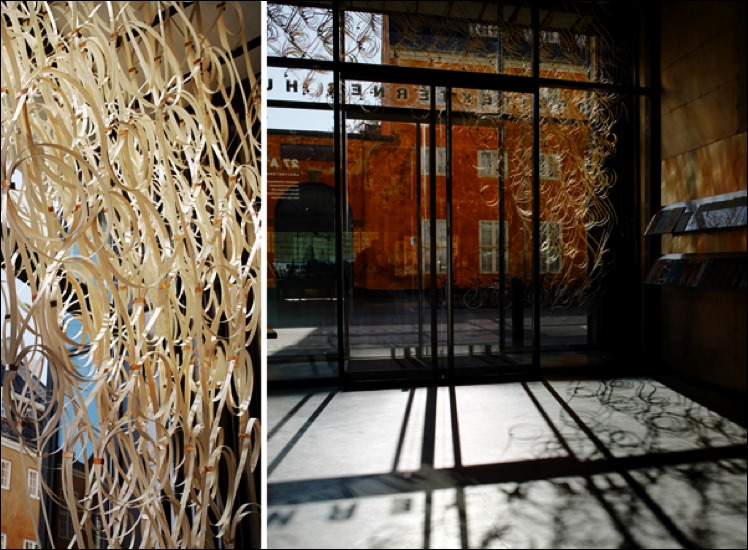
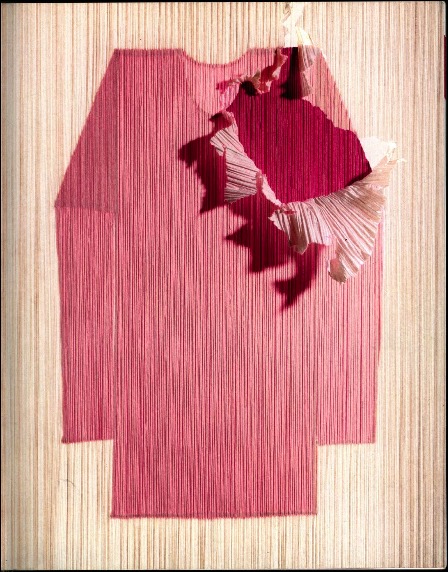
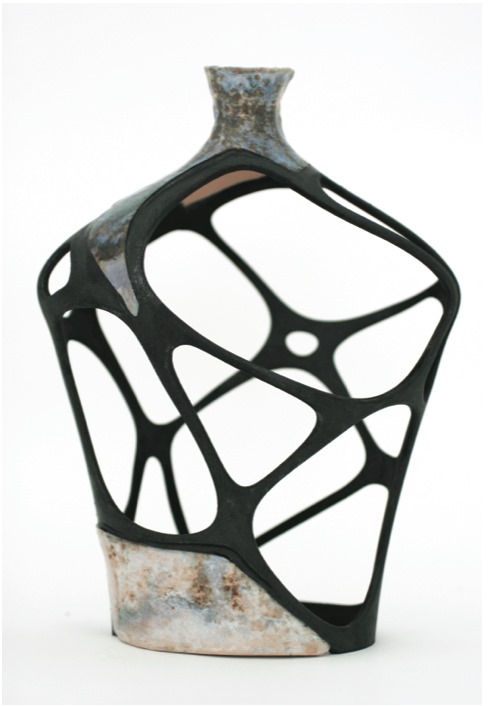
This thesis is an investigation of the mutuality between craft—as a way of knowing and making—and design. At a transitional time when the systems established by the Industrial Revolution are being replaced by a fluid, differently networked system of production, consumption and disposal, craft and its modes of making seem to be re-emerging with renewed relevance to the postindustrial state of design. Furthermore, design today has an expansive scope; it is not only focused on making an object, but also producing the specific conditions that make the object or event. In this context, this thesis attempts to viably situate craft within contemporary design practices. In doing so, this thesis first discusses a set of abstract values or virtues of craft: Skill, materiality, haptic ways of knowing, cultural and sustainable capacities of craft, and its temporal dimension. Craft is understood as a qualitative consideration that goes beyond its premodern conception as a category of objects or techniques. In the following chapters, a series of designers’ works are investigated to understand how these abstract values of craft inform their practices and to what end. Projects by the likes of industrial designer Hella Jongerius, digital design practitioner Mette Ramsgard Thomsen, architect Peter Zumthor, and fashion designer Issey Miyake are analyzed as I search for a notion of craftedness. Whether it is a check against sterility of industrial production, a care imbued in the making of an object, or an aesthetic quality, a distinct experience comes to light in these design practices as they incline towards crafts’ ways of knowing and making.