Kaushiki Gon
Dissolving Boundaries — Social Bathing as Integrative Practice

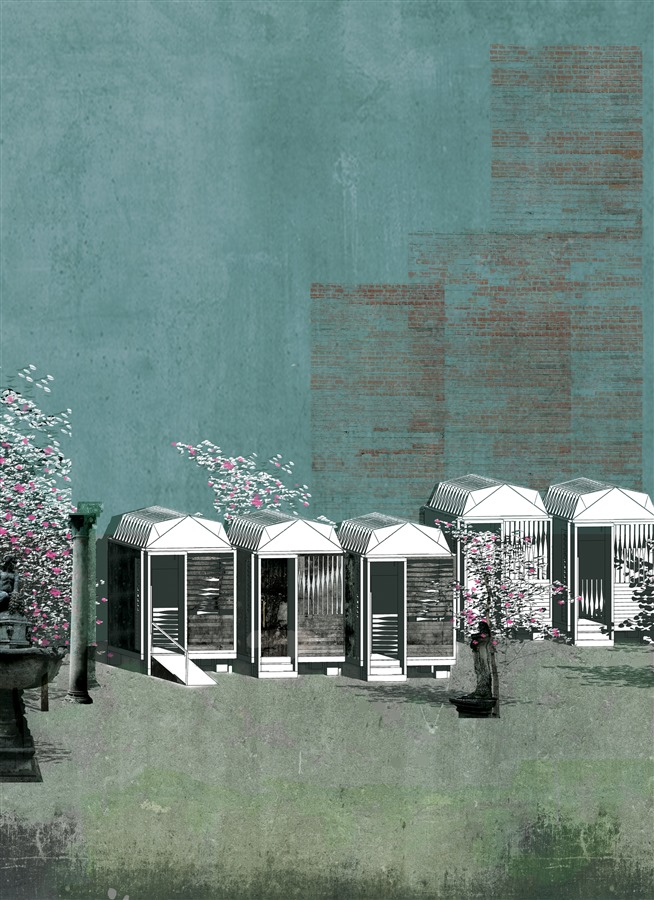
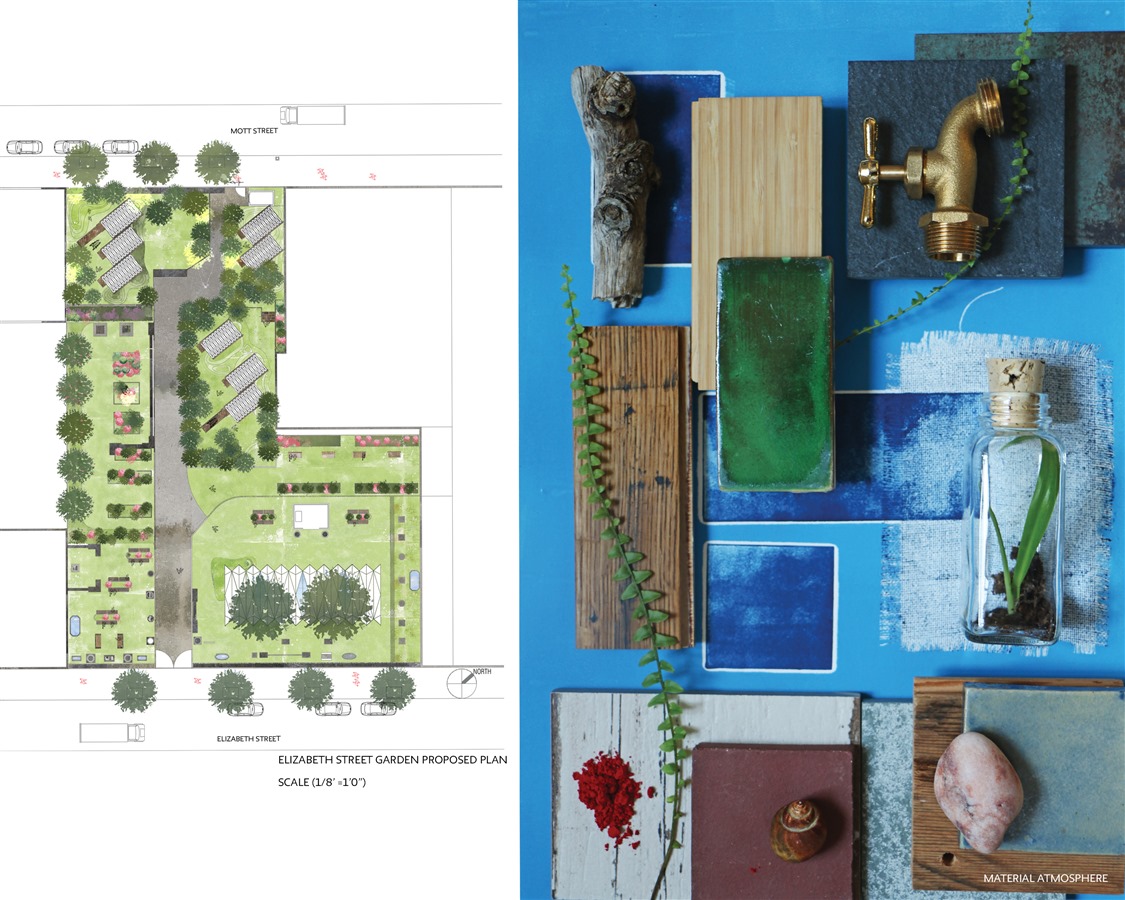
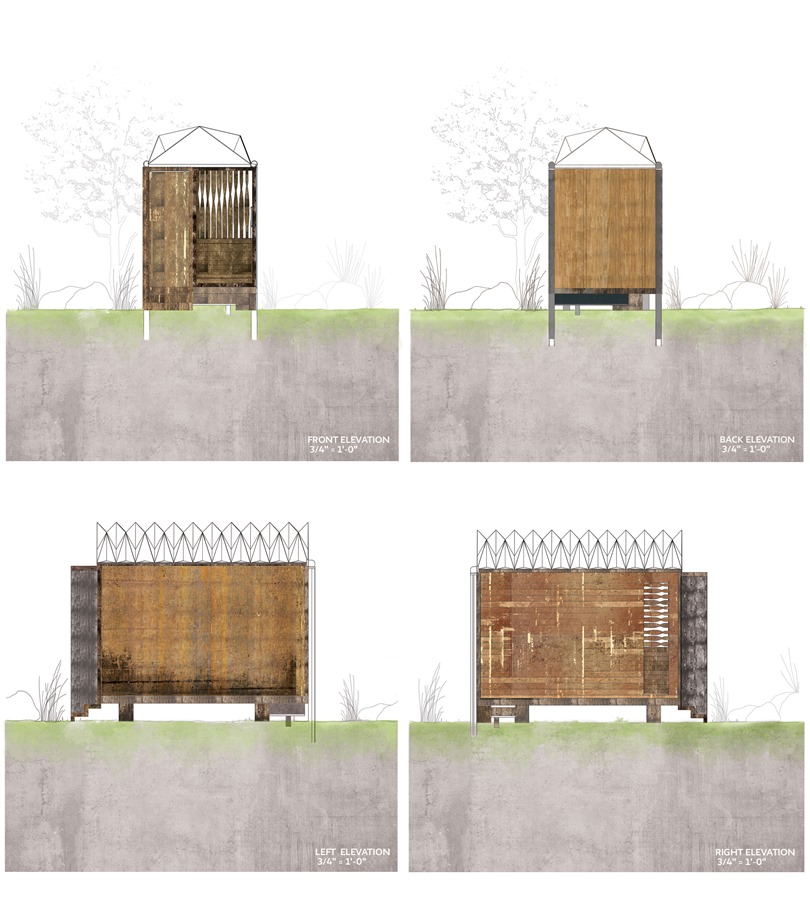
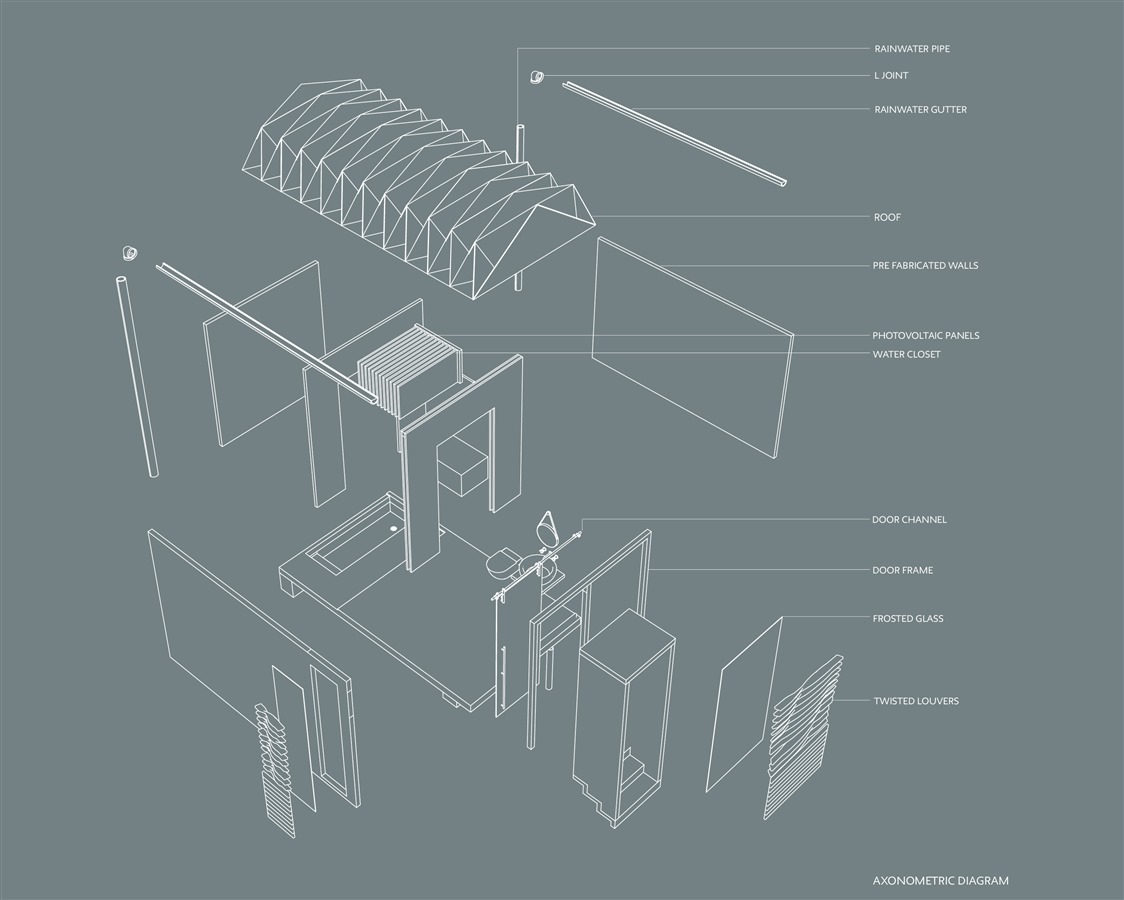
The urban garden is a place of acceptance. It's an egalitarian space where the seeds we plant do not discriminate and the flowers blossom for everyone, regardless of race, ethnicity, gender or socioeconomic background. Our society, on the other hand, has ample examples of inequality that we often choose to ignore. In October 2017, there were 62,963 homeless people, including 15,689 homeless families with 23,707 homeless children, living in New York City municipal shelters. The rising costs of urban living and public austerity measures have resulted in the loss of many social services. My project involves the creation of several bathing pods in the Elizabeth Street Community Garden, which has a rich history of communal bathing. In the absence of social services such as public bathing facilities, the pods provide a place to wash within an urban garden. For homeless people, communal bathing might foster a sense of belonging rather than marginalization. Similarly, community gardens build social capital, reduce crime, increase individual empowerment and, most important, tie individuals and families to the land. What would it be like to have a safe space for individuals experiencing homelessness to begin to symbolically plant seeds for the future?
Kaushiki Gon
Dissolving Boundaries - Social Bathing as Integrative Practice
Kaushiki Gon
Dissolving Boundaries - Social Bathing as Integrative Practice
Kaushiki Gon
Dissolving Boundaries - Social Bathing as Integrative Practice

Kaushiki Gon
Dissolving Boundaries - Social Bathing as Integrative Practice
Kaushiki Gon
Dissolving Boundaries - Social Bathing as Integrative Practice