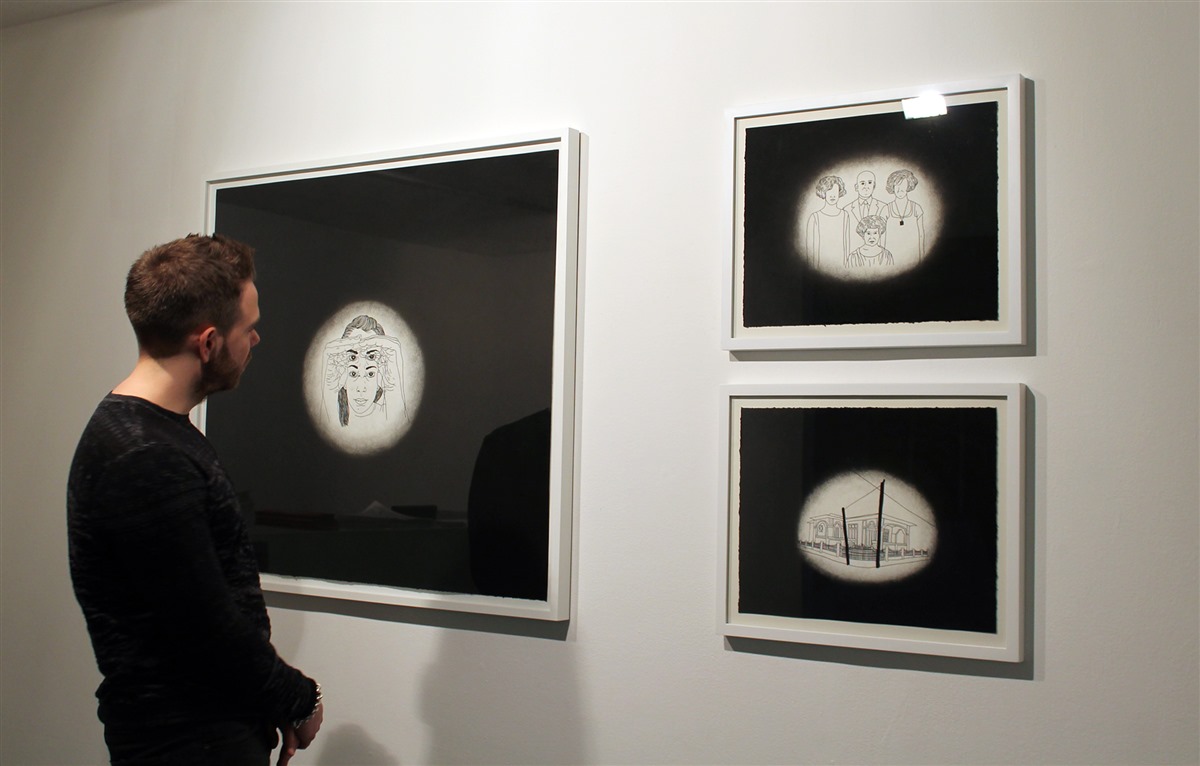
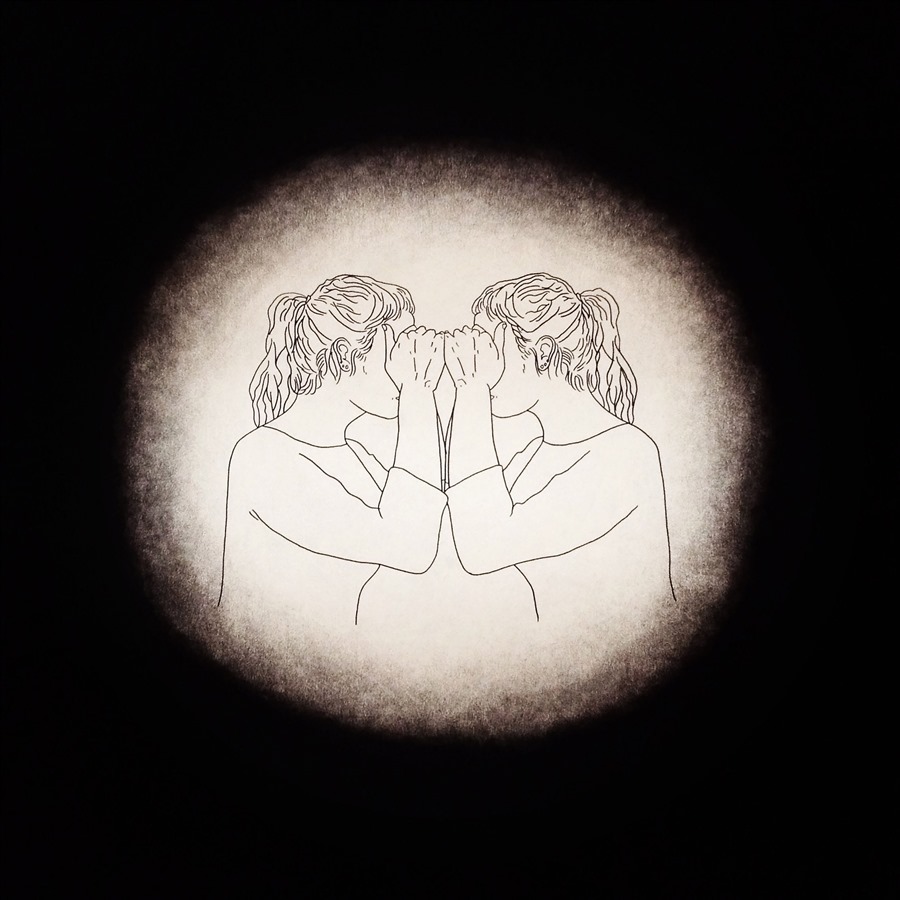
Kai Margarida-Ramirez
The Mother Nation: Family Memory, Storytelling, and Mestizaje
Trinh T. Minh-ha says that identity is "a claim of continuity within discontinuity." She adds that writers of color are "condemned to write autobiographically, living in a double exile far from native land and mother tongue; they write from memory and depend on hearsay‚ reanimate the ashes of childhood and country of origin."
My connection to my place of origin has to be constantly re-articulated and remembered through stories. My mother provided me with tales of her childhood and family lore, giving me an idea of what it was like to be a child growing up in Puerto Rico. Her childhood informed mine; my experience was split between the quotidian and the narrated. The Puerto Rico that I understood was not real, but rather something that came from my mother's memories. It is important to note here that the customs my mother followed were not common Puerto Rican customs, but her own. Consequently, when I refer to my cultural heritage and traditions, I refer to my Mother Nation; quite literally, this is the nation built between my mother and myself. This is the place from which I create.
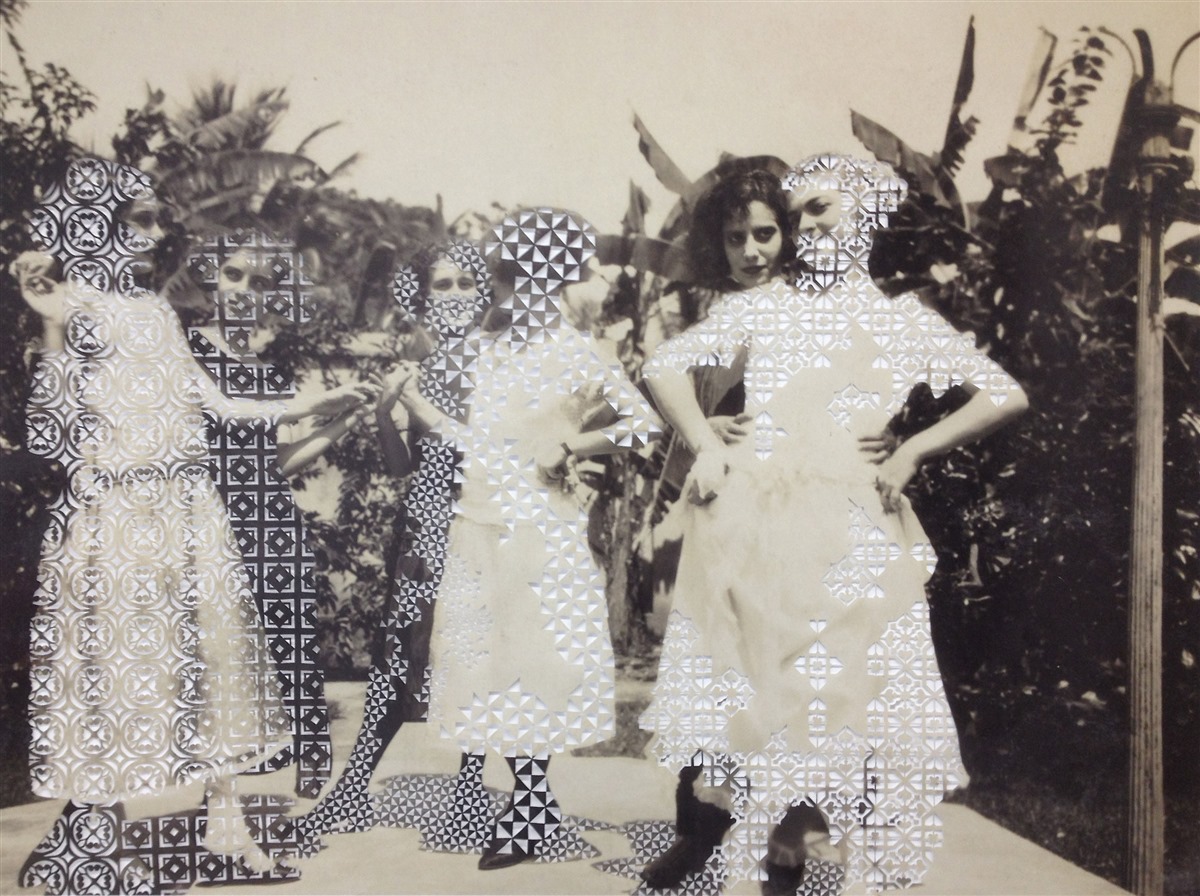
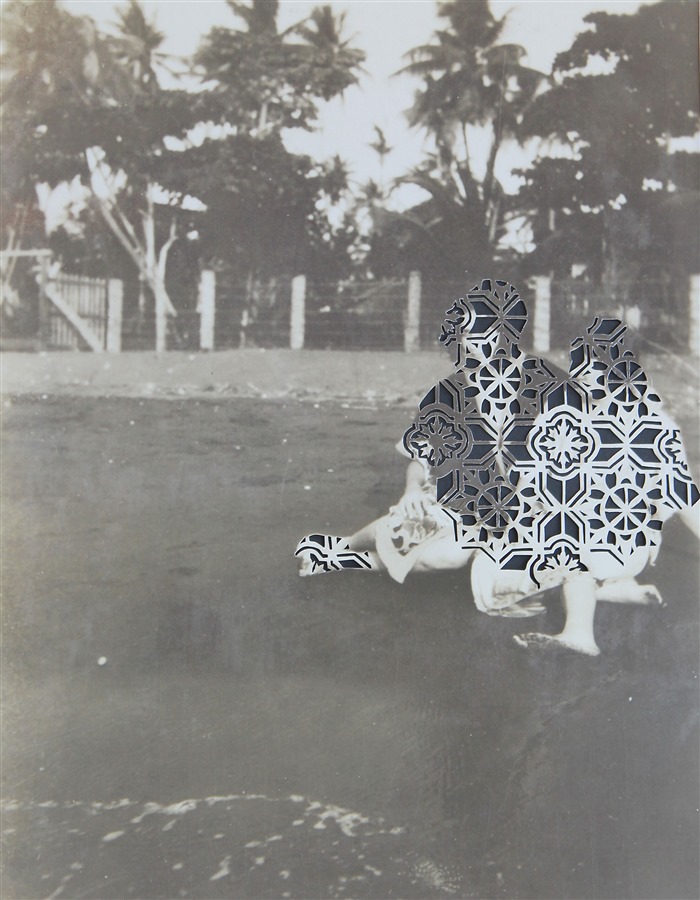
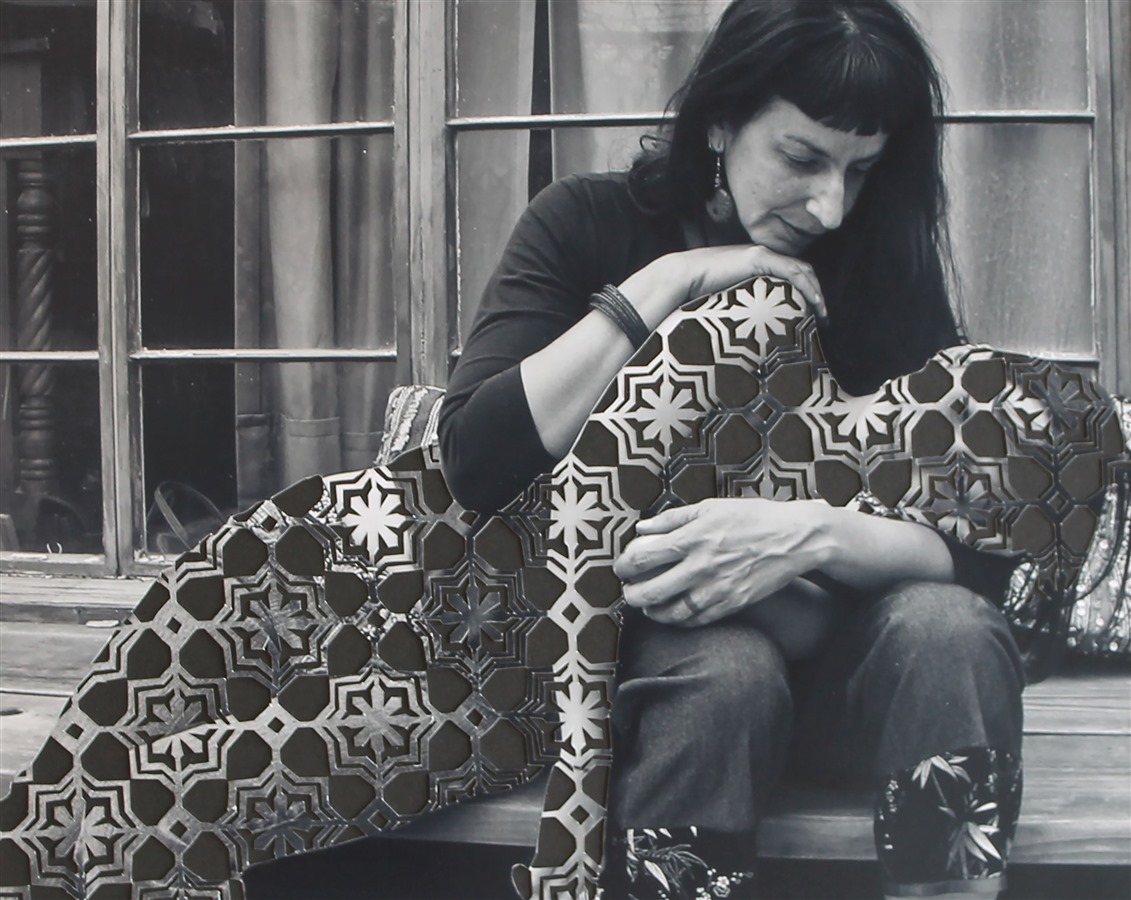
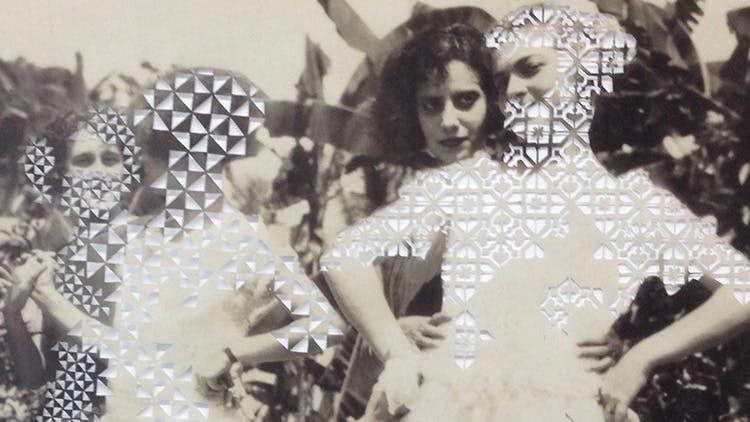
Using family photographs taken by my great-great-grandmother and drawing from family memory and storytelling, I engage in an intergenerational collaboration with my ancestors and insert my hand into our history and narratives to find where my truth lies.