Diego McElroy
Intercambio
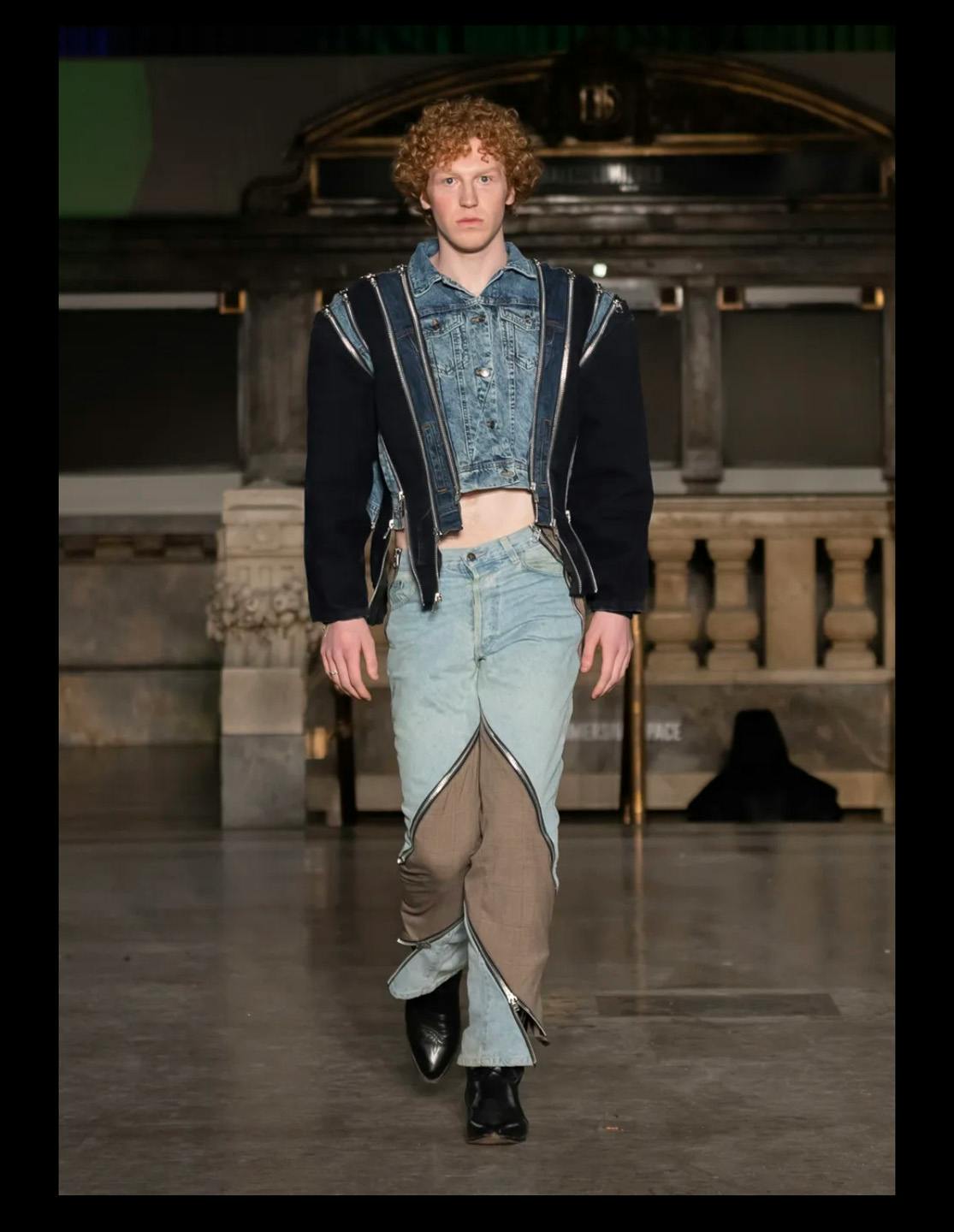
Intercambio is an end-to-end modular clothing system that creates circular solutions for post-consumer garments. It works exclusively with end-of-life garments, the most urgent challenge for the fashion industry, sourced in collaboration with the secondhand textile distributor Helpsy.
A pivotal moment for me was learning of a UK study revealing that if all fashion production stopped today, there would still be enough clothing on earth to dress the next four generations. This gave my thesis a clear and urgent direction: to move the fashion industry toward a circular model that makes use of what already exists.
Rather than purchasing new textiles, I challenged myself to work exclusively with end-of-life clothing. My research on donated clothing led me to Helpsy, which became the primary source of materials for my project. I then set about developing a scalable circular system for these hard-to-recycle post-consumer clothes.
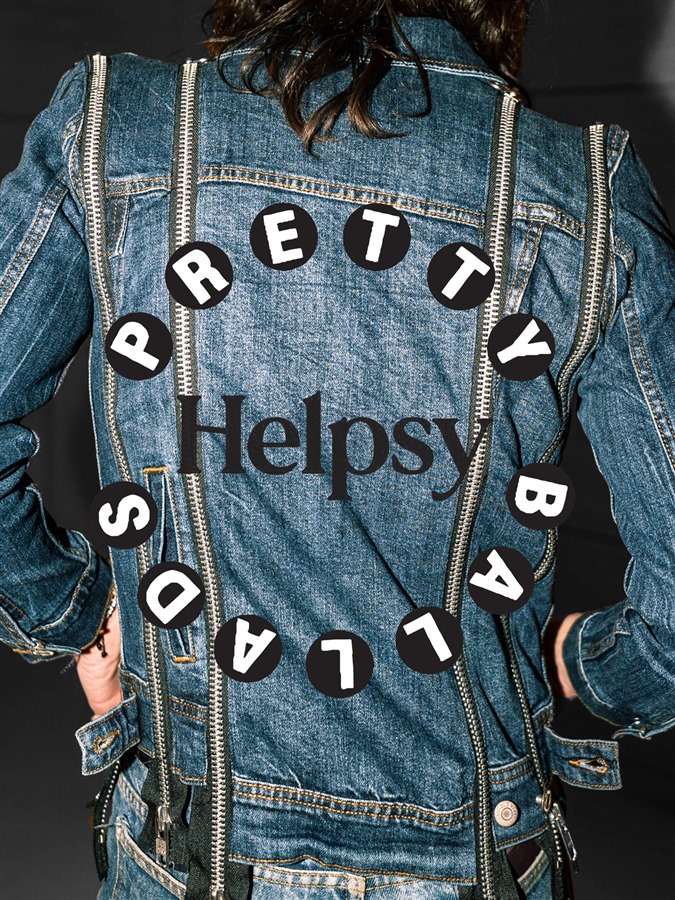
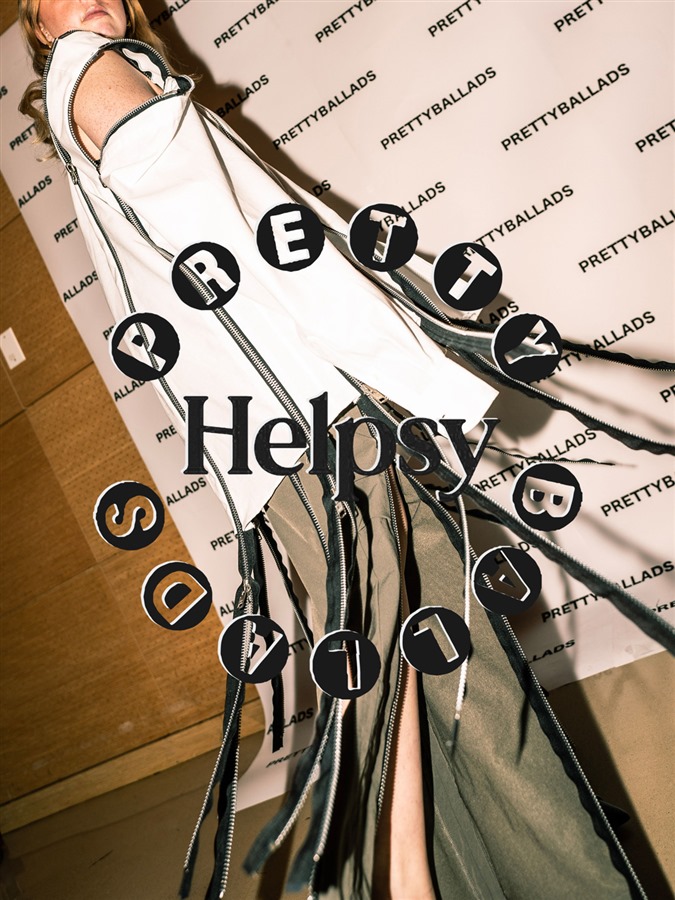
Recognizing the challenges involved in working with post-consumer garments at scale, I decided to develop a modular system that allowed for the creation of cohesive pieces from multiple secondhand garments while preserving original design details. The system extends the life of garments by emphasizing interchangeability and customization.
My perspective on fashion design has fundamentally shifted through this work. I believe that the future of design lies in working with end-of-life, post-consumer garments as source material, and I am committed to driving this change within the industry.
A pivotal moment for me was learning of a UK study revealing that if all fashion production stopped today, there would still be enough clothing on earth to dress the next four generations. This gave my thesis a clear and urgent direction: to move the fashion industry toward a circular model that makes use of what already exists.
Rather than purchasing new textiles, I challenged myself to work exclusively with end-of-life clothing. My research on donated clothing led me to Helpsy, which became the primary source of materials for my project. I then set about developing a scalable circular system for these hard-to-recycle post-consumer clothes.
Recognizing the challenges involved in working with post-consumer garments at scale, I decided to develop a modular system that allowed for the creation of cohesive pieces from multiple secondhand garments while preserving original design details. The system extends the life of garments by emphasizing interchangeability and customization.
My perspective on fashion design has fundamentally shifted through this work. I believe that the future of design lies in working with end-of-life, post-consumer garments as source material, and I am committed to driving this change within the industry.