Cherish Hsiaohui Ho
20/200
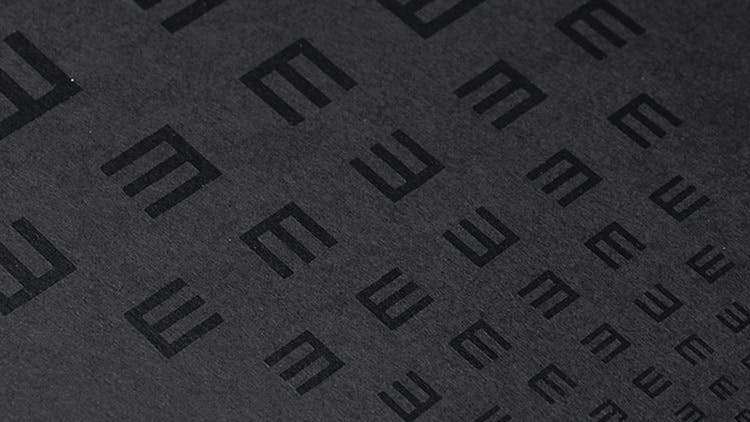
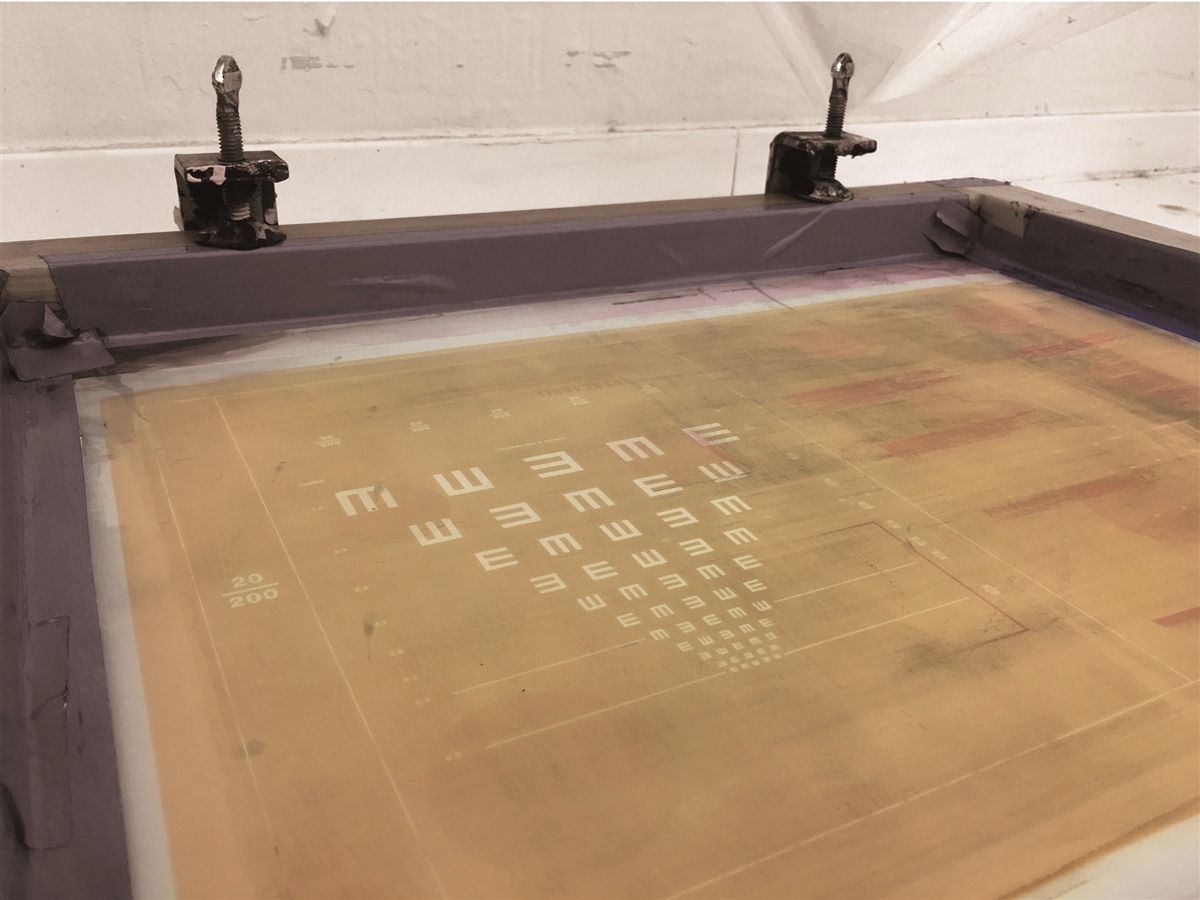
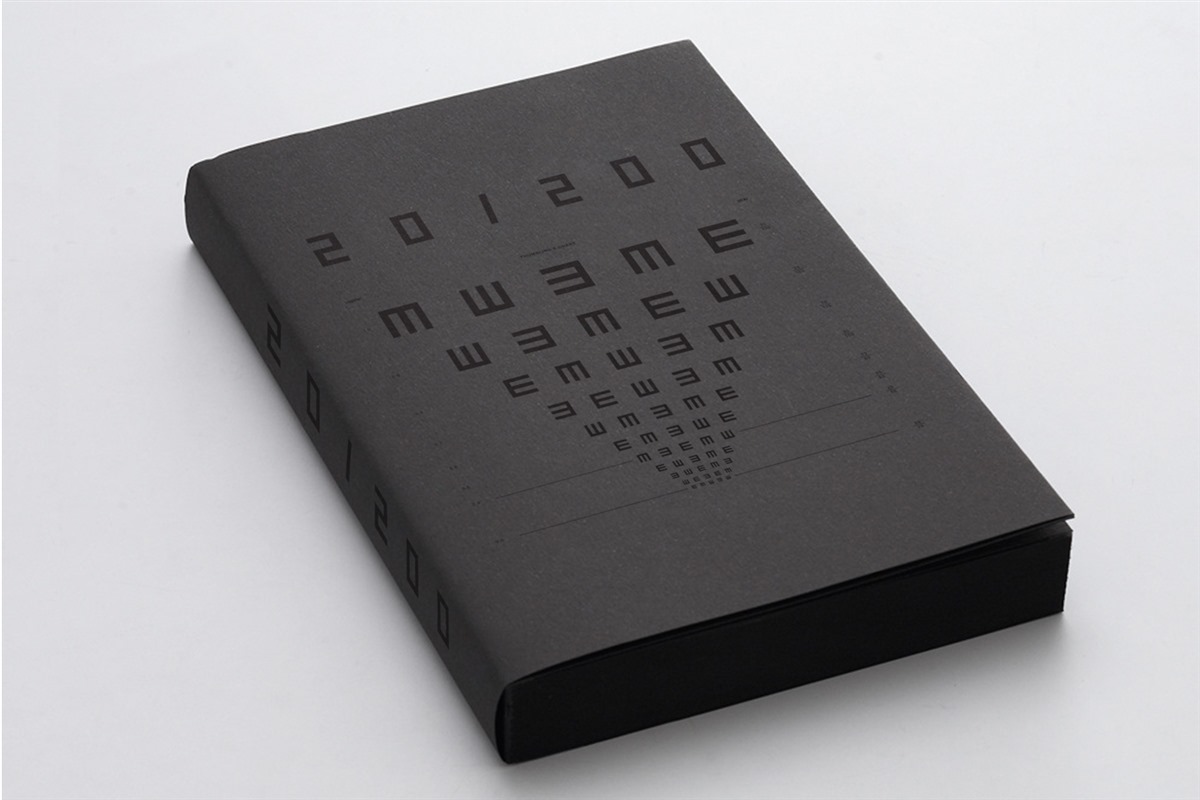
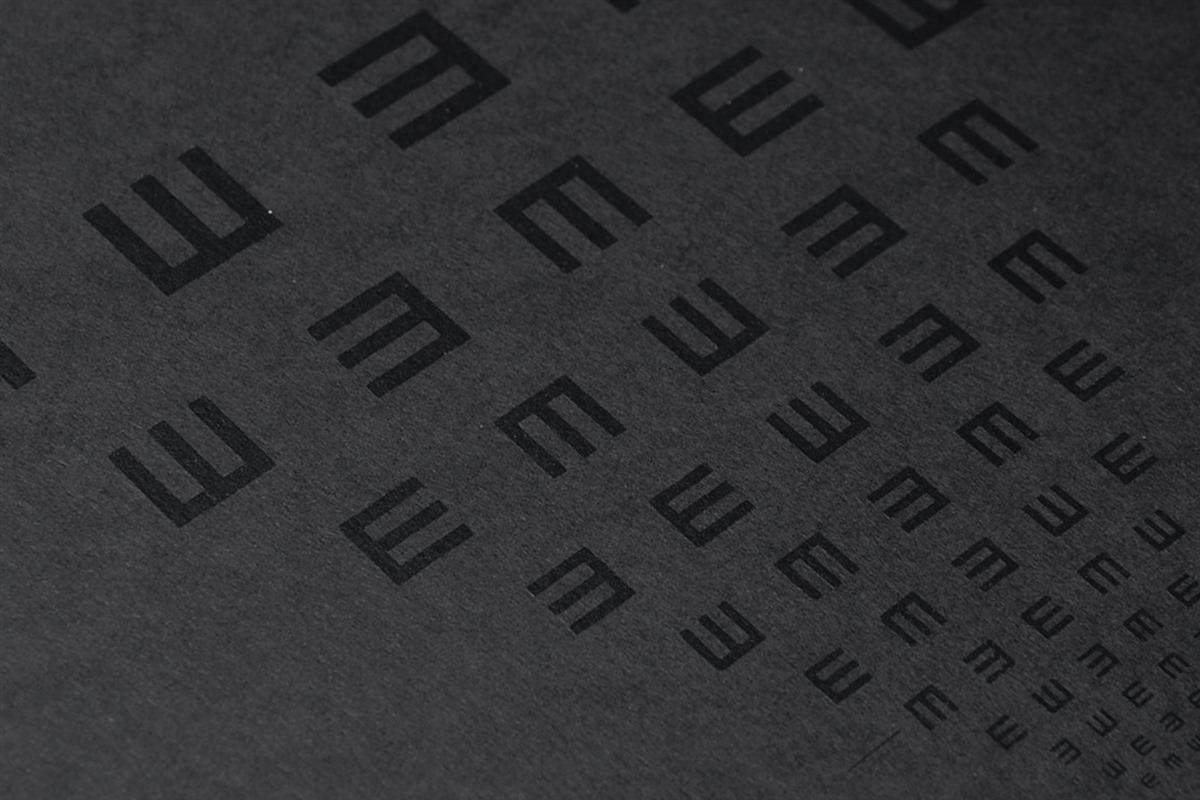
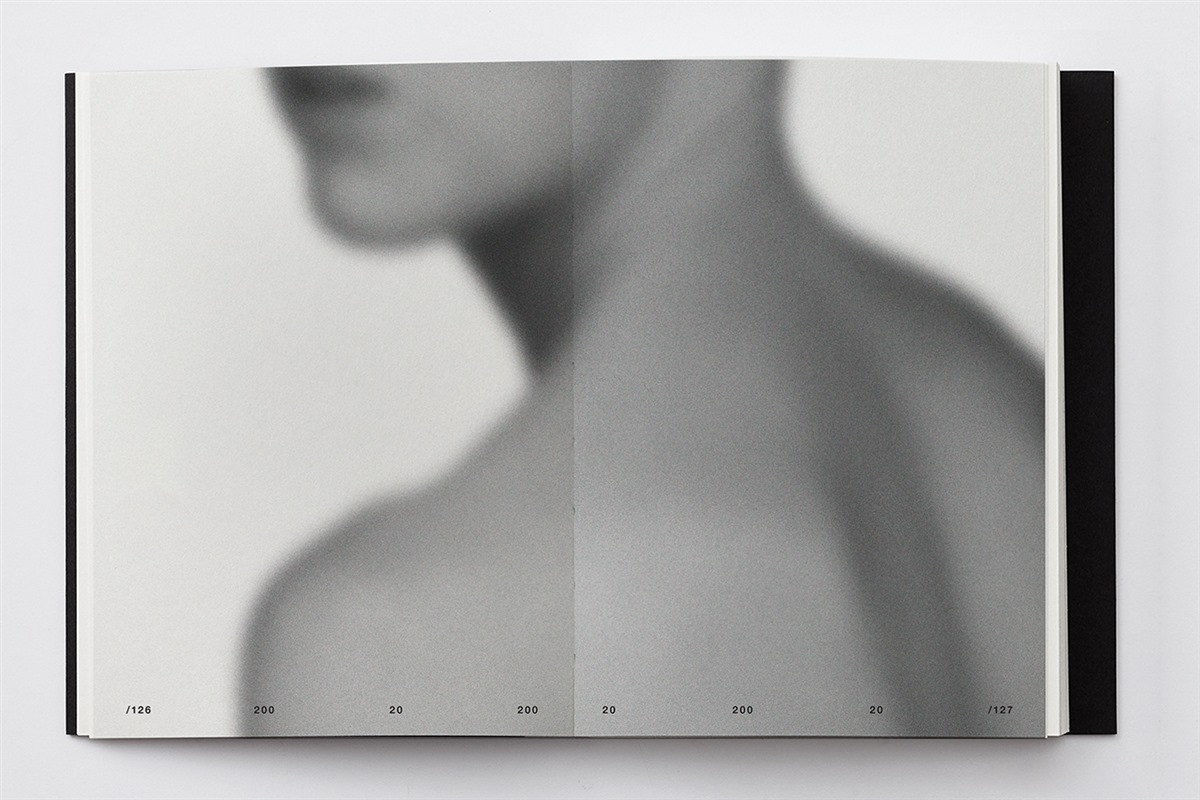
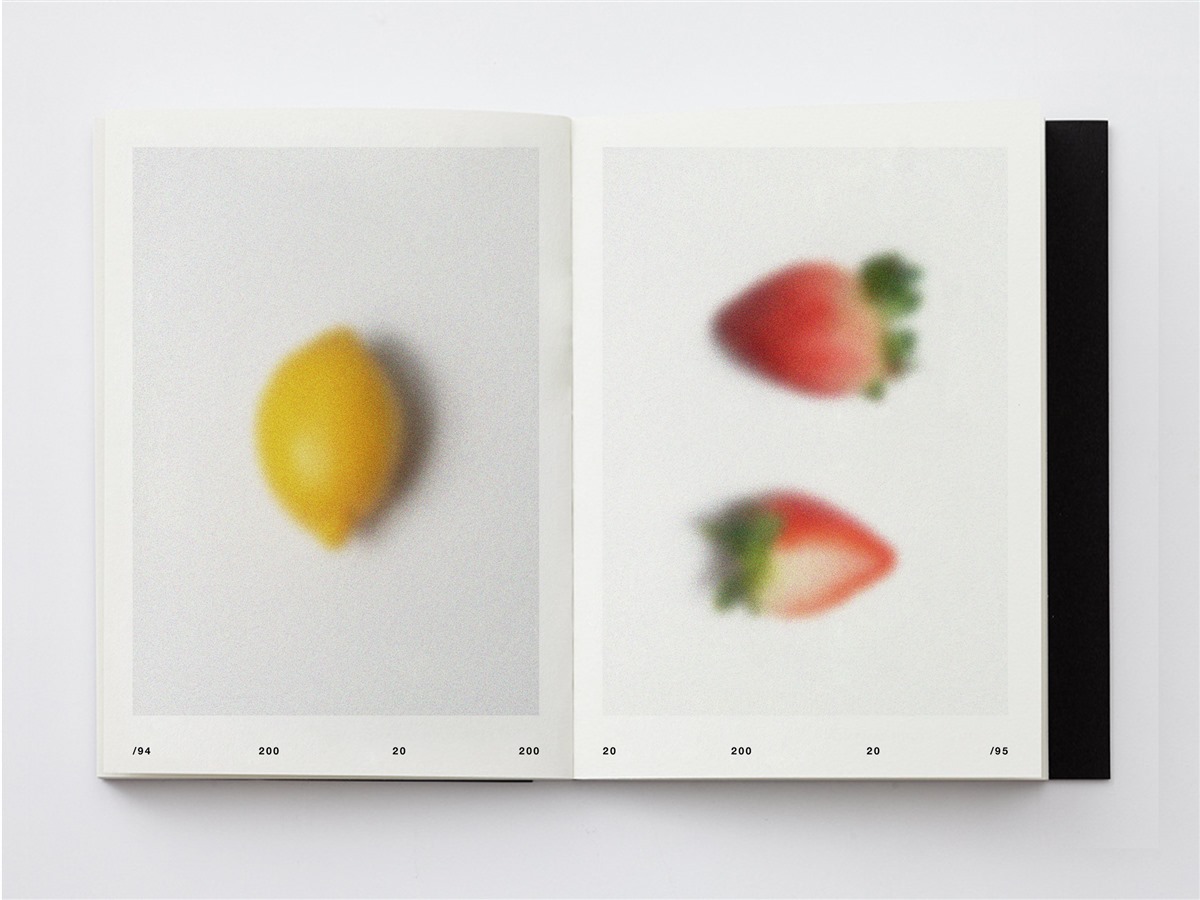
Of the five senses, vision is the most dominant contributor to human perception. Eighty percent of the information a person perceives is decided by the visual cortex. As visual data increasingly saturates our world, do we actually perceive more, or does so much information overload our senses? If seeing gives us a sense of freedom and access to information, what happens when that ability is limited?The book 20/200 explores a world where vision is impaired and sight is limited. Using a digital pinhole camera, fragmented pictures of streets and objects are created with heavy noise and scattered lights. Nothing can be seen through the viewfinder. Exposure and focus cannot be manually set.Using abstract images of daily objects and experiences, the book enters a dimension that is strange, yet familiar. It questions what and how much information can be perceived when visual content is removed. In this context, how does a viewer process and differentiate perceptions? Does the absence of complete information block understanding? Or is there potential to create an indirect but intimate emotional/imaginative connection that does not rely on visual context? 20/200 suggests the latter: There is unexpected opportunity in the limitation of the visual information. cherishho.com
Cherish Hsiaohui Ho
20/200
Cherish Hsiaohui Ho
20/200
Cherish Hsiaohui Ho
20/200
Cherish Hsiaohui Ho
20/200