Chen Feng
Infinite loop
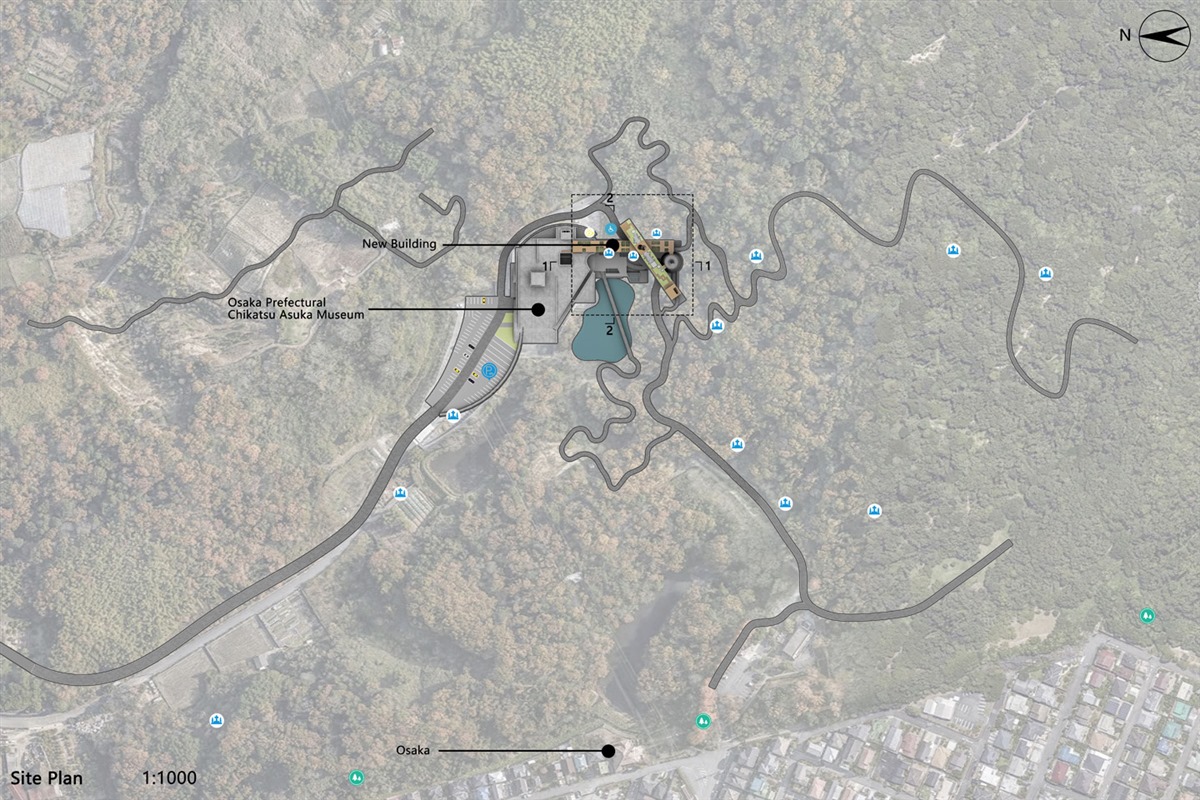
The Osaka Prefectural Chikatsu Asuka Museum, located in Kanan, Minamikawachi District, Osaka, Japan, is dedicated to the history of the Chikatsu Asuka region during the Kofun and Asuka periods. These historical epochs, together extending from around 250 to 710 AD, played a crucial role in shaping Japan's early history.
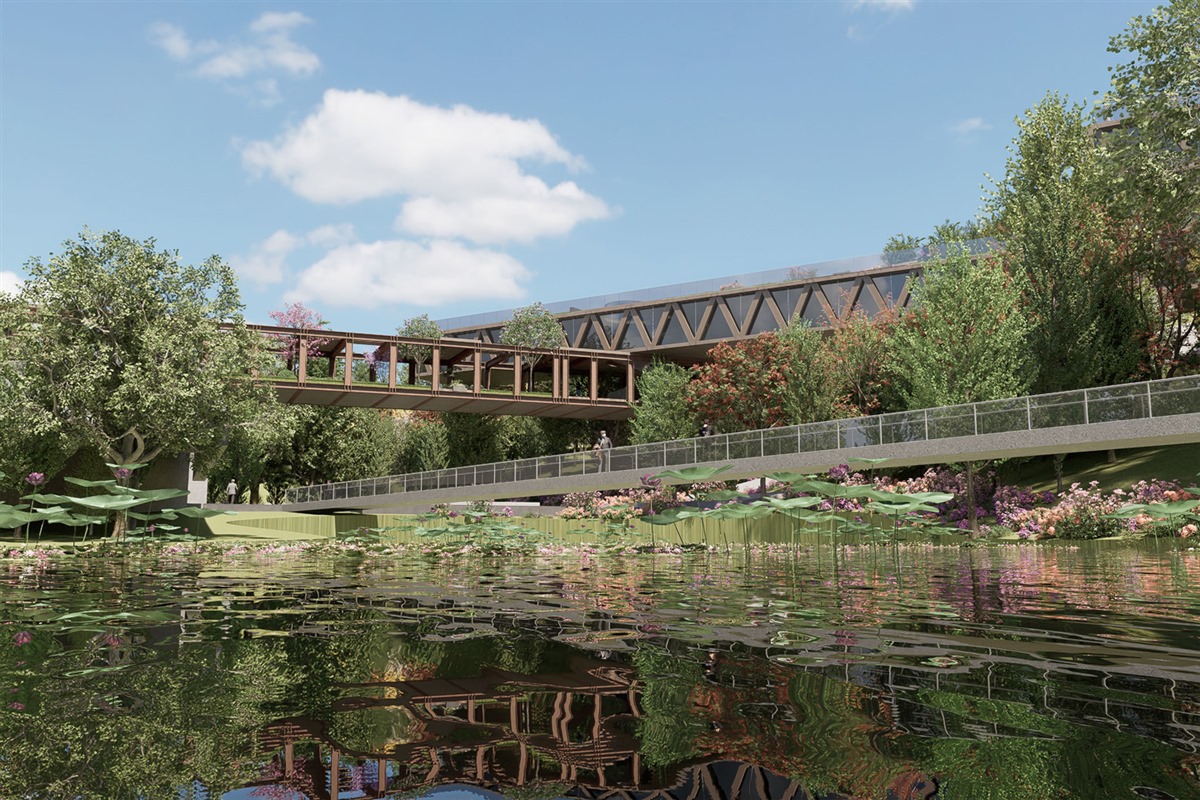
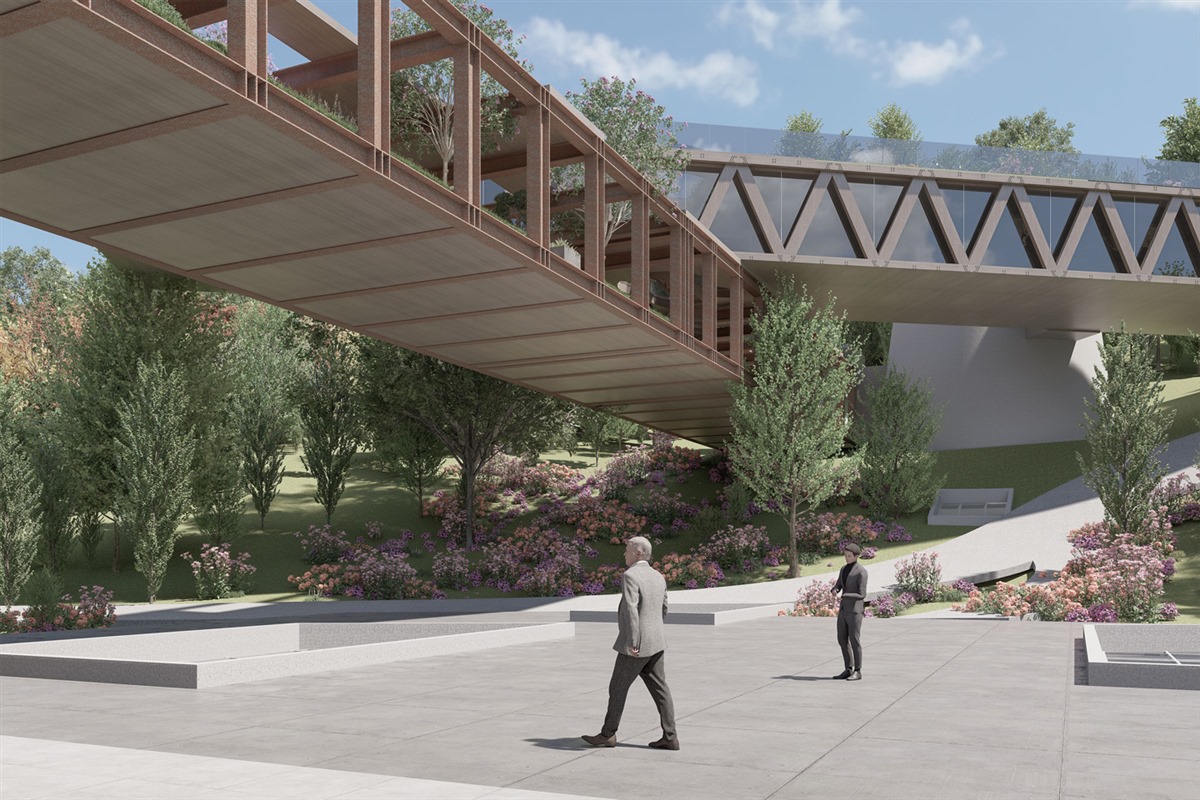
In constructing the museum's new buildings, two architectural methods were employed: subtraction, through carving out, and reconnection, through bridging. The new building comprises two parts: the bridge and the underground level. The bridge sits above the roof level of the Asuka Chikatsu Museum, while the underground level extends southward from the original museum's basement.
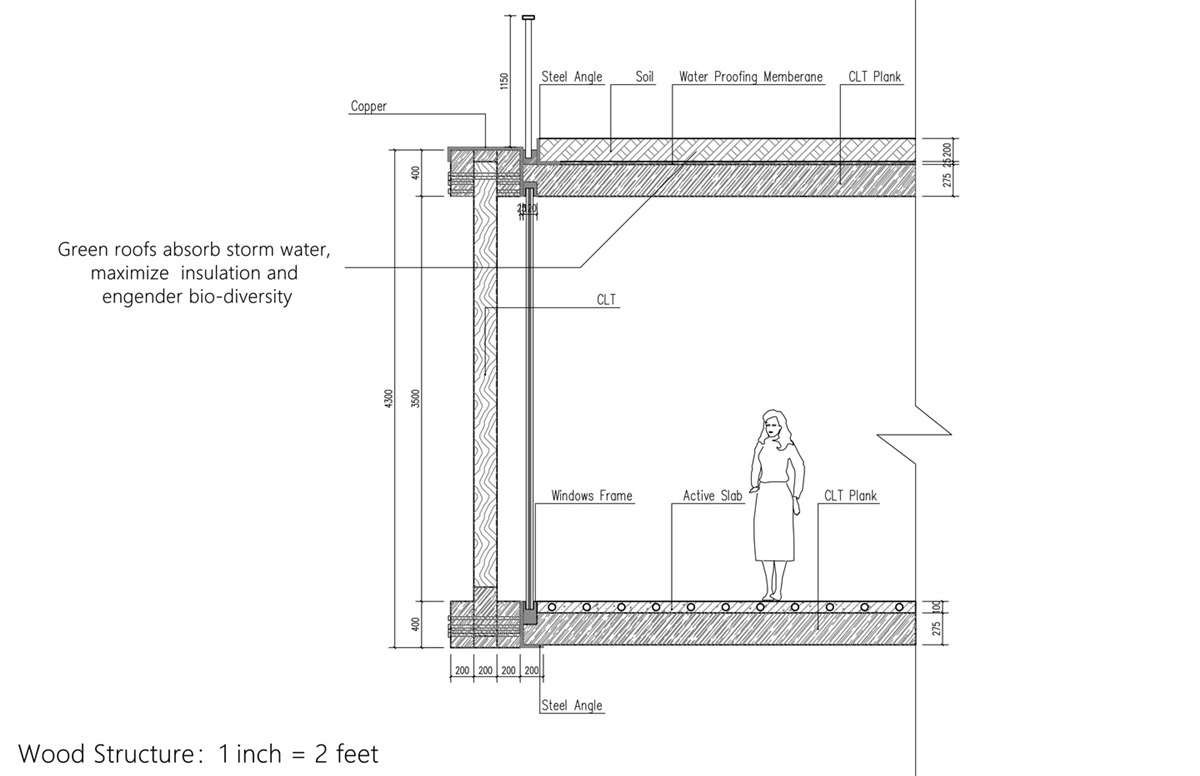
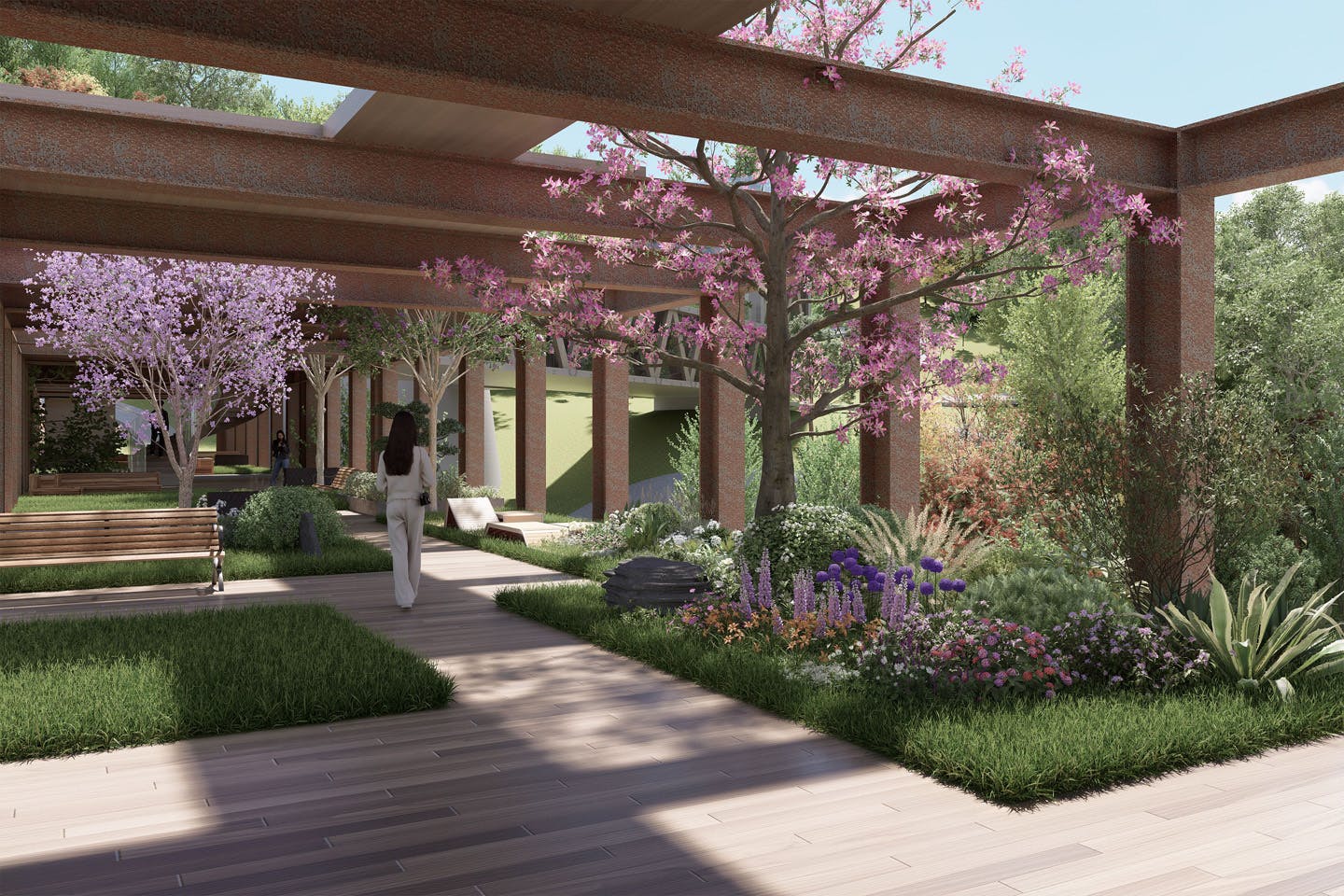
Together the bridge and underground levels create a new spatial circulation. The basement level is constructed of reinforced concrete and serves as a space connecting ancient tombs. The lower bridge is a steel structure functioning as an open ecological park, while the upper bridge is made of wood and houses an exhibition hall showcasing life in Japan's Asuka period. Additionally, the new building includes meditation spaces based on spatial studies.
The strategy of adding an ecological park to the Tomb Museum reflects the concept of coexistence between humanity and nature. By integrating cultural heritage with the natural environment, the ecological park becomes a place reflecting the infinite cycles of life, not only symbolizing the life cycle and continuation of various organisms in the ecosystem but also representing a beautiful vision of the mutual development of humans and nature.
Such initiatives not only enrich people's cultural lives but also enhance the quality of the surrounding environment and promote the sustainable development of cities.