Changó Cummings: Designing Space for Healing

Changó Cummings, BFA Architectural Design ’21, is a strong believer in the power of architecture and design to transform communities. Cummings leads the Environmental Design Lab at Juxtaposition Arts, a nonprofit organization in Minneapolis dedicated to providing young people with arts education and opportunities to build skills through hands-on experiences. It’s a position that brings him full circle, as he participated in the program during his youth.

One of the projects he is spearheading is the Healing Pavilion, the centerpiece of a community garden in north Minneapolis. Cummings is using parametric architecture to design the pavilion, a space for reflection and meditation that will be fabricated by youth at Juxtaposition Arts. “People need a place to be unpoliced and unsurveilled,” explains Cummings. “Design can be an impetus for healing and change.”
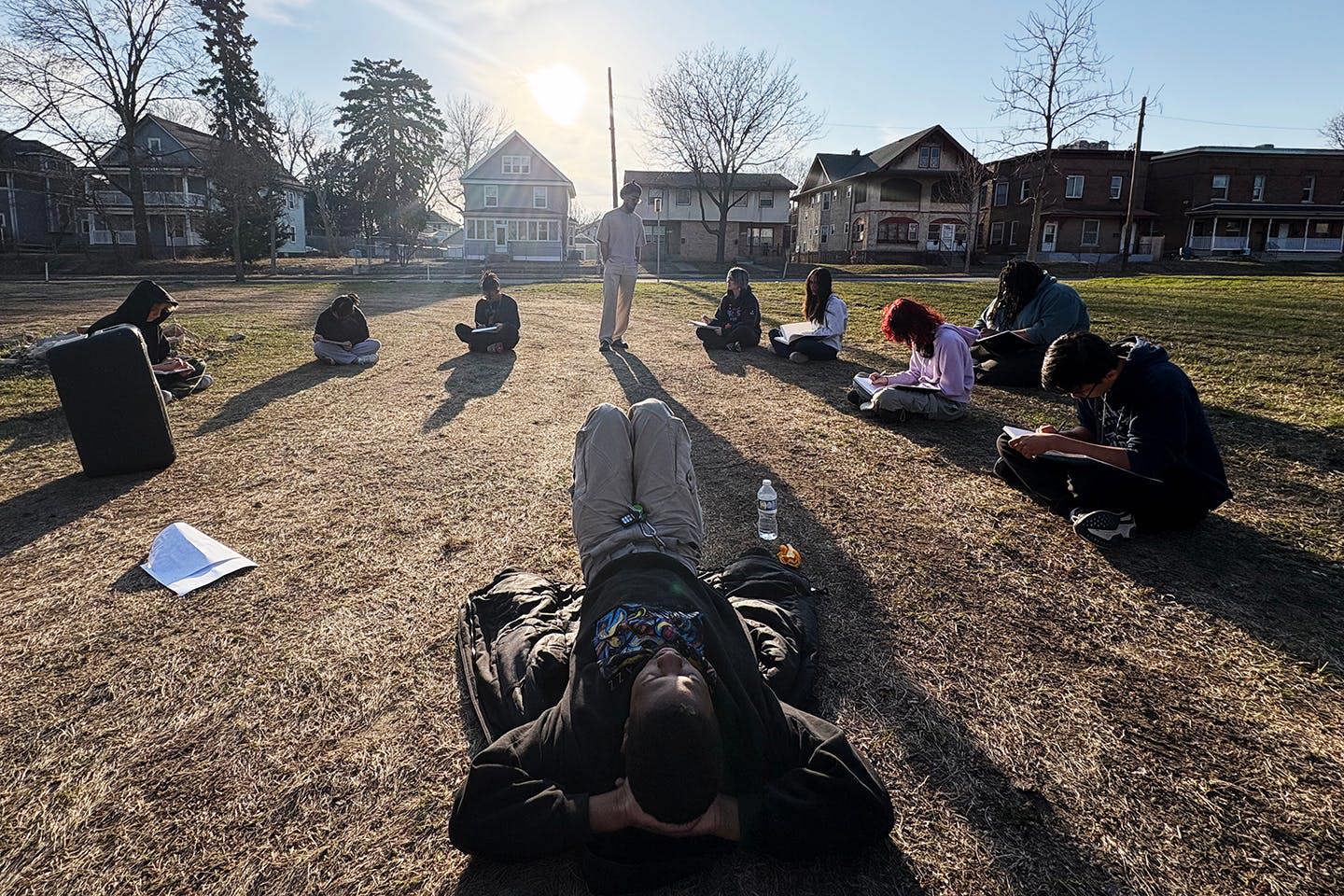
Cummings also brings his community-focused perspective to students at the University of Minnesota’s College of Design, where he teaches courses that combine urban design and social justice. “Working with young people leaves me with a lot of hope for the future,” he says.

As a student, Cummings was adept at bringing people and communities together. He was the president of Obsidian Group, which connects and supports Black designers across disciplines. He also organized The Black (Critique), an event celebrating the work of Black students and showcasing it to an audience including instructors, professionals, and community members. It was the first program of its kind at Parsons. “I wanted to find a way to connect faculty and practitioners with work being done in the classroom,” explains Cummings.
Reflecting on his time at Parsons, Cummings cites Mark Gardner, a faculty advisor on both his senior project and Obsidian Group, as instrumental to his success. “He had a profound effect on my academic experience,” says Cummings.
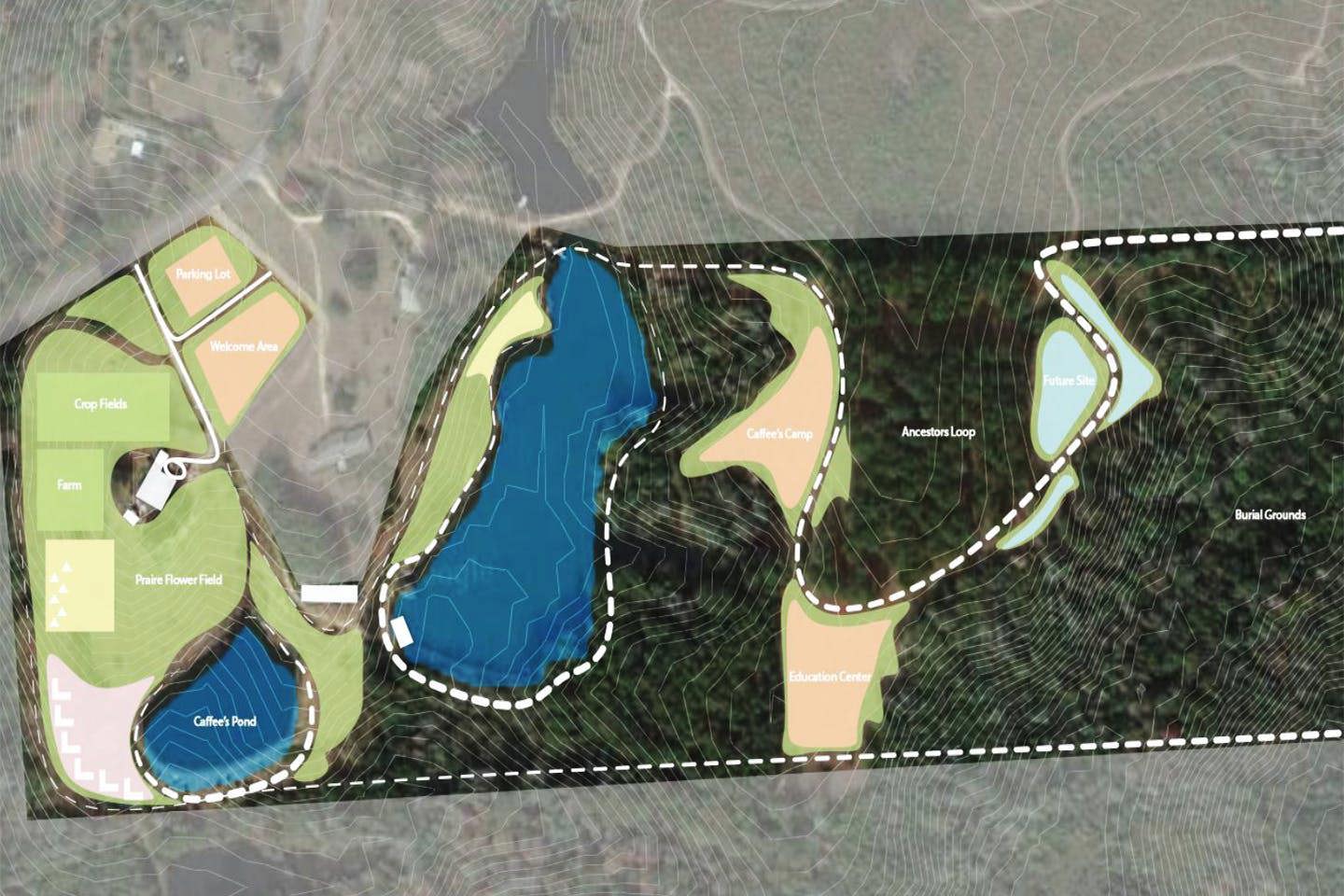
Of particular significance to Cummings is Hattiesburg House, a plan that developed from his capstone project at Parsons. His design involves the creation of an educational center promoting regenerative and sustainable agricultural practices traditionally employed by Black farmers. The site of the center is his grandparents’ farm in Mississippi, which he often visited growing up. Cummings hopes the center will serve as a site for dialogue around the troubled racial history of the region and the disappearance of Black-owned farms. “A regenerative farm is a way to honor the past but also imagine the future,” explains Cummings. “There is a lot of healing that needs to be done.”