Ari Arya
HOW TO REVIVE AN ANCIENT GODDESS IN ONE SEMESTER
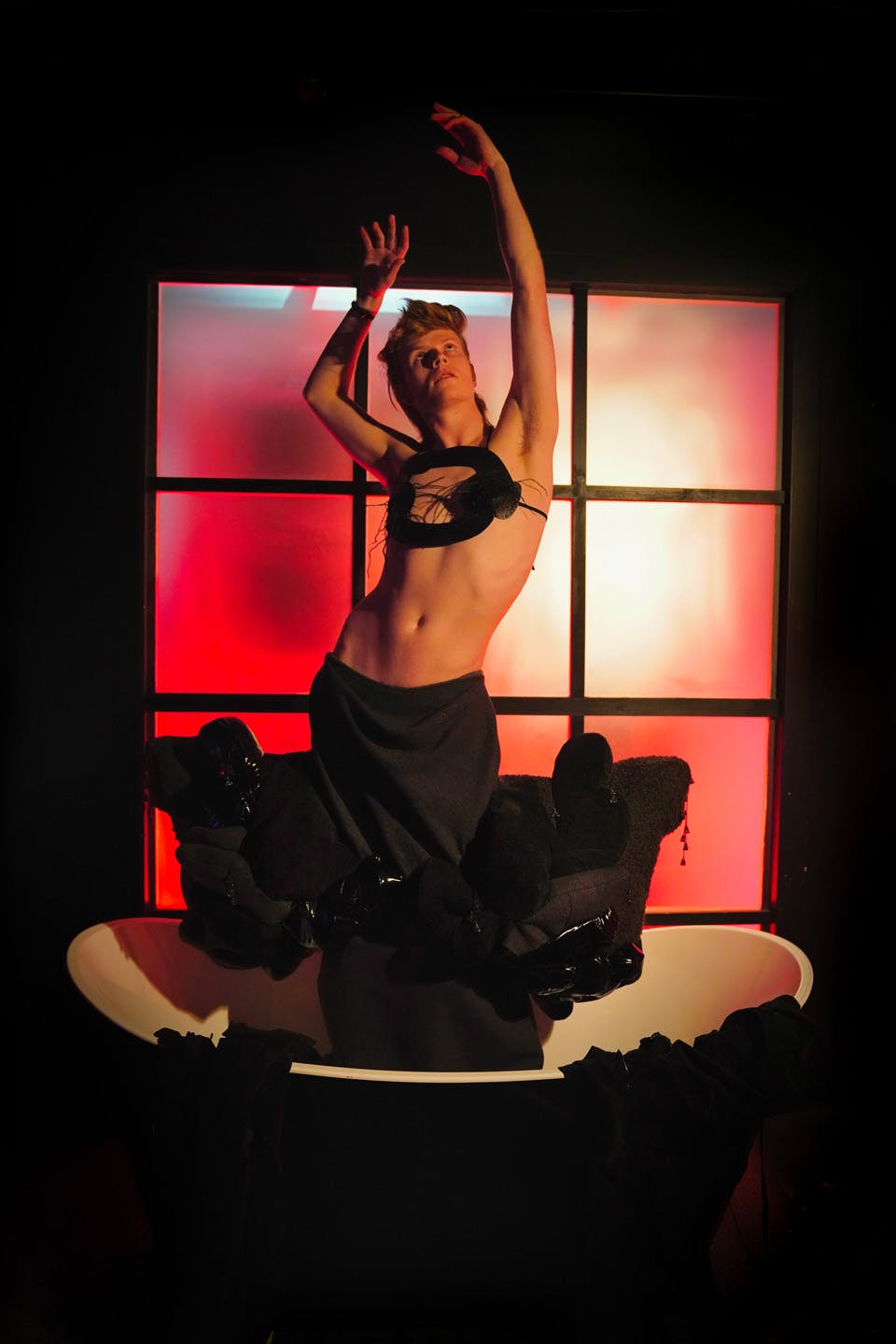
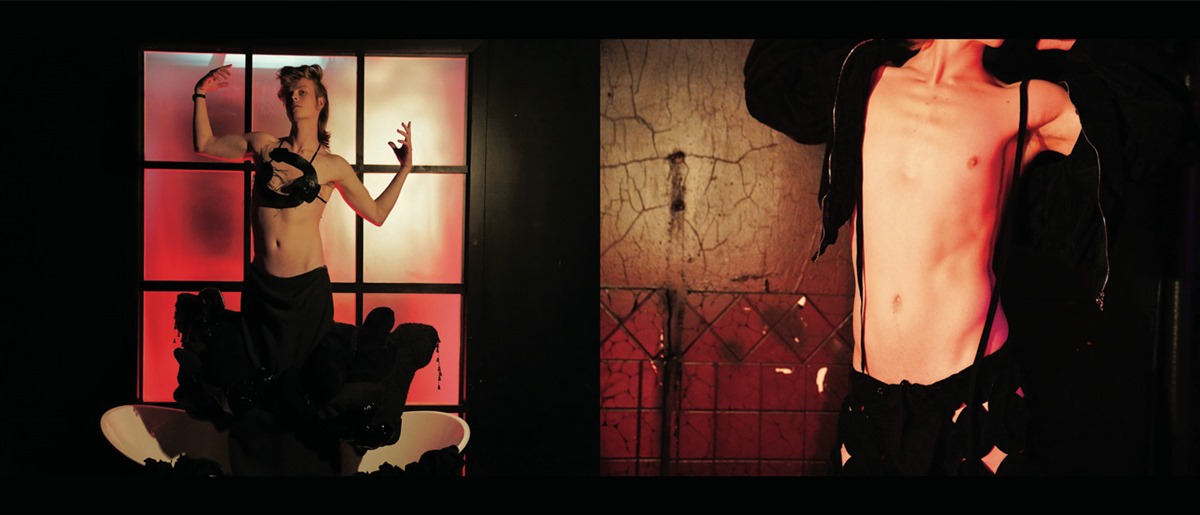
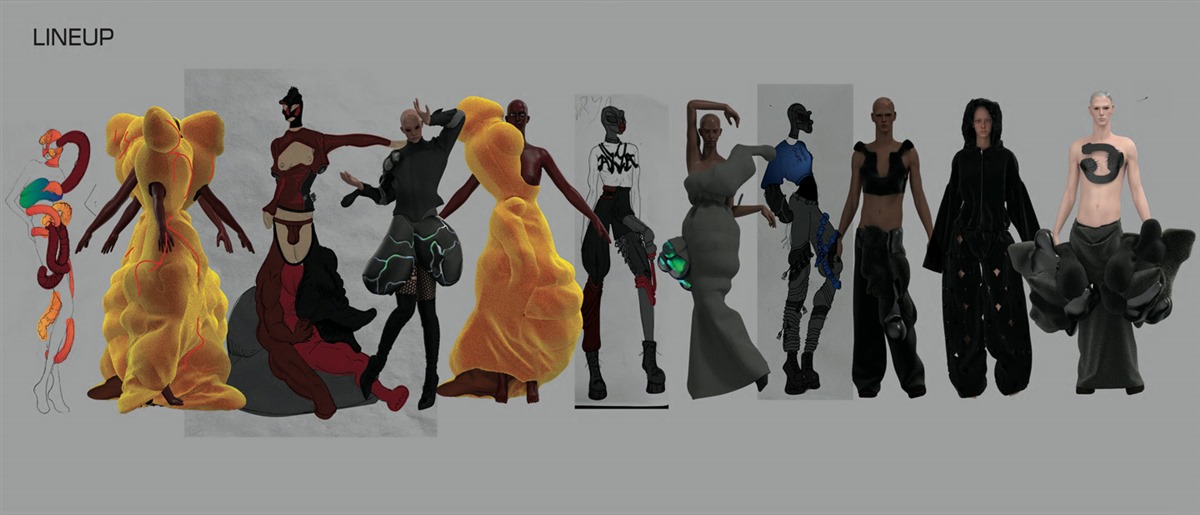
In this collection, I explore Cthulhu/Gaia/Devi as the Divine Sexual.
Ancient cultures of Western Asia worshipped the mother goddess, Gaia, as the embodiment of the interconnectedness of all beings. Modern theorists like Donna Haraway refer to this interconnection as Cthulhu.
A number of ancient goddess cults worshipped the goddess through orgies. Evidence of these goddess cults has also been found in South Asia in the form of folk religions that were later absorbed by Hinduism. It’s noteworthy that these cults existed in South Asia: Images of animals and gods having sex may have evolved into the more familiar depictions of Hindu gods with numerous limbs or nonhuman body parts. Western and South Asian goddess cults gave rise to other major modern religions, but the stories and images were altered in accordance with the patriarchal views embraced by these religions, which removed the allusions to sex and sacrifice and the centrality of the goddess figure.
This collection tells the dark story of the erasure of the divine feminine and holy orgies. It also serves as a message of hope, reminding us of what we can do to restore those memories: engaging in sexual worship, bringing bodies together, and using gooning and orgy as forms of worship.
There are no divisions between beings; we are all one another and are all the universe. Thus to worship Cthulhu or Gaia is to worship ourselves (think gooning) but also to worship our interconnectedness, to worship our bodies coming together into a seething mass. Crunching our bodies together into one is simply sexual. And sex is simply divine.