Anne-Isabelle de Bokay
Simulated Self: Algorithmic Reductionism in the Age of AI
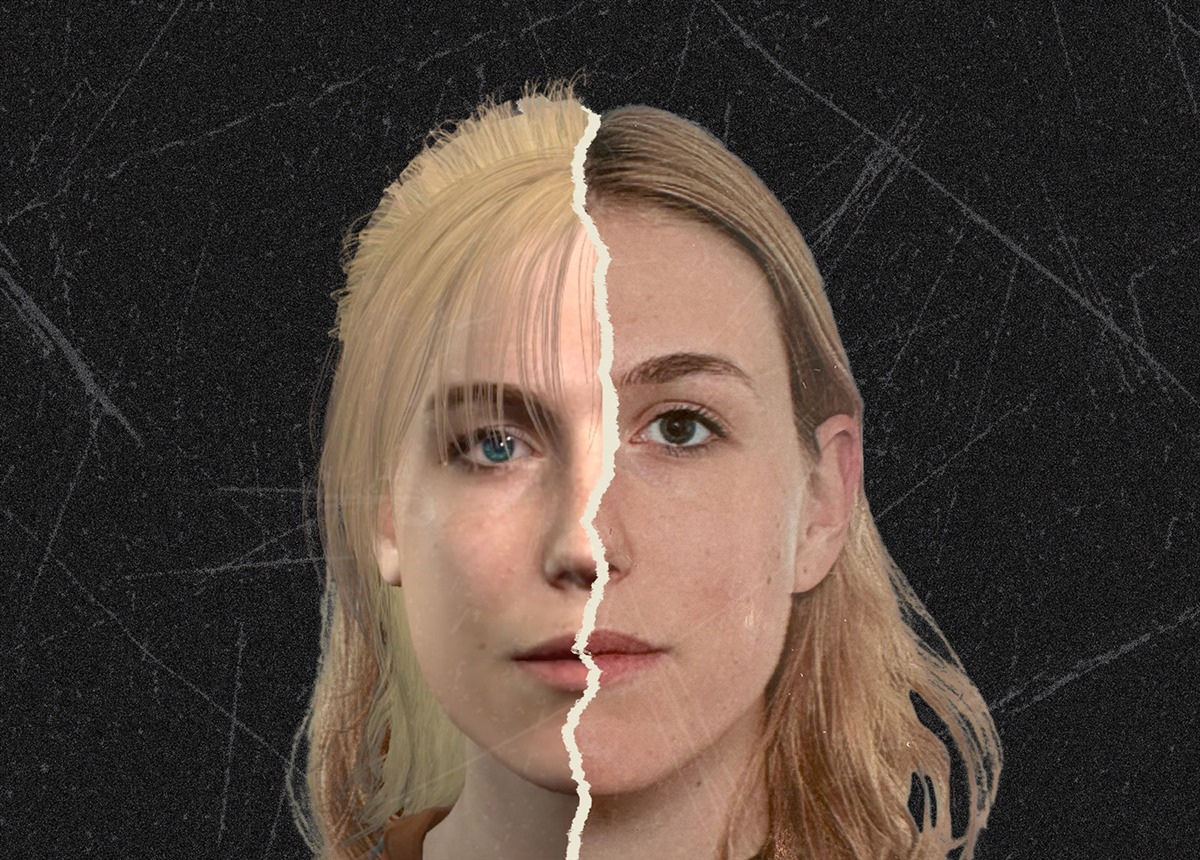
Algorithms are reductive reflections of who we are, pushing us into echo chambers of past behaviors and beliefs to serve the commercial interests of their creators. Relying on algorithms to guide our personal decisions causes us to lose our agency and individuality and to fuse with these reductive versions of ourselves. To demonstrate this phenomenon, I created a digital clone of myself, which communicated with my family and directed me on what I should do every day.
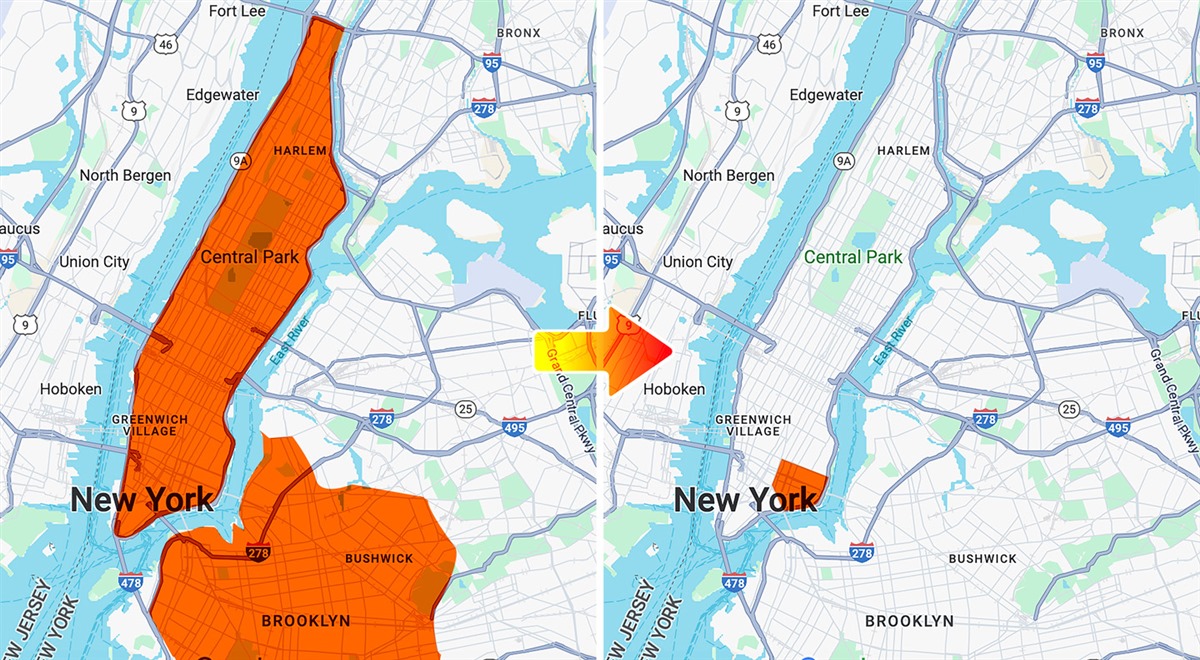
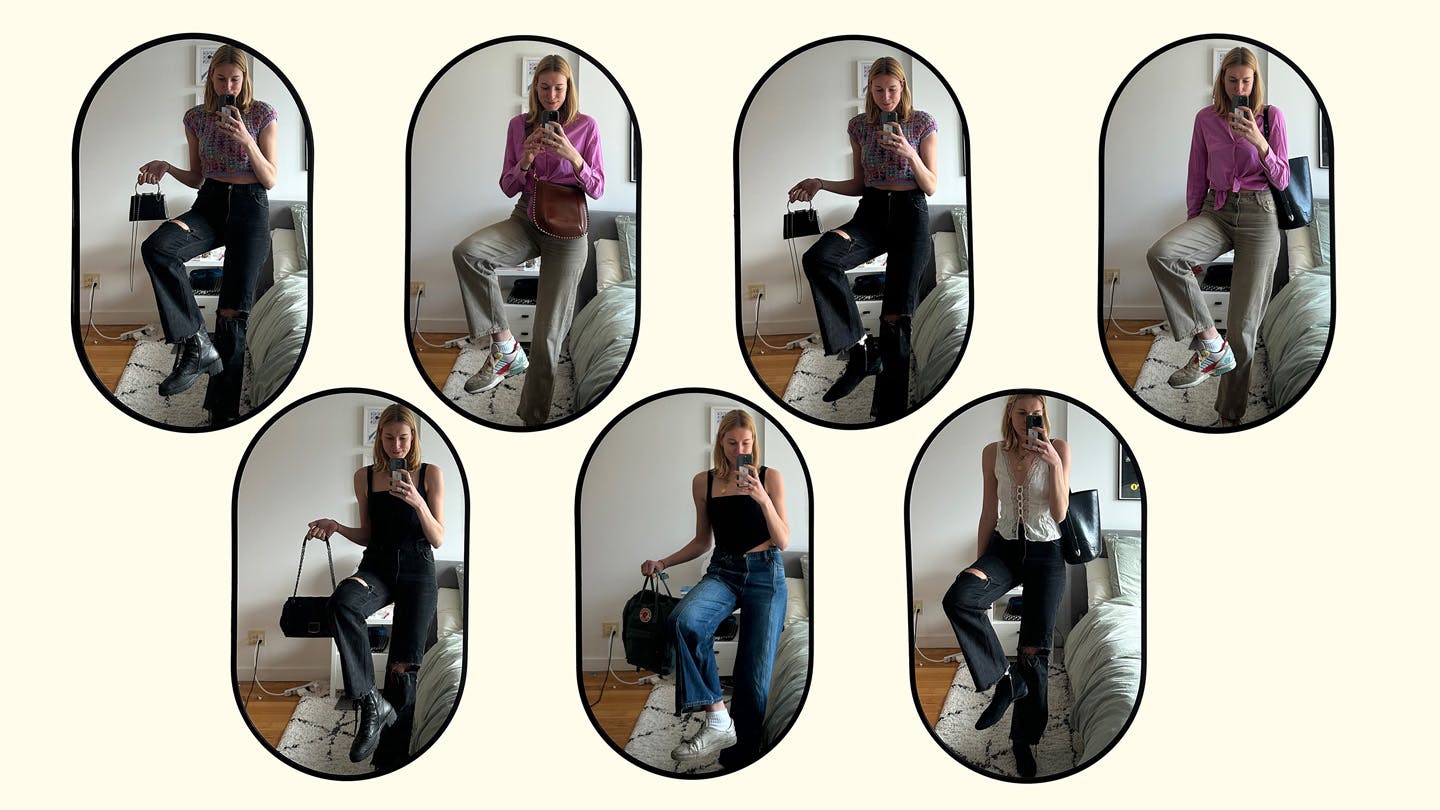
In my embodied experiment, I trained an algorithm with my personal data (social media use, psychological self-assessment, third-party assessment). I had the bot, or digital clone, that resulted direct what I would do every day: whom I would see, what I would wear, what I would eat. I also used it to communicate on my behalf with my family and friends through generated messages and voice notes. Very quickly my clone restricted me to engaging in the same types of activity, seeing a very small group of people, and exploring a limited geographical range.
Algorithms and AI carry the stamp of scientific authority, leading us to misidentify their recommendations as diagnostic rather than probabilistic. My thesis questions the wisdom of entrusting extensive personal data to algorithms in our quest for self-improvement and scrutinizes the unsettling ease with which we accept digital reflections as true representations of ourselves. While the fear that AI will become sentient is misplaced, its ability to simulate sentience can pose as much of a risk. My thesis calls for a more discerning engagement with technology, advocating for a critical stance toward relinquishing data to digital platforms and the interpretations produced by algorithms. In short, the goal is to promote critical awareness as a way of fostering user agency in an increasingly digital and AI-reliant world.