Alex Vinicius Silva
TARSYS
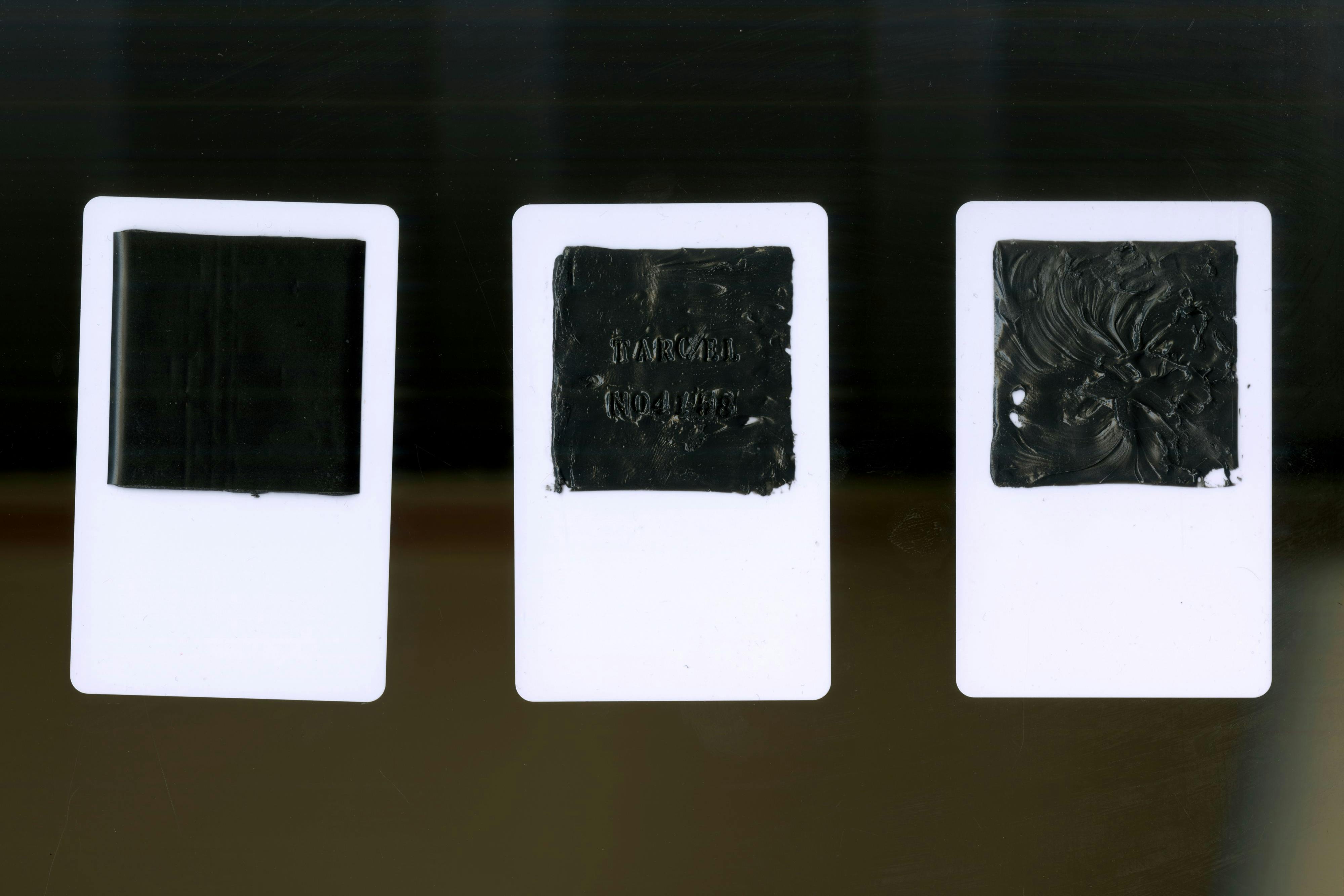
TARSYS is a system that comprises two parts: SHEATH and TARCEL. At its root, TARSYS stands to be an alternative to the Internet as a means of distributing information.
TARCELs, like .tar files in Unix, are the physical manifestation of my thesis in the form of NFC cards. These cards store the information written to them and can be read through NFC-enabled devices, including those using SHEATH or even standard cell phones. TARCELs can reduce the physical space taken by otherwise printed matter while also being far more impervious to damage and intrusive eyes.
SHEATH is the software component of my thesis in the medium of a desktop application. Taking inspiration from the myelin sheath's role in insulating axons and speeding up neural signal transmission, SHEATH enables users to read and write textual messages to TARCELs. SHEATH additionally allows the compression and decompression of messages to optimize the use of TARCELs' limited storage capacity.
My goal for TARSYS was to be able to enable people to create their own local, decentralized networks for distributing suppressed information. By writing information to a TARCEL, users would be able to pass the TARCEL around their community, giving everyone a chance to be able to consume the information stored on it.
I fundamentally believe in the right of all humans to access and distribute information without constriction. TARSYS aims to create methods for people to share information where internet access is precarious, unstable, or heavily regulated.
More information and documentation about TARSYS can be found on the project website: tarsys.org