Interior Lighting Design
Take the Next Step
Contact Us
Continuing and Professional Education
66 West 12th Street
New York, NY 10011
Tel: 332.239.2292
cpe.advisor@newschool.edu
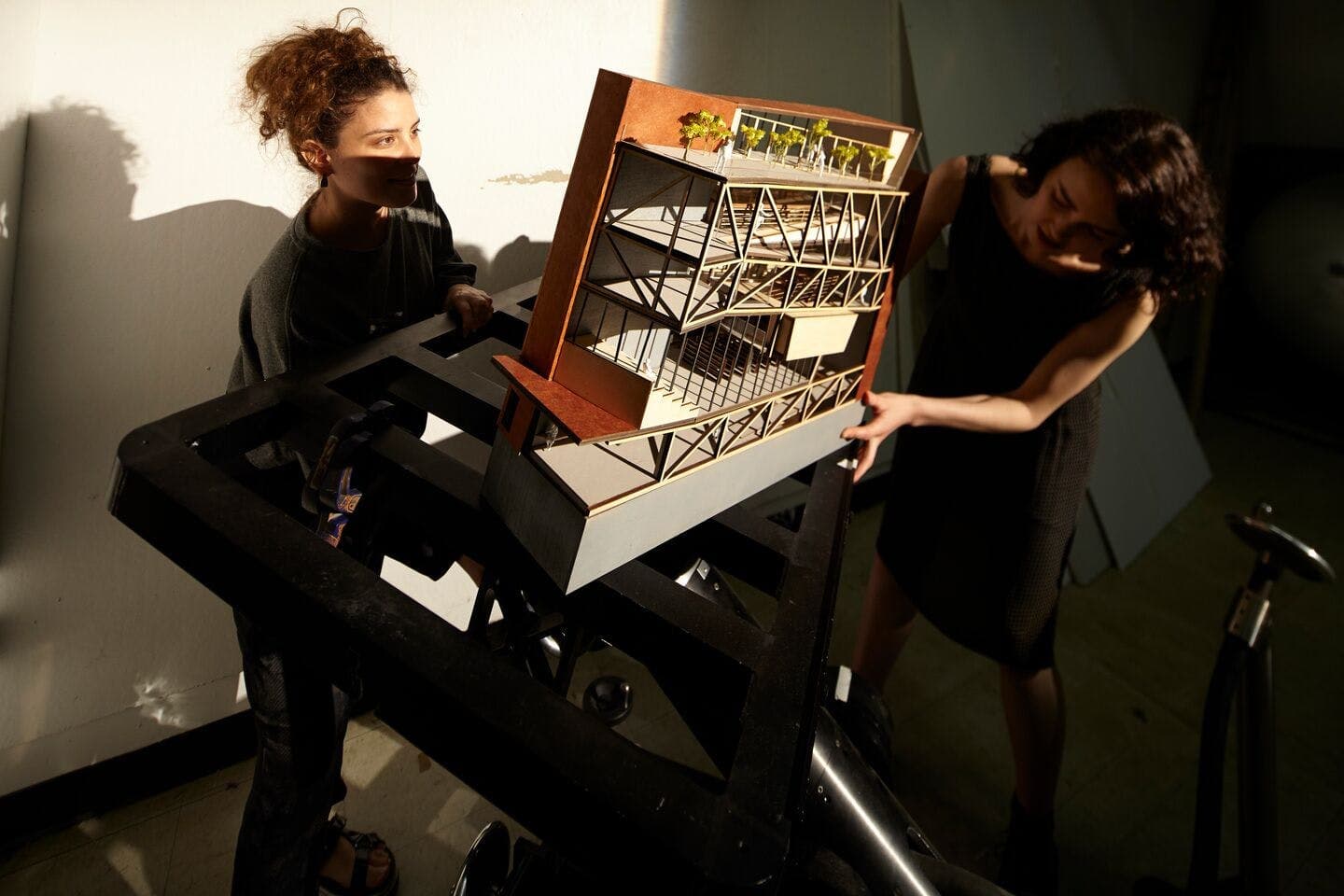
“Good architecture poorly lit is poor architecture.” Those are the words of a famous architecture critic, and they apply to almost any type of environment. We need light to see well enough to perform functions and activities and to render the architecture of the environment. This certificate program is focused on creating a foundation for designing successful lighting by helping participants understand light and human vision, lighting technologies and performance, lighting design as a discipline, and the impact of light on an environment.
Students typically complete this certificate in four months.
Courses in this certificate are registered with the International Design Continuing Education Council (IDCEC) and accredited for Continuing Education Units (CEUs). After successful completion of this certificate, students are eligible for three transfer credits if they apply and are admitted to Parsons' MFA Lighting Design program. Please contact our team for admission and program requirements at continuinged@newschool.edu.
- FormatOnline
- Price$1,890
- Total Courses3
- Course Length5 weeks
Courses
Courses must be taken in the order in which they are listed.
Lighting Fundamentals and Technologies
This course covers the fundamentals of lighting. Students develop a basic understanding of light and human vision, lighting measurement, and color.
Lighting Design Criteria and Considerations
How much light we need to see and perform a task and how that light can best be delivered are some of the design considerations addressed in this course.
Designing a Lighting System
This course focuses on the tools and techniques needed to create a layout that meets design criteria and allows for successful implementation of the design concept.
Many interior design programs address lighting to some degree, but none to the depth of the Parsons MFA Lighting Design program, one of the few lighting degree programs in the world. This certificate program taps into Parsons’ expertise to establish a strong foundation for understanding and implementing lighting design, with the opportunity to build on that foundation.
Program Highlights
Who Should Enroll
- Architects, interior designers, engineers, contractors, decorators, electrical distributors, and sales agents
What You’ll Gain
- An understanding of basic concepts of the science of light and vision
- Foundational knowledge of basic lighting technologies (lamps, luminaires)
- The ability to carry out fundamental analyses of lighting systems and create lighting layouts
- The ability to conduct basic assessment of installed lighting systems
- A sense for the balance between design and technology in lighting design
How You’ll Learn
- Engaging video lectures and interviews with industry experts
- Direct interaction with faculty practitioners at the top of their field
- Online collaboration and video conferencing
- Project-based learning focused on developing real-world skills and portfolio assets
Courses
Courses must be taken in the order in which they are listed.
Lighting Fundamentals and Technologies
This course covers the fundamentals of lighting. Students develop a basic understanding of light and human vision, lighting measurement, and color.
Lighting Design Criteria and Considerations
How much light we need to see and perform a task and how that light can best be delivered are some of the design considerations addressed in this course.
Designing a Lighting System
This course focuses on the tools and techniques needed to create a layout that meets design criteria and allows for successful implementation of the design concept.