Flávia Leite
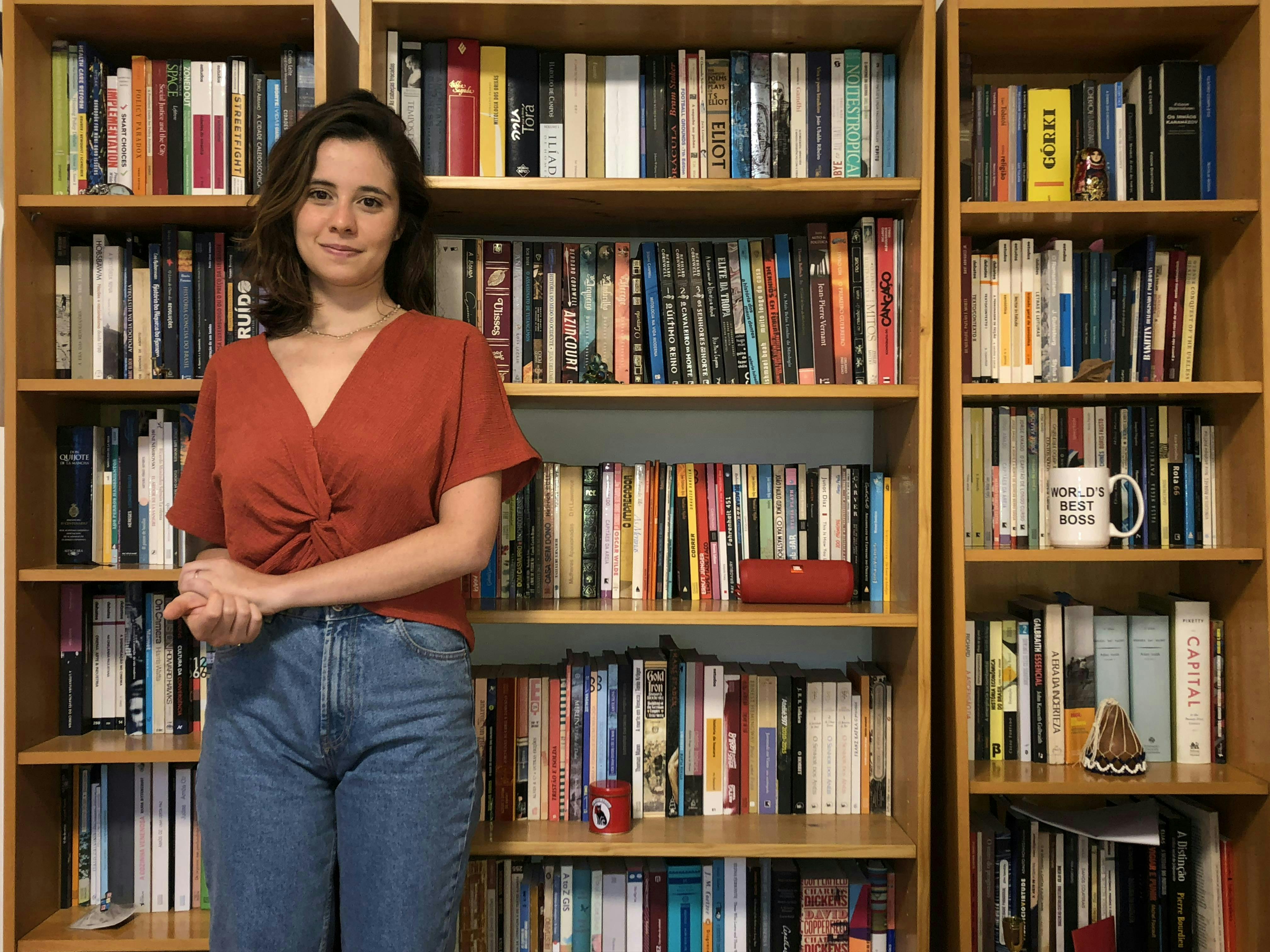
When Flávia Leite learned about the MS Public and Urban Policy program at The New School, she knew it would be a perfect fit for her.
After studying economics at the University of São Paulo in Brazil and spending two years working with P3Urb, a consulting company focused on urban planning and real estate projects, Leite decided to return to school, with the goal of “learning from global experts and gaining analytical abilities to adapt successful international initiatives to the Brazilian reality."
It was at the World Urban Forum in Medellín, Colombia, that she first heard of The New School for Social Research's Public and Urban Policy program. “I was very impressed with its progressive principles and its hands-on approach,” she says. “At that moment, I decided to apply.”
During her time in the program, Leite says, she learned how to structure her thought process and develop a systematic approach to problem solving and policy analysis. She was active in NSSR’s Urban Policy Lab, where she was able to work collaboratively to solve real-world problems.
“We learned how to deal with many other points of view when developing recommendations for a real client in a formal briefing,” she says. “The Urban Policy Lab was an opportunity for me to learn how to communicate openly and effectively and to appreciate diversity of ideas.”
Since her degree, Leite has worked as an advisor at São Paulo Parcerias (São Paulo Partnerships), a mixed-capital company linked to municipal privatization and partnerships engaged in structuring and developing grant projects, privatization, and partnerships in Brazil. She is now a PhD student at the University of California, Berkeley.
“Having an MS in Public and Urban Policy from The New School with a specialization in Urban Planning and Financing was key for me to assume these current job positions,” she says.